
Why your transmission delayed-engagement is getting worse
I’ll never forget the day my car stubbornly refused to shift smoothly as I pulled out of my driveway. That sinking feeling hit me—was I about to face a costly repair? Over the weeks, what started as occasional hesitation turned into a persistent problem. The moment I realized my transmission was slowly betraying me was a wake-up call. If you’ve ever experienced that car lurching or slipping during a shift, you know how unsettling it can be. It’s not just about the inconvenience—it’s a signal your vehicle needs attention.
Getting to the Root of Delayed-Engagement
Delayed engagement in your transmission is more than a minor annoyance; it can be a sign of underlying issues that, if left unchecked, might lead to complete transmission failure. The good news? With a bit of knowledge and timely maintenance, you can often prevent costly repairs. Early on, I made the mistake of ignoring the signs, thinking it was just a minor glitch. That was a mistake I won’t repeat. Regular maintenance, especially with high-quality oils and fluid checks, plays a critical role in keeping your transmission shifting smoothly. For more on why changing your transmission fluid matters, see this guide.
Is Transmission Repair Overhyped and Overpriced?
One of my biggest hesitations was whether I should just let it go and hope it sorts itself out. Spoiler: it doesn’t. Early in my experience, I failed to realize that delayed engagement is often caused by simple issues like low or dirty transmission fluid. I also overlooked the importance of using the right type of oil. A common mistake many make is neglecting regular oil changes, which can significantly extend your transmission’s lifespan. Curious about how to keep your vehicle running smoothly? Check out this post for expert tips.
Now that we’ve covered the initial warning signs and my personal lesson, let’s delve into the practical steps you can take today to address delayed-gear engagement and ensure your transmission stays in top shape. Trust me, proactive maintenance beats costly repairs every time.
Prepare Your Work Area and Gather Essential Tools
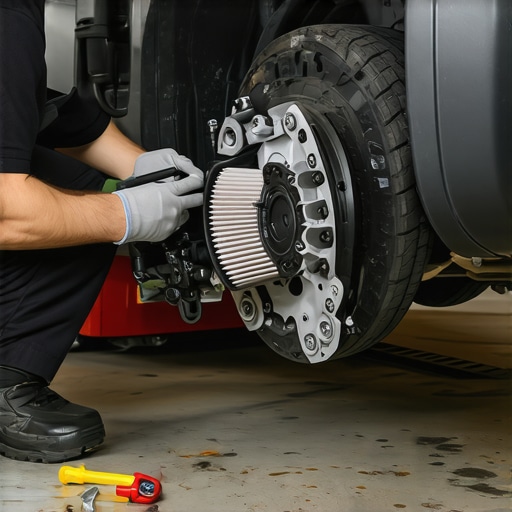
Start by parking your vehicle on a flat, stable surface away from direct sunlight. Engage the parking brake and turn off the engine. Gather all necessary tools: jack stands or a hydraulic lift, a clean drain pan, socket wrenches, a funnel, and protective gloves. Having everything within reach prevents interruption during the process. I once underestimated the importance of a proper work environment and ended up crawling under a dirty, uneven driveway, which made the job messier and riskier. Proper preparation is key to a clean, efficient transmission fluid change.
Drain Old Fluid Properly
Locate the transmission fluid pan, typically at the bottom of the transmission housing. Using the socket wrench, carefully remove the drain plug or the pan bolts, depending on your vehicle’s design. Be prepared for the fluid to flow out—use the drain pan to catch it. Remember, transmission fluid is hot and can burn, so wait for the engine to cool sufficiently. I once spilled hot fluid on my arm due to rushing, reminding me that patience saves injury. Draining the fluid completely is essential for removing contaminants that can cause delayed gear engagement or slipping.
Check the Old Fluid’s Condition
Examine the drained fluid’s color and smell. Dark, burnt-smelling fluid indicates overheating or neglect, which could mean deeper transmission issues. Comparing your fluid’s condition to standard benchmarks helps decide if a simple fluid change suffices or if a more thorough inspection is needed. I realized my fluid was overly dark after ignoring regular changes, which contributed to my transmission slipping.
Replace the Filter and Inspect Components
Remove the transmission filter, usually located inside the pan. Clean or replace it according to manufacturer recommendations. While the pan is off, inspect the gasket for wear or damage, replace if necessary. Also, look for metal shavings or debris—these are signs of internal wear. I once neglected the filter replacement, leading to clogged passages that caused shifting issues after reassembly. Regular replacement prevents me from experiencing such inconvenient repairs.
Refill with Fresh Transmission Fluid
After cleaning and reassembling the pan, refill with the manufacturer-specified transmission fluid. Use a funnel to add the right amount as specified in your vehicle’s manual. Monitoring the level with the dipstick ensures optimal pressure and shifting. Remember, overfilling can cause foaming and gear engagement problems. I learned this the hard way when I overfilled, resulting in a spillage and messy engine bay. Always consult your vehicle’s manual or this guide for fluid capacity details.
Perform the Final Checks and Test Drive
Start the engine and let it run for a few minutes. Shift through all gears to circulate the new fluid. Check for leaks around the pan and drain plug. Using the dipstick, verify the fluid level and top off if necessary. Drive calmly and pay attention to shifting performance—smooth, firm shifts indicate success. I once felt hesitant during my first attempt, but after a careful test drive, I was pleased to notice improved responsiveness. Consistent maintenance like this reduces the risk of costly transmission repairs and keeps your vehicle running reliably.
Maintain and Monitor Regularly
Set reminders to check transmission fluid levels periodically, especially before long trips or heavy towing. Keep an eye on warning signs like delayed engagement or slipping gears, which may indicate the need for immediate service. For expert insight on maintaining your vehicle’s transmission, visit this resource. Regular fluid exchanges and inspections prolong your transmission’s lifespan, much like a well-tuned engine.
Many drivers believe that changing engine oil is a simple, straightforward task, but in reality, there’s a lot more nuance involved than just draining your old oil and adding new. One common misconception is that frequent oil changes aren’t necessary if the vehicle seems to run fine. However, experts emphasize that regular oil changes—guided by your vehicle’s specific needs—are critical for preventing engine wear and maintaining performance. Relying solely on the mileage interval without considering driving conditions can be a costly mistake. For instance, stop-and-go city driving and towing put extra strain on your engine’s lubricating system, necessitating more frequent oil changes. Always consult your owner’s manual or a trusted ASE-certified technician to get the most accurate maintenance schedule. Interestingly, some assume that synthetic oils last forever or that they don’t require changing, but recent studies reveal that even synthetic oils degrade over time and can accumulate sludge if not changed periodically. This misconception can lead to premature engine issues.
Another area where many get it wrong involves car service intervals. Many believe that a quick oil change or a basic check-up once a year is sufficient for their vehicle’s health. However, modern vehicles, especially those with advanced computer systems, require more tailored maintenance plans. An ASE-certified technician can interpret diagnostic codes and monitor fluid conditions more accurately, helping to catch potential problems early. This proactive approach can save money and extend the lifespan of your vehicle. Also, some drivers think that car servicing only involves the engine but neglect critical components like transmission, brakes, and cooling systems. Neglecting these parts can result in severe damage and costly repairs down the line.
Specifically, when it comes to transmission care, many assume a transmission fluid change is either unnecessary or only needed when problems arise. In reality, regular transmission service, including fluid exchanges based on manufacturer recommendations, is vital for smooth shifting and avoiding costly repairs. Transmission fluids degrade with heat and use, losing their lubricating properties and leading to delayed or harsh gear engagement. A common mistake is waiting until transmission slips or shifts rough before servicing, which often results in internal component wear or failure. Experts recommend adhering to proactive maintenance schedules to prevent such issues.
**Why do many drivers overlook the importance of ASE certification?** It’s a common misconception that any mechanic can perform reliable vehicle repairs. But ASE certification signifies a technician has a verified level of expertise, experience, and commitment to ongoing education. This is especially crucial for complex systems like transmissions where nuanced diagnosis can save you money and prevent misdiagnosis. According to industry research, vehicles repaired by ASE-certified technicians tend to last longer and perform better, reflecting higher standards of quality.
Finally, understand that neglecting these nuanced aspects of vehicle maintenance can lead not only to increased costs but also to safety risks. Regularly reviewing your maintenance plan, consulting with qualified technicians, and staying informed can make a significant difference. Don’t fall into the trap of complacency—your vehicle’s longevity depends on attention to detail.
Have you ever fallen into this trap? Let me know in the comments.
Tools I Recommend for Consistent Automotive Care
Maintaining your vehicle’s transmission, oil system, and overall performance demands more than just routine checks; it requires precise, reliable tools. I swear by my digital torque wrench because accurately tightening drain plugs and filters prevents leaks and damage. Unlike standard manual wrenches, a digital torque wrench provides exact torque readings, accommodating manufacturer specifications and eliminating guesswork. For example, over-tightening the drain plug can cause gasket deformation, leading to leaks—something I experienced firsthand. Incorporating this tool into my maintenance routine has saved me from costly repairs. Additionally, a high-quality transmission fluid pump is essential when refilling or exchanging fluids. Using a manual syringe isn’t enough for the volume and accuracy needed—my electric pump ensures a clean, mess-free process, especially when dealing with tight dipstick tubes.
What Software Helps Track and Schedule Maintenance Effectively?
Beyond physical tools, using dedicated maintenance tracking software has transformed my approach. I prefer platforms like AUTOPRO, which allows me to schedule oil changes, transmission flushes, and inspections with reminders tailored to my vehicle’s needs. This proactive scheduling extends the lifespan of my car’s systems. Automated alerts for oil and fluid changes help me stick to the recommended intervals, aligning with expert advice to prevent premature wear. As stated in this article, consistency is king for long-term vehicle health. These digital tools also keep detailed records, simplifying future diagnostics or when selling the vehicle. They’re especially useful for fleet management or multiple cars, preventing oversight and ensuring each vehicle receives optimal care.
Next-Generation Maintenance Tools on the Horizon
Looking ahead, I believe diagnostic scan tools are about to get even smarter. Devices like OBD-II scanners with real-time data analysis and AI-powered diagnostics are rapidly improving, allowing owners and technicians to identify issues before symptoms even appear. This shift towards predictive maintenance could significantly reduce breakdowns, saving time and money. Trends suggest that integrating these tools with cloud-based platforms will enable vehicle health monitoring remotely, a game-changer for busy fleet managers or diligent DIY enthusiasts. To get started, I recommend investing in a reputable scanner that supports wireless updates and advanced diagnostics—it’s a worthwhile step towards modern, proactive car care.
How do I maintain my tools and software over time?
Ensuring the longevity of your maintenance tools involves regular calibration and updates. Digital torque wrenches need periodic calibration—most manufacturers recommend every 5,000 cycles or annually, whichever comes first. Updating your software ensures compatibility with the latest vehicle models and diagnostic codes, preventing misdiagnosis. I set quarterly reminders to recalibrate my torque wrench and check for software updates. This simple routine maintains the accuracy of your tools, ultimately safeguarding your vehicle from avoidable damage. For comprehensive guidance, see this resource. Try calibrating your torque wrench today; it’s an advanced step that pays off in long-term maintenance precision.
What the Roughest Lessons About Vehicle Maintenance Taught Me
One of the hardest lessons I learned was the importance of consistency in oil changes and transmission care. I used to believe that ignoring small warning signs would save me money, but neglect led to costly repairs that could have been prevented with regular checks. That experience fueled my commitment to proactive maintenance rather than reactive fixes.
Early on, I underestimated the value of ASE certification when choosing a mechanic. Trusting a certified technician changed my approach—you can’t put a price on expertise, especially when dealing with complex systems like transmissions or engine internals. It’s a game-changer that saved me from further headaches.
Also, I discovered that DIY isn’t just about saving money—it’s about understanding your vehicle deeply. However, DIY must be paired with proper tools and knowledge, which I learned by investing in quality equipment and continuous learning through trusted resources. This balance kept my vehicle running smoothly far longer than I expected.
My Toolbox for Keeping Cars in Prime Shape
Three tools transformed my maintenance routine: a digital torque wrench, a high-quality transmission fluid pump, and reliable maintenance tracking software. The torque wrench ensures bolts are tightened to exact specs, preventing leaks or damage. The pump makes fluid exchanges clean and efficient, saving me time and mess. As for tracking, platforms like AUTOPRO keep me on schedule, avoiding forgotten oil changes or service intervals, which are crucial for vehicles driven hard or in extreme conditions.
Beyond tools, I rely on insightful books like “The Complete Guide to Automotive Maintenance”—a resource that demystifies complex procedures and offers practical tips. Also, following industry blogs and expert channels keeps me updated on innovations like predictive diagnostics, which are revolutionizing vehicle care.
Embrace the Future of Car Maintenance Today
Taking action now can extend your vehicle’s lifespan and save you money in the long run. Start by evaluating your maintenance habits and investing in essential tools to tackle routine tasks confidently. Remember, proactive care always outperforms reactive repairs, especially with complex systems like transmissions.
Choose certified technicians for critical work or when in doubt—an ASE-certified expert is your best friend in preventing costly misdiagnoses. And never underestimate the power of regular, well-informed maintenance to keep your vehicle functioning at its best. Why not take one step today—say, scheduling that transmission fluid exchange or learning how to check your oil level properly—and see how rewarding consistent care can be?