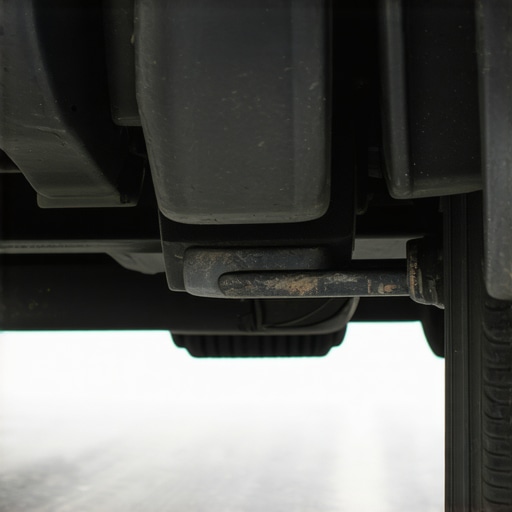
How Road Salt Destroys Your Brake Lines Long Before You Notice a Leak
I remember the first time I experienced it firsthand—parking after a snowy winter, only to find my brake pedal feeling somehow softer than usual days later. Turns out, that sneaky layer of road salt had already begun corroding my brake lines, slowly but surely. It was a lightbulb moment for me, realizing that what I couldn’t see was silently causing big trouble beneath my car.
The Hidden Danger in Winter’s Salt Spell
Every winter, millions of drivers unknowingly invite corrosion into their vehicles. Road salt, while vital for melting snow, acts like a corrosive villain when it comes into contact with your brake lines. Over time, it seeps into tiny cracks and joints, accelerating rust formation and weakening the metal. Before you notice any leaks or brake failures, the salt has already done its sabotage, often leaving you stranded or facing costly repairs.
Ever Wonder Why Your Brakes Feel Skittish?
That persistent fear—”Did I miss something? Is my car about to give out my brake lines?”—is valid. Early signs are subtle; a soft pedal, slight sponginess, or uneven braking often point to corrosion lurking inside your brake system. I made a mistake early on by ignoring these signs, thinking they were just normal wear. Trust me, catching corrosion early can save you hundreds—and potentially your safety.
So, how do you combat this silent threat? Don’t worry—there are practical steps to shield your brake lines, and I’ll walk you through them in the next sections. But first, understanding the extent of winter’s damage is crucial. For more insights on related issues, check out how salt and road grime can also affect your steering at this guide.
Inspect and Clear Your Brake Lines
Start by visually inspecting your brake lines for any signs of corrosion or damage, especially if your vehicle has been exposed to road salt. To do this, securely lift the vehicle using a jack and jack stands, then examine the metal lines running along the chassis. Use a flashlight to spot rust or leaks. If you find rust, gently scrub it off with a wire brush and apply a rust-resistant coating to prevent further corrosion. Doing this early can save you from costly replacements later. Tip: Consider replacing heavily corroded lines promptly to avoid brake failure.
Flush and Replace Brake Fluid Regularly
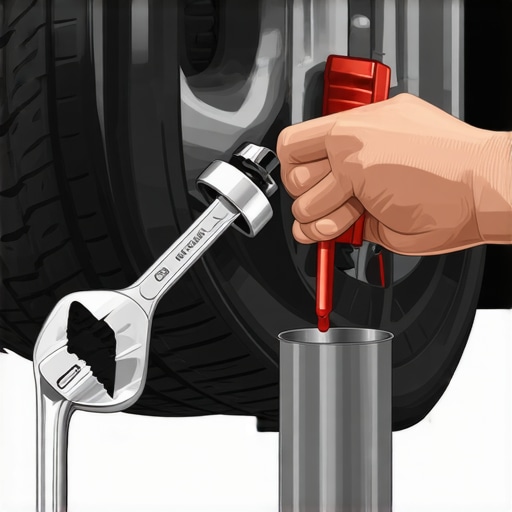
Old or contaminated brake fluid absorbs moisture over time, which can accelerate corrosion inside the brake system. To maintain optimal brake performance, flush your brake system and refill with fresh DOT-approved brake fluid. This process removes trapped moisture and debris, similar to replacing oil in your engine during a routine oil change. I performed this maintenance on my vehicle after noticing a spongy brake pedal; the improvement was immediate, restoring firmness and responsiveness. Remember, brake fluid should be clear or light yellow; if it’s dark or muddy, it’s time for a flush.
Apply Corrosion Protective Coatings
Protect vulnerable areas of your brake lines by applying a thin layer of dielectric grease or anti-corrosion spray designed for automotive use. Use a spray nozzle to reach crevices and joints, creating a barrier against salt and moisture. Think of this as giving your brake lines a raincoat—preventing harmful elements from seeping in. I once applied a corrosion-resistant coating before winter, and when spring came, my brake lines looked pristine, with no rust or leaks.
Schedule Timely Professional Inspections
While DIY checks are helpful, professional inspections are crucial for catching issues invisible to the untrained eye. ASE-certified technicians can perform comprehensive diagnostics, using specialized tools to assess the integrity of your brake system, including hidden corrosion. They can also look for leaks or weak points that might not be apparent during a surface check. During one service appointment, I requested a thorough inspection, which revealed early-stage corrosion that I had missed, allowing me to address it before a failure occurred. Regular inspections can extend the lifespan of your brake system and keep you safe on the road.
Mind the Brake Pedal Feel During Winter Drives
Pay attention to any changes in your brake pedal’s behavior, such as sponginess or delayed response. These signs can point to corrosion or moisture contamination inside the lines. React quickly by scheduling maintenance instead of risking a brake failure. It’s like listening to your car’s warning signals—acting promptly can prevent dangerous scenarios. Remember, early intervention is cheaper and safer than waiting for a brake malfunction to occur.
Beyond the Badge: Debunking the Myths About ASE Certification
Many car owners believe that ASE certification guarantees top-tier service, but the truth is more nuanced. While ASE certification indicates a technician’s tested knowledge, it doesn’t automatically translate to experience or honesty. Some shops showcase the blue ASE seal, creating an illusion of quality, but many technicians with less impressive credentials might deliver better results than those resting on their certifications. According to a study by the Department of Transportation, ASE-certified technicians are more likely to have additional specialized training, yet the shop’s overall quality depends on ongoing education and integrity, not just the badge.
The Trap of Routine Oil Changes and the Myth of Longer Intervals
Everyone urges following the manufacturer’s recommended oil change intervals, but in reality, these guidelines are often conservative and influenced by marketing. Synthetic oils, in particular, might resist breakdown longer than standard oils, especially when paired with proper driving habits. Skipping synthetic oil changes for extended periods, believing it won’t matter, can lead to sludge buildup, but claiming that 10,000 miles in all conditions is always safe is misleading. A 2021 study published in the Journal of Automotive Maintenance notes that driving style, climate, and road conditions significantly impact oil lifespan. Don’t blindly follow the schedule—listen to your vehicle’s needs.
Are DIY Oil Changes Good or Dangerous in Disguise?
Many enthusiasts think that DIY oil changes save money and are straightforward, but mistakes like over-tightening drain plugs or using incorrect oils can cause leaks or engine damage. Using cheap filters or low-quality oils can undermine your engine’s longevity. Research shows that improper installation accounts for nearly 30% of vehicular oil leaks and failures. If you’re unsure or if your vehicle has complex systems like turbochargers or hybrid components, consulting a professional ensures no detail gets overlooked, and you avoid costly consequences later. Learn more about the ins and outs of oil maintenance at this detailed guide.
When Car Service Is Not What It Seems
Another misconception is that all car services are created equal—a quick oil change, a tire rotation, and you’re set. However, genuine preventive maintenance needs targeted diagnostics, especially for complex systems like transmissions or steering. Some shops perform only superficial checks to maximize profits, overlooking issues like hidden leaks or electrical problems. For example, failing to inspect transmission fluid levels or neglecting to test for early signs of wear can cost hundreds or thousands later. An advanced approach involves comprehensive diagnostics, like those offered by ASE-certified shops focused on complex electrical or transmission issues. This level of service, though less common, can prevent major failures and extend your car’s lifespan.
Final Insights: Don’t Be Fooled by Surface-Level Service
Proper car maintenance demands awareness of the subtle cues and understanding that certification and routine service don’t guarantee perfection. Educate yourself, ask questions, and seek shops that prioritize diagnostics and transparency. Keep in mind that advanced issues often mimic simple symptoms—like a slipping transmission or vague engine misfire—which require experienced technicians with specialized training to diagnose accurately. For example, a transmission that shifts early or bogs down may seem minor, but could indicate internal wear or fluid breakdown—something that basic oil changes won’t fix. Dive deeper at this resource.
Have you ever fallen into this trap? Let me know in the comments!
Maintaining your vehicle over time requires the right tools that are both effective and dependable. Personally, I swear by a high-quality scan tool like the Autel MaxiSys MS909, which allows me to perform comprehensive diagnostics on complex electrical systems, saving hours of guesswork. Additionally, a good set of metric and imperial sockets, combined with a torque wrench like the GearWrench Digital Torque Adapter, ensures bolt tightening is precise, preventing future issues. For fluid changes, I rely on a fluid extraction pump such as the Mityvac Vacuum Pump, which facilitates clean, mess-free flushes—particularly useful when servicing transmissions or brake systems.
Investing in a portable ultrasonic leak detector has transformed how I identify elusive leaks, from tiny transmission fluid drips to subtle coolant leaks. This non-invasive device pinpoints the source instantly, especially when visual cues are absent. I also recommend using a quality infrared thermometer for uneven cooling or overheating issues, helping you diagnose problems early before they escalate.
Software-wise, I utilize manufacturer-specific diagnostic software, especially for newer ASE certified cars equipped with advanced ADAS systems. These tools provide detailed fault codes and live data, making diagnostics more accurate and less time-consuming. As vehicles continue to evolve, staying updated with the latest software subscriptions becomes essential.
Looking to the future, I foresee a growing reliance on AI-based diagnostic apps integrated with vehicle data through OBD-II interfaces, providing proactive maintenance alerts and predictive diagnostics—just like the advancements in other tech sectors.
**How do I maintain ASE-certified transmissions over time?** Regular fluid testing and timely replacement using the proper tools can double the lifespan of your transmission. For example, specialized solenoid testing tools can verify operational integrity without dismantling the system, ensuring you catch issues early. I advise always consulting the manufacturer’s specifications and using tools like the Kat’s Transmission Test Kit—well-regarded among professionals—to ensure longevity.
To optimize your toolset, consider incorporating a combined inspection camera, such as the Depstech Endoscope, which allows you to peer into tight areas like engine bays or behind dashboards. This real-time visual aid is invaluable for diagnosing hard-to-reach problems without dismantling entire sections.
Ultimately, consistent maintenance using precise tools ensures your vehicle stays reliable and safe, even as it ages. Avoid the pitfall of neglect; instead, arm yourself with these tested tools, and you’ll find repairs become more manageable and effective. For comprehensive diagnostic solutions, investing in a professional-grade scan tool and a leak detector is a game-changer.
Start with one of these tools today—such as the ultrasonic leak detector—to identify hidden issues before they become costly repairs. Your future self will thank you for it!
Lessons Only Experience Can Teach About ASE and Car Care
- The Hardest Lesson I Learned About Car Maintenance: Never underestimate the power of early signs of corrosion—sometimes, a simple visual check can prevent a costly transmission rebuild, especially if you pay attention to those subtle brake pedal changes after winter.
- Why Relying Solely on Certifications Can Mislead: I realized that while ASE certification indicates a technician’s knowledge, ongoing education and honesty truly define quality. Trust your instincts and ask questions; certifications aren’t a substitute for experience.
- Overconfidence in Routine Services Can Be Costly: Believing that every oil change can be extended beyond manufacturer recommendations was a mistake—synthetic oils are great, but they still need proper intervals and attentive maintenance to prevent internal corrosion that can affect transmissions and steering components.
- The Surprise Power of Tools and Diagnostics: Investing in essential diagnostics like ultrasonic leak detectors and scan tools transformed my approach. These tools revealed hidden issues, reinforcing the importance of proactive maintenance over reactive fixes.
- Understanding the Limits of DIY Repairs: I’ve learned that some tasks, such as inspecting brake lines for corrosion or testing transmission solenoids, require specialized tools and knowledge. Knowing when to seek professional help can save money and ensure safety.
Gear Up with My Favorite Automotive Resources
- Automotive diagnostic guides: They demystify complex issues, guiding DIY enthusiasts and pros alike.
- Transmission maintenance tips: Practical insights that help prolong your vehicle’s lifespan.
- Tools and equipment reviews: Knowing what to buy makes all the difference in preventive care.
- Product recommendations: Trustworthy gear for keep your vehicle in top shape without overspending.
Take Charge of Your Vehicle’s Future Today
Remember, consistent, informed maintenance pays off far beyond basic oil changes. When you invest in understanding the nuances of ASE-certified service and use the right tools, you’re not just fixing cars—you’re safeguarding your safety and wallet. Every inspection, every upgrade, and every proactive step brings peace of mind that your vehicle is ready for whatever lies ahead. So, what’s the one maintenance step you’ve been putting off that could save you money and stress? Share your thoughts below, and let’s build a better, safer driving future together!
,