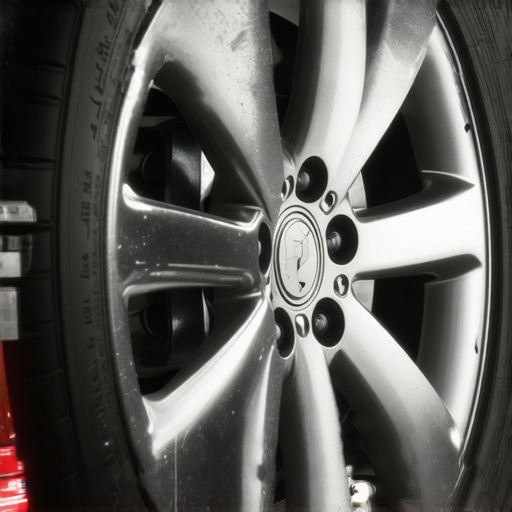
How to Diagnose a Bad Wheel Bearing Before It Locks Up
Ever been cruising down the highway when suddenly, a strange humming turns into a loud screech? That unmistakable sound of a failing wheel bearing. I remember the first time I experienced it—my heart sank, fearing an emergency on the side of the road. It was a lightbulb moment that prompted me to dig deeper into how to spot these quiet killers before they cause real trouble.
Why catching a bad wheel bearing early can save you from costly repairs
A faulty wheel bearing might seem minor until it isn’t. Left unchecked, it can seize up completely, leading to dangerous situations like wheel lock-up or even losing a wheel while driving. It’s not just about avoiding a breakdown; it’s about safety and saving money. Repairs for a bad wheel bearing can run into hundreds of dollars if you wait too long. Plus, the damage to your hub or axle can extend the cost and complexity of repairs.
Don’t Let Skepticism Block Your Peace of Mind
I used to think that odd noises or slight vibrations were just normal wear and tear. My early mistake—only replacing the wheel when it actually seized—was costly and risky. Learning to diagnose the warning signs made a world of difference. Remember, it’s better to be proactive than reactive, especially with critical components like wheel bearings.
Did I ever tell you that according to the U.S. Department of Transportation, vehicle maintenance can reduce crash risk by up to 50%? Knowing how to identify issues early keeps you safer and extends your vehicle’s lifespan. So, if you’ve noticed uneven tire wear, a humming noise while driving, or a feeling of looseness in the steering, those are signs it’s time to check your wheel bearings.
In the next sections, I’ll walk you through the practical steps to diagnose a bad wheel bearing yourself, so you can avoid sudden lock-ups and keep your car running smoothly. After all, a little knowledge goes a long way in maintaining your vehicle’s health and your peace of mind.
Jolt Into Action: Gather Your Tools and Find a Safe Spot
Before you begin, ensure your vehicle is parked on a level surface and your parking brake is engaged. You’ll need a jack, jack stands, a lug wrench, a pry bar or screwdriver, and a flashlight. I once tried to diagnose my car on a hill, which made the process unstable and risky—learning the importance of a safe space is key. Confirm that your wheels are cool to prevent burns and injury.
Start with Visual Inspection
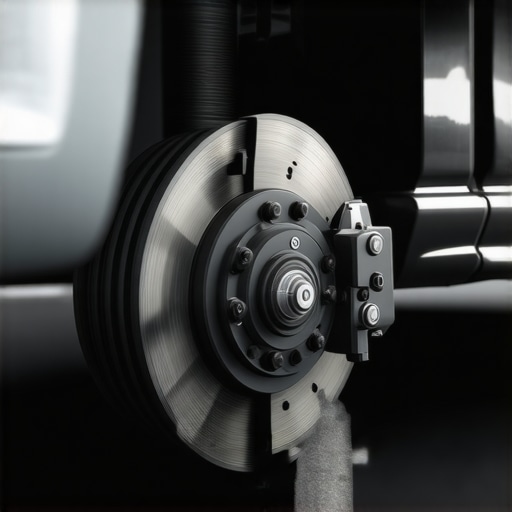
Lift the vehicle using the jack and secure it with jack stands. Remove the wheel with the lug wrench. Check for obvious damage like missing or broken part of the bearing, or signs of corrosion. If the hub area shows excessive rust or debris, it might be contributing to bearing wear. Applying a clean cloth to wipe away dirt helps reveal issues that aren’t immediately visible. Remember, a thorough visual check saves time in later steps. While you’re at it, inspect the brake rotor and caliper to rule out other causes of noise or vibrations.
Listen and Feel for Symptoms
Check for Play in the Wheel
Hold the wheel at the top and bottom, then try to wiggle it horizontally. If there’s noticeable play, it indicates a loose or failing bearing. I once found a slight looseness in my front wheel after a test drive, which led me to the next step—the road test. This is a clear sign your bearing might need replacing, but be cautious—driving with a bad bearing can be dangerous. If you’re unsure, consulting an ASE certified technician can save you from risking safety or causing further damage.
Test Drive to Confirm
With the wheel reinstalled, take the vehicle for a controlled drive. Listen for humming, growling, or screeching noises and feel for any vibrations or looseness in steering. Note if the noise increases with speed or during turns. During my first try, I noticed a subtle humming sound that intensified when I cornered—this was my breakthrough clue.
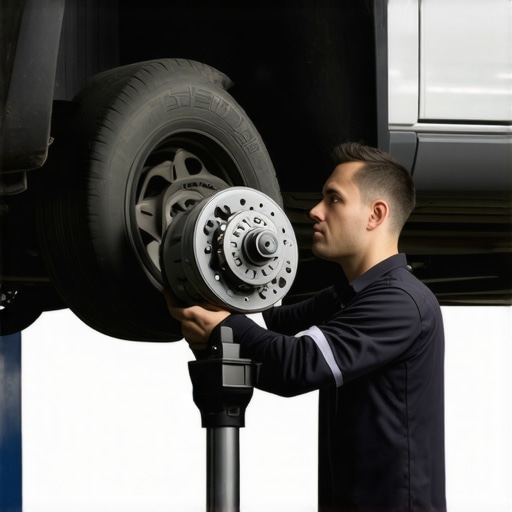
Perform a Spin Test for Additional Clues
Jack up the vehicle and spin the wheel by hand. If the wheel is smooth and turns freely without resistance or noise, the bearing may be okay. However, if you feel roughness, grinding, or hear noise, it’s a red flag. Remember, this step is more about confirming suspicions. As I carefully spun my wheel, I noticed it didn’t rotate smoothly, confirming my earlier findings.
Decide When to Call in Reinforcements
If your tests suggest a bad bearing, it’s wise to consult an ASE certified technician for confirmation. They have specialized tools like a dial indicator and can perform precise measurements. Recognize that DIY diagnosis is useful, but professional inspections ensure safety and durability. I once took my car for professional diagnosis after initial checks and learned I was on the right track—saving me from unnecessary repairs.
Remember, catching these signs early can prevent costly repairs and keep your vehicle safe. Regular maintenance, including inspecting wheel bearings, is part of an ASE-certified mechanic’s advice. For additional insights on car maintenance, check why regular oil changes extend your vehicle’s lifespan.
Many car owners believe that hearing the term ASE-certified automatically guarantees top-notch service, but in reality, there’s more to it than a simple badge. While ASE certification signifies a technician has passed certain tests and gained experience, it doesn’t always mean they have the specialization necessary for complex issues like transmission repairs or nuanced engine diagnostics. This misconception can lead owners to overlook the importance of choosing the right specialist for their specific needs.
On the topic of oil changes, the common myth that every oil is created equal persists. However, as outlined in this article, the quality of oil, the type (synthetic vs. conventional), and the interval of changes significantly impact engine longevity. Many assume a quick, cheap oil change suffices, but neglecting the nuances can lead to increased engine wear or even premature failure.
Are Cheap Services Always Cost-Effective? The Hidden Risks
Frequent maintenance mistakes involve opting for low-cost, inexperienced technicians who might cut corners, especially during car service. For example, skipping essential diagnostics or using subpar parts can cause problems that seem minor at first but develop into costly repairs. I’ve seen how neglecting detailed inspections, particularly of critical components like sensors or fluid levels, only prolongs the inevitable failure, often ruining what could have been a straightforward repair. This underlines the importance of choosing reputable service providers—sometimes paying a bit more upfront guarantees long-term savings and safety.
One advanced aspect often misunderstood involves the precise maintenance of transmission systems. Unlike the common belief that transmission issues only manifest during shifting, subtle symptoms like slight slipping or unusual noises hint at underlying problems. Regular transmission fluid analysis can detect early signs of wear or contamination, preventing complete failure. Remember, proper transmission care isn’t just about fluid changes; it’s about understanding the nuances that technicians with extensive experience can identify before a breakdown.
What Do Most People Fail to Recognize About Routine Maintenance?
While many focus on major repairs, they often overlook that routine check-ups—like inspecting belt tensions, coolant levels, or brake fluid conditions—play a pivotal role in preventing emergencies. Overlooking these basics, assuming they are insignificant, can cause small issues to escalate. For instance, ignoring the significance of power steering fluid levels or not recognizing early signs of brake rotor wear can be dangerous. Mastering these subtle nuances separates a good mechanic from a great one and keeps your vehicle reliable for years.
In conclusion, while certifications, routine intervals, and quick fixes matter, digging beneath the surface reveals critical nuances that define true automotive care. Don’t fall into the trap of complacency or misinformation—empower yourself with knowledge, or consult experts who understand the intricacies involved. Have you ever fallen into this trap? Let me know in the comments.
Maintaining your car’s optimal performance over the long haul requires more than just routine oil changes; it demands the right tools, a good understanding of their applications, and a proactive approach to diagnostics. One of my favorite pieces of equipment is a high-quality OBD-II scanner, like the BlueDriver, which provides real-time data and code interpretation directly from the vehicle’s ECU. I personally prefer this device because it connects via Bluetooth to my smartphone, enabling quick diagnostics without the need for bulky equipment, and it also offers repair reports that help me understand the complexity of issues like transmission trouble (see [transmission diagnostics](https://autofixclinic.com/transmission-troubles-expert-insights-for-smooth-shifting)).
Another critical tool I rely on is a digital multimeter. It’s indispensable when checking battery health, alternator output, or sensor electrical signals. Investing in a multimeter with auto-ranging capabilities saves time and minimizes errors, especially when testing delicate circuits. For example, diagnosing a flaky sensor can be as simple as measuring voltage output, which, with a reliable multimeter, becomes a straightforward task.
Regularly inspecting fluid levels and condition is essential—yet, a visual test isn’t enough. I use a refractometer to assess oil quality, which can reveal contaminants or breakdown before the light indicators come on. Synthetic oil tends to last longer, but knowing the precise condition helps decide if a change is necessary sooner than scheduled. Remember, tools like these extend your diagnostic accuracy and safety, potentially saving you hundreds of dollars in the long run.
When it comes to maintaining transmission health specifically, I’ve found that a no-drain transmission fluid tester is invaluable. It allows me to analyze the fluid’s condition between services, ensuring early detection of contamination or wear—before it leads to costly repairs. This proactive maintenance aligns with the advice found in professional automotive literature, emphasizing the significance of transmission fluid quality in longevity and smooth shifting (see [transmission fluid analysis](https://autofixclinic.com/why-your-transmission-fluid-looks-like-strawberry-milkshake-2)).
How do I keep my tools and methods effective over time?
Regular calibration of diagnostic equipment and staying updated with the latest OEM specifications is essential. Manufacturers often update their systems, requiring the use of specialized software or adapters. For instance, ASE certification underscores that a technician understands these nuances and adapts methodologies accordingly—a point detailed in [what ASE certification means for your car’s maintenance](https://autofixclinic.com/what-does-an-ase-certification-mean-for-your-cars-maintenance).
Looking ahead, I predict that diagnostic technology will become increasingly integrated with AI-driven diagnostics, offering even faster and more accurate assessments. To stay ahead, I recommend trying out advanced tools like bi-directional scan tools that can activate components directly—useful for testing features such as ABS or transmission solenoids without disassembly. The investment in these tools might seem steep initially, but they pay off by reducing diagnostic time and improving repair accuracy, ultimately enhancing vehicle longevity.
Remember, maintaining your vehicle’s health is about consistency and investing in the right equipment. Try incorporating a few of these tools into your routine, and you’ll be surprised at how much more confident you feel diagnosing issues early. For a comprehensive start, begin with a reliable OBD-II scanner and expand your toolkit as you learn. Want recommendations on specific models? Reach out through [our contact page](https://autofixclinic.com/contact-us), and I’ll help you select the best gear tailored to your needs.
What I Wish I Knew Before Trusting Quick Fixes
One of my biggest realizations was that rushing into low-cost repairs often cost me more in the long run. I used to believe that if a problem wasn’t screaming for attention, I could hold off, but minor issues like uneven tire wear or subtle vibrations can be early signs of more serious concerns—like a failing wheel bearing. Waiting too long taught me that investing in proper diagnostics and trusting ASE-certified professionals can save both money and peace of mind.
Tools That Changed How I Maintain My Ride
My shift to using an OBD-II scanner, like BlueDriver, revolutionized my approach to vehicle care. It provided real-time insights directly from my smartphone, helping me catch issues proactively. Pairing that with a good digital multimeter allowed me to assess sensors and electrical systems accurately. Over time, integrating these tools deepened my understanding of my car’s health and highlighted the importance of ongoing education. Trusted sources like this article have guided me on essential maintenance practices.
The Power of Consistent Action and Genuine Care
Beyond tools and diagnostics, what truly transformed my outlook was adopting a mindset of regular check-ins and early interventions. Understanding that a minor humming noise or a slight steering pull could escalate emphasizes the value in routine inspections. Watching my vehicle run smoothly and confidently, thanks to continuous attention, motivates me to stay proactive. If you’re serious about vehicle longevity, making ASE-certified diagnostics and maintenance a habit isn’t just advisable—it’s empowering.
How to Keep Your Car Running Like a Friend
Your vehicle is more than just transportation; it’s an investment in your safety and independence. Taking small steps today—like upgrading to smart diagnostic tools, scheduling regular transmission fluid analyses, and choosing dedicated ASE-certified shops—can extend your car’s lifespan and improve performance. Remember, the little routines add up, turning maintenance from a chore into a routine you genuinely value. Start today, and your future self will thank you.
What’s the first small step you’ll take toward better vehicle care? Share your plan below—I’d love to hear how you’re making your car last longer and run smoother!