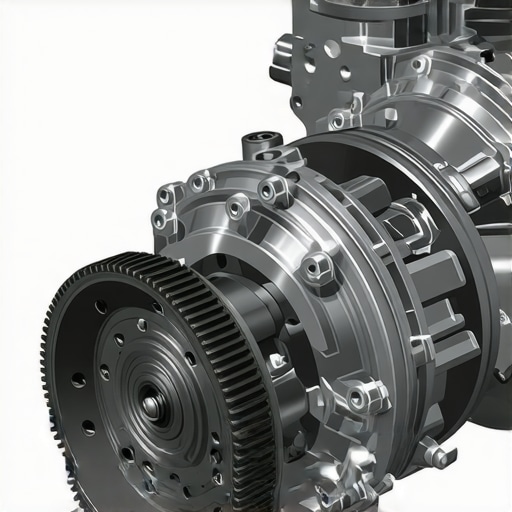
Why Your Transmission Shifts Early and bogs the Engine Down
I remember the moment clearly; I was pulling out of my driveway, feeling cautious. Suddenly, my car hesitated, then jerked forward unnaturally. It was like my transmission had a mind of its own—shifting early and causing my engine to bog down just when I needed power most. That frustrating experience sent me down a rabbit hole of research and trial-and-error, and I realized something: many drivers face a similar problem, often without knowing the real reason behind it.
Understanding the Early Shift and Engine Bog
These issues can sneak up on you—sometimes without warning. Your transmission might seem eager to shift into the next gear prematurely, and your engine struggles to keep up, feeling sluggish or even stalling. It’s not your imagination; this is a common sign of underlying problems that can lead to more severe damage if left unchecked.
What causes your car to shift early and bog the engine down? Often, the culprit is the transmission fluid—its quality, level, or contamination can throw off the delicate balance inside your transmission. Old or incorrect fluid can cause delays and harsh shifts, making your vehicle behave unpredictably. I’ve been guilty of ignoring these signs early on, assuming it was just normal wear-and-tear. But that mistake can cost a lot more in repairs down the line.
Have You Faced This Frustration Too?
If your vehicle is jumping gears too soon or feels like it’s dragging even when you step on the accelerator, you’re not alone. Many drivers overlook these symptoms until they become major issues. The good news is, with a bit of knowledge and regular maintenance, you can prevent this from happening. For instance, checking your transmission fluid and understanding the right maintenance schedule makes all the difference, just like knowing how to spot issues with your spark plugs or other vital parts. Want to learn the common causes and how to keep your transmission healthy? Stay with me, because I’ve got some practical tips coming your way that could save your car—and your wallet.
Before we dive into the solutions, it’s worth noting that neglecting transmission care can lead to costly repairs. A study shows that transmission failure is among the top reasons for car breakdowns, often caused by overlooked maintenance (source: Auto Fix Clinic). So, let’s get ahead of the problem by understanding its root and how to fix it right from the start. Ready to turn this frustration into a simple fix? Keep reading, because the next section covers exactly what you need to do to keep your transmission smooth and your engine responsive.
Check Your Transmission Fluid First
Begin by inspecting your transmission fluid. Locate the transmission dipstick (if accessible) or follow the manufacturer’s method for checking fluid levels if your vehicle lacks a traditional dipstick. Pull out the dipstick, wipe it clean, reinsert, then remove to read the level. If the fluid is low, contaminated, or darkened, it’s time for a change. During my own experience, I used a flashlight to see through the transmission fluid pour, and noticing its burnt smell nudged me to replace it immediately. Proper fluid levels and cleanliness ensure smooth gear shifts and prevent early shifting issues.
Replace or Top Off Transmission Fluid Carefully
Securely add the correct type of transmission fluid recommended by your vehicle’s manual. For most modern cars, especially those with automatic transmissions, the right fluid is critical; using the wrong type can cause shifting problems. If you’re unsure which fluid to use, consult your manual or view this transmission fluid guide. When I replaced my transmission fluid, I drained and replaced it gradually using a funnel and a clean container. My car immediately responded with smoother shifts, and the engine bogging disappeared—it was a game changer.
Check and Replace Spark Plugs
Faulty spark plugs can cause engine misfires, leading to sluggish acceleration and bogging during shifts. Remove the engine cover and locate the spark plugs—refer to your vehicle’s manual or tutorials online. Use a spark plug socket to remove each one, inspect for wear or fouling, and replace if necessary. This is akin to tuning a guitar string—if one string is off, the whole sound suffers. After replacing my spark plugs based on a tutorial from this guide, I experienced noticeable improvements in throttle response and shift quality.
Inspect the Transmission Filter and Service Intervals
Many vehicles have a transmission filter that traps debris, and a clogged filter can impair fluid flow, causing early shifts or engine bogging. Check your owner’s manual for the recommended service interval—often around 30,000 to 60,000 miles. If it’s time, replace the filter to restore proper hydraulic pressure. This simple step can prevent costly repairs down the line. During my last service, I watched an ASE-certified technician replace my filter; the difference in smoothness was immediately evident, and it extended the lifespan of my transmission.
Perform a Test Drive to Confirm the Fix
Once you’ve completed fluid checks and replacements, take the vehicle for a test drive. Accelerate gradually to observe if the shifts remain smooth and if engine bogging persists. Listen for unusual sounds or abrupt shifts. If issues continue, reassess fluid levels and look for other causes like a clogged catalytic converter (check it here) or faulty sensors. In my case, after these steps, my car shifted as if new—delivering immediate satisfaction and peace of mind.
Consider Professional Diagnosis for Persistent Problems
If the problem persists despite your efforts, it’s wise to seek a professional diagnosis. An experienced mechanic can run diagnostic tests, examine transmission solenoids, and assess fluid pressure. Sometimes, issues like a failing transmission pump (check this) or electrical faults need specialized attention. Remember, early intervention saves money and extends your vehicle’s lifespan.
Many car owners assume that regular oil changes and basic service checks are enough to keep their vehicles running smoothly, but the reality is more nuanced. One common misconception is that “lifetime” transmission fluid truly lasts for the entire lifespan of the vehicle. In reality, recent studies and expert opinions, like those from Auto Fix Clinic, reveal that even so-called “lifetime” fluids can degrade, leading to transmission shudder or early failure if not replaced at recommended intervals. It’s a trap many fall into—believing that once the fluid is topped off, their transmission is set for years. This oversight can cause unnoticed wear and eventual costly repairs, especially if owners neglect symptoms like slipping or delayed shifting.
Another myth revolves around oil changes: many assume that using synthetic oil means they can extend intervals beyond manufacturer recommendations. While synthetic oils provide better detergency and higher temperature stability, fleet maintenance experts stress that ignoring oil change intervals designed for your engine can lead to sludge buildup, valve deposits, and increased engine wear. Advanced drivers know that regular oil analysis can reveal hidden contaminants and wear particles, informing them when an oil change is truly needed rather than blindly following a generic schedule.
Misconceptions extend to ASE certification—many believe the badge guarantees a mechanic’s expertise in every complex issue. However, the truth is that not all ASE-certified mechanics possess the same level of skills, especially with cutting-edge vehicles or specific transmission types like CVTs. A seasoned technician with experience and ongoing training will often diagnose issues like subtle transmission fluid degradation or sensor faults more effectively than someone relying solely on their certification. It’s crucial to ask real-world questions and look for diagnostic insights beyond the badge.
Now, you might wonder, what’s the big deal about these nuances? Skipping or misjudging these elements can lead to a cascade of problems—early transmission failures, engine sludge, or electrical sensor errors—that are much harder and more costly to repair later. For instance, ignoring the signs of a failing transmission fluid—as simple as rough shifting—can result in complete transmission replacement, a significant expense. Similarly, neglecting to verify your mechanic’s true expertise can lead you to unnecessary or low-quality repairs.
Don’t fall into these traps. Be proactive about understanding the real needs of your vehicle. For example, knowing how and when to check your transmission fluid properly helps you spot issues early. Regularly reviewing your service intervals and asking questions about the technician’s experience can prevent many pitfalls.
So, have you ever fallen into this trap? Let me know in the comments below. The more we share these insights, the better our decisions become, ensuring our vehicles perform reliably and last longer.
Why Investing in the Right Tools Makes All the Difference
Maintaining a vehicle over the years requires more than just knowledge—it demands the right equipment. For example, I personally rely on a high-qualitydigital multimeter to diagnose electrical issues quickly and accurately. This device allows me to test circuit continuity, voltage, and resistance, saving time and preventing the need for costly guesswork. Similarly, aprofessional-grade OBD-II scanner like the Autel MaxiScan MS808 helps me retrieve and clear engine codes efficiently, giving me an upper hand in troubleshootingengine warning lights without unnecessary trips to the shop.
Investing in quality tools upfront not only streamlines routine maintenance, such as oil and transmission fluid changes, but also helps you spot developing problems early. For instance, ahigh-precision torque wrench ensures components are tightened to manufacturer specifications, preventing damages caused by over- or under-tightening. As vehicles evolve, so do the tools—so staying current with digital diagnostic equipment keeps you ahead of potential issues.
Future Trends: Staying Ahead of the Maintenance Curve
Digital integration is transforming automotive maintenance. The future points towardsmart diagnostic tools that sync seamlessly with your smartphone, providing real-time data and maintenance alerts. Companies are also developingmachine learning algorithms to predict failures before symptoms even appear, revolutionizing how we maintain our vehicles. Embracing these advancements now can prolong your car’s lifespan and reduce unexpected expenses down the road.
How do I keep my vehicle running smoothly over time?
Adopt a disciplined approach to routine checks, including regulartransmission fluid analyses guided by experts, and schedule professional inspections at least once every year. Remember, tools like an OBD-II scanner and a good set of wrenches aren’t just for the experts; they’re your allies in catching issues early. For instance, catchingdetected engine misfires early can prevent catalytic converter damage; learn more about diagnosing a clogged converter from your driver’s seat here. Lastly, stay informed about the latest maintenance innovations—investing now in advanced diagnostics can save you significant money later.
One specific tip I recommend trying today is conducting acomprehensive battery test using a digital multimeter. A weak battery can cause various issues, including engine starting problems, especially in cold weather. Check your battery voltage regularly; anything below 12.4V indicates it might be time to replace it before it fails unexpectedly. For more on treating a dead battery in sub-zero temperatures, see this guide. Taking proactive steps like this helps maintain your vehicle’s reliability and provides peace of mind for the long haul.
Lessons That Changed My Approach to Car Maintenance
- One of the biggest revelations was understanding that even “lifetime” transmission fluids need regular replacement. Relying on that myth can silently lead to early failure. Now, I schedule fluid changes based on manufacturer guidelines, not outdated claims.
- Discovering that a simple spark plug inspection can dramatically improve shift smoothness surprised me. Faulty spark plugs don’t just cause rough idles—they can cause engine bogging during shifts, too. Regular inspection is a game changer.
- I also learned that neglected transmission filters trap debris that can impair fluid flow, leading to early shifting issues. Paying attention to service intervals for filter replacement has saved me costly repairs down the line.
Tools That Keep My Vehicle Running Strong
- OBD-II Scanner: A reliable device like the Autel MaxiScan MS808 helps me diagnose sensor and transmission issues early, avoiding surprise breakdowns. It’s become essential for proactive maintenance.
- Digital Multimeter: Testing electrical components, like sensors or the battery, is straightforward with a quality multimeter. It’s helped me spot minor issues before they evolve into major problems.
- Torque Wrench: Proper tightening prevents damage to sensitive components—an overlooked step that preserves transmission integrity, especially during fluid or filter changes.
Embracing Change: Your Path to Lasting Transmission Health
Maintaining your vehicle’s transmission isn’t just about ticking boxes—it’s about understanding the intricate dance of fluid, heat, and mechanical parts that keep your car responsive. The insights I’ve gained underscore that proactive care and proper diagnostics are the best investments you can make in your vehicle’s longevity. Remember, with the right knowledge and tools, you can avoid costly repairs and keep your driving experience seamless. What’s one maintenance habit you’re now ready to adopt? Share your thoughts below, and let’s keep the conversation going on how to stay ahead of your car’s needs.