The Reason Your Car Smells Like Rotten Eggs After a Highway Drive
There was a moment not long ago when I pulled onto the highway, feeling good about a weekend getaway with my family. Suddenly, I was hit by a sharp, foul smell—like rotten eggs—filling the cabin. I immediately rolled down the windows, worried I might have a serious engine problem. That lightbulb moment made me realize how often we overlook small, warning signs in our cars until they become big headaches.
Many drivers experience this noxious odor and dismiss it as a fleeting issue or forget it entirely. But trust me, this smell isn’t just unpleasant—it can point to underlying issues worth addressing before they escalate. Today, I’m here to walk you through the reasons behind that sulfur-like odor after highway driving and how you can diagnose and fix it yourself, saving time and money.
What Causes That Rotten Egg Smell After a Long Drive?
Let’s start with the simple answer: the smell often originates from the catalytic converter, a vital component in reducing harmful emissions. When it struggles or becomes clogged, it can produce hydrogen sulfide—yep, the same compound that gives rotten eggs their smell. During highway driving, your engine runs at sustained high RPMs, which can cause the converter to heat up and sometimes emit this sulfurous odor if there’s a problem. Moreover, oil leaks or fuel additives can also contribute to the smell, especially if your engine’s running rich or burning oil.
Personally, I initially thought it was a minor issue, maybe a bad smell from the exhaust. But I learned that ignoring it could lead to engine damage or increased emissions. An early mistake I made was dismissing the odor as a normal part of driving, which delayed a proper diagnosis. It’s better to trust your senses—those warning signs are there for a reason.
Can This Be Just a Simple Fix?
Sometimes, a quick tune-up or replacing the catalytic converter can resolve the issue. But other times, it might involve addressing oil leaks or fuel system problems. For a deeper dive into specific causes and solutions, check out this comprehensive guide on common exhaust system issues and their remedies. Recognizing these signs early can prevent costly repairs and keep your vehicle running smoothly.
Have you ever experienced that foul smell after a long drive? If so, you’re not alone, and there’s a lot you can do to fix it. Let’s get started on understanding the root causes and tackling them head-on—your nose (and wallet) will thank you.
Check Your Catalytic Converter First
Start by examining your catalytic converter, since it’s often the culprit. Safely lift your vehicle with a jack, using jack stands for stability. Look for signs of clogging or damage—discoloration, melting, or a sulfur smell around the area. If you notice it’s clogged or malfunctioning, replacing it can resolve the odor and improve exhaust flow. I once replaced mine myself after a messy, greasy day in the driveway, and the smell vanished, restoring my confidence in a weekend of road trips.
Inspect Engine Oil and Fuel System
Next, check for oil leaks or burning oil, as oils contaminated with sulfur compounds can create bad odors during highway driving. Use a clean rag to wipe your oil cap and dipstick; if the oil appears dark and thick quickly, consider an oil change. For fuel system issues, scan for bad fuel injectors or leaks; a rich fuel mixture can produce sulfur smells. Remember, a proper oil change using the right synthetic oil ensures your engine runs clean and suppresses bad odors.
Use the Right Oil for Long-Term Health
If you’re running conventional oil and noticing black, thick oil at each change, it might be time to switch to full synthetic, which resists breakdown during high temps. Fleet managers are switching to full synthetic cycles because they last longer and provide better protection. When you upgrade your oil, you maintain smoother operation, reduce emissions, and keep bad smells away.
Examine the Exhaust System
Beyond the catalytic converter, check your exhaust pipes and muffler for leaks or rust. A crack or hole allows exhaust gases to escape prematurely, releasing sulfurous compounds directly into the cabin. Use a flashlight and listen for leaks—if detected, replacing or repairing the exhaust section will help eliminate the smell. I personally used a polymer sealant on minor cracks, which temporarily fixed leaks before a proper replacement.
Review Your Driving Habits and Maintenance Schedule
Highway driving at sustained high RPMs puts stress on components like the catalytic converter. Regular maintenance—changing filters, inspecting sensors, and performing tune-ups—keeps the entire system functioning optimally. For example, proper brake line flushing helps prevent residual gases from leaking into the cabin. Staying proactive reduces the chance of nasty odors and costly repairs later on.
Consult a Professional For Persistent Odors
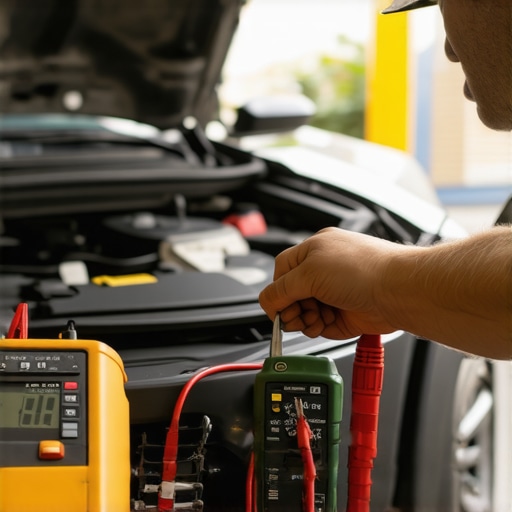
If after these steps the smell remains, it’s best to see an ASE-certified mechanic. They can perform diagnostics like OBD2 scans, inspecting sensor data, and checking exhaust backpressure—tools that pinpoint hidden issues. Remember, lingering sulfur smells can also indicate problems like a failing oxygen sensor or transmission leaks, which require specialized attention. By addressing these early, you prevent potential damage and keep your vehicle running smoothly for miles to come.
Many car owners believe that sticking to the manufacturer-recommended oil change interval is the only critical factor for engine health. However, this oversimplification can lead to overlooked nuances that significantly impact vehicle longevity. For instance, while conventional wisdom suggests that regular oil changes prevent engine wear, the type of oil and the quality of the filter play equally vital roles—particularly as fleet managers are increasingly switching to full synthetic oil cycles, which offer superior protection and longer service intervals. This trend contradicts the common myth that synthetic oil is merely a luxury, emphasizing instead its cost-efficiency over time, especially in high-mileage or demanding driving conditions.
Many drivers also fall into the trap of believing that all ASE certification ensures uniform quality in car servicing. But in my experience, the certification guarantees a mechanic’s knowledge base, not their honesty or familiarity with your specific vehicle model. It’s crucial to vet your technician’s experience; for example, some mechanics might overlook the importance of precise transmission diagnostics, which can lead to costly repairs down the line. For complex systems like transmissions, understanding that only a handful of symptoms—like difficulty shifting when warm—can stem from multiple issues underscores the importance of detailed diagnostics. Check out this guide to get a better grasp on transmission troubleshooting.
Another common misconception is that regular oil changes and vehicle inspections negate the need for more specialized services. However, advanced mistakes happen when owners ignore subtle signs such as uneven oil color, which, as explained here, can indicate engine combustion issues that require immediate attention. Moreover, neglecting transmission maintenance, especially in modern vehicles with complex gearboxes, can lead to slipping or abnormal noises—symptoms that might be mistaken for normal operation. Regularly scheduled fluid flushes and system diagnostics are often overlooked but essential for optimal performance.
Beware the unauthentic feeling that flushing or changing transmission fluid is an optional maintenance step. In reality, this vital service often extends the life of your gearbox substantially. As discussed in this article, neglecting such preventative measures can lead to catastrophic failure, especially in high-stress driving conditions like highway acceleration. The danger lies in thinking that gear oil lasts forever; in truth, fluid degrades, and its failure to lubricate properly accelerates wear.
Understanding these nuances and avoiding common pitfalls requires a deeper knowledge of your vehicle’s systems. For example, improper transmission service can sometimes be mistaken for simple shift hesitation, leading to more extensive damage. If you’re curious whether your vehicle’s shifting issues are due to fluid degradation or a faulty solenoid, this checklist can guide you.
So, have you ever fallen into this trap of oversimplified maintenance beliefs? Let me know in the comments! Remember, being proactive and informed is the key to getting your car’s health right—don’t wait until small issues become expensive repairs.
Invest in Reliable Diagnostic Equipment
One of my top recommendations for maintaining your vehicle over time is to use a quality OBD2 scanner like the BlueDriver. Unlike generic code readers, BlueDriver offers comprehensive diagnostics, real-time sensors data, and even mechanic-driven repairs. I personally use it to monitor transmission temperatures and identify potential issues before they escalate. With a good scanner, you can detect early signs of trouble, especially in complex systems like transmissions, which often show symptoms such as slipping only under specific conditions. Regular diagnostics can save you hundreds in repairs and keep your car running smoothly for miles.
Select the Right Fluids and Check Them Regularly
Alongside diagnostic tools, maintaining the correct fluids is crucial. I recommend using full synthetic oil, as fleet managers are switching to full synthetic cycles because they last longer and provide better protection. I personally keep an eye on transmission fluid temperature and quality; if it looks dark or strawberry milkshake-like, it’s time for a flush. Remember, improper fluid levels or degraded fluids can cause symptoms like slipping or overheating, especially in hot weather or during long highway drives. A good quality fluid test kit allows you to quantify fluid condition without complex lab analysis.
Implement Routine Mechanical Checks with Specific Methods
Manual inspections become invaluable over time. For example, checking for a leaking or squealing serpentine belt or testing your brake fluid’s condition regularly prevents unexpected failures. I use a simple flashlight and a mirror to check belts for cracks and a refractometer to assess brake fluid moisture content. This proactive approach helps avoid situations where brake lights stay on or your vehicle feels sluggish after an oil change. Implementing these inspections into your regular maintenance schedule ensures potential issues are addressed early, saving you money and inconvenience in the long run.
Predict Future Trends in Car Maintenance
As vehicles become more technologically advanced, the tools we rely on will need to evolve. Expect to see more integration of AI-driven diagnostics and remote monitoring through vehicle telematics. Technologies like adaptive sensors may soon alert you about transmission fluid degradation or transmission overheat risks in real-time, especially during highway driving or extreme weather conditions. Staying ahead with the right tools now prepares you for this shift, making maintenance more precise and less reactive.
How do I keep my car working smoothly for years to come?
Consistent use of advanced diagnostic tools, quality fluids, and routine manual inspections are your best bets. Don’t forget to test your transmission fluid regularly—just as I did after noticing symptoms like slipping when hot—by using simple testing kits or consulting your mechanic. Remember, diagnosing early keeps repairs affordable and prevents breakdowns. For current insights into transmission maintenance, check out this detailed guide. Equip yourself with these strategies, and you’ll ensure your vehicle remains reliable mile after mile.
What I Wish I Knew About Car Maintenance Before It Was Too Late
- One of the hardest lessons I learned was that ignoring subtle signs like a sulfurous smell can lead to costly repairs. Waiting for a complete breakdown isn’t necessary if we pay attention to early warning signs and trust our senses.
- Discovering that full synthetic oil isn’t just a luxury but a smart investment in vehicle longevity changed how I approach regular service. This insight prevented many potential issues, especially in high-mileage or demanding driving conditions.
- Realizing that not all ASE certifications guarantee honesty or expertise reminded me to vet my mechanics carefully. Knowing my vehicle’s specific needs and asking targeted questions can save both time and money.
- Embracing the importance of diagnostics tools like the BlueDriver scanner transformed my maintenance routine. Spotting problems early with real-time data allowed me to prevent minor issues from escalating into major failures.
- Understanding that routine inspections of belts, filters, and exhaust systems aren’t just maintenance tips—they’re shields against unexpected breakdowns—has kept my car running smoothly for miles beyond the manufacturer’s typical lifespan.
My Top Picks for Smarter Car Care Resources
- Full Synthetic Oil Insights: I trust the detailed guides from fleet managers’ switch to synthetic. They provide solid reasons why upgrading your oil can be a game-changer for vehicle health.
- Diagnostic Tools: The BlueDriver scanner has become my go-to device for comprehensive diagnostics, helping me catch issues before they turn into expensive repairs. Its real-time data capabilities make it invaluable.
- Transmission Maintenance: The detailed advice on transmission care taught me that proper fluid management and diagnostics are critical for reliable shifting, especially in modern vehicles.
- Expert Guides on Emission Systems: Resources discussing catalytic converter issues and sulfur odors deepened my understanding of emission-related repairs and how proactive maintenance can prevent foul smells and engine damage.
Your Next Move in Car Mastery Starts Now
Taking control of your vehicle’s health isn’t just about avoiding odors; it’s about empowering yourself with knowledge and the right tools. Whether it’s investing in a quality diagnostic scanner, choosing the best oils, or performing routine inspections, every step you take adds up to longer, more reliable miles. Remember, every warning sign is an opportunity—listen to your car, understand its language, and act early. Your journey toward smarter car care begins today—don’t wait for the next breakdown to learn this valuable lesson.
What’s the one maintenance habit you think you could improve right now? Share your thoughts below—I’d love to hear your story!