How to Spot a Genuine ASE Certified Tech in Seconds
Have you ever rolled into a shop, looked at the tangled maze of tools and headlights, and wondered if the mechanic really knows their stuff? I remember my own eye-opening moment—trusting a
Assessing Your Oil Level Properly
My first experience checking oil taught me the importance of using the right tools and technique. I grabbed a clean rag, popped the hood, and removed the dipstick. Wiping it clean, I reinserted it fully before pulling it out again to read the oil level. Keep in mind, many car owners overlook this step, leading to either overfilling or running the engine with low oil. To ensure accuracy, always check the level on a flat surface when the engine is cold or after it has been off for a few minutes. If the oil is below the recommended level, add fresh oil in small increments, checking frequently to avoid overfilling.
Changing Your Oil and Filter Effectively
When I changed my oil for the first time, I learned to drain the old oil from the drain plug, replacing the filter to remove debris and impurities. Start by warming up the engine to thin the oil, making it drain faster. Securely lift the vehicle with jack stands and locate the drain plug. Using a wrench, carefully loosen it and let the oil flow into a pan. Remove the old filter, ensuring the rubber gasket comes off completely, and install a new filter by hand-tightening, then give it a slight turn with a wrench. Filling the engine with the correct type and amount of oil afterward is crucial. Regular oil changes not only protect the engine but also improve fuel efficiency and performance. For more insight, visit this guide on oil level issues.
Inspecting and Replacing Transmission Fluid
During a transmission service, I learned the importance of checking fluid condition regularly. Differing from simple oil changes, transmission fluid requires careful inspection through a dipstick, if accessible, or by a professional if your vehicle doesn’t have one, such as many modern transmissions. Look for color—bright red indicates healthy fluid, while dark or burnt smell suggests a need for replacement. To replace it, drain the old fluid using a pan or, in some cases, flush the system with a machine. Using the correct transmission fluid is vital; using the wrong type can lead to poor shifting or damage, especially in European cars requiring specific fluids like those discussed in serpentine belt signs. Regular maintenance helps prolong transmission life beyond 300,000 miles.
Certifications Guarantee Expertise
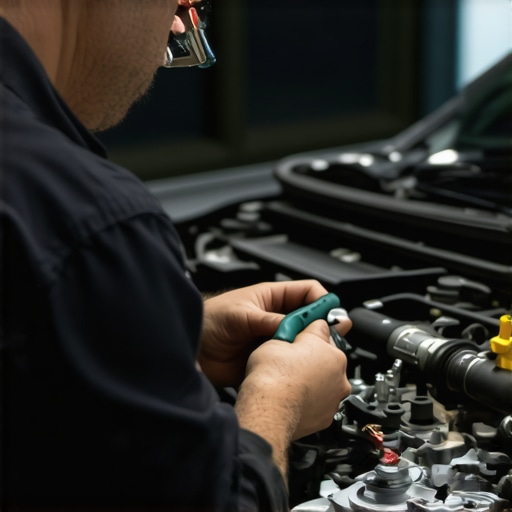
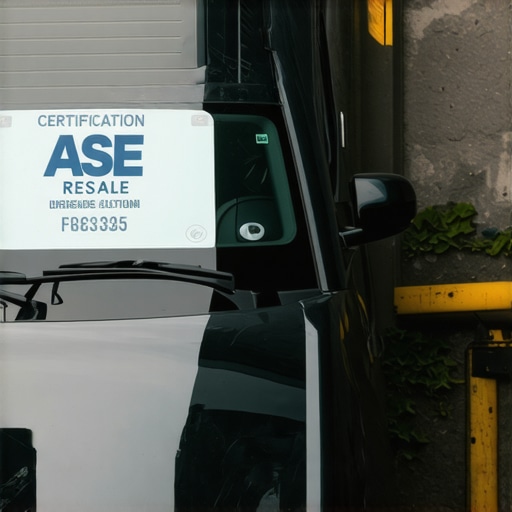
When selecting a shop or technician, look for ASE certification—it’s like a badge of proven skills and knowledge. Many ASE-certified technicians demonstrate their expertise by passing rigorous tests and maintaining ongoing education. I once observed a certified tech correctly diagnosing my vehicle’s ignition issue whereas an uncertified mechanic struggled, emphasizing the value of certification. Ensure your mechanic is familiar with the nuances of modern systems; check reviews or ask about their experience with specific brands or models. Remember, a skilled technician minimizes guesswork, preventing costly mistakes and ensuring your vehicle’s longevity.
Monitoring Core Systems for Longevity
Beyond oil and transmission care, paying attention to core systems like the cooling and steering systems is essential. For example, noticing that radiator fans run excessively could indicate issues discussed in this article on radiator fans. Regular inspection of belts, hoses, and filters can prevent breakdowns and costly repairs. I once detected a radiator leak early thanks to a simple visual check, saving me from engine overheating during summer traffic. Incorporate these checks into your routine, and you’ll catch problems long before they escalate into expensive repairs.Many car owners assume certain maintenance practices are straightforward, but in my experience, there’s a depth many overlook. For example, the common belief that regular oil changes alone guarantee engine health misses nuances like the importance of addressing rising oil levels, which can be a sign of internal issues rather than a simple top-up. Experts know that relying solely on routine scheduled services without inspecting the underlying causes can lead to costly damages.
Are You Misinterpreting Transmission Fluid Signs?
Many assume that dark transmission fluid always indicates a need for replacement. However, as discussed in this article, burnt smell and viscosity changes are more telling indicators. Just draining and replacing fluid blindly can do more harm than good, especially if the wrong type of fluid is used or the system isn’t properly flushed. A common myth is that transmission fluid lasts forever; in reality, many modern transmissions require specific maintenance schedules that go beyond traditional intervals. Overlooking these nuances can result in premature transmission failure. Dialing into expert insights, I’ve seen cases where technicians misdiagnosed symptoms because they didn’t consider nuanced system behaviors. That’s why verifying certifications like ASE isn’t just a badge—it’s a mark of attention to such complexity. When choosing a mechanic, ask about their approach to these advanced issues, not just their certifications.
Why Do Many Believe ASE Certification Guarantees Perfect Service?
This is a widespread misconception. While ASE certification demonstrates a baseline of knowledge and skills, it doesn’t equal infallibility. Certified technicians might still excel in specific areas or brands but could lack experience with newer or less common vehicle systems. As I observed during a recent visit, a technician with extensive ASE credentials accurately diagnosed a subtle misfire caused by a hidden vacuum leak—something that less experienced pros might overlook. To truly benefit from expert care, inquire about their experience with your particular vehicle model and the latest systems. Relying solely on certifications without understanding ongoing training and specialization can lead to gaps in service quality. Additionally, avoid the trap of assuming that any car service is equally skilled; research reviews and ask detailed questions about their diagnostic process. This depth of knowledge—and the ability to interpret complex symptoms—is what separates true experts from the rest.
Recognize Myths That Could Cost You
Overconfidence in simplified maintenance routines can backfire. For instance, many believe that replacing an air filter every 30,000 miles is sufficient, but neglecting to recognize subtle signs like reduced airflow or unusual odors can translate into engine efficiency loss and damage. Similarly, underestimating the importance of diagnosing odd noises or warning lights before a scheduled service can lead to overlooked problems worsening over time. Being vigilant and informed helps you avoid these pitfalls, ensuring your vehicle remains reliable. Remember, expert mechanics don’t just perform procedures—they interpret the vehicle’s behavior, catching issues before they escalate. Stay curious and ask detailed questions, especially about advanced diagnostics. Have you ever fallen into this trap? Let me know in the comments.
Investing in the Right Equipment Makes All the Difference
Maintaining your vehicle over time requires more than just a basic set of wrenches. I personally swear by a high-quality digital inspection camera—specifically, a borescope with adjustable LED lighting. This tool has revolutionized how I check hard-to-reach areas, especially when looking for early signs of gasket failures or internal corrosion. For example, when inspecting the area around the valve cover, the ability to see debris or sludge buildup without dismantling entire components saves both time and money. Using the right tools streamlines diagnostics and prevents unnecessary parts replacement.
Recommended Software for Precision Diagnostics
Modern vehicles depend heavily on electronic control units (ECUs), making software diagnostics essential. I use OBD-II scan tools with advanced graphing capabilities like the Autel MaxiSys series. These devices, paired with their proprietary apps, allow me to read live sensor data, monitor multiple parameters simultaneously, and log data for trend analysis. For instance, when troubleshooting a sporadic misfire, viewing real-time fuel trims and sensor outputs quickly pointed me toward a vacuum leak—more effectively than relying solely on visual clues. Staying up-to-date with the latest diagnostic software ensures you catch issues before they escalate into costly repairs.
Keep Up With Preventive Maintenance
One of the simplest yet most effective practices is scheduling regular oil level checks and fluid replacements. I recommend setting reminders on your smartphone or using a maintenance app tailored for vehicle health—such as Car Scanner or OBDLink. Consistent monitoring helps identify subtle changes that could indicate broader problems, like rising oil levels signaling possible internal leaks. When combined with a solid maintenance routine, these practices help extend your car’s lifespan and reduce the likelihood of breakdowns.
How do I keep my tools functioning effectively over time?
Regular cleaning and proper storage are key. After each use, wipe down tools with a clean cloth, check for wear, and store them in a dedicated toolbox. For electronics, ensure software is updated regularly—I subscribe to updates from my diagnostic tool manufacturer to ensure compatibility with new vehicle models. Investing in quality tools often pays for itself by avoiding unnecessary trips to the mechanic. For example, a decent borescope can be used for years if kept clean and stored properly, helping you catch issues early and avoid costly repairs later. Consider upgrading your diagnostic software annually to stay ahead of industry changes and ensure accurate readings, much like professional ASE-certified technicians do.
Where is the future headed in vehicle maintenance tools?
Expect a rise in AI-powered diagnostic systems that can interpret sensor data instantly, guiding even novice car owners through complex repairs. Technologies like augmented reality glasses integrated with live sensor feedback might soon enable real-time, hands-free diagnostics.
Embracing these advancements will make maintaining your car more accessible and less intimidating. For now, investing in high-quality manual tools and trusted diagnostics software provides a solid foundation. I encourage you to try a handheld borescope or update your diagnostic software this month—these small steps can significantly improve your vehicle maintenance game.
,
The Hidden Pitfalls No One Tells You About Oil and Transmission Care
One of the biggest lessons I learned was that checking oil levels isn’t just a quick glance—it’s about understanding what your engine’s telling you. Overfilling or neglecting to notice rising oil levels can mask internal problems, leading to costly repairs. Regularly inspecting transmission fluid, especially in vehicles without a dipstick, revealed that color and smell are more telling than just miles. These insights changed my mindset from routine to observant, emphasizing proactive maintenance over reactive fixes.
Avoiding the Myths That Could Ruin Your Engine
I’ve discovered that many believe synthetic oil can be ignored for longer periods, but the reality is different. Also, relying solely on ASE certification as a guarantee of quality can be misleading; experience with specific models matters just as much. Recognizing subtle signs like unusual smells or sounds has saved me from expensive failures. These lessons remind me that nobody is born knowing everything—continuous learning is key to protecting your vehicle.
Tools and Resources That Make a Real Difference
Investing in high-quality diagnostic tools, like an advanced OBD-II scanner and a reliable borescope, provided clarity during stubborn issues. Books such as “Auto Repair for Dummies” helped me grasp complex systems, while trusted websites like this article on oil level issues expanded my understanding. These resources have empowered me to handle many maintenance tasks myself, saving time and money.
Embracing a Curious Mindset for Better Car Care
The journey of becoming my own mechanic has been rewarding. I now approach each maintenance session with curiosity—questioning why my car behaves a certain way or why certain signs appear. This mindset has helped me catch issues early, like a small radiator leak before it caused engine overheating. My advice? Stay inquisitive, keep learning, and don’t hesitate to seek out expert insights. Your vehicle’s longevity depends on it.