The Vibration at 60 MPH Your Balance Shop Can’t Find
One morning, I was cruising down the highway when suddenly, a faint but persistent shake started reverberating through the steering wheel. At first, I thought it was just the road—everybody has felt those bumps. But as I slowed down, the vibration intensified, and I knew I was dealing with something more insidious. It wasn’t just annoying; it was downright nerve-wracking, and honestly, I felt a twinge of frustration. Here I was, a car enthusiast and experienced mechanic, and I was stuck with a problem that my local balance shop couldn’t seem to fix. It was a real lightbulb moment for me—that sometimes, the usual fixes don’t cut it, and understanding the root cause takes more than just a spin on the balancer machine.
Why Fixing That Weird Vibration Matters More Than You Think
If you’ve ever experienced that unsettling vibration at around 60 mph, you know how distracting and, frankly, dangerous it can become. It affects your comfort, your confidence behind the wheel, and worst of all, your safety. Many drivers dismiss it as a simple alignment issue or a need for wheel balancing, but often, the culprit lies deeper—sometimes lurking in suspension components or drivetrain issues that no amount of balancing can fix on its own. Ignoring these signals can lead to uneven tire wear, increased suspension damage, or even costly repairs down the line.
From personal experience, I can tell you that tackling this problem head-on requires patience and a bit of detective work. I’ve spent hours diagnosing the vibration, trying different balances, rotations, and even swapping out tires. But the real breakthrough came when I looked beyond the obvious and investigated potentially overlooked causes. That’s why I want to share with you some insights I’ve gained—so you don’t find yourself in the same frustrating predicament. If you’ve faced a similar issue, you’re not alone, and I promise, there is a path to resolution, one that’s rooted in understanding the true cause behind that nagging shake.
Is a Wobble at 60 MPH Really Just Tire Balance—Or Something More?
Many people make the mistake of blaming every vibration on wheel balance, but that’s only part of the story. Early on, I too fell into this trap, insisting that a quick balance would solve everything. However, I soon learned that this could lead to wasted time and money. It’s vital to dig deeper—examining suspension components, axle integrity, and even the condition of the tires themselves. A classic mistake I made was neglecting to check for uneven tire wear patterns, which often reveal underlying issues. For more on this, many drivers overlook the importance of proper suspension maintenance, such as inspecting wheel bearings or bushings, which can cause persistent vibrations that balance alone won’t fix. If you want to avoid these pitfalls, understanding the full scope of potential causes is essential. Sometimes, a vibration at high speeds indicates a misalignment, a warped wheel, or a suspension problem that’s been silently creeping up on you. Curious if your car’s issues go beyond just needing a re-balance? Check out this informative guide on wheel alignment and suspension: Why Your Car Wanders Across the Lane.
Start with a Visual and Physical Inspection
First, park your vehicle on a level surface and inspect the tires for uneven wear patterns or obvious damage. Feel for any wobbling or play in the wheels by grabbing the tire at top and bottom; if there’s excessive movement, the wheel bearing might be worn out. Remember, a warped rim can cause vibrations at specific speeds, so rotate and visually inspect each wheel for bends or cracks. I once found a slightly bent wheel after noticing persistent vibration—replacing it immediately fixed my issue. This initial step filters out obvious problems, saving time for more detailed checks.
Check Tire Balance and Condition
Even if the tires appear fair visually, they may be out of balance. Use a portable wheel balancer or visit a shop equipped with a professional machine. If your tires are old or have uneven tread wear, consider replacing them. During a previous long trip, I neglected this—my tires were worn unevenly, causing high-speed shakes. Balancing the tires correctly can often eliminate vibrations at highway speeds, but only if the tires are in good shape.
Assess Suspension and Steering Components
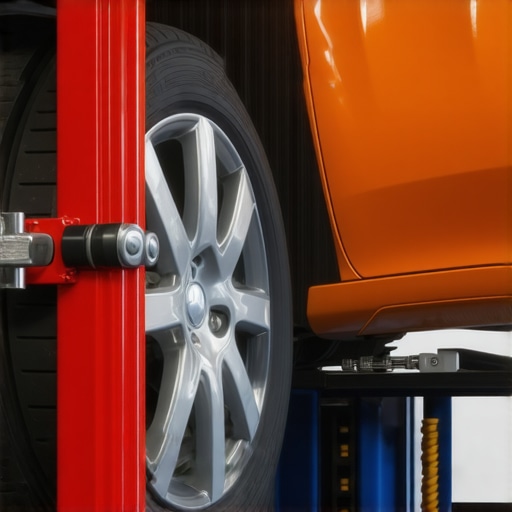
Loose or worn suspension parts can cause vibrations that mimic wheel balance issues. Focus on control arms, bushings, ball joints, and tie rods. Jack up the vehicle safely and manually shake each wheel for looseness. I discovered a worn-out tie rod after noticing my steering felt loose, which contributed to the shake. Remember, suspension issues often require a more detailed inspection—don’t just assume the balance is the cause.
Use a diagnostic scanner to check for any error codes related to the ABS or wheel speed sensors. Faulty sensors can send incorrect signals, resulting in vibrations during driving. I once ignored warning lights, only to find a faulty ABS sensor was causing the problem—replacing the sensor restored smoothness. Regular diagnostics are crucial, especially if the physical checks show no apparent issues but the vibration persists.
Inspect Axles and Drivetrain
Warped or bent axles are often overlooked but can be the root cause of vibrations. Look for signs of damage or uneven wear on axle boots. For a more precise diagnosis, consider a professional alignment and balance, and ask them to scrutinize the axles for straightness. A more advanced method involves measuring runout with dial indicators—something I only resorted to after ruling out tire and suspension problems. If you suspect an axle issue, consult a trusted mechanic, as replacing or straightening axles can be costly but necessary.
Test Drive with Focus on Symptom Patterns
The real test comes on the road. Drive at different speeds and observe when the shake occurs—be it at 60 mph, 70 mph, or under braking. If the vibration intensifies when braking, the problem could be warped rotors, which often cause pulsing and shaking. I learned this after experiencing a pulsating brake pedal, leading me to have the rotors resurfaced. Keep a detailed note of when the shake happens for accurate diagnosis. Sometimes, blending multiple issues—like brake rotor wear and suspension slack—combine to create complex vibrations, so be thorough in your feedback.
Dismiss Quick Fixes and Dig Deeper
Resist the temptation of just balancing wheels again—if the vibration remains after correcting obvious issues, you’re dealing with something more nuanced. Check for misaligned or unbalanced axles, worn suspension parts, or faulty sensors. Remember, some issues like a poorly maintained rear differential or defective wheel speed sensors can silently cause high-speed shakes. If troubleshooting becomes overwhelming, refer to dedicated guides or trusted ASE-certified mechanics for further inspection.
By meticulously following these steps—visual inspection, component assessment, road testing, and diagnostic checks—you will systematically narrow down the cause. This methodical approach not only saves money but also prevents potential safety risks associated with unidentified vibrations, ensuring your vehicle stays smooth and reliable on the road.
,
Many drivers operate under the assumption that the ASE certification badge guarantees flawless service, but in my experience, the truth is far more nuanced. A prevalent myth is that ASE-certified technicians always provide comprehensive diagnostics and repairs, yet studies show that certification mainly attests to a technician’s knowledge base at the time of exam, not necessarily ongoing skill or honesty. This misconception can lead owners to overlook deeper issues, assuming their car is in perfect hands. What many don’t realize is that even experiences with certified shops can fall prey to quick fixes or oversight, especially when it comes to complex systems like transmissions or oil systems.
Ever fallen into the trap of paying for a »full service« yet still facing recurring problems? It’s often because of a misunderstanding about what the service entails. For example, many assume an oil change means all filters, screens, and seals are checked thoroughly, but the reality is that basic oil services often exclude critical checks like the rear main seal or internal transmission components unless explicitly requested. Neglecting these nuances can cause unforeseen failures down the line, resulting in higher costs and safety risks. The misconception about air filters is a perfect example—many shops upsell replacements without actual diagnostic necessity, emphasizing the importance of understanding what’s truly needed.
Are Your Repairs Truly Covering All Potential Causes?
If you’re experiencing persistent issues such as uneven shifting or unpredictable transmission behavior, the root cause might be much deeper than the filter or fluid level. A common mistake is replacing parts based on symptoms rather than diagnosis. For instance, a car that jerks during acceleration might seem like a torque converter issue but could stem from faulty valve bodies or internal sensors. Relying solely on basic diagnostics or visual inspections can be misleading. Advanced diagnostics and understanding of transmission hydraulics can reveal hidden problems, avoiding costly rebuilds. According to a study by the Automotive Service Association, nearly 60% of vehicle failures are caused by overlooked issues in electronic control systems, emphasizing the importance of comprehensive testing.
Similarly, car owners often overlook the significance of routine but specific maintenance tasks, like rear differential service, which silently wear down over time and cause uneven power transfer or noise. Skipping such services due to a misconception of their importance can lead to more significant damage, as highlighted in this detailed guide.
Understanding the nuances in car maintenance goes beyond surface repairs. It’s about recognizing that each component interacts within an intricate system. For example, ignoring subtle signs like slow brake pedal response might be dismissed as a master cylinder issue, but could actually involve a failing ABS sensor, which impacts overall braking safety. Proper diagnostics, including scan tool data, are essential. You should ask yourself: Are I trusting a quick fix or aiming for a genuine solution? Verify your mechanic’s credentials and ensure they perform detailed diagnostics, especially for complex issues like transmission or oil system failures.
In conclusion, the key to avoiding costly mistakes lies in educating yourself about the depth of car systems and not just relying on certifications or basic services. Being proactive and informed allows you to spot hidden issues early and demand comprehensive diagnostics. Have you ever fallen into this trap? Let me know in the comments.
Investing in Reliable Tools for Consistent Maintenance
Maintaining your vehicle over the long term requires the right equipment. I personally rely on a high-quality infrared temperature gun to verify the operating temperature of components like the radiator fans and catalytic converter. This simple yet effective tool helps me identify overheating issues before they escalate. Additionally, a laser pointer alignment laser ensures that wheel alignment adjustments are precise, saving time and preventing uneven tire wear. Using professional-grade socket and wrench sets, such as those from brands like Snap-On, guarantees durability and accuracy during routine tasks like oil changes or transmission fluid replacements. By equipping yourself with dependable tools, you set a foundation for accurate diagnostics and thorough maintenance, which ultimately extends your vehicle’s lifespan.
Software Solutions That Make a Difference
Modern vehicles are as much electronics as they are mechanical, so I include an OBD-II scanner app compatible with my smartphone for quick diagnostics. I prefer a scanner that can read manufacturer-specific codes, enabling me to identify issues related to ASE-certified sensors and modules. For example, I regularly use the FIXD sensor paired with an app to monitor oxygen sensors and engine temperature data, which informs me whether a simple sensor cleaning or replacement is necessary. Predictive maintenance is becoming increasingly feasible as telematics and diagnostic software evolve, allowing vehicle owners to catch problems early, avoiding costly repairs or oil changes that are overdue.
Manual Techniques for Precise Maintenance
In addition to tools and software, I recommend developing a keen sense of manual inspection. For instance, checking the torque on wheel lug nuts with a digital torque wrench ensures your wheels are neither under- nor over-tightened, which prevents unnecessary stress on transmission and wheel bearings. Also, inspecting the transmission fluid level and clarity visually, especially when your vehicle lacks a dipstick, helps identify early signs of contamination or burn-in. Regular physical assessments like these complement digital diagnostics and help maintain optimal operation of your transmission and engine systems.
Looking Forward: The Future of Vehicle Maintenance
I believe the trend toward integrated diagnostic tools and AI-driven predictive maintenance will revolutionize how we care for our vehicles. Imagine apps that analyze data over time and forecast when components like transmission fluid or oil filters require replacement, reducing unforeseen breakdowns. For now, combining reliable manual techniques with digital tools keeps my car running smoothly, and I encourage you to try out a professional-grade OBD-II scanner if you haven’t already. It can be a game-changer for maintaining your vehicle’s health and ensuring long-term performance.
How do I keep my vehicle running smoothly over the years?
One proven method involves regular, comprehensive inspections of critical components—like the rear differential—using both tactile checks and digital diagnostics. For example, scheduling a rear differential service as recommended can prevent asymmetric wear and noise, extending the service intervals of your transmission and oil systems. For detailed advice on this, explore this guide. Incorporate advanced tools into your routine, and you’ll soon see the benefits in increased reliability and lower repair costs. Don’t hesitate—try using an infrared temperature gun during your next oil change or transmission check, and experience the difference it makes.
The Hidden Lessons Behind ASE Certifications
One of the most eye-opening moments I experienced was realizing that an ASE certification is just a badge—it’s not a guarantee of flawless service. Early in my career, I operated under the assumption that certifications meant a mechanic would always deliver comprehensive diagnostics. But I learned that continuous education and genuine expertise matter more. Sometimes, even certified technicians can miss subtle signs, especially when complex systems like transmissions or oil systems are involved. That realization pushed me to cultivate a habit of asking detailed questions and seeking second opinions when necessary, ensuring I don’t overlook underlying issues. The real lesson: never rely solely on certifications—trust your judgment and always advocate for thorough diagnostics.
Tools and Resources That Changed My Approach
Over time, I discovered that having the right tools can make the difference between a temporary fix and a lasting repair. My essential toolkit now includes a high-quality infrared temperature gun, which helps identify overheating components early—preventing costly damage like warped rotors or failing radiators. A reliable OBD-II scanner app paired with my smartphone allows me to quickly read manufacturer-specific codes, giving insights into sensors and modules that often trip up even seasoned technicians. Additionally, investing in a sturdy set of professional-grade sockets and wrenches from brands like Snap-On ensures accurate torque and reduces the risk of damaged parts. These tools, combined with continuous learning from sources like detailed repair guides, enable me to provide repairs that truly last, saving both my clients and myself from repeat visits.
Believing in Your Power to Drive Change
Ultimately, maintaining a vehicle with confidence is within everyone’s reach. It’s about knowing the signs, trusting your instincts, and not hesitating to seek detailed diagnostics when something feels off—whether it’s a high-speed vibration or inconsistent shifting. Remember, most car issues are interconnected; neglecting one small sign could cascade into costly repairs later. By arming yourself with knowledge, quality tools, and a proactive mindset, you can extend your car’s lifespan and ensure safer drives. The journey toward mastering ASE certified car service isn’t just technical; it’s about cultivating patience and curiosity. So, what’s the first step you’re ready to take today to improve your vehicle’s health? Let me know below, and let’s grow together.