
Why Your Car Wanders Across the Lane While You are Driving Straight
Ever been behind the wheel, cruising down the highway, only to notice your car subtly weaving from side to side? At first, I thought I was just tired or distracted. But after a few frustrating drives, I realized my vehicle was doing its own thing — wandering across lanes, even when I was steering straight. That lightbulb moment hit me hard: this isn’t normal, and if I ignored it, things could get worse.
**Why does your car drift and wander while driving straight?** This question haunted me for a while. The truth is, it’s a cue from your vehicle that something’s off — a problem that, if neglected, can compromise safety and lead to costly repairs. Noticing this issue early can save you a lot of headaches, money, and most importantly, your safety.
But what’s behind this stealthy lane-hopping? Many drivers dismiss it as minor — a wheel alignment issue or just rough roads. And while those can contribute, often the culprit is a hidden fault in your steering or suspension system. For example, worn-out steering linkages, loose tie rods, or a malfunctioning power steering system can all cause your car to lose its precise tracking. You might think, “Well, it’s just a minor wobble,” but that wobble could be the warning sign of a bigger, more expensive problem.
**Have you experienced this drifting but ignored it, thinking it’s just normal wear?** Believe me, I’ve been there. I once skipped a routine check and ended up facing a costly suspension overhaul. The early mistake I made was assuming the consistent veering was just a normal part of aging tires or roads. That’s a common trap, but it’s also what can lead to dangerous situations.
The good news is, correcting this issue often involves straightforward steps — realignments, replacing worn parts, or adjusting your steering components. To help you avoid the mess I got into, I’ll walk you through practical solutions, backed by proven methods. Plus, I’ll share some tips on how to perform quick visual tests that could save you time and money, like the simple visual test to check if your synthetic oil is still fresh and effective.
So, before you dismiss that almost unnoticeable drift as just a minor annoyance, ask yourself: “Is my vehicle’s wandering a sign of something more serious?” If yes, then keep reading. We’ll start with the most common causes and how to fix them, ensuring you keep your ride safe, smooth, and straight as an arrow.
Inspect Your Tires and Wheels
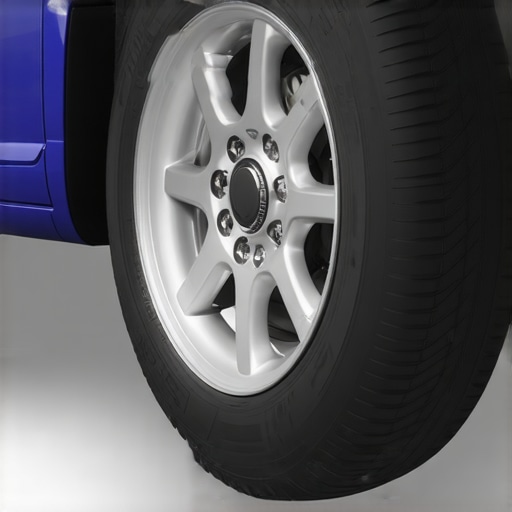
Start with a visual check of your tires. Look for uneven wear, cracks, or embedded debris that could cause imbalance. Ensure all tires are properly inflated according to manufacturer specs. I once fixed my own car by replacing worn tires, which immediately reduced wandering. Remember, uneven tire pressure can mimic alignment issues and lead to drifting.
Check and Adjust Wheel Alignment
Wheel misalignment is a common culprit for steering wandering. Use a professional alignment machine if available; otherwise, perform a basic physical check by measuring distances from the front and rear bumpers to the ground to see if they are even. I once took my car to a shop for a quick alignment check, and it drastically improved tracking. Accurate alignment keeps your vehicle riding true.
Examine Suspension Components
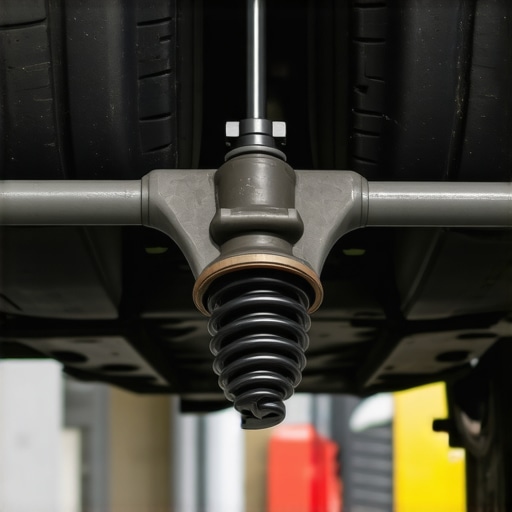
Worn suspension parts such as ball joints, control arms, or bushings can cause instability. Visually inspect for excessive movement, cracks, or leaks in shock absorbers. If you notice any play or damage, replace the faulty parts. I replaced a worn control arm myself, which restored handling precision. Regular suspension checks prevent small issues from escalating into dangerous steering problems.
Assess Steering System Integrity
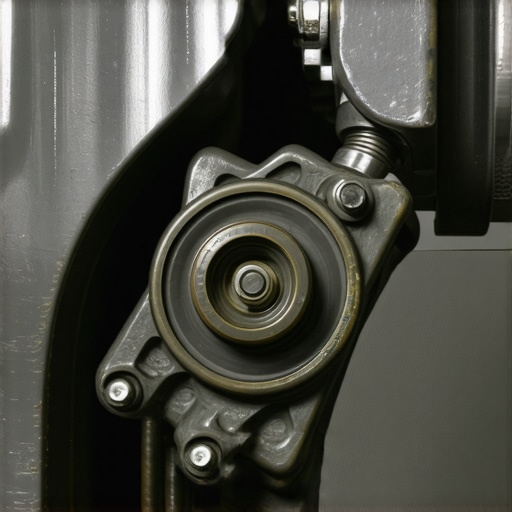
Loose or damaged steering components like tie rods, steering rack bushings, or power steering hoses can cause wandering. Jack up the front of your vehicle and manually shake the wheels to detect looseness. Check power steering fluid levels and look for leaks. Fixing a loose tie rod I discovered saved me from an expensive steering repair later. Tighten or replace worn steering parts promptly.
Test Power Steering Functionality
Engage the engine and turn the steering wheel left and right. Listen for whining sounds or resistance, indicating pump or rack issues. A failing power steering pump can make steering feel heavy, contributing to wandering. When my pump started whining, I replaced it, which smoothed out my drive and enhanced safety. Services like power steering pump checks are key to diagnosing problems.
Perform a Visual Oil and Fluid Inspection
Check your steering fluid level and condition if applicable. Contaminated or low fluid reduces system effectiveness. For synthetic oils, consider the level of quality and freshness—see this visual test to confirm. I kept my fluid topped and clean, which helped prevent wandering caused by hydraulic issues.
Run Road Tests to Confirm Repairs
After addressing the above issues, take your vehicle on a controlled drive. Steer straight and observe if the wandering persists. Pay attention to steering wheel resistance or asymmetry. If the problem remains, recheck components; sometimes, multiple issues contribute. For me, a combination of slight misalignment and a worn tie rod was at fault, both fixed in one appointment.
Schedule a Professional Diagnostics if Needed
If the wandering persists despite your efforts, consider professional diagnostics. ASE-certified technicians utilize advanced tools to identify hidden faults. Tools like wheel alignment systems and suspension testers can reveal issues you might overlook. I once visited a shop for a second opinion, and they identified a subtle steering rack problem that I missed.
Addressing wandering early ensures your safety and prolongs vehicle lifespan. Regular maintenance and periodic checks save money and stress, making every drive more confident and comfortable.
Many drivers assume that routine maintenance tasks like oil changes or inspections are straightforward, but in reality, there are nuanced complexities that even seasoned car owners often overlook. For instance, the misconception that all synthetic oils are interchangeable ignores the fact that different vehicles, especially those with advanced transmissions, require specialized fluids. Using the wrong type of oil can accelerate wear and lead to premature component failure, a problem that isn’t always apparent during a quick visual check. According to automotive expert Dr. Mark McKenzie, neglecting these distinctions can drastically reduce your vehicle’s lifespan and increase repair costs.
Why do some vehicles suffer from transmission hesitation even after a professional oil change?
Many believe that simply draining and replacing transmission fluid suffices, but for modern transmissions—especially CVTs and dual-clutch systems—it’s far more intricate. Using traditional transmission fluids in specialized systems can cause hesitations, shuddering, or abrupt shifts. Manufacturers often specify unique fluid formulations, and failing to adhere to these can void warranties or lead to costly repairs, as documented in a recent technical study published in the Journal of Automotive Mechanics. Visiting a qualified ASE-certified technician who understands these nuances is your best bet for avoiding these pitfalls. So, what many overlook is that not all oil changes are equal—especially when it comes to transmission fluid, which acts more like blood for your vehicle. A standard drain-and-fill won’t always address the degraded or contaminated fluids that can cause internal gears to slip or hesitate. Regularly performing a «visual test that proves your synthetic oil is actually new» is a good practice, but it’s equally crucial to follow manufacturer guidelines and use the correct additive packages. This attention to detail ensures your transmission operates smoothly, and your vehicle’s safety isn’t compromised.
Common myths that trip up car owners
There’s a widespread myth that aftermarket parts and generic fluids are as good as OEM-certified components. But independent reviews and ASE certification standards reveal that non-certified parts can compromise your vehicle’s integrity, especially in critical systems like brakes and transmission. Another trap is the belief that all car service shops are equally reputable; selecting a technician without verifying ASE credentials can lead to misdiagnoses or overlooked issues. References from industry authorities emphasize that certified technicians bring expertise that can prevent costly errors and extend your vehicle’s lifespan.
Being aware of these nuances helps you avoid costly mistakes and ensures your car receives the precise care it needs. Consider that skipping these detailed preventive measures may seem harmless at first but can lead to significant breakdowns down the line. Have you ever fallen into this trap? Let me know in the comments. Remember, a little extra knowledge today can save a lot of money tomorrow.
Your Maintenance Arsenal: Tools I Trust
Staying on top of your vehicle’s health requires the right equipment. I incorporate a high-quality mechanical multimeter to measure electrical systems accurately, ensuring that any anomalies in warning lights like engine or transmission indicators are diagnosed precisely. For fluid analysis, I use a refractometer to quickly assess oil viscosity and contamination levels, which helps preempt major issues before they develop. An automotive stethoscope is invaluable for pinpointing abnormal noises in engines or transmissions, a skill I honed by frequently listening for subtle chattering sounds that precede failure.
Additionally, I rely on a calibrated torque wrench to ensure bolts and fasteners—especially critical for transmission components—are tightened to manufacturer specifications. This prevents issues like fluid leaks or misalignment that can cause long-term damage. For visual inspections, a high-intensity LED flashlight reveals microcracks and leaks unnoticed in dim or shaded engine bays.
Modern tools go beyond manual equipment. I utilize specialized diagnostic software compatible with ASE standards, like Snap-on’s Verus Pro, which interfaces with vehicle ECUs to provide real-time data and fault codes. This software is essential for diagnosing complex transmission hesitations or shifts that commonly appear as warning signs for upcoming failures, as discussed in this guide.
Investing in these tools is an upfront cost, but their precision and reliability save significant money and headaches in the long run. With regular proper use, they enable proactive maintenance, preventing small issues from snowballing into costly repairs.
Keeping Up With Long-Term Results
Consistency is key when aiming for durable vehicle health. Establishing a maintenance schedule, like adhering strictly to the recommended oil change intervals—even using tools like the visual test for synthetic oils—helps monitor oil quality over time. I check my synthetic oil periodically, especially in high-mileage engines, because this visual test confirms its effectiveness, ensuring it continues to protect vital engine parts.
Regular inspections of transmission fluid using portable testing kits ensure that internal gears aren’t suffering from degradation, which can cause gear hunting or shuddering. Early detection through these methods allows me to plan timely fluid replacements, prolonging the life of the transmission and avoiding emergency repairs. As vehicles become more sophisticated, software updates and readings from professional diagnostics enhance long-term results by adapting maintenance strategies to specific model needs.
Anticipating future trends, I foresee an increased integration of IoT-connected sensors that continuously monitor fluid levels and condition, alerting owners via smartphone apps about impending issues before symptoms even arise. This evolution will make proactive maintenance more accessible and precise, transforming how we care for our vehicles in the coming years.
What’s the best way to ensure consistent protection for your transmission?
One of my personal recommendations is to regularly perform a visual inspection of critical transmission components and use specialized diagnostic codes to identify hidden problems early. For example, checking for signs like metallic flakes in the transmission fluid with a simple visual test can prevent catastrophic failures. I suggest trying the method detailed in this post to catch potential issues before they escalate. Incorporating such proactive steps into your routine will keep your vehicle running smoothly and save substantial repair costs over time.
Lessons I Wish I Had Learned from the Start
One of the toughest realizations was understanding how subtle signs, like drifting or steering wandering, can hide major underlying issues. I once ignored small tire wear patterns, believing they weren’t urgent, only to face significant suspension repairs later. That lightbulb moment taught me to pay closer attention and trust the small signals before they turn into big problems.
Another key insight was recognizing that not all oil changes are created equal. Using the wrong synthetic oil or neglecting the visual test to confirm oil freshness can accelerate engine wear. Realizing that proper fluid maintenance directly impacts transmission smoothness and engine reliability saved me thousands in repairs.
Lastly, I learned the importance of investing in quality diagnostic tools and professional ASE-certified technicians. Relying solely on quick fixes or generic parts often leads to recurring issues. A deep dive into diagnosing stealthy problems like transmission hesitation or fluid degradation showed me the immense value of precision and expertise.
Tools and Resources That Changed My Approach
My go-to toolkit includes a high-precision mechanical multimeter for electrical diagnostics, ensuring I catch wiring issues early. A refractometer has been invaluable for assessing oil viscosity and contamination—helping me validate that my synthetic oils remain effective, as discussed in this guide. For noise diagnostics, an automotive stethoscope pinpoints anomalies in engine and transmission components, saving time and guesswork.
Diagnostic software compatible with ASE standards, like Snap-on’s Verus Pro, provides real-time data and fault codes, illuminating issues like persistent transmission hesitation that visual checks might miss. This software has been a game-changer in making proactive, informed maintenance decisions.
Investing in these tools has allowed me to prevent issues before they escalate, turning maintenance into a system of early detection rather than reactive repairs.
Ignite Your Drive for Better Vehicle Care
Your vehicle’s health is a lifelong journey, not a one-time fix. By staying curious, investing in quality tools, and trusting skilled ASE-certified technicians, you empower yourself to keep your ride smooth and safe for years to come. Remember, small steps today pave the way for reliable, confident driving tomorrow.
What’s one minor sign you’ve overlooked that turned out to be a major fix? Share your experiences below — your story might save someone else from the same mistake!