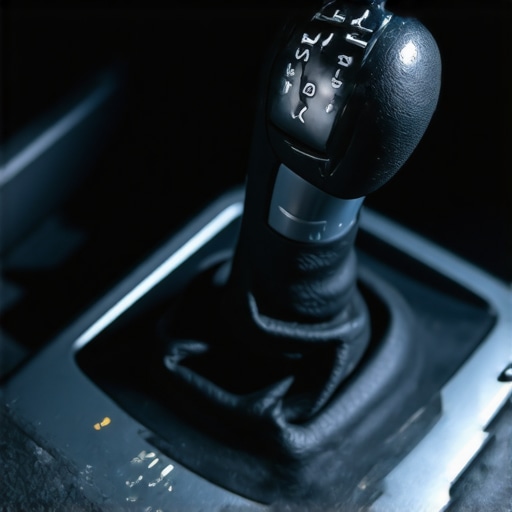
Stop Shifting Into Park While Your Wheels Are Still Moving
Do not shift an automatic transmission into Park while the wheels are still moving. The Park position is meant to hold a stopped vehicle, not stop a moving one.
When a driver selects Park too early, the transmission’s parking pawl has to deal with movement it was not meant to control. That can create a loud clicking, grinding, clunking, or lurching feeling. One mistake may not destroy a transmission, but repeated abuse can bend, chip, or wear the parts that hold the vehicle still after parking.
What actually happens inside the transmission
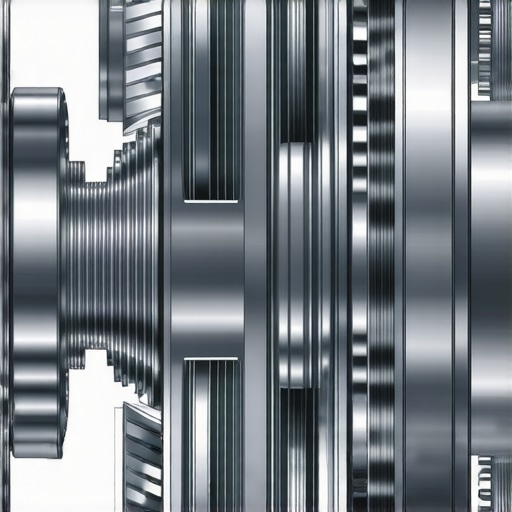
In most automatic transmissions, Park works by using a parking pawl. Think of it as a metal locking lever that drops into a toothed wheel connected to the transmission output shaft. When it engages correctly, the output shaft cannot turn, so the driven wheels are held in place.
That system is simple, but it has a limit: it is for a vehicle that has already stopped. If the wheels are still turning, the pawl may skip across the teeth instead of locking into place. That is the clattering or grinding sound some drivers hear when they rush the shifter into Park.
A small roll after selecting Park can be normal. The vehicle may move an inch or two while the pawl settles into a notch. What is not normal is using Park to stop the car, hearing repeated ratcheting, or feeling the vehicle slam against the parking mechanism.
The correct way to park an automatic car
Use the brake pedal to stop the vehicle first. The shifter should come after the wheels have stopped turning.
On flat ground
Use this order:
- Keep your foot on the brake.
- Bring the vehicle to a complete stop.
- Select Park.
- Set the parking brake if the car will be left unattended or if the surface is not perfectly level.
- Release the brake pedal gently and make sure the vehicle stays still.
You do not need to count seconds. You need the car fully stopped. If the car is still creeping forward in a parking space, driveway, car wash lane, or traffic queue, it is too early to select Park.
On a hill or steep driveway
On an incline, do not let the transmission carry the whole weight of the vehicle. Use this order:
- Stop with your foot on the brake.
- Set the parking brake while your foot is still holding the car.
- Shift into Park.
- Release the brake pedal slowly.
This matters because the parking brake helps hold the vehicle before the weight settles onto the parking pawl. If you park on a hill, shift into Park, release the brake, and the car drops hard against the transmission, you may feel a heavy clunk when shifting out of Park later. That does not always mean something is broken, but it is a sign the parking pawl has been loaded harder than necessary.
What to do if you accidentally shifted into Park while moving
Do not panic over one mistake. Instead, pay attention to what happened next.
If you heard a quick clicking noise and immediately pressed the brake, the transmission may be fine. Drive normally and watch for new symptoms over the next few trips.
If the car slammed, refused to move, rolled farther than expected in Park, or now makes noise when shifting into or out of Park, have it inspected. A shop should check the shift linkage or electronic selector operation, transmission mounts, parking pawl engagement, and whether the vehicle still holds correctly on a slight incline.
Do not test this by intentionally shifting into Park while moving again. A safer check is simple: on level ground, stop fully, shift into Park, release the brake gently, and confirm the vehicle only settles slightly. If it rolls more than a few inches, treat it as a safety issue.
Park is not a substitute for the brake pedal
The brake system is built to slow and stop the car. Park is built to hold a stopped car. Confusing those two jobs is where damage starts.
This mistake often happens in low-speed situations: pulling into a parking spot, stopping at a drive-through window, inching forward in a garage, or rushing at a stoplight. The driver feels almost stopped, selects Park, and the remaining wheel movement is enough to make the pawl skip or slam.
A good habit is to separate the actions. Brake first. Confirm the vehicle is stopped. Then shift.
Warning signs after a Park-related mistake
Get the transmission checked if you notice any of these symptoms after shifting into Park too early:
- A repeated clicking or ratcheting noise when selecting Park.
- A heavy clunk when the car settles after you release the brake.
- The vehicle rolls more than a few inches after Park is selected.
- The shifter is hard to move out of Park, especially on a hill.
- The car shows a transmission warning light or shift message.
- You now feel delayed engagement when moving from Park to Drive or Reverse.
Some of these symptoms can come from other causes, including worn mounts, low fluid, a weak parking brake, or a shift cable problem. That is why guessing is risky. The useful question is not “Did I ruin the transmission?” It is “Does the car still hold safely and shift normally?”
Where transmission fluid fits into this
Transmission fluid maintenance is important, but it does not cancel out bad parking habits. Fresh fluid cannot protect a parking pawl from being used as a moving-vehicle brake.
Still, if the vehicle already has delayed shifts, harsh engagement, slipping, or a burnt smell from the fluid, those problems should be handled separately. For related shift symptoms, see this article.
Check the owner’s manual before making any fluid decision. Some vehicles have a dipstick and a simple inspection process. Others use sealed transmissions that need a scan tool, a lift, and a fluid temperature procedure. AAA’s transmission maintenance guidance also points drivers back to the vehicle’s manual because intervals vary by transmission type, driving conditions, and manufacturer requirements: AAA guide to checking and maintaining transmission fluid.
If the fluid is dark, smells burnt, or has visible debris, do not assume a flush is automatically the right fix. A drain-and-fill may be more appropriate on some high-mileage vehicles, while other vehicles need a specific exchange procedure. For the difference between those services, read this article.
Do not let this turn into unrelated maintenance advice
The main issue here is driver behavior, not oil choice, scan tools, or buying gadgets. A Bluetooth scanner can help with transmission codes on some vehicles, but it will not show a damaged parking pawl on every car. A fluid tester can be useful in the right hands, but it is not the first step after one bad shift into Park.
The first step is mechanical common sense: stop the wheels before selecting Park.
Other maintenance topics still matter, but they should not distract from the parking habit. If you are comparing engine oil claims, see this article. If you are choosing a repair shop, ASE certification can be a useful signal, but it is not a promise that every diagnosis will be correct; this is explained in this link and this resource.
When a shop should inspect it
Ask for an inspection if the car was moving faster than a crawl when Park was selected, if you heard a hard bang, or if the vehicle no longer feels secure in Park.
A useful inspection should include more than a quick test drive. The technician should confirm the vehicle holds in Park, check for abnormal movement from the engine and transmission mounts, inspect the parking brake operation, scan for transmission-related codes if the vehicle supports it, and look for fluid leaks or impact damage underneath.
If the vehicle also has shift timing problems, bogging, slipping, or jerking, use those symptoms to guide the diagnosis rather than assuming everything came from the Park incident. Start with recommendations from auto experts and this article before approving major transmission work.
The habit to use from now on
Here is the simple rule: the brake pedal stops the vehicle; Park holds it after it has stopped.
On your next drive, practice the sequence once in a quiet parking space. Stop fully, keep your foot on the brake, set the parking brake if needed, then shift into Park. If your car rolls more than a small settling movement, makes a new clunk, or resists coming out of Park, schedule an inspection before it becomes a safety problem.