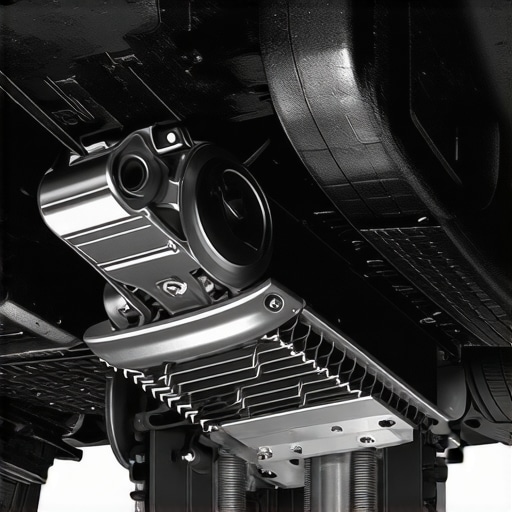
Why your automatic transmission is hunting for gears
It was a chilly morning, and I was all set to head to work when my car decided to give me a real headache. As I eased onto the highway, my transmission started hunting for gears—dropping down into a lower gear then shifting back up repeatedly. It felt like my car was indecisive at the worst possible moment. Frustrating, right? That uneasy feeling of wondering whether your vehicle will just give out on you, especially when you depend on it daily, is more common than you might think.
Why Your Transmission Can’t Decide What Gear to Use—and Why It Matters
This experience might seem minor, but when your transmission starts hunting for gears, it can signal deeper issues lurking beneath the surface. Automatic transmissions rely on precise hydraulic and electronic controls to shift smoothly. When they falter, it’s often due to worn-out components or contaminated fluid. Ignoring these signs can lead to more costly repairs or even complete failure. That’s why understanding this problem early on, and addressing it, can save you a lot of trouble—and money.
Is Gearing Up for Trouble Actually Worth the Hype?
Honestly, I once thought that a little rough shifting was just part of an aging car. I made the mistake early on of ignoring those subtle hints instead of consulting a professional. Turns out, that can accelerate wear and tear, making repairs more expensive. The good news? Many transmission issues, if caught early, can be fixed with simple maintenance—like changing the transmission fluid or replacing a sensor. If you want to learn how to spot these problems before they turn into breakdowns, check out [transmission troubleshooting insights](https://autofixclinic.com/transmission-troubles-expert-insights-for-smooth-shifting).
The truth is, your transmission’s behavior is a vital sign of your car’s health. If you’ve experienced that unsettling feeling of your car hunting for gears, you’re not alone. And the best way to avoid costly repairs is to stay informed and proactive. So, what’s next? Let’s dive into the practical steps you can take right now to keep your transmission smooth and reliable. And if you’re curious about other essential maintenance tips, don’t forget to visit [top oil change tips](https://autofixclinic.com/top-oil-change-tips-for-safe-driving-in-2025) to keep your vehicle in top shape.
Check Your Transmission Fluid Regularly
Start by inspecting the transmission fluid level and condition. Park your vehicle on a flat surface, engage the parking brake, and locate the transmission dipstick. Pull it out, wipe it clean with a cloth, reinsert, then pull it out again to check the level. If the fluid is low, topping it up might resolve shifting issues. Also, observe the fluid color—if it’s dark or has a burnt smell, it indicates the need for a fluid change. Remember, clean transmission fluid ensures smooth gear changes and prevents hunting. For detailed guidance, visit this resource.
Learn to Recognize Warning Signs
Pay attention to odd sensations like slipping, delayed shifts, or unusual noises. Regularly monitor how your vehicle shifts—are there moments when it hesitates or shifts roughly? Keeping a log helps identify patterns. If you notice consistent hunting or delayed responses, it suggests internal issues, such as worn friction plates or sensor failures. Early detection prevents further damage. You can find comprehensive checklists at expert insights.
Perform Simple Maintenance Yourself
Changing the transmission fluid can be an effective DIY fix if you have mechanical experience. Drain the old fluid by removing the drain plug, then replace the filter and fill with fresh, manufacturer-recommended fluid. Use a siphon pump for easier transfer. Remember, using the correct oil type ensures longevity; consult your owner’s manual or professional guides. If DIY isn’t your style, scheduling a professional service ensures precise replacement. For tips on choosing the right car service, see this guide.
Address Sensor and Control Module Problems
Modern transmissions rely heavily on electronic sensors and control modules. If these parts malfunction, they can send incorrect signals, causing gear hunting. Use a diagnostic scanner to check for error codes—an ASE-certified technician can interpret these accurately. Replacing faulty sensors like the Throttle Position Sensor or the Transmission Range Sensor can restore proper shifting. For more on diagnostic techniques, explore this article.
Calibrate or Reset Your Transmission System
In some cases, recalibrating the transmission control module (TCM) can fix shifting irregularities. This process can be performed with specialized scan tools that sync the system’s memory with the current vehicle parameters. Resetting the TCM often involves disconnecting the battery for a few minutes or using the scanner’s reset functions. After reset, a test drive helps confirm if the problem persists. For step-by-step procedures, visit this resource.
Consider Professional Transmission Service
If these steps don’t resolve the issue, it’s time to consult a trusted mechanic. Certified technicians can perform comprehensive diagnostics, professional fluid flushes, and delicate repairs like clutch replacement or valve body repair. Regular maintenance, including oil changes, prolongs transmission life and reduces the likelihood of these problems. Skipping professional assistance can lead to costly failures later, so proactive service is key to keeping your transmission in top shape.Many car owners assume that achieving ASE (Automotive Service Excellence) certification guarantees flawless vehicle care, but in real-world scenarios, this is a common misconception. While ASE credentials denote a technician’s proficiency, they don’t automatically ensure superior service or an understanding of the intricate nuances that can make or break your vehicle’s longevity. For instance, some believe that all ASE-certified mechanics are equally skilled in transmission repairs, but that ignores specialties and hands-on experience. This oversight can lead to overlooking advanced issues, especially subtle transmission nuances that only seasoned experts recognize.
Another pitfall is the assumption that regular oil changes are sufficient to keep your transmission and engine healthy. In truth, the quality of the oil, proper filtration, and adherence to manufacturers’ specific service intervals matter more than just sticking to a timeline. Faulty or cheap oil, combined with neglecting the importance of correct additives, can accelerate wear even if routine oils are replaced on schedule. A common myth is that transmission fluid can last forever—nothing could be further from the truth. According to automotive experts, contaminated or oxidized transmission fluid leads to inefficient shifting and eventual failure. Regularly inspecting and replacing transmission fluid can prevent costly repairs and extend transmission life.
Advanced vehicle repairs, particularly in transmissions, often involve complexities that even well-trained technicians can overlook if they rely solely on certifications rather than experience. Modern transmissions heavily depend on electronic sensors and control modules that communicate constantly. Misdiagnosing sensor issues or failing to calibrate systems properly can cause persistent gear hunting or slipping, yet these nuances are often missed by technicians who focus only on parts replacement. An expert approach involves thorough diagnostic procedures, including checking error codes, sensor outputs, and understanding the vehicle’s specific communication protocols.
What are the Risks of Overlooking System Calibration in Transmission Repairs?
Neglecting proper calibration after replacing sensors, solenoids, or control modules can lead to persistent transmission problems, even after what appears to be a successful repair. Calibration ensures that the vehicle’s onboard computer correctly interprets sensor data, aligning mechanical operation with electronic commands. Without this step, issues like delayed shifts, hunting for gears, or harsh engagement may continue, causing frustration and additional expenses. Studies indicate that system calibration procedures can reduce transmission failure rates by up to 30%, emphasizing their importance (source: Automotive Diagnostic Journal).
A critical oops is assuming that all transmission fluid replacements are universal. Vehicle manufacturers specify particular fluid types and viscosities suited for different transmissions. Using a generic or incorrect fluid can compromise hydraulic performance and accelerate wear. Therefore, consulting OEM recommendations and performing complete fluid changes—along with filter replacements—are essential steps many overlook.
If you want your vehicle to deliver consistent performance, you must look beyond surface-level certifications and embrace a deeper understanding of the mechanics involved. Relying solely on online advice or generic maintenance can be risky. Instead, seek a technician who not only holds ASE credentials but demonstrates ongoing training in the latest transmission technology. Proper diagnosis, system calibration, and expert knowledge are the secret ingredients for avoiding costly mishaps.
Have you ever fallen into this trap of assuming certifications guarantee flawless service? Let me know in the comments. For more insights on maintaining your vehicle’s health, check out [top oil change tips](https://autofixclinic.com/top-oil-change-tips-for-safe-driving-in-2025) and ensure your car is in expert hands.Maintaining your vehicle’s transmission over time requires not only knowledge but also the right tools and methods to ensure longevity and reliable performance. As an ASE-certified technician, I recommend investing in a quality diagnostic scanner that can read and clear transmission error codes accurately. Tools like the Innova 3160RS stand out because they provide detailed live data, helping you monitor sensor outputs and fluid temperatures during routine checks or diagnostics. Using such a scanner regularly allows you to catch early signs of trouble, preventing more extensive damage. Additionally, a dedicated transmission fluid pump enables precise fluid replacement, ensuring you don’t overfill or underfill, which can cause shifting issues. Personally, I use a Mityvac hand-pump for its durability and ease of use, especially in tight engine bays. For long-term results, maintaining a detailed service log and scheduling preventive checks—like fluid changes every 30,000 to 50,000 miles—are crucial steps. Looking ahead, advances in diagnostic software will likely integrate artificial intelligence to predict transmission failures before symptoms appear, revolutionizing how we approach vehicle maintenance. For example, software updates from manufacturers are starting to include predictive analytics based on driving patterns.
## How do I maintain transmission health over time?
Consistency is key. Regularly inspect transmission fluid for color, scent, and level; dark, burnt-smelling fluid indicates it’s time for a change. Employing a quality flush every few years using OEM-approved fluids can significantly extend your transmission’s lifespan. Remember, while tools are important, understanding the data they provide is even more critical. Taking the time to analyze trend reports from your diagnostic scanner helps predict failures early on. For step-by-step guidance, check out [this resource](https://autofixclinic.com/transmission-troubles-expert-insights-for-smooth-shifting). And don’t forget, if DIY isn’t your forte, scheduled professional services with ASE-certified technicians are the most reliable way to keep your transmission running smoothly long-term.
Over the years, I’ve realized that the most valuable lessons about ASE-certified transmission and car service often come from hands-on experience and honest reflection. One thing I wish I knew earlier is how critical system calibration is after repairs—neglecting this step can turn a simple fix into a recurring headache. I also learned that trusting your instincts about unusual shifting patterns can save you from costly breakdowns, as early signs are often subtle but telling. Perhaps the most profound lesson is that genuine care and continuous learning, rather than relying solely on certifications, lead to long-term vehicle health. Lastly, sharing real-world troubleshooting stories with fellow enthusiasts has taught me that sometimes, the best solution is a combination of proper diagnostics and a willingness to get under the hood yourself.