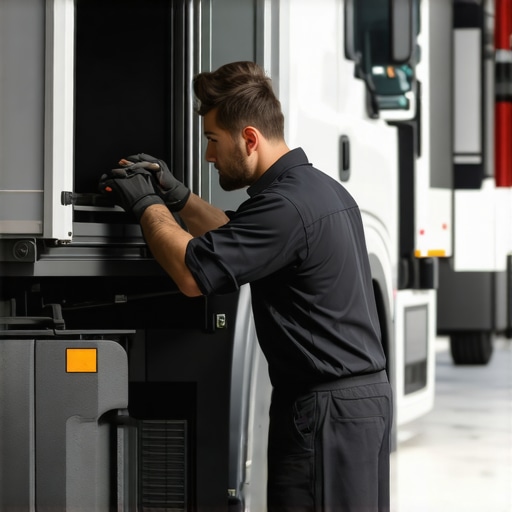
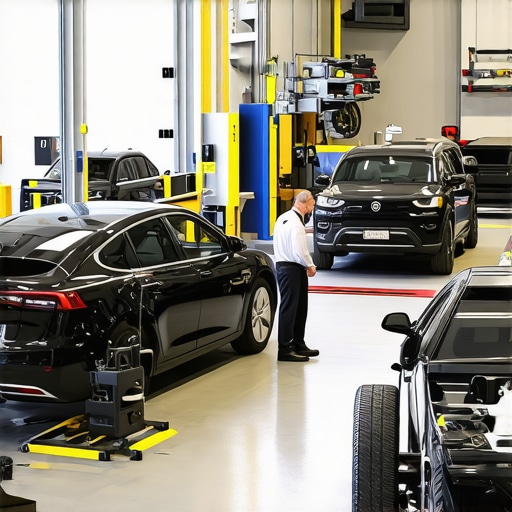
Why Your Fleet Needs Specialized Techs for Modern Hybrid Engines
I remember the exact moment I realized I’d been overlooking something crucial during a routine oil change. The vehicle started acting up soon after—hesitant acceleration and a strange vibration that didn’t quite fit the usual profile. Turns out, I had tried a generic fix on a complex hybrid system, and it nearly cost me dearly. That lightbulb moment made me see just how vital it is for fleet vehicles to be handled by technicians with specialized expertise.
Why Cutting Corners on Hybrid Expertise Can Cost You
Modern hybrid engines are marvels of engineering, blending traditional combustion with electric power. But that complexity demands more than just a basic understanding—they require technicians trained specifically in hybrid technology. When I first started outsourcing hybrid vehicle maintenance to generalists, I noticed a pattern: more unexpected breakdowns, increased downtime, and mounting repair costs. Learning from these mistakes, I now prioritize ASE-certified, specialized technicians for our fleet, and the difference is staggering.
Question: Is Cheap, General Maintenance Really Saving You Money?
To be honest, I once believed the hype about quick, cheap repairs at non-specialist shops. Spoiler: I was wrong. In fact, improper handling of hybrid systems can lead to more serious damage—like transaxle failures or battery issues—that are far more expensive than routine maintenance by skilled technicians. An early mistake I made was ignoring the importance of specialized diagnostic tools, which you can learn more about in this guide on spark plug fouling.
External studies confirm that hybrid systems need precise calibration and component handling. For instance, the Department of Energy highlights that improper maintenance can lead to a 30% increase in repair costs over the vehicle’s lifespan. That’s a wake-up call and a good reason to invest in the right expertise.
So, what’s next? Understanding the unique needs of hybrid engines can save your fleet money, reduce downtime—and keep your vehicles running reliably for miles to come. Let’s explore how you can identify whether your current maintenance team is up to the task, and what traits the best hybrid techs possess.
Assessing Your Current Maintenance Team for Hybrid Expertise
Begin by evaluating if your technicians possess ASE certification specific to hybrid systems, which ensures they have validated expertise. Cross-check certificates by reviewing certifications on ASE verification sites and look for patches on uniforms that match verified credentials, avoiding counterfeit patches.
Implement Specialized Diagnostic Procedures
Teach your team to utilize hybrid-specific diagnostic tools, such as high-voltage system testers, to identify issues accurately. For instance, accurate spark plug inspection without removal can be done via non-invasive spark tests. This prevents unnecessary disassembly, saving time and preventing damage.
Detailed Step: Checking High-Voltage Batteries
Set up a protocol where technicians conduct a voltage and temperature test of the battery pack—an essential step to identify degradation early. Remember, a slightly hot battery could indicate impending failure. Use infrared thermometers to pinpoint hot spots, akin to how you might identify overheated electronic components. Regular testing here helps prevent costly breakdowns.
Execute Precise Oil Changes & Fluid Replacements
Hybrid engines demand clean, uncorrupted lubricants. During oil changes, verify the oil filter has been genuinely replaced by inspecting the filter’s condition and using a checklist. Proper oil filtration extends engine life and reduces sludge buildup, which can be as detrimental in hybrids as in traditional cars. Properly drained oil should be clear—if you see contamination, it’s time for a deeper cleaning or flush.
For example, I once caught an oil leak during a routine oil change by inspecting the drain plug and seal, preventing potential engine damage. Always check for signs of residual debris that might clog oil passages—this small step safeguards your hybrid’s delicate components.
Signaling & Repair Strategies for Complex Hybrid Components
Utilize visual cues to identify potential problems. For instance, for serpentine belts, look for signs of wear and cracks—if your technicians are unsure, direct them with visual inspection techniques. For transmission concerns, listen for specific gearbox noises linked to torque converter issues, which can be diagnosed without full teardown using specialized tools.
Quick Tip: Recognize Early Transmission Symptoms
Shuddering or delayed shifting can indicate impending failures. Training your team to differentiate between normal sounds and warning signals, like the metallic scraping often caused by a failing component, makes maintenance proactive rather than reactive.
Adopt Rigorous Road Testing & Follow-up Checks
After repairs, simulate real-driving conditions by testing vehicles on various terrains. Listen for vibrations or noises, and recheck fluid levels, tire pressures, and electrical connections. This mirrors my experience when I adjusted a transmission linkage and monitored the vehicle for a week, catching subtle shifts that indicated a need for further tightening.
Consistent follow-up testing and tuning prevent minor issues from escalating, saving money and extending vehicle lifespan.
Many vehicle owners believe that simply choosing an ASE-certified technician or sticking to traditional oil change routines guarantees optimal vehicle performance. But in my experience, there’s a lot more to consider—especially when it comes to truly understanding what these labels and services entail.
What Do Most People Get Wrong About ASE Certification?
Often, folks assume that an ASE certification automatically means a technician is a comprehensive expert in all aspects of vehicle maintenance. In reality, ASE certifies specific specialties, and a technician might be proficient in some areas like brakes or engines but lack depth in hybrid or transmission systems. There’s a common myth that all ASE certs are equal, but as here, knowing how to verify genuine ASE credentials is crucial.
Beyond that, many cars have nuanced systems that require continuous education beyond initial certification, especially as automotive technology evolves rapidly. Relying solely on the ASE badge without understanding a technician’s specialization can lead to overlooked issues and costly mistakes.
This misconception can be risky because it diminishes the importance of technician training depth—particularly in complex systems like transmissions or hybrid components. For instance, a generalist might attempt a transmission flush, unaware of the specific requirements for crucial components, which could accelerate wear or cause immediate damage.
Are you aware of the specific certifications your mechanic holds? Remember, not all ASE-certified technicians possess the same expertise. Ensuring their specialization aligns with your vehicle’s needs saves money in the long run.
Now, let’s address one of the most overlooked areas: transmission services. Many owner-operators believe that a standard flush suffices regardless of the vehicle’s age or transmission type, but in fact, the difference between a simple drain and a full flush can be the critical factor that determines transmission longevity. As vehicles age, more gentle, tailored procedures are needed—failure to recognize this can lead to premature transmission failure.
Another aspect often misunderstood is the importance of oil quality and change intervals. Routine oil changes are not merely about replacing oil; they’re an opportunity to evaluate engine health, check for contaminants, and spot early signs of wear. According to industry studies, using the wrong oil type or delaying changes can contribute significantly to engine sludge and varnish buildup, which often aren’t visible without proper diagnostics.
Moreover, some car owners assume that all oil filters are created equal. But, as learning to spot a genuine oil filter can prevent unfiltered debris from circulating, thereby protecting vital engine parts.
Finally, let’s talk about the importance of advanced knowledge when it comes to routine services. For example, an incorrect oil filter installation or neglect of specific fluid types can cause subtle issues that snowball into expensive repairs. Recognizing these nuances might be the difference between a vehicle that runs smoothly for years and one that develops early failures.
Are you confident your mechanic understands these subtle differences? If not, consider educating yourself or seeking specialists with proven expertise in your vehicle’s specific systems. As always, continual learning and asking the right questions can shield you from costly mistakes and extend your vehicle’s lifespan. Have you ever fallen into this trap? Let me know in the comments.
Investing in the Right Equipment: A Personal Approach
Maintaining vehicles, especially hybrids or those with complex transmission systems, requires precision tools that go beyond generic repair kits. Personally, I rely on a high-quality digital multimeter with high-voltage capabilities to accurately diagnose electric components in hybrid engines. This tool helps me quickly identify battery cell issues or sensor faults without the need for invasive procedures. Similarly, a good infrared thermometer is indispensable for monitoring engine and transmission temperatures, providing early warnings before minor issues escalate into costly repairs. I particularly trust my infrared thermometer because it provides precise readings that help me make informed decisions during routine checks.
Smart Software That Keeps Diagnostics Clear
Going digital isn’t optional anymore—it’s essential. I swear by advanced diagnostic software like TOAD Pro or OBDLink for vehicle scanning. These platforms not only read error codes but also interpret complex data from hybrid systems and transmissions. For example, accessing live sensor data allows me to verify if a spark plug is fouled (see how here) without removing the component, saving me time and money. Investing in software that gets regular updates ensures compatibility with the latest vehicles, which is the trend I see becoming standard in the industry.
Routine Checks – The Secret to Longevity
Beyond fancy tools, consistent routine checks make all the difference. I recommend setting a dedicated monthly schedule for inspecting belts, fluids, and electrical connections. For instance, checking serpentine belts for signs of cracking or warning signs can prevent roadside failures. Similarly, regularly testing fuel injectors and spark plugs—by observing their performance or using simple resistance tests—can prolong their lifespan, especially in hybrid engines where every component’s efficiency counts. Embracing a proactive mindset with these small steps significantly enhances vehicle performance and reduces long-term costs.
Prepare for the Future of Car Maintenance
Looking ahead, I believe the trend will shift towards integrated diagnostic tools connected via cloud platforms that continuously monitor vehicle health and notify fleet managers or owners in real time. This evolution means fewer unexpected breakdowns and improved long-term results. To stay ahead, start incorporating smart diagnostic software and invest in portable tools that can handle high-voltage systems safely. Implement these practices today, like using a reliable infrared thermometer during your next oil change, and you’ll see immediate benefits in vehicle reliability.
How do I maintain my vehicle’s health over time?
The key is combining the right tools, regular preventative checks, and staying informed about technological advancements. For example, learning how to interpret diagnostic codes or testing components like spark plugs without removal (see this guide) empowers you to catch issues early. Moreover, consistent use of high-quality diagnostic devices and software ensures you aren’t just fixing problems—they’re preventing them from occurring in the first place. Try implementing a monthly inspection routine with a reliable infrared thermometer or portable scanner, and experience the peace of mind that comes with knowing your vehicle is in top condition.
Lessons From the Garage: The Real Cost of Cutting Corners
One of the most powerful lessons I learned was from a seemingly simple oil change that revealed the importance of specialized expertise. Overlooking such details can lead to costly repairs, especially in hybrid systems. It’s tempting to save a few dollars with quick fixes, but my experience shows that investing in ASE-certified, hybrid-trained technicians yields long-term savings and reliability.
The Hidden Truths Most Owners Don’t Realize
I once believed all ASE certifications guaranteed comprehensive knowledge, but I learned the hard way that specialization matters. Technicians with specific training in hybrid, transmission, or high-voltage systems possess insights that generic mechanics often miss. Verifying credentials through dedicated sites and visual markers can help you find true experts, preventing mishandling that leads to severe damage.
Tools and Tests That Changed How I Maintain Vehicles
Equipping myself with diagnostic tools like high-voltage testers and infrared thermometers revolutionized my approach. Regular checks of battery health and fluid temperatures allowed me to catch issues early—like moisture in transmission fluid or failing batteries—saving me from unexpected breakdowns. These investments in proper diagnostic gear are essential for proactive maintenance rather than reactive fixes.
The Power of Routine That Keeps Fleets Rolling
Adopting structured routines such as monthly belt inspections or fluid checks makes a tangible difference. Watching for signs like cracked serpentine belts or signs of oil sludge prevents early failures. Consistency in these steps, combined with specialized knowledge, extends vehicle life and diminishes downtime—crucial for fleet management and personal peace of mind.
The Future Is Smart and Connected
Looking ahead, the integration of advanced diagnostic software and cloud-based monitoring will make vehicle health tracking more accessible. Staying ahead involves embracing these innovations—like using the latest diagnostic platforms or portable tools for high-voltage systems. Embracing this evolution today ensures you’re prepared for tomorrow’s automotive landscape.
Insider Wisdom from My Journey with Car Maintenance
- Not all ASE certifications are equal; verify specialization explicitly. I learned to check credentials on verified sites and look for specific badges indicating hybrid or transmission expertise.
- Skipping on proper diagnostic tools might seem cost-effective but can lead to missed subtle issues like uneven battery temperatures or contaminated fluids that hasten failures.
- Routine inspections of belts, fluids, and electrical connections prevent surprises. For example, a quick visual of serpentine belts can save you from roadside breakdowns, especially in hybrid engines with sensitive components.
- Investing in quality tools like infrared thermometers and diagnostic software has a direct return—longer vehicle life, fewer repairs, and peace of mind.
- Remaining updated on technological advancements, such as cloud-connected diagnostics, ensures you stay ahead and minimize costly downtime.
How Will You Elevate Your Vehicle Maintenance Game?
Moving beyond basic services to embrace specialized expertise and smart diagnostics has transformed my approach. It’s not just about fixing problems—it’s about preventing them. The next time you consider a routine oil change or transmission service, ask yourself: am I giving my vehicle the care it truly deserves? What steps will you take today to ensure your fleet or personal car remains reliable for miles to come?