The Hidden Reason Your Gas Mileage Dropped Suddenly
It was one of those frustrating mornings when I glanced at my fuel gauge and realized I was already close to empty, even though I just filled up yesterday. The worst part? My car just didn’t seem to be running as efficiently as it used to. A sudden drop in gas mileage had sneaked up on me, leaving me puzzled and a bit worried. I knew I had to get to the bottom of this, but where do I even start?
Why Did My Gas Mileage Drop So Suddenly?
If you’ve ever experienced a sharp decline in your vehicle’s fuel efficiency without an obvious reason, you’re not alone. It’s a common dilemma in the automotive world, and understanding the root causes can save you a lot of money and frustration. From personal experience, I learned that sometimes the answer isn’t in the obvious stuff like tire pressure or overnight leaks. Instead, it’s often hidden beneath the hood, waiting to be discovered. Interestingly, according to experts at AutoFix Clinic, many drivers overlook small issues that can significantly impact fuel economy—like minor leaks or transmission problems.
The thing is, our cars are complex machines. Something as small as a clogged catalytic converter or improperly inflated tires can cause your engine to work harder, consuming more fuel. Early on, I mistakenly thought that regular oil changes were enough to keep my car running smoothly. But I soon realized that complacency can hide serious problems.
Have you felt this way too? Maybe your fuel tank seems to be shrinking faster than it should, but you can’t find a leak or obvious culprit. Well, that’s exactly what I want to help you figure out today. We’ll delve into the hidden reasons behind your sudden gas mileage drop and, more importantly, how to identify and fix them. Think of me as your helpful neighbor, guiding you through the twists and turns of vehicle maintenance.
So, if you’re tired of spending more at the pump and worried that something’s seriously wrong with your ride, stay tuned. The next few minutes could save you hundreds—and keep your car running at peak efficiency.
Start with a Comprehensive Inspection
Before trying any fixes, perform a thorough check of your vehicle. Ensure your tire pressure matches the manufacturer’s recommendations—underinflated tires can significantly reduce MPG. Use a reliable pressure gauge and inflate to optimal levels, typically printed on the driver’s door jamb.
Examine and Replace Critical Filters
Clogged air filters restrict airflow to the engine, decreasing efficiency. Remove the air filter and hold it up to a light; if you see little to no light passing through, it’s time for a replacement. Also, check your cabin air filter, which, if dirty, can cause air intake restrictions that subtly affect fuel economy.
Inspect Spark Plugs and Ignition System
Old or fouled spark plugs cause misfires and incomplete combustion, wasting fuel. Remove a spark plug and inspect the electrode for wear or deposits. Replace them with high-quality plugs matching your vehicle specs to ensure complete combustion and optimal MPG.
Assess Fuel System Components
A clogged fuel filter or dirty fuel injectors hinder proper fuel delivery. Consider performing a fuel system cleaner or having the injectors professionally cleaned. For a more thorough approach, consider a diagnostic to test fuel pressure, ensuring your engine receives the correct amount of fuel.
Optimize Transmission Performance
Transmission issues, such as slipping or hesitations, can lead to increased fuel consumption. If you notice a notchy feeling after highway driving, it might indicate worn clutches or low fluid levels. Refer to this guide to diagnose and address transmission hesitations.
Address Exhaust System Restrictions
A clogged catalytic converter reduces exhaust flow, causing engine backpressure and increased fuel usage. To check this, look for signs of excess heat under the vehicle or decreased power. You can perform a diagnostic to check for converter blockage, which may require professional cleaning or replacement—more on this here.
Perform Routine Oil Changes with Quality Products
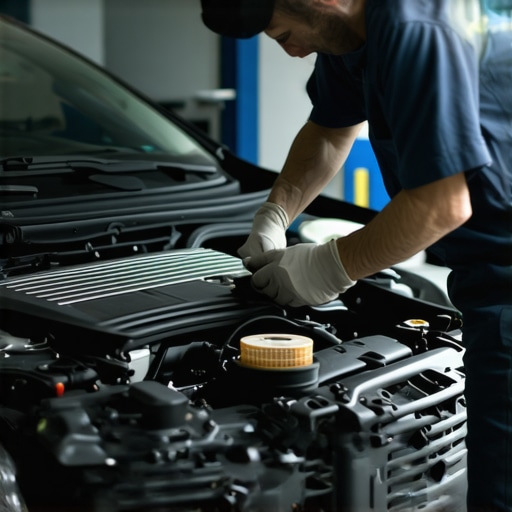
Using cheap oil filters or incorrect viscosity can cause engine strain. Always opt for OEM or approved filters and oils. Regular oil changes, approximately every 5,000 miles, prevent sludge buildup and maintain engine efficiency. If you want to verify your oil change was done correctly, learn more here.
Check for Hidden Leaks and Water Intrusion
While water leaks inside the cabin are unrelated, engine oil leaks can cause poor combustion and lower MPG. Look for pools of oil or stains under the vehicle. For water getting into sensitive areas like the intake system, consult this guide.
Regular Maintenance Keeps Your Engine Happy
Adhere to scheduled maintenance as outlined in your owner’s manual. A poorly maintained vehicle works harder, burning more fuel. If you notice any hesitations, stalls, or unusual noises, address these immediately by consulting a professional or following diagnostic guides.
 Many car owners operate under misconceptions about transmission systems, routine service schedules, and certifications like ASE. One common myth is that all transmission fluid is created equal; in reality, modern transmissions—especially CVTs—require specialized fluids to prevent prematurely damaging the system. Using standard automatic transmission fluid in a CVT can lead to shuddering and slipping, which is often misdiagnosed as a more serious issue. For an in-depth look at how to differentiate between simple top-offs and full rebuilds, check out this guide.
Another nuanced mistake involves the perceived necessity of frequent oil changes. While routine oil changes are vital, many believe that they alone guarantee transmission longevity or engine health, which isn’t true. For instance, neglecting to address hidden sludge traps during oil changes can cause long-term damage, as explained in this article. Regular oil changes prevent sludge buildup, but only if performed correctly with the right products and procedures.
Regarding ASE certifications, many assume that a tech’s badge guarantees flawless diagnostics and repairs. While ASE certification indicates a certain level of competence, it doesn’t replace essential communication or diagnostics skills. An ASE tech might refuse to install customer-supplied parts for liability reasons, or because they trust in their agency-approved standards. Be aware of the distinction between certification and actual expertise, especially when tackling complex issues like misdiagnosed transmission hesitations or engine misfires.
**Making the Right Moves**: Falling into these common traps can cost you time and money, and worse, lead to severe mechanical failures. For example, ignoring symptoms of a clogged catalytic converter, which can be mistaken for simple fuel economy issues, may cause exhaust backpressure and engine damage if left unchecked. Always question assumptions—does your car need just an oil change or a more comprehensive inspection? Have you ever fallen into this trap? Let me know in the comments.
For the advanced car enthusiast, paying attention to these nuanced distinctions ensures your vehicle runs optimally and lasts longer. Remember, understanding the subtle differences and avoiding typical pitfalls is what separates a casual owner from a seasoned DIYer or a knowledgeable mechanic. Keep learning, and your car will thank you.
Empowering Your Maintenance Routine with the Right Equipment
Keeping your vehicle in top shape over time demands more than just basic know-how; it requires the right tools that ensure precision and safety. I personally rely on a high-quality digital multimeter like the Fluke 117, which allows me to quickly diagnose electrical issues such as faulty sensors or wiring problems—crucial for maintaining modern cars’ complex systems. For fluid checks, a laser infrared thermometer helps me verify engine and transmission temperatures accurately, preventing potential overheating early. Using specialized tools enriches your ability to perform precise diagnostics, reducing reliance on guesswork.
Leveraging Software for Smarter Diagnostics
In the era of connected cars and onboard diagnostics (OBD-II), software plays a vital role. I recommend the Autel Maxisys Elite scan tool because of its expansive compatibility with various makes and models, along with its advanced data logging capabilities. It allows me to access deep systems like transmission control modules, giving insights often invisible to standard scanners. For the tech-savvy, integrating diagnostic data with apps like DashCommand provides real-time insights and historical trends, making long-term maintenance planning more informed. Embracing these digital tools can streamline your repairs and help you catch issues before they become costly problems.
Routine Maintenance Strategies That Save You Money
Consistency is key. Performing regular oil changes with high-quality synthetic oils not only sustains engine health but also prevents sludge buildup. I always choose oils like Mobil 1, which meet or exceed OEM specifications, especially for high-mileage or turbocharged engines. Additionally, periodic transmission fluid check-ups—particularly in automatics—prevent slipping and hesitation issues. As noted by industry experts, the longevity of your transmission depends heavily on early and consistent fluid management.
Tools I Use to Detect Hidden Problems
Some issues hide beneath routine checks. For instance, I utilize a borescope camera to inspect internal components like valves and combustion chambers without dismantling major parts, saving both time and money. For leaks—particularly water intrusions—an ultrasonic leak detector reveals even minor escapes that escape visual inspection. These tools give you a proactive edge, enabling maintenance before catastrophic failures occur. Remember, the investment in proper diagnostics equipment today can save you from major repairs down the line.
What’s Next in Vehicle Maintenance Technology?
Looking forward, advancements like AI-driven diagnostics and machine learning will further personalize maintenance schedules. Vehicles will soon communicate issues directly to your smartphone, providing guidance on necessary repairs and parts replacements. Staying current with these trends can ensure your vehicle remains reliable and costs stay predictable.
How do I maintain transmission health over time?
Adopting a proactive approach, like scheduling regular transmission fluid exchanges with OEM-approved products, extends transmission life significantly. Remember that modern transmissions, especially CVTs, require specialized fluids and precise procedures to prevent early failure. For detailed guidance, check out this resource. Try scheduling a transmission fluid flush using a professional-grade machine—it’s a game-changer for long-term reliability. Incorporating diagnostic tools into your routine ensures that your vehicle’s heart keeps beating smoothly for miles ahead.Reflecting on my experience with transmission maintenance, I realized that the biggest lesson was understanding the nuanced needs of different systems rather than applying a one-size-fits-all approach. The importance of using specialized fluids for CVTs, for example, became clear after a costly misdiagnosis. Moreover, I learned that relying solely on certifications like ASE without asking detailed questions can lead to overlooked issues—I’ve seen technically certified mechanics miss critical signs of wear that an experienced DIYer might catch. Patience and continual learning are vital; jumping into repairs without proper knowledge can lead to further damage. Finally, sharing knowledge with fellow enthusiasts not only accelerates understanding but also helps build a community committed to longevity over quick fixes.