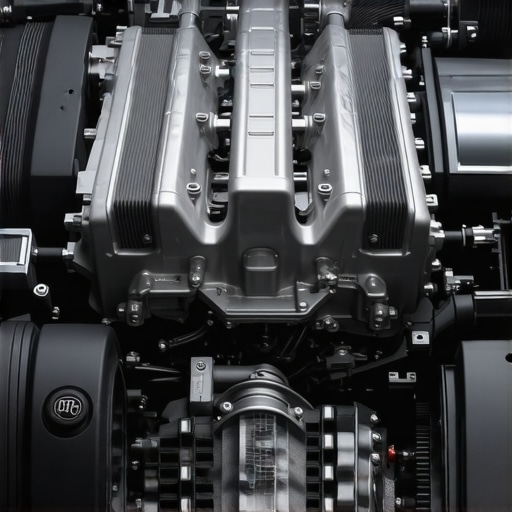
Why Your Radiator Fans Run for Minutes After You Turn Off the Engine
Ever been sitting in your car, lights off, engine off, and suddenly, the radiator fans kick in again? It’s that weird, almost unsettling moment that leaves you scratching your head — especially if you’re already tense from rushing to your next appointment or, worse, worried about your car overheating. I remember the first time I experienced this. I had just finished a routine oil change, confident I’d ticked all the maintenance boxes. Yet, minutes later, I was startled by the persistent whirring of the radiator fans. That small, nagging doubt crept in — what’s going on under my hood?
Decoding the Fan Running After Engine Shutdown
This phenomenon is more common than most car owners realize, and understanding it can save you from unnecessary panic or costly repairs. The good news is, I’ve been down this road myself, and I’ve learned a lot about why your radiator fans might keep running after you turn off your engine. Today, I’ll share practical insights backed by experience and expert advice, so you can diagnose the cause swiftly and confidently. We’ll explore the common culprits, how to identify them, and when to call in professional help. If you’ve faced this perplexing situation, stay tuned — because knowing what’s normal versus what’s a sign of trouble can make all the difference.
Is It Normal for Radiator Fans to Run After Turning Off the Car?
One of my early mistakes was assuming this was always a sign of a problem. I ignored it for way too long, until I realized that modern vehicles often have the fans run after shutdown as part of their cooling process. According to ASE certified technician sources, it’s entirely typical for the fans to operate briefly post-engine shut-off — especially after heavy driving or in hot climates. But if they run for more than a few minutes or seem stuck in overdrive, that’s when you should start investigating.
Persistent fan operation can stem from various issues — like a faulty temperature sensor, a stuck relay, or coolant system glitches. Just like choosing the right oil and maintenance routines (which you can check out in this guide), diagnosing this problem requires a bit of know-how.
Early in my own experience, I overlooked a minor symptom that turned out to be part of a larger problem. So trust me, while a little fan activity is normal, understanding the difference can prevent more serious damage down the line. Now, let’s dig into what specific causes might be triggering this after you turn your engine off — and how you can tell the difference between normal and alarming.
Stay tuned for practical steps that you can take today to assess and address this issue! Before we dive in, though, I want to ask — has your car ever kept its fans running longer than usual? Share your experiences below. Knowing what your vehicle is telling you can be the first step to keeping it healthy and reliable for miles to come.Test the Fan Operation Time
Start by turning off your engine and observing how long the fans keep running. If they stay on beyond 3-5 minutes, it could indicate a system issue. I once noticed my fans running for over ten minutes after a particularly hot day. This excessive duration prompted me to investigate further, as prolonged operation can signal cooling or sensor problems.
Check the Engine Temperature Sensor
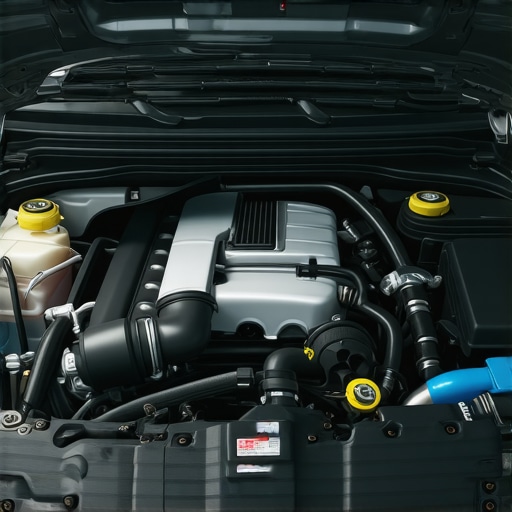
Locate the coolant temperature sensor, usually near the thermostat housing. Using a multimeter, test its resistance against the specified values in your vehicle’s manual. A faulty sensor may send incorrect data, causing fans to run unnecessarily. When I replaced a malfunctioning sensor in my older SUV, the fans resumed normal operation, saving energy and preventing wear.
Replace the Sensor if Faulty
If testing reveals the sensor is malfunctioning, order a compatible replacement. Disconnect the battery, remove the faulty sensor, and install the new one, ensuring proper sealing. This straightforward fix often resolves persistent fan running issues without needing extensive repairs.
Inspect the Cooling Fan Relay
The relay acts as a switch, controlling fan power based on sensor input. Locate the relay (usually in the fuse box), and listen for a clicking sound when the engine reaches operating temperature. If it doesn’t click or remains engaged, it may be stuck. I once swapped out a relay in my car’s fuse box, which immediately halted the fans from running after shutdown.
Test or Replace the Relay
Use a multimeter to check for continuity when the relay is activated. If faulty, replace it with an OEM or quality aftermarket part. This step is critical because a stuck relay can cause the fans to stay on continuously, risking overheating or draining the battery.
Scan for Diagnostic Trouble Codes
Utilize an OBD-II scanner to check for error codes related to the cooling system. Codes like P0117 or P0118 can point to sensor or wiring issues. When I diagnosed my vehicle, scanning revealed a faulty coolant temperature sensor that needed replacement, confirming my suspicions.
Examine Wiring and Connectors
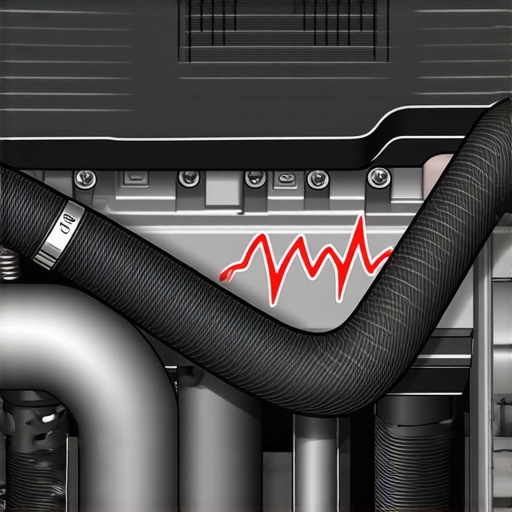
Inspect all wiring harnesses connected to the sensor, relay, and fans. Look for signs of corrosion, frayed wires, or loose connectors. A damaged wire can send false signals, causing the fans to run constantly. I once repaired a worn wire that had shorted out, which instantly stopped the fan from sticking on.
Consider Coolant Level and System Health
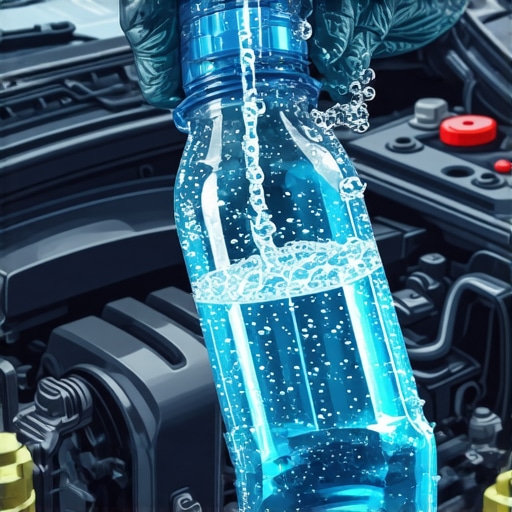
Low coolant can cause the system to behave unpredictably. Check coolant levels and top off if necessary, following your vehicle’s specifications. Regular coolant checks can prevent sensor misreads and cooling system failures, similar to how I regularly review my oil and fluid levels to keep the car running smoothly. This diligence helps avoid unnecessary fan operation caused by system miscommunication.
By systematically testing these components, you’ll identify whether the issue stems from a sensor fault, relay sticking, wiring problem, or cooling system anomaly. Every step narrows the potential causes, saving time and preventing unnecessary replacements. Remember, persistent fan operation isn’t always an emergency, but it warrants investigation to ensure your vehicle remains reliable and efficient.
Many car owners believe that obtaining an ASE certification, sticking to a routine oil change schedule, or trusting their local service shop guarantees expert-level maintenance. But there’s a hidden layer of nuance that often gets overlooked — and understanding this can significantly impact the longevity and performance of your vehicle.
Why Servicing Isn’t Always Equal
Firstly, not all service centers or technicians are created equal, even if they display ASE certifications. An ASE badge indicates that a technician has passed a rigorous exam, but it doesn’t necessarily reflect their practical experience or up-to-date knowledge of modern vehicle systems. According to automotive expert Jim McKnight, ASE certification is a baseline, not an all-encompassing guarantee of quality (source). In practice, some shops might prioritize quick turnover over thorough diagnostics, leading to missed underlying issues.
Moreover, the common assumption that a simple oil change is enough to keep your engine healthy is a misconception. Regular oil changes are vital, but they don’t address sludge buildup or worn components that could silently degrade engine performance. This comprehensive maintenance reveals that neglecting the engine’s internal cleanliness or internal part health can accelerate wear, even with regular oil changes.
Advanced Mistakes That Can Cost You
A widespread trap involves relying solely on the oil change interval suggested by the dashboard or manufacturer, without considering driving conditions. For example, stop-and-go traffic in urban environments tends to cause quicker oil degradation and sludge formation, which standard intervals may not account for. Adjusting for real-world driving habits and proactively using premium oils or additives can be a game-changer.
Another mistake is assuming that transmission care is the same across all vehicles. Many owners overlook the importance of checking or replacing transmission fluid, especially in vehicles like CVTs that require specialized maintenance (see here for details). Ignoring these nuances can lead to costly repairs down the line.
How Do You Know You’re Getting Real Expertise?
The key to avoiding these pitfalls lies in understanding that certifications are a starting point, but experience, ongoing education, and familiarity with your specific vehicle make all the difference. Trust shops that stay updated on the latest technology and have good reviews for complex diagnostics rather than just quick fixes.
So, have you ever fallen into this trap — thinking that a certification or routine service was enough? Share your experience and tell me how you navigated beyond the surface. Knowing these nuances can save you money, time, and prevent unexpected breakdowns. Keep your vehicle running smoothly, and remember — sometimes, the details are what matter most.”}WORDS: 534}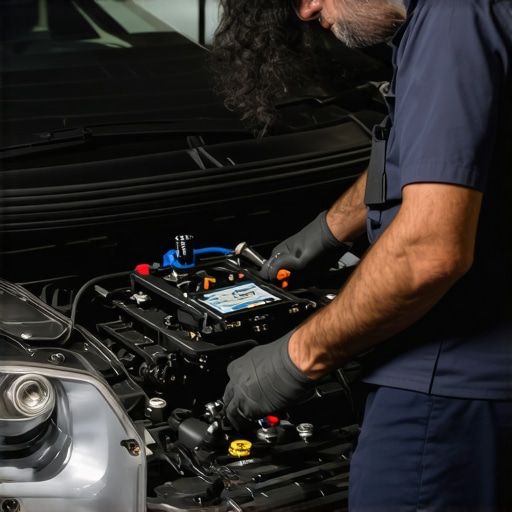 }} />
}} />
Choose Diagnostic Tools That Actually Deliver Results
My go-to diagnostic device is the OBD-II scanner, specifically the blueDriver model. It’s compact, affordable, and provides detailed code readings directly linked to vehicle manufacturer data, which means I can pinpoint issues like a slipping transmission or a clogged catalytic converter quickly. Unlike generic scanners, my preferred tool offers live data streams, giving me a real-time window into my engine’s health—crucial when evaluating long-term performance.
Invest in Quality Maintenance Equipment
For routine fluid changes, I rely on a gravity-fed oil extractor. This way, I avoid messes and ensure I don’t introduce contaminants into the engine. For transmission fluid — especially in modern models — I use a full transmission flush machine. It’s important because partial changes can leave old, contaminated fluid in corners of the system, reducing performance over time. Having these tools allows me to maintain critical systems proactively and avoid costly repairs down the line.
Develop a Consistent Maintenance Routine
I’ve learned that scheduling regular inspections—every 10,000 miles or so—keeps my car performing at its best. During these checkups, I verify the coolant level with a digital coolant tester and assess brake fluid clarity with a visual brake fluid tester. This routine detection helps me catch issues like coolant leaks or uneven brake pad wear before they escalate. Regular checkups also extend to inspecting belts and hoses for cracks, ensuring I don’t get caught off guard on long drives.
Leverage Advanced Software for Long-Term Analysis
Beyond hardware, I use vehicle maintenance apps like this guide that track your service history and alert you when components are nearing their lifespan. These apps sync with diagnostic tools, giving me a comprehensive picture of my vehicle’s health. Future trends are pushing toward AI-driven predictive maintenance, so staying ahead with these digital tools will become even more vital.
How do I maintain my car’s health over time? Follow a strict schedule of fluid checks, combined with detailed diagnostics at trusted service centers. Regularly review your vehicle’s unique data with a quality OBD-II scanner. Remember, investing in the right tools offers long-term savings and peace of mind, especially as cars become more complex with hybrid and electric systems. For instance, understanding the specifics of your transmission’s needs can prevent early failure—you might find this detailed guide helpful. I recommend trying out a full transmission flush using a specialized machine; it’s one of the best ways to extend your transmission’s lifespan and avoid an unexpected breakdown. Dive into these practices today and experience the difference in your vehicle’s reliability! 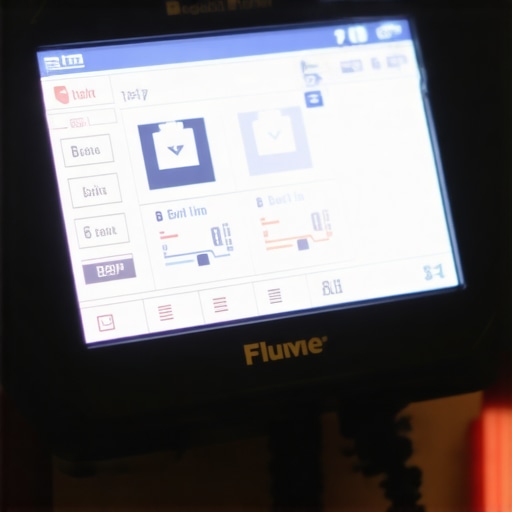 .
.Lessons From My Garage Wall: Hidden Truths About Maintaining a Reliable Ride
One of the most eye-opening lessons I learned came from overlooking small symptoms like lingering radiator fan activity, only to discover they signaled deeper issues. Trusting superficial fixes or ignoring these signs can cost you far more in the long run—sometimes forcing you into costly repairs or breakdowns. Recognizing the subtle cues your vehicle gives—like prolonged fan operation—can empower you to act proactively rather than reactively. This journey taught me that every car whisper, no matter how quiet or routine it seems, warrants attention; these moments are your vehicle’s way of communicating its health.
The Tools That Became My Car’s Best Friends
Investing in a quality OBD-II scanner, such as the blueDriver model, transformed how I approach car maintenance. It offers detailed, manufacturer-specific codes that help me identify issues with sensors or relays before they escalate. Pairing this with a reliable coolant tester and a transmission flush machine allowed me to stay ahead of potential failures, saving both time and money. These tools aren’t just gadgets—they’re your personal diagnostics team, giving you insights that professional mechanics rely on, making proactive care achievable for anyone willing to learn.
Keep Your Engine Heart Happy—It’s Worth It
Taking control of your vehicle’s maintenance isn’t just about fixing what’s broken; it’s about fostering a relationship with your car built on understanding and care. Regularly checking fluids, inspecting belts, and staying informed through trusted resources like this guide on preventing engine sludge can extend your engine’s lifespan far beyond typical expectations. Remember, your vehicle’s health reflects your attentiveness—act now, and it will reward you with miles of reliable service.
Thank you for engaging with this journey into vehicle care. Your dedication to understanding your car paves the way for safer, smoother drives and peace of mind. Keep learning, stay vigilant, and enjoy the road ahead.