Why Your Brake Pedal Goes to the Floor When You are Stopped at a Light
Have you ever come to a complete stop at a red light, only to find your brake pedal slowly sinking to the floor? It’s a quiet, unnerving feeling—like your brake system is betraying you just when you need it most. I remember the first time it happened to me: I was idling at a busy intersection, pressing the brake firmly, expecting to hold my position. Instead, I watched in horror as my pedal sank lower, and I had to rear back to keep my car from creeping forward. It was a lightbulb moment that my braking system was in trouble, but I had no idea where to start.
How a Failing Brake System Can Turn Dangerous
When your brake pedal goes to the floor, it’s more than just an inconvenience—it’s a serious safety concern. It indicates that the hydraulic pressure required to stop your vehicle isn’t building up properly, which could be caused by a leak, air in the system, or worn components. Early on, I thought it was just a minor issue, but ignoring it could lead to total brake failure, especially on busy streets or hilly terrain. If you’ve experienced this problem, you already know it’s equally frustrating and intimidating. But don’t worry—many brake problems stem from fixable causes, and I’ll guide you through understanding them.
Research shows that brake system failures account for a significant portion of vehicle accidents involving brake malfunction, underscoring the importance of addressing this issue promptly (source: NHTSA). As someone who’s been there, I can tell you that catching the problem early saves lives—and a lot of money.
Is Fixing Your Brake Pedal to the Floor Actually Worth the Effort?
Early in my own repair journey, I made the mistake of dismissing a soft or sinking brake pedal as a simple air bubble or minor leak, only to find out later that neglecting it had caused more extensive damage. This taught me that understanding the root cause is crucial. Fixing this issue isn’t always complicated—it can sometimes be as simple as bleeding the brake lines—but ignoring it can lead to catastrophic failure. Today, I’ll walk you through common causes and practical solutions to get your brakes back to reliable stopping power, without the guesswork.
Now, let’s plunge into the real reasons why your brake pedal might be sinking and what you can do about it, step by step.
Assess the Brake Fluid Level and Quality
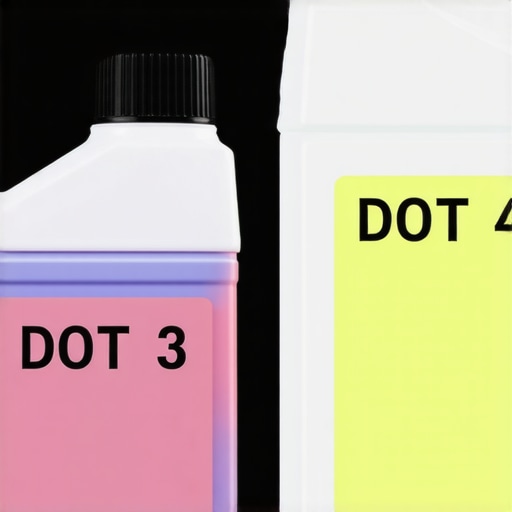
Begin by checking your brake fluid reservoir. A low or contaminated brake fluid can cause the pedal to sink. Remove the cap and inspect the fluid level—if it’s below the minimum or looks dark and dirty, top it off with fresh, manufacturer-recommended brake fluid. For detailed guidance on brake fluid maintenance, visit https://autofixclinic.com/how-to-flush-your-own-brake-lines-without-getting-air-in-the-system. Remember, never reuse old brake fluid, as it can cause corrosion and brake failure.
Inspect for Leaks and Damage in the Brake Lines
Next, examine the brake lines for signs of leaks, cracks, or damage. Follow the lines from the master cylinder to each wheel. Look for wetness, especially near fittings and joints. Use a flashlight for a thorough view. A leak in the hydraulic system reduces pressure, leading to a soft pedal. If you find any issues, you may need to replace damaged lines or fittings; consult a professional if you’re unsure.
Bleed the Brake System to Remove Air Bubbles
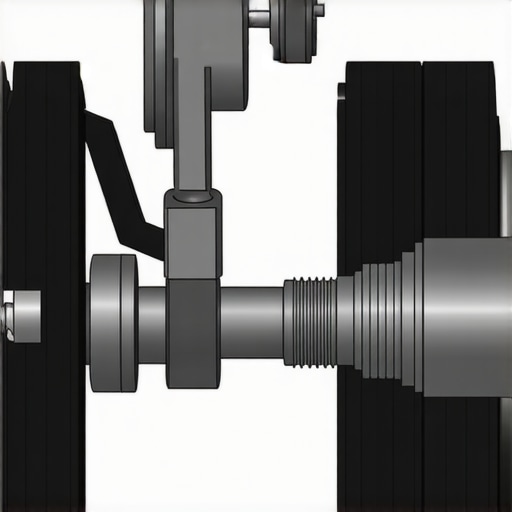
Air in the brake lines can compress under pressure, causing the pedal to sink. Bleeding the brakes forces air out and restores hydraulic pressure. Connect a clear hose to the bleeder valve at each wheel and a container with brake fluid. Have an assistant press and hold the brake pedal, then open the valve to release trapped air. Close the valve before releasing the pedal. Repeat the process at all wheels until the pedal firms up. For precise steps, refer to https://autofixclinic.com/how-to-flush-your-own-brake-lines-without-getting-air-in-the-system. Proper bleeding is crucial for reliable braking performance.
Replace Worn or Faulty Master Cylinder Components
If bleeding doesn’t improve pedal feel, the master cylinder may be faulty. Generally, the internal seals or piston are worn, allowing fluid bypass or air ingress. Replacing the master cylinder involves removing it from the brake booster, disconnecting lines, and installing a new unit. Be sure to bench-bleed the new master cylinder to remove any trapped air. When in doubt, consulting an ASE-certified mechanic ensures the job is done correctly.
Double-Check and Test Brake Performance
After completing repairs, refill the brake fluid, bleed the system again if necessary, and test the brakes in a safe area. Ensure the pedal feels firm and responsive. If the pedal still sinks or the braking feels spongy, revisit the steps or seek professional diagnosis. Regular maintenance, including engine oil checks, can prevent systemic issues—discover more about oil concerns at https://autofixclinic.com/why-your-engine-oil-level-is-rising-instead-of-falling. Remember, safety depends on your brakes working flawlessly every time you press down.
Many car owners believe they understand vehicle maintenance, but the truth is, some widespread beliefs are actually myths that can lead to costly mistakes. One common misconception is that all oil changes are created equal; however, the type of oil used and the service interval can significantly impact engine longevity. For instance, switching between synthetic and traditional oils isn’t just about cost—synthetic oils often offer better protection at higher mileages, especially if your engine is pushing past 100,000 miles, as discussed in https://autofixclinic.com/why-your-high-mileage-engine-suddenly-craves-thicker-oil.
Another false belief is that transmission fluid can last forever. Many assume it’s a lifetime fill, but neglecting regular flushes can cause the gearbox to develop hesitation when shifting into reverse, a problem detailed at https://autofixclinic.com/the-real-reason-your-gearbox-hesitates-when-you-shift-into-reverse. Proper service schedules are crucial because contaminated or old fluid leads to increased wear and eventual failure.
Many think that ASE certification guarantees a mechanic’s expertise in every aspect of vehicle repair. Actually, ASE certification indicates a recognized level of knowledge in specific areas, but it doesn’t assure current diagnostic skills or integrity. This misconception can trap owners into paying for unnecessary repairs, or worse, missing critical issues. The actual value of ASE certification is better understood when examining what it guarantees, as outlined in https://autofixclinic.com/what-an-ase-certification-actually-guarantees-for-your-engine.
Now, consider the nuances many overlook: different models respond uniquely to service procedures. For example, some vehicles’ engines develop an internal sludge buildup that standard oil changes miss—particularly in older cars—highlighted in https://autofixclinic.com/the-sludge-prone-engine-part-most-oil-change-shops-completely-ignore. Failing to recognize these specific needs can diminish engine health over time.
Another advanced mistake involves transmission service procedures. Not all flushes are equal; aggressive cleaning can dislodge debris that then causes more harm than good if not managed properly. A thorough understanding reveals that a tailored approach is imperative, as explained at https://autofixclinic.com/the-secret-to-making-your-transmission-last-over-300000-miles. So, before scheduling the next service, ask your mechanic about their method—it’s a simple step that can save your transmission.
Finally, beware of the trap of believing that regular maintenance alone is enough to keep your car perfect. Hidden issues, such as slight leaks or sensor failures, can creep in unnoticed if you rely solely on scheduled intervals. Regular diagnostic checks, especially with the help of experienced ASE-certified technicians, can identify problems early, avoiding expensive repairs later.
Have you ever fallen into this trap? Let me know in the comments. Understanding these nuances is essential for making smarter maintenance decisions—and ultimately, extending your vehicle’s lifespan.
Maintaining a vehicle over time requires more than just routine oil changes; it demands precision, reliable tools, and a strategic approach. As a seasoned DIY enthusiast and ASE-certified technician, I rely on specific equipment and methods that have proven invaluable in ensuring my car stays healthy and performs optimally for years to come.
Invest in a Digital Inspection Mirror and a Quality Flashlight
For thorough examinations of engine bays and hard-to-reach components, a magnetic LED inspection mirror coupled with a high-intensity flashlight are my go-to tools. They allow me to see behind the serpentine belt, check for cracks or leaks, and verify belt tension without disassembling major parts. Regular visual inspections using these tools help catch issues early, especially in areas where dirt and grime tend to hide problems.
Utilize an OBD-II Scanner with Extended Capabilities
Modern vehicles communicate extensively via the OBD-II system, making a reliable scanner essential. I prefer a Bluetooth-enabled diagnostic scanner that connects to my smartphone, enabling me to retrieve live data, clear codes, and monitor parameters like fuel trim and boost pressure. This approach empowers me to identify issues such as faulty sensors or minor engine misfires before they cause major damage. For a detailed understanding of engine health, I frequently check how to verify your ASE tech’s diagnoses.
Master Brake Fluid and Transmission Fluid Testing Kits
Long-term vehicle performance hinges on fluid quality. I use specialized testing kits that analyze brake fluid and transmission fluid for contamination, moisture content, and viscosity. These tools help me determine whether a flush or complete fluid change is necessary, beyond just scheduled intervals. Proper fluid maintenance reduces wear on critical components and extends their lifespan. Moreover, understanding the nuances, such as the importance of compatible fluids for high-mileage engines, ensures my vehicle keeps running smoothly and safely.
Skip the Guesswork with a Digital Torque Wrench
Over-tightening or under-tightening bolts can cause long-term damage. I rely on a digital torque wrench that provides precise torque specifications for everything—from wheel lug nuts to suspension components. When I installed new rotors or replaced a water pump, I used this tool to ensure proper assembly, which directly influences the longevity and safety of my repairs. Using correct torque specifications, especially for critical parts like the water pump, helps prevent future failures.
Predicting Future Trends in Tool Technology
Looking ahead, the integration of AI-driven diagnostics and wireless sensor networks promises to revolutionize vehicle maintenance. Imagine sensors embedded in vital components that transmit real-time data about wear and tear, alerting you or your mechanic long before a failure occurs. As these technologies develop, adopting such tools now could position you ahead of the curve, saving time and money in the long run.
How do I keep my vehicle running smoothly over time?
The key lies in proactive maintenance—regular inspections, using the right diagnostic tools, and staying informed on new tech. For example, routinely testing your brake fluid with specialized kits can prevent squealing and brake failure, as discussed at https://autofixclinic.com/how-to-flush-your-own-brake-lines-without-getting-air-in-the-system. Don’t wait for warning lights—be attentive and precise in your approach. For your next step, try calibrating your torque wrench before your next critical repair to ensure all bolts meet manufacturer specifications, protecting your investment and safety.
Rare Lessons From a Sinking Pedal
One of my most enlightening moments came when I realized that a soft or sinking brake pedal isn’t just a small inconvenience but a warning sign of deeper issues beneath the surface. I used to dismiss it as air in the lines or minor leaks, but ignoring that led me to costly repairs and, more critically, safety risks. Now, I know that every soft pedal is a conversation from your car, urging you to listen carefully to prevent catastrophic failure.
The Power of Knowing When to Reconsider Routine Checks
Initially, I thought topping off brake fluid or bleeding the system occasionally was enough. However, I discovered that regularly checking the fluid quality and understanding the subtle signs of wear can save you from surprises. Paying close attention to fluid color, viscosity, and clarity—especially if you’ve logged thousands of miles—can be a game-changer, preventing issues before they escalate.
What Really Matters in Brake System Repairs
Through hands-on experience, I learned that fixing a sinking brake pedal often involves more than just replacing parts; it’s about understanding the full picture. Sometimes, a master cylinder rebuild suffices, but other times, underlying issues like worn lines or contaminated fluid demand comprehensive attention. Recognizing when a simple bleeding isn’t enough has been a vital lesson in responsible vehicle maintenance.
Tools That Make a Difference in Diagnosing Brake Woes
Investing in quality diagnostic tools—like a reliable OBD-II scanner and fluid testing kits—has transformed my approach. These tools provide real-time insights and allow for precise maintenance, saving time and avoiding guesswork. They’ve taught me that proactive, informed steps are infinitely more effective than reactive fixes.
Personal Reflection: The Value of Precision in Vehicle Care
In my journey of maintaining vehicles, I’ve learned that small details matter profoundly. From properly bleeding brakes to selecting the right fluids, each step influences safety and longevity. Embracing a meticulous mindset, grounded in continuous learning—such as understanding complex systems that affect brakes or transmissions—can truly elevate your vehicle care routine. For example, knowing that contamination in brake fluid can silently degrade performance reminds me to perform regular checks with trusted tools.
Curated Tools That I Trust in My Daily Routine
My essential toolkit includes a magnetic inspection mirror, a high-quality flashlight, and an advanced Bluetooth-enabled OBD-II scanner. These tools empower me to diagnose issues early, especially in hard-to-reach areas like behind brake calipers or within the engine bay. I also rely on specialized testing kits for brake and transmission fluids, which have been instrumental in catching problems before they become emergencies. These resources have gradually built my confidence and competence in vehicle maintenance.
Believe in Progress, Not Perfection—Your Next Step Awaits
The road to mastering your vehicle’s health is ongoing, and every lesson learned increases your confidence. Remember, even small maintenance actions—like ensuring your brake fluid remains uncontaminated or using a digital torque wrench for critical bolts—can make a huge difference in safety and performance. If you stay curious and proactive, you’ll find that maintaining a trustworthy brake system becomes less daunting and more rewarding. What’s the first thing you plan to check on your vehicle today? Share your thoughts below.