How to Identify the Source of That Metallic Scraping Near Your Wheels
Walking out to start my car after a quick oil change, I heard it—this unsettling metallic scraping noise near my wheels. My stomach sank. It’s a sound that instantly triggers worry, but also confusion. Is my brake pad failing? Is it something worse? In the past, I’d ignore such noises, attributing them to road debris or minor brake dust, only to find later a costly repair. That lightbulb moment pushed me to really understand how to identify the source of those distressing sounds.
If you’re like I was, you probably have experienced that sudden, almost gut-wrenching noise when you hit the road, especially after a routine service. The good news? You don’t have to be a mechanic to figure this out; with a little knowledge, you’ll be able to assess whether it’s a quick fix or an urgent matter requiring professional attention.
Pinpointing the Metallic Scraping: What’s Really Going On?
Before diving into the nitty-gritty, let me ask—have you ever ignored a strange noise because you thought it was nothing? Many folks, myself included, have made this mistake early in our car repair journey. I used to think occasional squeaks or scrapes were normal or just the result of driving over rough roads. However, overlooking these signs can lead to significant damage, even dangerous driving conditions.
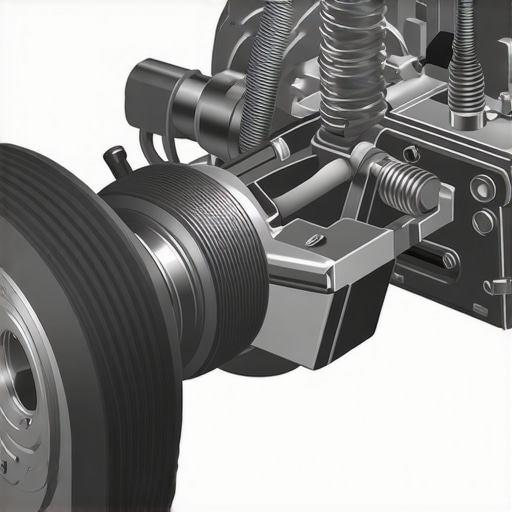
In my experience, the first step in diagnosing metallic scraping is to listen carefully and note when it happens. Is it only during braking? Or does it occur while turning or when hitting bumps? These clues can narrow down potential causes, such as worn brake pads, a sticking caliper, or even debris lodged between the rotor and the shield. Sometimes, a visual inspection reveals rust buildup, uneven pad wear, or loose components that are vibrating against the rotor.
Understanding these symptoms is crucial. I learned early on that not every squeal or scrape is a crisis, but neglecting persistent noises can lead to more severe issues—like a shattered rotor or compromised suspension. To get a clearer picture, I recommend checking your brake components and wheel assembly thoroughly. If you’re unsure or uncomfortable, consult a professional. For more detailed guidance, you might want to explore expert insights on fleet maintenance best practices.
Now that we understand why paying attention to these sounds matters, let’s explore the most common sources of metallic scraping and how to identify them yourself. It’s easier than you think, and catching these issues early can save you hundreds of dollars and keep you safe on the road.
Check Brake Pads and Rotors Immediately
After noticing the metallic scraping noise, the first step is to inspect the brake components. Jack up your vehicle safely and remove the wheel to access the brake assembly. Look for uneven wear, rust buildup, or any debris lodged between the pad and rotor. I vividly remember the time I found a tiny stone stuck, which caused the noise; removing it resolved the issue swiftly. Use a flashlight and a mirror to examine the inner side of the rotor and pads carefully. Replace worn pads or remove obstructions as necessary.
Assess Brake Pad Thickness
Use a caliper or a simple ruler to measure the brake pad thickness. If the lining is less than 3mm, it’s time to consider replacing the pads. Worn pads often cause metal-to-metal contact, leading to scraping sounds during braking. Check for uneven wear; if one pad is significantly thinner, prioritize replacing both to maintain braking performance and prevent further damage.
Inspect the Brake Rotor Condition
Look for scoring, grooves, or cracks on the rotor surface. Residual rust can also cause noises if the rotor surface isn’t smooth. For minor surface rust, a rotor cleaning with brake cleaner and a wire brush may suffice. Severe scoring or warping warrants rotor replacement. Remember, rotor warping can cause pulsating brakes along with noise, similar to when I ignored a slightly warped rotor until it started threatening my safety.
Examine Wheel and Hub Components
Next, check for loose lug nuts—tighten them with a torque wrench to manufacturer specifications. Loose wheels can vibrate and produce scraping sounds. Also, inspect the hub area for debris or rust buildup. A well-lubricated wheel bearing ensures smooth rotation; a failing bearing can produce metallic noise. Listen carefully while spinning the wheel; roughness or play indicates a faulty bearing needing replacement.
Identify Debris or Foreign Objects
Sometimes, small stones, gravel, or lost brake hardware get lodged between the rotor and backing shield, causing scraping noises. During your inspection, look for any foreign objects and remove them carefully. A quick test drive afterward can confirm if the noise persists.
Evaluate Brake Calipers and Sliding Pins
Sticking calipers can cause uneven braking and scraping sounds. Remove the caliper to check the sliding pins for corrosion or lack of lubrication. Clean with brake cleaner and relubricate with high-temperature brake grease. Remember, if calipers are seized, the system may need professional service, especially to avoid further damage.
Check the Brake Wear Sensors
If your vehicle has brake wear sensors, a worn or damaged sensor may cause squeaking or scraping sounds. Inspect the sensor wires and connections. Replace sensors as needed to prevent false alerts and maintain proper brake performance.
Confirm Proper Installation During Oil Change
Finally, review the recent oil change procedure. Sometimes, during routine maintenance, components like wheel covers or dust shields may be improperly repositioned, causing intermittent contact with the rotor. Ensure everything is reassembled correctly. I once reinstalled a wheel without tightening the lug nuts fully, which resulted in a minor wobble and noise. Always double-check torque specifications.
If you find that after completing these steps the noise persists, or you’re uncomfortable inspecting certain components, professional diagnostics are advisable. Many issues, like a failing transmission or worn suspension parts, can mimic or contribute to metallic noises, so thorough inspection is vital to ensure your safety and vehicle longevity.
 Many drivers assume that an oil change is just about draining old oil and filling in new, but the reality is far more nuanced. A common myth is that using synthetic oil always guarantees superior engine protection. While synthetic oils do offer benefits like better temperature stability and longer intervals, not all synthetics are created equal, and choosing the wrong type can lead to unforeseen engine damage, especially in high-mileage or heavily tuned engines. Dive into the details of oil formulations and understand why consulting an ASE-certified technician is crucial for making the right choice.
What Advanced Signs Indicate Your Transmission Is on the Brink, Beyond the Usual Slipping?
One often-overlooked aspect is that subtle transmission hesitation or shuddering may be caused by issues like a degraded solenoid or contamination in the transmission fluid, which tends to be masked by normal driving conditions. Relying solely on the typical signs like slippage overlooks these subtler clues, risking costly repairs later. A study in automotive diagnostics highlights that early detection of such issues through advanced diagnostics can save you thousands and extend transmission lifespan. Additionally, many assume that all ASE certification guarantees top-tier knowledge; however, some technicians may focus on quick fixes rather than comprehensive diagnostics, especially in high-volume shops. Learning to recognize the difference can help you demand better service and avoid unnecessary replacements. Proper maintenance involves understanding the specific needs of your vehicle’s transmission, especially with modern CVT or dual-clutch systems that require specialized fluids and expertise. For instance, overfilling automatic transmissions can trigger a cascade of problems, including foaming and accelerated wear, which many overlook. To prevent this, always verify fluid levels and types with a professional who understands your vehicle’s exact specifications. Regular inspections of transmission fluid quality, alongside aware of nuanced symptoms like slight delay in engagement or first gear jerks, can make a significant difference.
Are you aware of the sophisticated signals your vehicle gives that indicate deeper issues? Paying attention to these signs and consulting specialized diagnostic resources can help you stay ahead of potential failures. If these insights resonate with you, share your experiences or questions below—let’s keep the conversation going!
Investing in Precision Tools Ensures Lasting Performance
When it comes to maintaining your vehicle, high-quality, reliable tools are non-negotiable. I personally rely on a digital torque wrench set, like the Snap-on Electronic Torque Wrench, because it provides precise measurements down to the inch-pound, reducing the risk of under- or over-tightening critical components such as wheel lug nuts or suspension bolts. This accuracy not only extends the lifespan of parts but also ensures safety on every drive.
Beyond basic hand tools, I utilize a certified automotive scanner—specifically, the Autel Maxisys Elite. This device allows me to perform deep diagnostics, reset maintenance lights, and clear error codes, ensuring that complex issues like transmission shuddering or engine misfires are identified early. Relying on inexpensive scanner apps can lead to missed clues or misdiagnoses, wasting time and money in the long run.
The Role of Software and Diagnostics in Ongoing Maintenance
Modern vehicles are increasingly integrated with electronic control units (ECUs). Regularly updating your diagnostic software, like OEM-specific recalibration tools, keeps your vehicle’s systems running optimally. I recommend setting calendar reminders for updates, especially if you’re sticking with OEM tools or subscriptions. These updates often include critical firmware improvements that can prevent long-term damage, particularly in complex systems like transmissions or engine management.
For transmission health, I use specialized software such as software solutions recommended for CVT and dual-clutch transmissions. This software helps monitor fluid condition, clutch wear, and shifting patterns. Staying ahead of issues is vital because, as many experts suggest, early intervention can save high repair costs and prolong the life of a transmission—especially in vehicles with high mileage or frequent hauling.
Keeping Maintenance Logs and Scheduling Strategy
One often-overlooked aspect is maintaining detailed logs of service intervals and diagnostics. I maintain a digital record using platforms like myCarfax and Google Sheets, noting dates, parts replaced, and software updates performed. This habit aids in scheduling preventive maintenance before parts reach the end of their service life, such as inspecting transmission fluid or renewing brake components.
Considering the future, vehicle maintenance will become even more integrated with AI diagnostics and predictive analytics. Tech companies are developing systems that can predict component failures based on usage patterns, which will revolutionize how we approach long-term vehicle care.
How do I maintain transmission health over time?
Regular fluid checks and changes are crucial, especially with the newer CVT systems that require specialized fluids. Never overlook manufacturer recommendations and consult a professional—preferably an ASE-certified technician—to verify that fluid levels and quality are optimal. For example, overfilling automatic transmissions can be as harmful as neglecting the fluid entirely, and detailed inspection can reveal subtle signs of wear before a breakdown occurs. To ensure you’re following best practices, review guidelines on fleet maintenance strategies that emphasize preventive approaches over reactive repairs. Investing in the right tools and consistent learning will safeguard your vehicle’s reliability for miles to come. Try calibrating your diagnostic scanner monthly, and you’ll be surprised how much you can catch early, saving you money and stress in the long run.
What I Wish I Knew Before Rushing Through Maintenance
One of the toughest lessons I learned was that quick fixes often hide bigger problems. For example, I once ignored a faint noise after an oil change, assuming it was trivial, only to find my transmission was gradually failing because of overlooked fluid quality. Patience and thorough inspection are vital, especially when recent service might have disturbed sensitive components.
Another insight was realizing that relying solely on a mechanic’s word without understanding your vehicle’s nuances can lead to unnecessary expenses. Educating myself about signs like subtle jerks or unusual smells transformed my approach from reactive to preventive, saving both money and peace of mind.
And perhaps most valuable was learning that advanced diagnostics tools, while costly, are investments in long-term reliability. Knowing how to interpret error codes and engine behavior gave me early warnings of hidden issues—making me more confident on the road and less dependent on guesswork.
Tools and Resources That Changed My Perspective
I owe much of my newfound confidence to specific tools that I trust deeply. The Autel Maxisys Elite scanner, for example, provides comprehensive insights into complex systems like the transmission, helping me spot issues before they escalate. It’s the bridge between basic knowledge and professional diagnostics, especially for modern CVT or dual-clutch transmissions that demand specialized care.
Books like Automotive Repair for Dummies demystified many technical aspects, empowering me to ask the right questions. Additionally, online platforms such as professional maintenance strategies guide me through best practices, ensuring I stay a step ahead in care routines.
Consistently checking ASE certification verification for technicians reassures me about expertise I rely on, preventing common pitfalls encountered at less scrupulous shops.
Embrace Your Role as Your Vehicle’s Watchdog
Ultimately, understanding and inspecting your vehicle regularly transforms you from a passive user into an informed guardian. Don’t wait for dashboard warning lights to remind you; develop a keen sense for the subtle signs that your car needs attention—like uneven braking noise or a slight pull to one side. These clues often carry the hidden messages of deeper issues, waiting to be uncovered.
Investing in quality tools, continuous learning, and routine check-ups doesn’t just preserve your vehicle—it connects you more deeply with your car’s heartbeat. With more confidence and knowledge, you’ll navigate the roads safely and extend your car’s lifespan far beyond expectations.
Remember, most advanced indicators are subtle—like the metallic scrape that first drew my attention. Recognize that early detection is your best ally. Are you ready to listen more closely to your vehicle’s whispers? Share your experiences or questions below, and let’s learn together about mastering our rides!