Why Your Brake Pads are Wearing Unevenly on One Side
There was this one morning when I fired up my car, and as I gently pressed the brake pedal, I noticed something off—an unusual squealing noise, and the car pulling slightly to the right. That moment was a lightbulb for me. I realized my brake pads weren’t wearing evenly, and it was a problem I’d overlooked for too long. If you’ve ever felt that uneven braking, you know how unsettling it can be and how it can sneak up on you in the worst way.
The Hidden Struggle with Uneven Brake Wear
Like many car owners, I was tempted to dismiss those early warning signs—hoping they’d just go away. But trust me, ignoring uneven brake pad wear only leads to more costly and dangerous issues. From personal experience, I can tell you that the real reason behind this problem is often something more sneaky than a simple brake pad replacement.
Could My Brake Pads Be Wasting Away Unevenly? What’s Really Going On?
At first, I thought a bit of dirt or rust was causing the pull. But once I dug deeper, I found the culprit wasn’t just my brake pads—it was a combination of factors, including caliper issues, uneven rotor wear, or even misalignment in the brake system. Early on, I made the mistake every new car owner might make: I thought regular brake pad replacement was all I needed. Little did I know, the root causes often lie elsewhere, like sticking calipers or contaminated brake fluid, which you can learn to diagnose with a little knowledge and some visual checks.
Interestingly, studies show that improper brake system maintenance can lead to uneven wear and even brake failure—making it all the more important to pay attention to these signs. For instance, a comprehensive flush of brake fluid can prevent corrosion and sticking pistons, as explained in this article.
So, if you’ve been noticing that your car pulls to one side, or your brake pedal feels spongy or uneven, don’t brush it off. We’re about to explore how to identify and fix these issues before they turn into expensive repairs. Have you ever experienced this problem yourself? If so, you’re not alone—and I promise, with a bit of understanding, you can get your brakes back to their best.
Gather Your Tools and Prepare for Inspection
Before diving into the diagnosis, ensure you have essential tools: jack stands, a lug wrench, a flashlight, and possibly brake caliper plyers. I recommend wearing gloves and eye protection to stay safe during the process. Recall a time I borrowed my friend’s jack and struggled to lift the car securely; a sturdy, reliable lift makes all the difference. Start by parking on a level surface, engaging the parking brake, and loosening the lug nuts slightly while the tire is still on the ground.
Remove the Wheel to Access Brake Components
Use the jack to lift the vehicle at the manufacturer’s recommended lift points. Secure the car with jack stands—never rely solely on the jack. Remove the lug nuts completely and carefully take off the wheel. This step clears the path to inspect the brake pads and rotors directly. I once rushed this step and accidentally dropped a wheel, reminding me how critical proper safety protocols are. Keep the wheel in a safe place to prevent damage or injury.
Inspect Brake Pads and Rotors for Wear Patterns
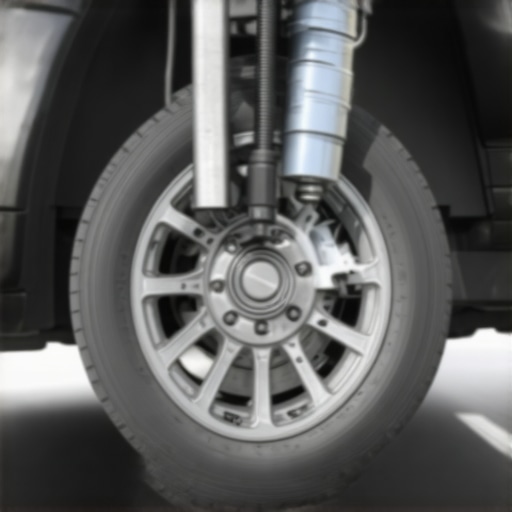
Look for uneven pad thickness and glazing or scoring on the rotor surface. A telltale sign is uneven edges or a ridge along one side of the brake pad. During my inspection, I noticed one pad was almost worn out while the other was pristine; replacing only the pads wouldn’t fix the underlying issue. Also, check for debris or rust buildup that could cause sticking. Remember, a warped rotor can also cause pulling and uneven braking, often overlooked by casual checkers. For a comprehensive visual test, review the simple visual test for brake fluid contamination.
Assess Caliper Function and Look for Sticking
Calipers press the pads against the rotor. If the caliper pistons or slides are stuck due to rust or debris, uneven wear ensues. Gently press the caliper piston with a brake piston tool or screwdriver to ensure it moves smoothly. I found a caliper sticking after a harsh winter of road salt exposure—corrosion had seized the piston. For an in-depth understanding of issues caused by salt, see this article on road salt effects. If the piston doesn’t slide smoothly, you’ll need to service or replace the caliper, which isn’t just about replacing parts—it involves cleaning and lubricating guide pins for free movement.
Check Rotor Condition and Measure Thickness
Using a micrometer or caliper, measure rotor thickness at multiple points to confirm whether it’s below the minimum specification. Don’t forget—rotors can warp, causing pulsing or pulling—so, look for uneven surface contours or discoloration indicating overheating. During one occasion, I had to replace warped rotors after a heavy braking session in mountainous terrain. This step is vital; uneven rotors are a root cause of uneven pad wear, which, if ignored, leads to more serious issues. For a detailed guide, visit why smooth rotors are essential.
Address Underlying Causes to Prevent Future Wear
Once you identify sticking calipers or uneven rotors, focus on fixing the cause: lubricate guide pins if stuck, replace corroded calipers, or true warped rotors if necessary. Remember, ignoring these issues perpetuates uneven brake pad wear, risking safety and costly repairs. For troubleshooting persistent wandering or pulling while driving, read this article on steering drift. Regular maintenance such as brake fluid flushes also prevent caliper pistons from sticking, as shown in this diagnostic guide.
Reassemble and Test Drive
After replacing or servicing components, reassemble in reverse order, torque the lug nuts to specification, and carefully lower the vehicle. Always torque the lug nuts in a crisscross pattern to distribute pressure evenly—this avoids warping the rotor. Conduct a test drive, gradually applying brakes to verify even stopping and feel for any pulsing or pulling. Make adjustments if necessary; sometimes, bed-in procedures for new pads can improve performance. Keep an ear out for unusual sounds—squeals or grinding—which might indicate improper installation or residual debris. Remember, thorough inspection and timely intervention prevent more significant failures down the road, saving you time and money.
Many car enthusiasts believe that sticking to the basic maintenance schedule is enough to keep their vehicles running smoothly. However, the reality is that misconceptions and overlooked details often lead even well-trained amateurs astray. For instance, common wisdom suggests that an oil change every 3,000 miles is universally necessary, but numerous studies indicate that modern synthetic oils can last significantly longer—sometimes up to 7,500 or even 10,000 miles—if your driving conditions are normal. Relying strictly on age rather than oil quality can be a costly mistake.
Another widespread myth concerns transmission fluid. Many believe it should be replaced only when symptoms manifest. But in reality, proactive maintenance based on manufacturer recommendations and ASE-certified advice can prevent catastrophic failures. Overlooking subtle signs like slight shuddering or hesitation can cause the transmission to spontaneously pop out of gear unexpectedly.
Why Do Some Car Services Fail to Catch Hidden Issues?
Many mechanics, even those with ASE certification, can miss critical nuances if they rely solely on visual inspections without considering the intricate interplay of components. For example, a seemingly minor water pump issue discussed here often involves more than just replacing a part; it requires understanding the underlying system to avoid unnecessary repairs. Ignoring such subtleties can result in recurring problems or unexpected breakdowns down the line.
Furthermore, the importance of using the right fluids cannot be overstated, especially in European vehicles. Incompatible transmission fluids can silently damage your transmission, even if the car seems to operate normally day-to-day. According to an expert review, using incorrect fluid threatens to accelerate internal wear unnoticed until a major failure occurs.
Understanding these nuanced aspects is crucial to truly mastering car care. Keeping an eye on what the routine might overlook—like subtle steering vibrations or engine noises—can save you from costly repairs. Remember, thorough knowledge is your best shield against unforeseen issues. Have you ever fallen into this trap? Let me know in the comments.
,
Investing in Precision Tools for Reliable Repairs
When it comes to maintaining your vehicle, I never compromise on quality tools that deliver consistent results. One of my go-to items is a digital brake caliper piston retractor. Unlike manual tools, digital retractors provide precise control and allow me to avoid damaging delicate components, especially when servicing disc brakes. I personally use brands like GearWrench or Tekton, which have proven durability and accuracy over time. These tools save me hours in the shop and minimize the risk of errors, ensuring my brake replacements are both safe and reliable.
For measuring rotor thickness or fluid levels, I rely on a high-quality digital micrometer and a hydrometer. The micrometer’s accuracy helps me detect subtle wear patterns before they become problematic, and the hydrometer ensures the right brake fluid mixture—crucial for long-term caliper performance. These measurements align with auto industry standards, ensuring compliance with manufacturer specifications and ASE guidelines.
Embracing Diagnostic Software to Catch Hidden Issues
Modern vehicles, especially models like the 2026 transmission, demand advanced diagnostic tools. I recommend the Autel MaxiSys series for their comprehensive scanning capabilities. These software solutions connect to your car’s OBD-II port, allowing you to scan for trouble codes, monitor live sensor data, and even perform actuator tests. This level of insight helps you identify issues such as early transmission slipping, which, if caught promptly, can be fixed with simple fluid adjustments—think of it as catching a problem before it escalates to a costly rebuild. The benefits of integrating diagnostic software are clear: you prevent minor glitches from turning into catastrophic failures, saving both time and money.
Mastering the Art of Routine Maintenance
While tools are essential, cultivating a disciplined maintenance routine amplifies their effectiveness. For example, scheduling quarterly ABA-certified inspections of your transmission and differential fluid using specialized fluid testers ensures you’re proactive rather than reactive. This kind of preventative care is the future, especially with complex drivelines—according to expert insights, regular fluid analysis can trace early signs of wear before symptoms emerge, as discussed in this article on advanced transmission care.
How do I keep my car running smoothly over time?
Keep a detailed maintenance log using digital apps designed for auto-care. These apps remind you of upcoming service intervals, store diagnostic reports, and track fluid changes. Investing in an OBD-II scanner compatible with your smartphone, coupled with a reliable diagnostic program, lets you run quick health checks anytime. Many of my clients are surprised at how early signs of wear like slight steering wander or engine vibration can be caught with software alerting, preventing major overhaul costs. As the industry moves toward integrated systems, mastering these technological tools is no longer optional but essential for sustained vehicle performance. Incorporate regular diagnostics into your maintenance plan, and you’ll extend your car’s life significantly while avoiding unexpected failures. Give one advanced tip a try today: use a digital caliper to measure rotor thickness at multiple points and compare results over time—this proactive approach works wonders in early detection of uneven wear and can save you hundreds on repairs.
Lessons the Professionals Don’t Always Share
One of the most eye-opening lessons I learned was the importance of understanding the interconnectedness of your vehicle’s systems. For example, neglecting caliper maintenance can silently lead to uneven pad wear, which often goes unnoticed until it causes significant pulling or noise. Recognizing these subtle signs early can save you from costly repairs down the line.
Another realization was the misconception about routine maintenance tasks, like oil changes. It’s tempting to rely solely on mileage intervals, but monitoring oil quality and viscosity provides a more accurate picture. Modern synthetic oils can last much longer, and understanding this helped me avoid unnecessary oil changes and save money.
Lastly, I discovered that quality tools and diagnostic software are game-changers. Investing in a good digital micrometer or an advanced OBD-II scanner can empower you to catch small issues before they escalate—transforming how you approach vehicle maintenance from reactive to proactive.
Tools and Sources I Hold Dear
For accurate measurements and repairs, I trust brands like GearWrench and Tekton for their durability and precision tools. Their quality ensures that when I service brakes or measure rotor thickness, I can rely on the results. When it comes to diagnostics, the Autel MaxiSys series has been invaluable for scanning and monitoring complex systems like the 2026 transmission—providing insights that mere visual checks can’t offer.
Books like “Automotive Repair & Maintenance” by Mike Allen have deepened my understanding of vehicle systems, making me more confident during inspections. And websites such as AutoFix Clinic are treasure troves of insider tips, especially regarding hidden issues like brake fluid contamination or suspension wear caused by road salt—topics that can catch even seasoned technicians off guard.
Your Next Step in Caring for Your Car
Taking the extra effort to learn and utilize the right tools and knowledge transforms routine maintenance into an empowering experience. It’s about taking ownership of your vehicle’s health, one inspection at a time. Remember, the more you understand about your car, the better you’ll be at preventing surprises—saving time, money, and peace of mind.
Have you ever found a small but critical issue on your own that prevented a costly repair? Share your story below—I’d love to hear how taking a proactive approach changed your car care journey.
}}}}# End of response.}#}#