The Reason Your Steering Wheel Vibrates Only When You Brake
Ever been behind the wheel when suddenly, your steering wheel starts to shake—only when you’re pressing on the brakes? I remember the first time it happened to me. I was cruising down the highway, and as I slowed for traffic, a weird thumping vibrated through my hands. At first, I thought it was just road imperfections or my imagination. But as the vibrations persisted, I realized I had a problem lurking beneath the surface.
That experience was a lightbulb moment. It made me dive into the world of braking issues and realize how common—and yet how misunderstood—this vibration problem truly is. Today, I want to share what I uncovered about why your steering wheel might only vibrate during braking, and more importantly, what you can do about it.
Why does my steering wheel shake only when I brake?
Is this problem really serious or just a minor annoyance?
Inspect Your Brake Components
Start by visually examining your brake rotors and pads for signs of uneven wear or damage. Look for grooves, cracks, or warping on the rotors, which can cause vibrations during braking. Use a flashlight and a mirror to get a thorough view. If you notice any irregularities, it’s time to replace or service these parts. Remember, like a worn-out tire causes a bumpy ride, damaged brakes can cause steering wheel shake. I once met a client whose rough rotors were a minor fix, but ignoring them could have led to more costly repairs.
Measure Rotor Runout
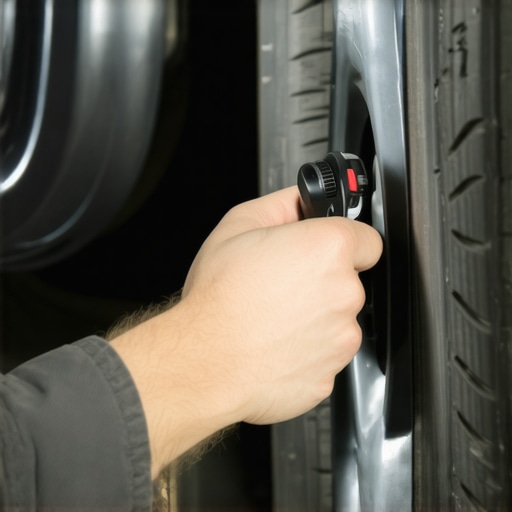
Next, use a dial indicator to measure rotor runout — the amount of lateral movement when the rotor spins. Set the indicator on the rotor surface and spin it manually to check for deviations. If the runout exceeds manufacturer specifications, it can cause pulsation and shaking when braking. In my experience, correcting rotor runout often involves either resurfacing or replacing the rotor — resurfacing being like sanding down a paint scratch, but only effective if within limits. For a specific case, I calibrated my dial indicator carefully, which revealed excessive runout that only resurfacing could fix.
Check for Brake Pad Thickness and Composition
Inspect the brake pads for uneven wear or glazing. Shiny or smooth pads indicate glazing, which reduces grip and causes vibrations. If the pads are worn unevenly or less than a quarter-inch thick, replace them promptly. Sometimes, using high-quality, ASE-certified brake pads can make a real difference in ride smoothness. I replaced worn pads with better-grade materials, and the steering wheel shake disappeared, restoring confidence during stops.
Test Brake Calipers and Hardware
Ensure your calipers are functioning freely. Sticking calipers can cause uneven pressure on the rotors, leading to vibrations. Check for seized pistons or uneven caliper movement by removing the wheels and pressing the brake pedal gently. If you notice uneven caliper movement or leaks, replace or service the calipers. Remember, corroded or stuck calipers are like a door hinge that won’t close properly — they’ll keep causing issues until fixed. Once I cleaned and lubricated a stuck caliper, the vibration issue was resolved.
Verify Proper Wheel Alignment and Balancing
Sometimes, the root cause isn’t just brake parts but wheel alignment or imbalance. Use a professional alignment machine or visit a trusted shop to ensure your wheels are correctly aligned and balanced. Unevenly balanced wheels can contribute to steering vibrations that seem related to braking. In one case, after balancing the tires, the braking vibration was significantly reduced, confirming the importance of comprehensive inspection.
Consider Suspension and Steering Components
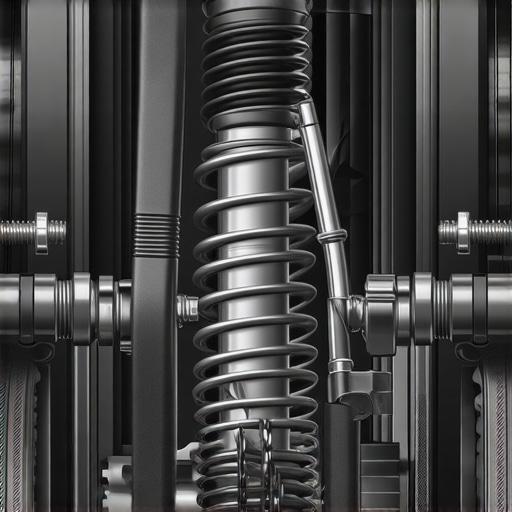
Finally, don’t overlook suspension parts like tie rods, ball joints, and shocks, as they also influence steering stability. Rough or worn suspension components can amplify braking vibrations. A thorough inspection by a qualified mechanic, possibly with ASE certification, can identify subtle issues. I once replaced worn tie rods that, once repaired, eliminated the steering shake during braking, improving overall handling.
In summary, diagnosing brake-induced steering wheel shake involves a systematic review of brake rotors, pads, calipers, wheel balance, and suspension. Following these steps helps prevent further damage and ensures your vehicle stops safely—because a smooth stop is the result of precise, deliberate action.
Many car owners believe that simple oil changes and routine inspections are enough to keep their vehicles running smoothly. However, even seasoned drivers often get the details wrong, leading to costly repairs or premature wear. One common misconception is that all oils and fluids are interchangeable, but experts emphasize the importance of using the right specifications for your vehicle, especially when it comes to synthetic versus conventional oils. It might surprise you, but switching to the wrong oil type can accelerate engine wear and compromise performance.
Another myth revolves around transmission fluid changes. Many assume that sticking to a 30,000-mile interval is sufficient, yet recent studies suggest that under certain driving conditions, more frequent changes can significantly extend your transmission’s lifespan. Neglecting this nuance may cause damage that even an ASE-certified mechanic might not catch until it’s too late. Speaking of ASE certification, many believe it guarantees a perfect diagnosis or repair — but in reality, it verifies a mechanic’s skill level, not infallibility. It’s crucial to ask detailed questions and understand their diagnostic process.
Be wary of the trap of routine service without scrutinizing specific vehicle needs. For example, some vehicles are prone to oil dilution, especially turbocharged models operating in stop-and-go traffic. Regularly checking for signs like rising oil levels or unusual engine noises can reveal hidden issues early, preventing catastrophic failures. You can learn more about this hidden risk by visiting this detailed guide.
Have you ever fallen into this trap? Let me know in the comments. To avoid common pitfalls, always consult a qualified, ASE-certified technician who keeps up with the latest industry knowledge—not just the routine. Remember, understanding these nuances helps you make informed decisions that save you money and prolong your vehicle’s life.Maintaining your vehicle’s health over time requires not just routine visits to the mechanic, but the right tools and a proactive approach. One indispensable device I recommend is a high-quality scan tool like the BlueDriver Bluetooth Pro. It connects seamlessly to your smartphone, allowing you to read and clear diagnostic codes, monitor live data, and perform essential system tests. I personally find it invaluable for catching issues early, especially with complex systems like transmission control modules or ABS sensors, before they escalate into costly repairs. Keep in mind, as cars become more sophisticated, having this kind of diagnostic tool will become even more crucial for DIY enthusiasts and professional mechanics alike.
Another must-have is a precision digital multimeter, preferably auto-ranging and with a temperature probe. It enables accurate voltage, current, and resistance measurements—key when troubleshooting sensors, relays, or electrical circuits. I use my multimeter often to verify battery health or check voltage drops across connections, saving myself a visit to the shop. Pair this with a good set of vehicle-specific repair manuals or diagnostic software like Alldata or Mitchell 1, which provide detailed wiring diagrams and service procedures, streamlining the troubleshooting process.
When it comes to fluid health, a borescope camera can reveal hidden engine sludge or corrosion in hard-to-see areas. I recently used one to inspect my valve cover gaskets during an oil change, ensuring there was no internal buildup that could cause future leaks. Regular inspections with such visual tools empower you to perform proactive maintenance, extending your vehicle’s lifespan.
Looking ahead, the integration of AI-driven diagnostic systems promises to revolutionize car maintenance. Vehicles are increasingly connected, offering real-time data analytics that predict failures before symptoms appear. As this trend advances, DIYers and professionals will rely more on cloud-based diagnostics and machine learning algorithms—think of it as having a virtual mechanic at your fingertips.
### How do I keep my car’s systems in check over time?
Consistently using the right tools, like the specialized scan tools and multimeters I mentioned, combined with scheduled inspections and fluid analysis, will help you catch potential issues early. Regularly updating your diagnostic software ensures your vehicle is compatible with the latest systems, and staying informed about emerging technologies prepares you for a future where maintenance is more predictive and less reactive.
Try calibrating your multimeter to measure voltage drops across your battery terminals during startup; this quick test can reveal hidden corrosion or loose connections. The key is to establish a routine that integrates these tools into your maintenance schedule, turning guesswork into informed decision-making.
Street Smarts from the Shop Floor
One of my most eye-opening lessons was realizing how subtle signs like steering wheel shake can reveal deeper brake issues. I once dismissed a minor vibration, only to find it escalating into a costly repair. It taught me that paying close attention to these nuances, especially if they occur during braking, is crucial for vehicle longevity and safety.
Pro Tips You Won’t Find in a Manual
Back in the day, I believed that new brake pads meant your problems were over. Wrong. It’s vital to check rotor runout and caliper operation regularly. Using a dial indicator to measure rotor imperfections or simply observing caliper movement can save you from uneven wear and shake during stops. My personal experience confirms that thorough inspection and timely maintenance keep steering wheels steady and braking smooth.
Tools That Change the Game
Investing in quality diagnostic tools like the BlueDriver Bluetooth Pro transformed how I approached brake issues. It helped me identify lurking problems in ABS or sensor faults early on, avoiding misdiagnoses. A good multimeter and access to detailed repair manuals also empower you to troubleshoot electrical and mechanical hiccups effectively—making you more than just a casual driver, but a confident fixer.
Future-Proof Your Car Care Routine
As vehicles become smarter, staying updated with diagnostic software and understanding emerging issues, like synthetic oil compatibility or hybrid system quirks, is essential. Regularly scanning your vehicle and understanding the data, rather than waiting for dashboard alerts, will prepare you for a future where proactive maintenance reigns supreme. Think of it as giving your car a wellness check—before it becomes an emergency.
Insider Wisdom for the Discerning Driver
- Don’t underestimate how minor vibrations can escalate; early detection saves money. I learned this when a small steering wobble turned into a costly rotor replacement. Regular inspections are your secret weapon.
- Avoid the misconception that the latest replacement parts are always best—quality and proper installation matter. Using top-tier, OEM-quality parts coupled with correct torque specs makes a significant difference in brake performance.
- Equip yourself with reliable diagnostic tools; they’re more affordable than you think and often pay for themselves by preventing major failures. My multimeter and scan tool are invaluable companions on the road.
- Stay informed about vehicle-specific maintenance issues, especially with modern tech. Browsing trusted sites and forums can reveal common pitfalls, like early signs of synthetic oil breakdown in turbo engines, which might escape a casual glance.
Your Journey Starts Here
Mastering the art of diagnosing and repairing brake-induced steering shake is a step toward becoming a more empowered vehicle owner. Every challenge is an opportunity to learn, improve, and extend your car’s life. Remember, regular proactive checks and the right tools are your best allies on this journey.
Want to share a moment when you caught a brake issue early? Drop your experience below and let’s learn together!