Why Your Mechanic Wants to Replace Your Water Pump With Your Timing Belt
I remember the day my car suddenly started overheating on a scorching summer afternoon. It was just a routine oil change appointment, or so I thought. But after the mechanic finished, he looked at me with a serious expression and suggested that my water pump needed replacing along with the timing belt. That moment was a revelation—something I hadn’t considered before, yet now it all made sense. It got me thinking: why do mechanics often recommend replacing these components together, and should I push back or trust their advice?
The Hidden Link Between Your Water Pump and Timing Belt
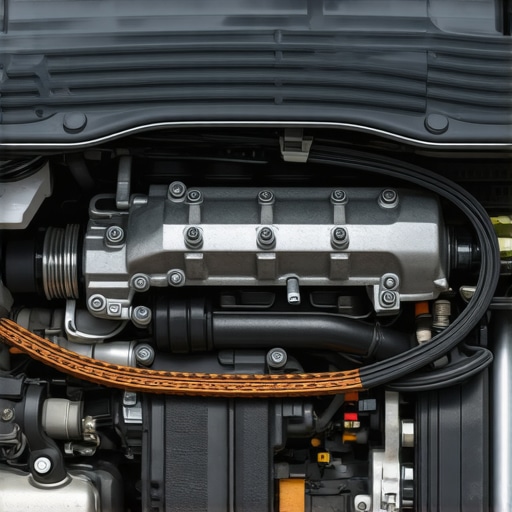
Many car owners are surprised to learn that the water pump and timing belt are often replaced simultaneously. The reason? They’re both critical to your engine’s smooth operation and tend to wear out around the same time. The water pump circulates coolant, preventing your engine from boiling over, while the timing belt keeps the camshaft and crankshaft synchronized—crucial for your engine’s internal harmony. When one shows signs of aging, the other is usually not far behind. Replacing them together can save you from additional labor costs down the line and prevent unexpected breakdowns.
Is Replacing Both Just a Sales Tactic or Genuine Preventive Care?
Honestly, this advice is rooted in genuine preventive care. If the water pump fails, it can cause significant damage to your engine, often leading to costly repairs. Plus, accessing these components is labor-intensive; doing it all at once minimizes future downtime. I made the mistake early on of ignoring a loose water pump pulley, which eventually led to a costly engine overhaul. Learning from that slip, I now understand the importance of trusting my mechanic when they recommend a combined replacement.
Before rushing into decisions, it’s wise to understand the typical signs of wear and the specific timing for your vehicle model. For more details on how to diagnose when your water pump might be failing, you can check out [how to diagnose a clogged catalytic converter](https://autofixclinic.com/how-to-diagnose-a-clogged-catalytic-converter-from-your-drivers-seat). But generally, a qualified mechanic’s advice is based on years of experience and manufacturer guidelines.
If you’ve faced a situation where your mechanic suggested replacing both components, I’d love to hear how you handled it. Did you trust their recommendation, or did you challenge it? Understanding your approach can help us all make better, more informed decisions when it comes to vehicle maintenance.
Gather Necessary Tools and Parts
Before starting, ensure you have all required tools: socket set, screwdrivers, serpentine belt tools, timing belt replacement kit, new water pump, coolant, and relevant service manual for your vehicle. Having organized materials prevents delays and mistakes during the process.
Drain the Engine Coolant
Begin by safely draining the coolant to prevent spillage. Locate the drain plug or remove the lower radiator hose, and catch the coolant in a suitable container. Proper disposal is crucial—never pour coolant down the drain or onto the ground. This step is vital to access the water pump effectively and prevents major engine messes.
Remove Components Blocking Access
Next, remove the engine covers, radiator fans, or other parts obstructing access to the timing cover and water pump. Use the appropriate screwdrivers and socket wrenches, and follow your vehicle’s manual. Label or remember the order of removed parts to facilitate reassembly. This step ensures you can reach the timing belt and water pump safely.
Align Timing Marks Carefully
Set the crankshaft and camshafts to their corresponding timing marks as specified in your manual. Use a socket to rotate the crankshaft pulley slowly, ensuring both marks align perfectly. This precise step prevents engine mis-timing, which can cause severe damage. I once skipped this step and ended up realigning the timing after a laborious engine retune.
Use an ASE-certified mechanic’s advice for complex procedures like this. You can learn more about how certified technicians approach engine timing at this guide.
Remove and Replace the Water Pump
Remove the water pump by unscrewing its mounting bolts. Clean the gasket surface thoroughly to prevent leaks. Install the new water pump with a fresh gasket or sealant as per manufacturer instructions. Tighten bolts evenly to avoid warping or leaks—this ensures coolant flows properly. I once neglected to torque the bolts correctly, leading to a slow leak that only became evident after a few weeks.
Replace the Timing Belt
Remove the old timing belt carefully, noting how it’s routed. Install the new belt, ensuring the tensioner and idler pulleys are aligned correctly. Double-check the timing marks. An improper installation here can cause severe engine damage—I’ve seen engines run rough or fail to start due to misaligned timing belts.
Refill Coolant and Test
After reassembling all components, refill the radiator with a mixture of coolant and distilled water. Start the engine, allow it to warm up, and check for leaks. Make sure the cooling system burps out trapped air by opening the bleed valve if available. Monitor engine temperature closely, and listen for unusual noises. This final step confirms your replacement was successful and the engine runs smoothly.
Many car owners operate under misconceptions that can lead to costly mistakes. One common myth is that all oil changes are created equal; however, the type of oil used and the service interval can significantly impact engine health. For instance, relying solely on the dashboard’s mileage tracker without considering oil quality or engine conditions can cause sludge buildup, which standard oil changes often overlook. Learn more about the hidden sludge inside your engine and how to prevent it.
Invest in Quality When It Comes to Your Tools
For any DIY enthusiast or professional mechanic, having the right tools makes all the difference. I personally swear by a solid torque wrench like the Snap-On High-Precision Torque Wrench. Precision matters immensely when torquing down critical components such as cylinder head bolts or wheel lug nuts because over-tightening or under-tightening can lead to severe engine or safety issues. Low-quality tools or generic torque wrenches often omit-click features or have inaccurate readings, increasing risk during assembly. Consistently using high-quality, calibrated tools ensures your work remains reliable and compliant with manufacturer specifications.
Embrace Diagnostic Software for Precise Troubleshooting
Modern vehicles are interconnected systems, and a physical inspection alone isn’t enough. This is where diagnostic scan tools like the Autel MaxiSYS MS919 come into play. I’ve integrated it into my workflow for profound insights: it reads error codes, monitors live data, and performs customized tests. Knowing exactly where your car stands saves hours of guesswork. For example, spotting a pending catalytic converter issue early can prevent costly repairs. If I notice irregularities like fluctuating readings from the oxygen sensors, I immediately investigate further, saving me from potential emissions failures or engine damage.
Utilize Proper Maintenance Methods
One technique I recommend is pressure testing your cooling system periodically. With a coolant system pressure tester, I check for leaks and pressure drops, which often indicate underlying problems like a failing water pump or a compromised head gasket. Doing this honestly beats relying solely on temperature gauges, especially since many overheat due to unseen leaks. Regularly inspecting the drive belts and replacing them before they snap is also key; I follow manufacturer timelines strictly, knowing that worn belts can cause catastrophic engine timing issues.
Future Trends Point Towards Automation and Data-Driven Maintenance
Looking ahead, I see a shift toward AI-powered diagnostics and predictive maintenance. Vehicles will increasingly alert you to impending failures before symptoms appear, thanks to sensors and onboard management systems. Accurate tools and consistent practices today set a strong foundation for this future. For instance, automating oil quality analysis with portable kits like the OilScan Pro could revolutionize how we schedule oil changes—nothing beats evidence-based decisions.
How do I keep my vehicle running smoothly over time?
It’s vital to develop a routine that combines high-quality tools, diagnostic software, and proactive checks. Regularly verify your oil condition, inspect transmission fluid levels, and use diagnostic apps to detect issues early. Don’t forget to calibrate your tools periodically; calibration is crucial for accuracy, especially with torque wrenches and testing equipment. I suggest trying the tip of pressure testing your coolant system monthly—it’s simple yet immensely effective in catching minor leaks before they become major repairs. Mastering these techniques ensures your car remains dependable and safe for the long haul, saving you time and money in the process.
What I Wish I Knew About Preventive Maintenance
One of the toughest lessons I’ve learned is that trusting experts with routine repairs can save you from costly surprises down the road. I used to think I was saving money by delaying water pump or timing belt replacements, but I realized that small issues often snowball into major engine damage. Being proactive and heeding mechanic recommendations isn’t about sales tactics; it’s about safeguarding your vehicle’s longevity.
Tools and Resources That Changed My Approach
Investing in quality tools and trusted resources has transformed my maintenance routine. I swear by a high-precision torque wrench, like the Snap-On, which ensures critical bolts are tightened correctly. Additionally, diagnostic apps and detailed service manuals guide me through complex procedures, reducing errors and increasing confidence. These tools aren’t just for professionals—they empower DIYers and car enthusiasts alike to perform repairs with accuracy.
Stay Curious and Take Action
Maintaining a vehicle isn’t just about following a schedule; it’s about understanding your car’s story and acting wisely. The more I learn, the more I realize that regular, informed care extends your car’s life and keeps ownership enjoyable. Whether it’s subtle signs of wear, understanding when to replace a water pump, or choosing the right tools, every step makes a difference. Your car is a partner—treat it with attention and respect.