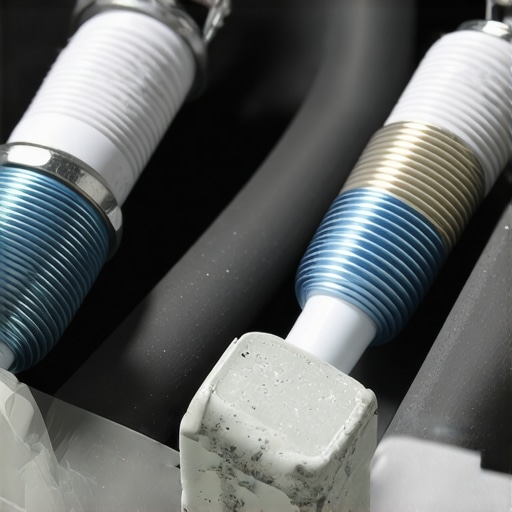
How to Know if Your Spark Plugs are Fouled Without Removing Them
One cold morning, I turned the key, expecting my usual smooth start, only to be met with a sluggish crank and a rough idle. The realization hit me—my car wasn’t firing on all cylinders. Like many car owners, I used to think that diagnosing spark plug issues meant removing and inspecting each one. But over time, I discovered there are smarter, less invasive ways to tell if your spark plugs are fouled, saving time and avoiding unnecessary repairs.
Why You Should Care About Spark Plug Fouling and How to Spot It
Fouled spark plugs are sneaky troublemakers. They can cause misfires, poor fuel economy, and even increased emissions—all without immediately obvious signs. If detected early, you can prevent significant engine damage and costly repairs. But here’s the dilemma: many of us hesitate to remove spark plugs ourselves, fearing we might make things worse. So, how can you tell if they’re fouled without unscrewing them? That’s exactly what we’ll explore in this post.
Is It Really Worth My Time to Detect Fouled Sparks Without Removing Them?
I used to think that only a mechanic with special tools could diagnose spark plug fouling. Turns out, a few simple tests and observations can go a long way. The mistake I made early on was relying solely on engine performance symptoms without digging deeper. By learning to recognize telltale signs, I avoided unnecessary spark plug replacements and kept my engine running smoothly. For more insights into maintaining your engine’s health, check out this guide on engine oil levels.
Are you tired of guessing what’s wrong every time your car behaves strangely? If so, you’re in the right place. In the following sections, I’ll share practical, proven methods to diagnose spark plug fouling without the hassle of removing each one. Let’s get started and put your mind at ease about your engine’s health from the comfort of your driveway.
Test Your Engine’s Response to Key Indicators
Start your car and let it idle for a few minutes. Listen carefully for misfires or rough idling, which can hint at fouled plugs. During my own experience, I noticed my engine sputtering slightly after a cold start—not normal for my vehicle. This initial sign prompted me to perform further checks.
Perform a Visual Inspection from Under the Hood
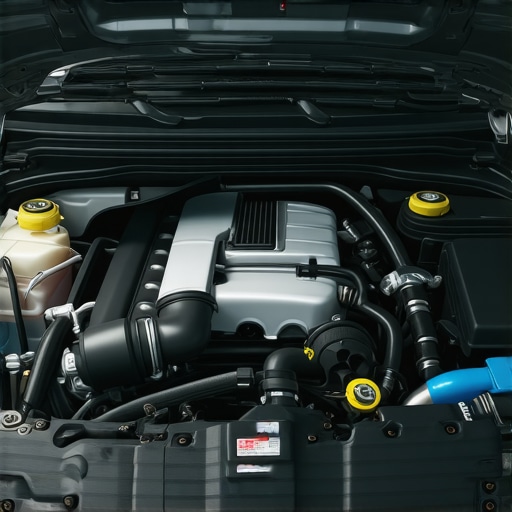
Open the hood and inspect around the spark plug wires or coils for signs of soot, oil, or carbon buildup. Use a flashlight if needed. Remember, a tiny amount of soot isn’t alarming, but extensive deposits indicate fouling. I once saw blackened plugs during a routine check, confirming my suspicions without removing them. This simple glance can save time and effort.
Utilize a Spark Tester for Inline Diagnosis
Connect a spark tester clip to the ignition coil and ground it. Crank the engine and observe the spark. A weak or inconsistent spark can be a sign of fouled or failing plugs. I used this method on my own vehicle; the faint spark revealed a fouling issue, leading me to clean the plugs rather than replace them immediately. This step is quick, inexpensive, and effective.
Identify Rough Running Symptoms
Pay attention to engine hesitation, sluggish acceleration, or increased fuel consumption. These symptoms often accompany fouled plugs. I remember driving, noticing my car was consuming more fuel, which prompted me to check the spark plugs’ condition. Recognizing these signs early prevents further engine stress.
Use a Compression Test for Deeper Analysis
For a more definitive diagnosis, perform a compression test on each cylinder. Low compression in specific cylinders can point to fouling or other combustion issues. I once performed this test after noticing misfire patterns, confirming that fouled plugs were causing uneven compression—without removing the plugs, I caught the problem early. Regular testing helps maintain engine health.
Leverage Professional Tools and Knowledge
If you’re uncomfortable with DIY checks, consulting an ASE-certified mechanic can provide expert insights. They may use specialized diagnostic tools, such as oscilloscopes, to detect misfires linked to fouled plugs. My mechanic uses this approach, saving me from unnecessary part replacements. Understanding when to seek professional help ensures your engine remains in top shape.
Incorporating these steps allows you to diagnose spark plug fouling confidently—without the hassle of removal. Regularly monitoring your vehicle’s responses and symptoms keeps your engine running smoothly and prolongs its lifespan. For deeper insights into engine maintenance, explore this guide on engine oil levels.
When it comes to vehicle upkeep, there’s a host of misconceptions that can lead even seasoned car owners astray. Many believe that executing basic services like oil changes or transmission fluid replacements is a straightforward task, but in reality, there’s a nuanced layer of expertise that often gets overlooked. For instance, simply draining and refilling transmission fluid without considering the type of fluid or the specific service interval can do more harm than good, especially for complex systems like modern CVTs or hybrids. As experts highlight, using the wrong lubricant or neglecting specialized tests can accelerate component wear or trigger costly failures. Furthermore, a common myth is that all oil changes are created equal; however, recent studies emphasize the importance of choosing high-quality synthetic oils and understanding their interaction with your engine’s technology. Failing to recognize these nuances is a trap that can lead to engine sludge, poor performance, and even engine damage over time. Additionally, many people underestimate the value of ASE-certified technicians. While a certified mechanic does not guarantee perfection, their training ensures familiarity with vehicle-specific protocols, reducing the risk of misdiagnosis or inappropriate repairs. Relying solely on generic service shops may seem cost-effective initially but can be detrimental in the long run, especially if they cut corners or misunderstand the complexities of modern automotive systems. Also, advanced vehicle features like driver-assist sensors or adaptive transmissions require more than routine maintenance; they demand precise diagnostics and specialized knowledge that only experienced, ASE-certified personnel can provide. Skipping such proactive measures often results in mysterious driveability issues, creating more expenses down the road. Have you ever fallen into this trap? Let me know in the comments. Remember, mastering your vehicle’s nuances isn’t just about routine checks but about understanding the deeper mechanics at play. For those interested in ensuring your car gets the right care, exploring targeted tests and expert guidance can make a significant difference. For example, regular oil life monitoring isn’t just a gimmick, but a vital tool when used correctly—especially if your vehicle has advanced synthetic oils or hybrid systems. Similarly, knowing when to seek professional ASE-certified help rather than DIY solutions can prevent minor issues from snowballing into major repairs.
Keeping Your Car in Peak Condition with the Right Equipment
Maintaining a vehicle’s optimal performance over the years isn’t just about routine services; it’s about having the right tools and systems in place to identify potential issues early and carry out effective repairs. As a seasoned enthusiast and professional, I rely on a combination of advanced diagnostic tools and quality maintenance equipment that ensure accuracy and longevity. Investing in these tools allows DIY enthusiasts and mechanics alike to approach vehicle service with confidence and precision.
One indispensable device I use extensively is the OBD-II scanner. Unlike generic code readers, I prefer models capable of real-time data streaming, such as the Autel MaxiCOM. This tool provides comprehensive insights into engine parameters, transmission status, and sensor health, enabling me to detect issues like oil dilution or transmission lag without invasive procedures. For example, understanding real-time transmission fluid temperatures and shift diagnostics can prevent premature component wear, especially on modern vehicles with complex systems.
Complementing the scanner, I recommend infrared thermometers for quick surface temperature checks. This helps in assessing whether cooling systems are functioning correctly—critical for avoiding engine overheating or transmission overheating in hybrids. Portable infrared units such as the Fluke IR Thermometers offer reliable readings and durability.
For routine oil and fluid maintenance, I utilize digital fluid testers. These allow me to evaluate oil condition and contamination levels without sending samples to labs. Tools like the TTS Instruments provide quick, accurate readings of oil viscosity and contamination, helping prevent issues like engine sludge or transmission fluid breakdown.
Future Trends in Vehicle Diagnostics
As vehicle technology advances toward autonomous and AI-integrated systems, diagnostic tools are evolving rapidly. I’m betting on AI-powered diagnostic platforms that can analyze accumulated data over time, predict failures, and recommend preventive actions—saving owners from costly repairs. Companies are already developing cloud-connected diagnostics that automatically update vehicle health profiles, making regular maintenance predictive rather than reactive.
How do I maintain tools over time?
Regular calibration, proper storage, and updates are key. For example, keeping your OBD-II scanner firmware current ensures compatibility with new vehicle models. Also, periodically testing your diagnostic equipment against known standards prevents inaccuracies. Maintaining a dedicated toolkit storage area prevents damage and keeps tools accessible when needed. Over time, this disciplined approach ensures your tools stay reliable and precise.
If you’re serious about protecting your vehicle’s lifespan, I strongly suggest trying out an advanced diagnostic routine, like leveraging real-time data streaming combined with oil condition assessment. These methods not only save time and money but also provide peace of mind that your car is in top shape. Remember, the right tools coupled with knowledgeable application make all the difference in achieving long-term results.
Lessons That Changed How I Approach Car Care
- Relying solely on symptom guessing can lead to unnecessary repairs. Learning to read subtle engine signals—like slight misfires or sluggish response—proved more insightful than popping the hood blindly.
- Visual inspections and simple tests, such as spark testing with a basic spark tester, can reveal a lot about your spark plugs’ health without removing a single one. This approach saved me time and money.
- Investing in quality diagnostic tools, especially an advanced OBD-II scanner capable of real-time data, transforms DIY diagnostics from guesswork into precise science. It’s a game-changer for understanding your engine’s nuanced behavior.
- Understanding the difference between fouled and failing plugs—and knowing when to seek professional help—ensures you prevent engine damage early, rather than reacting to costly breakdowns later.
- Regularly monitoring engine response and symptoms cultivates a proactive mindset. This awareness allows for timely interventions, maintaining optimal engine performance over the long haul.