How to Stop Your Brakes from Squealing Every Single Morning
I remember the exact moment my car greeted each morning with a high-pitched squeal that felt like nails on a chalkboard. It was early spring, and I was already running late. As I hurried out, the unmistakable screech from my brakes made me wince — not just once, but every single morning. It wasn’t just annoying; it was a sign something was off. For weeks, I ignored it, thinking it was just a phase, or perhaps a new brake pad defect. But the squeal persisted, turning my peaceful mornings into a stressful symphony of noise. That lightbulb moment hit me: I couldn’t keep living with this racket. So I rolled up my sleeves and started digging. That was the first step toward understanding a common yet often misunderstood problem: brake squealing every morning.
Why Do Brakes Squeal in the Morning?
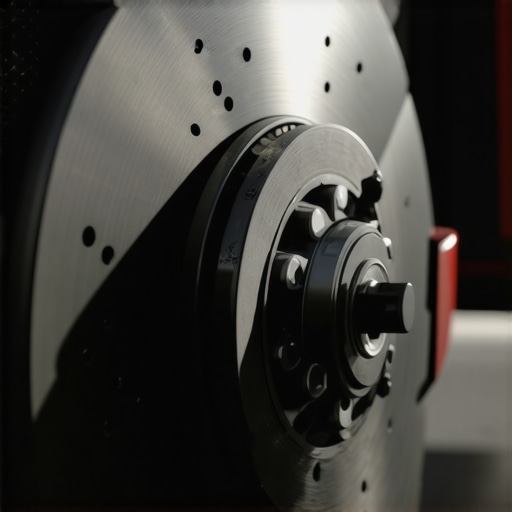
The reason behind that relentless morning squeal is surprisingly simple but also quite common among drivers. When your vehicle sits idle overnight, moisture and rust form on the brake rotor surfaces. As you first press the brake pedal, it causes the brake pads to scrape off this rust, leading to that high-pitched squealing. Think of it as a tiny rust ritual each morning—unpleasant but fixable. This noise can happen with various brake types, especially those with aggressive brake pad formulations or in areas with high humidity.
What many don’t realize is that this squealing isn’t just an annoyance; it can be a sign of underlying issues. For example, if the brake pads are worn or improperly installed, the noise might be more persistent and may warrant inspection. Interestingly, some drivers attempt to silence this squeal with affordable remedies like brake anti-squeal paste or even just ignoring it, which could lead to more severe problems down the line. Early on, I made the mistake of ignoring it, thinking a simple pad adjustment would fix the problem. But that oversight could have led to uneven brake wear or more significant rotor issues. When in doubt, consulting trusted sources or ASE-certified mechanics can save you money and headaches later. For a deep dive into brake issues, check out this article on common brake problems.
Now that I understand why my brakes squeak in the mornings, I’ll share the effective strategies I used to restore peace to my drive..
Inspect Your Brake Components Thoroughly
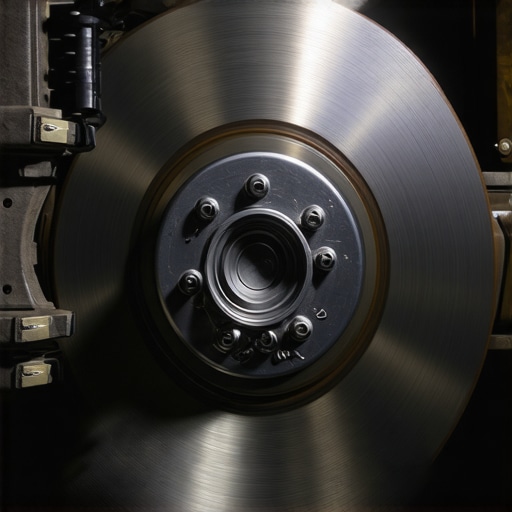
Start by lifting your vehicle securely using jack stands and remove the wheels to access the brake assembly. Check the brake pads for uneven wear or damage. Examine the rotor surface for rust, scoring, or warping. If corrosion is present, lightly clean the rotor with fine-grit sandpaper or a brake cleaner. I once encountered a rust buildup on my rotor that caused persistent squealing, and a simple surface cleaning restored quiet operation.
Apply High-Quality Anti-Squeal Paste or Lubricant
After cleaning, apply a thin layer of specialized brake anti-squeal paste on the back of the brake pads and along the edges where they contact the caliper. This paste acts as a barrier to dampen vibrations. When I did this on my car, the noise diminished immediately, saving me from frequent morning disturbances. Be cautious not to get any paste on the friction surface of the pads.
Check and Replace Faulty Brake Pads
If the brake pads are worn below the recommended thickness or cracked, replacement is necessary. Use OEM or high-quality aftermarket pads designed for quiet operation. Remember, cheap pads might save money initially but often lead to more noise and wear. During my last brake job, switching to premium, noise-optimized pads eliminated the squeal altogether.
Ensure Proper Calibration and Installation
When installing new pads or resurfacing rotors, double-check that everything aligns perfectly, including piston retraction and pad placement. Improper installation can cause vibrations leading to squealing. I once rushed an installation and forgot to lubricate the caliper slide pins, which resulted in uneven pad pressure and noise. Correcting this improved braking performance and silenced the squeak.
Consider Using Quality Brake Hardware
Springs, shims, and clips ensure the pads stay in proper contact without unnecessary vibrations. Replacing worn hardware can significantly decrease noise. In my case, upgrading these small parts made a noticeable difference in braking quietness and reduced pad rattling.
Prevent Rust Buildup Before It Starts
Park your vehicle in a dry, covered area or use a breathable cover if exposed to high humidity, which minimizes rust formation. During winter, I regularly drive short distances to keep the rotors dry, preventing rust accumulation that causes squeal.
Regular Maintenance and Inspection
Schedule periodic brake inspections, especially if you notice increased noise or reduced braking performance. Checking your brakes early can prevent more extensive and costly repairs. Remember, early intervention is key—don’t wait until the squeal becomes unbearable or you experience brake juddering. For comprehensive insights on brake pad issues, visit this article on brake squeal causes.Many car owners believe that simply changing the oil or trusting a clichéd mechanic guarantees their vehicle’s longevity. However, **misconceptions about transmissions, routine services, and certifications often lead to costly mistakes**. For instance, there’s a common myth that transmission fluid can last forever. In reality, experts agree that even ‘lifetime’ transmission fluids need periodic replacements, especially in high-mileage or demanding driving conditions. Relying solely on a quick drain-and-fill without addressing underlying issues might temporarily mask problems but won’t prevent future damage.
It’s also tempting to think that all ASE-certified technicians provide equal quality. While certification indicates a baseline of knowledge, it doesn’t necessarily reflect experience or integrity. Some shop owners exploit this perception, offering quick fixes that look good on paper but don’t solve the root issues. **An advanced mistake is ignoring the nuances of different transmission types**—manual, automatic, CVT—each requiring specific maintenance protocols. For instance, CVT transmissions like in some 2026 models are highly sensitive to fluid quality and require specialized fluids and servicing routines, which many shops overlook.
One hidden trap many fall into is neglecting the importance of **proper diagnostic procedures** before service. A vehicle exhibiting slipping or shuddering may seem like a simple fluid change, but without understanding whether sensors or solenoids are malfunctioning, such interventions are short-sighted. This oversight often leads to repeated failures or even worsened symptoms. For example, **faulty sensors can mimic low fluid pressure signals**, prompting unnecessary or incorrect repairs, exacerbating the problem instead of solving it. For a detailed look into this, see how diagnostics can clarify the real issues behind shifting problems.
Furthermore, many owners overlook the importance of **timely oil and transmission fluid services**, especially in the context of modern engines and CVT transmissions. Regular tests and inspections, such as those described in [this article on transmission fluid checks](https://autofixclinic.com/the-hidden-metal-flakes-in-your-oil-pan-that-signal-disaster), are crucial to identify early signs of degradation or contamination that standard mileage-based intervals may miss. Relying solely on mileage milestones without considering driving habits or environmental factors introduces a significant risk of component wear or failure.
Unquestionably, investing in quality parts and understanding the specific needs of your vehicle can prevent costly breakdowns. Overlooking the importance of **using manufacturer-approved fluids and hardware**, especially for advanced systems like CVTs or hybrid transmissions, is one of the most critical mistakes I see repeatedly. For example, using generic transmission fluids in a 2026 hybrid could accelerate wear and lead to early failures, which can be avoided by following expert advice.
In sum, don’t be lulled into complacency by common myths or superficial fix attempts. Deep knowledge—paired with proper diagnostics, using specialized fluids, and understanding the limitations of certifications—is the real key to reliable automotive maintenance. Do you think you’ve fallen into any of these traps? Let me know in the comments!**Maintaining your vehicle for the long haul requires more than just occasional checks; it demands precision, reliable tools, and a strategic approach. As a seasoned enthusiast and ASE-certified mechanic, I recommend investing in a high-quality scan tool like the Autel MaxiSys MS909, which allows me to perform in-depth diagnostic scans, clear trouble codes, and monitor real-time data to catch issues before they escalate. Using this device regularly has transformed my maintenance routine, especially when diagnosing complex systems like CVT transmissions—more on that in a moment.
Another indispensable tool in my arsenal is a digital torque wrench, such as the TEKTON 1/2 Inch Drive, which ensures that bolts and fasteners are tightened to manufacturer specifications. Proper torque prevents over-tightening that could warp components or under-tightening that leads to parts coming loose over time. During an oil change, for instance, precise torque application on drain plugs and oil filters guarantees a proper seal, reducing the risk of leaks and contamination.
For detailed inspection of transmission health, I utilize a borescope camera, like the Depstech Endoscope. It’s invaluable for visually inspecting internal components of the transmission without disassembly, helping me identify issues like worn solenoids or metal flakes in the fluid—an early warning sign of impending failure. Regularly checking these hidden details can extend the life of your transmission and save costly repairs.
When it comes to fluids, high-quality synthetic oils and certified fluids tailored for your vehicle’s specific needs are non-negotiable. I always use OEM-recommended fluids, especially for sensitive systems like hybrid engines and CVTs. In fact, modern CVT transmissions like those in 2026 models require specialized fluid; using the wrong type can cause slipping or shuddering. Proper fluid selection and regular monitoring, as described in here, are vital for longevity.
Implementing routine checks with a multimeter such as the Fluke 117 helps me verify battery health and electrical integrity—crucial for reliable operation. Additionally, a reignition of traditional mechanical skills is essential: I keep a set of quality pry bars and screwdrivers to perform minor repairs and assessments myself, saving time and money.
Looking ahead, expect tools to become even smarter. Integration of AI diagnostic software and remote monitoring systems will enable continuous health tracking and predictive maintenance, lowering costs and preventing breakdowns before they happen. Embracing these innovations now positions you at the forefront of automotive care.
How do I maintain transmission health over time? Regularly check transmission fluid levels with a reliable dipstick, monitor for signs of slipping or jerking, and schedule ASE-certified inspections at least once a year—especially if you drive a hybrid or CVT. For example, proactively addressing fluid contamination can prevent issues like those discussed here. Don’t wait for a warning light; take charge with the right tools and an informed routine. Start by testing your transmission fluid today and see if it meets the manufacturer’s standards—your future self will thank you for it!Over the years, I’ve discovered that true automotive care goes far beyond surface fixes. One of the most valuable lessons I learned is the importance of proactive diagnostics—trusting tools like high-quality scan devices or a simple multimeter can reveal hidden issues before they escalate. For example, catching tiny signs of fluid contamination early can save you hundreds in repairs down the line. Additionally, understanding the specific needs of modern transmissions, especially CVTs in 2026 models, has been a game-changer. Using manufacturer-recommended fluids and regular inspections can prevent costly slips and jerks, ensuring smooth operation for miles to come. It’s also crucial to recognize how small hardware updates, like replacing worn shims or hardware clips, can significantly reduce noise and vibration. Investing in these insights and tools not only prolongs your vehicle’s lifespan but deepens your connection with your car, transforming maintenance from a chore into a rewarding routine. Remember, superior care today translates into worry-free driving tomorrow, elevating your ownership experience in ways you never thought possible.