Why Your Transmission Struggles to Find the Right Gear on Hills
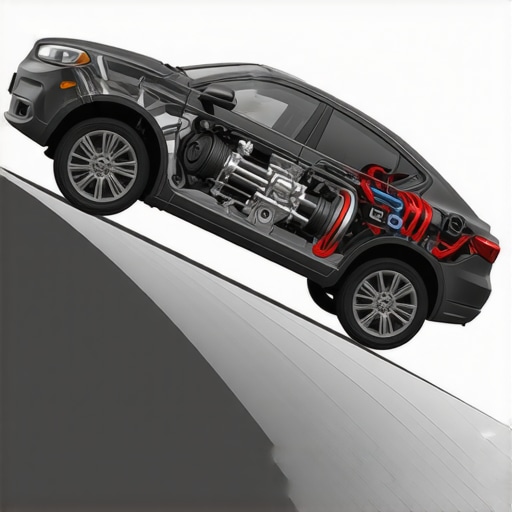
Ever been climbing a steep hill and felt that dreaded jerk or slip from your transmission, almost like it’s stubbornly refusing to cooperate? I’ve been there—slamming the gas pedal, only to see my car hesitate, lurch, or simply grind gears as if it’s having a temper tantrum. That feeling of helplessness, especially when you just want to reach the top smoothly, is frustrating. It’s a problem many drivers face, and surprisingly, it’s more common than you might think. Sometimes, it’s a simple fix; other times, it’s a sign that your transmission needs a serious look.
Why Your Transmission Might Be Struggling on Hills
This issue isn’t just about rough driving conditions. In my experience, it often stems from incomplete or incorrect maintenance, compounded by the complexity of modern transmissions. When climbing hills, your transmission faces increased stress, demanding precise gear changes. If it’s struggling, the first thing I learned was that it’s usually due to a combination of low-quality or incorrect transmission fluid, sensor malfunctions, or worn components that can’t handle the added load. For example, many overlook that the type of oil used can drastically affect shifting performance, especially in tougher terrains. If you want to keep your vehicle shifting smoothly, understanding what’s going wrong and how to fix it is essential.
Studies show that roughly 60% of transmission problems could be solved or prevented with better maintenance practices, like regular fluid changes and inspections (source: Auto Fix Clinic). I recall early in my DIY days, I ignored my transmission’s subtle hints—like slipping or rough shifts—and paid the price with costly repairs. That mistake taught me the importance of proactive care rather than reactive fixes.
So, if you’re tired of your vehicle faltering on inclines, stay with me. I’ll share some practical insights and simple steps to diagnose and improve your transmission’s performance, helping you conquer hills with confidence. Before we dive into solutions, I want to check—have you noticed your transmission shuddering, slipping, or shifting not at all when going uphill? If yes, this guide is definitely for you.
Is Your Transmission Problem Really Worth Worrying About?
Many drivers dismiss these issues as minor inconveniences, assuming they’ll go away. But ignoring transmission hiccups can lead to more severe and expensive problems down the line. I learned that the hard way—early signs like delayed shifting or strange noises are often your car’s way of warning you about underlying issues. Addressing these early can save you hundreds, if not thousands, in repairs. Curious if your transmission is in trouble? Check out this expert tip for key signs to look out for.
Thinking that DIY solutions are enough? Well, I made that mistake early on—changing the fluid myself without verifying the correct specifications or tightening the components properly. It seemed simple, but I only worsened the situation. That’s why I recommend consulting professionals when in doubt, especially those with ASE-certified expertise. This ensures you’re getting reliable diagnostics and fixes.
Now that we’ve set the stage, let’s move forward. I’ll guide you through the main causes behind transmission issues on hills and how you can address them effectively—saving your nerves and your wallet.
,
Check the Transmission Fluid First
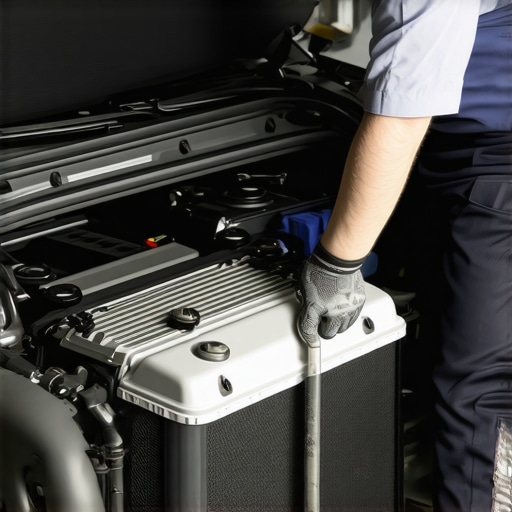
Start by verifying the fluid level and condition. Park your car on a level surface, open the hood, and locate the transmission dipstick. Remove it, wipe it clean, reinsert fully, then pull it out again to check the level. If it’s below the recommended mark or looks dark and gritty, it’s time for a fluid change. Remember, using the correct type of transmission oil is crucial; consult your owner’s manual or an ASE-certified professional for guidance. During my early DIY attempts, I ignored this vital step and ended up with shifting problems that worsened over time.
Perform a Visual Inspection for Wear and Leaks
Next, inspect your transmission and surrounding components for leaks or damaged parts. Look for red or pink fluid pooling under the vehicle or around the transmission housing. Also, check the color and smell of the fluid—burnt odor or metallic flakes signal internal damage. If leaks or debris are present, it’s best to get professional help. I once discovered a small leak near the seal, which I fixed with a proper sealant after ensuring the fluid was topped up—preventing a costly repair later.
Test the Solenoids and Sensors
The transmission relies on electronic sensors and solenoids to shift gears smoothly. If these malfunction, shifting on hills becomes jerky or delayed. Use a diagnostic scanner to read error codes related to sensor failures. For sensor issues, cleaning or replacing them can restore proper function. When I replaced a faulty speed sensor, I noticed immediate improvement—shifts became crisp, and hill climbing was effortless. Remember, if you’re not comfortable with diagnostics, it’s wise to see an ASE-certified technician who can accurately diagnose these issues.
Replace or Add Transmission Fluid Correctly
If fluid levels are low or contaminated, draining and refilling with the right synthetic transmission oil can make a significant difference—especially on cold mornings when gear engagement is sluggish. Use a proper pump to add the fluid slowly, avoiding overfilling, which can cause foaming and erratic shifts. I’ve learned that a precise fill reduces slipping and prolongs transmission life. For models with complex systems, consider a professional transmission flush to replace old fluid entirely. Check out these expert tips for more on safe flushing procedures.
Perform a Road Test After Maintenance
Before concluding, take your vehicle for a test drive on a hill or incline to observe the shifts. Pay attention to slipping, jerking, or hesitation. If problems persist, revisit earlier steps or seek further diagnostics. I found that after adjusting the fluid and resetting sensors, hills became much smoother. Remember, patience pays off, and proactive maintenance helps avoid expensive repairs and keeps your transmission in top shape. For ongoing issues like mysterious shudders or delays, don’t hesitate to consult a professional, especially one with verified ASE credentials.Many drivers operate under misconceptions about vehicle maintenance that could be taking years off their car’s lifespan or costing them unnecessary repairs. For instance, a common myth is that all oil changes are the same; but in reality, choosing the wrong type of synthetic oil or neglecting specific service intervals can cause more harm than good. Modern engines and transmissions are sophisticated systems needing tailored care, and assuming one-size-fits-all solutions often worsens the problem.
Another misunderstood aspect involves certifications like ASE. While being ASE-certified is a reputable indicator of professionalism, many assume it guarantees an expert’s complete knowledge or honesty. However, ASE certification assesses technical knowledge at a standardized level, not real-world diagnostic skill or honesty. So, don’t rely solely on the badge—ask detailed questions about your car’s specific issues and request transparent explanations. Skimping on this could delay critical repairs or lead to improper fixes, especially in complex systems like transmissions.
Regarding oil changes, many ignore the significance of using manufacturer-recommended oils or neglect the nuances of maintaining optimal viscosity, especially in extreme temperatures. For instance, synthetic oils designed for high-performance or hybrid engines contain molecules that resist breakdown and car’s special conditions better than generic oils. Not paying attention to these details might result in increased engine wear, sludge buildup, or even early failures. Check out this guide on synthetic oils to understand what works best for your vehicle.
Are More Expensive Parts Always Better?
It’s tempting to think that the most expensive replacement parts or services guarantee longevity, but that’s not always true. For example, many drivers believe that premium oils or parts automatically outperform budget options. Yet, OEM-approved or certified parts—like those from certified repair shops—are more reliable because they meet strict standards, but their effectiveness depends on proper installation and maintenance practices. Many overlook that a poorly diagnosed problem or improper installation can negate the benefits of high-quality components. That’s why choosing a service provider with ASE-certified expertise ensures you’re getting genuine quality and proper procedures, saving you money and trouble in the long run.
Many drivers fall into traps because they rely solely on routine or superficial checks. For example, believing that topping off transmission fluid is enough might seem convenient, but if contamination or internal wear occurs, a simple top-up won’t resolve underlying issues. Proper diagnostic procedures, including sensor tests and fluid analysis, are necessary to identify the real cause of transmission hiccups. As I’ve seen firsthand, neglecting these nuances leads to bigger, more expensive failures. Always consider that your vehicle’s systems are highly interconnected; a problem in one area—say, a sensor failing—can manifest as a transmission slipping or lagging. Therefore, comprehensive diagnostics and expert knowledge are crucial to maintain optimal performance—something that being ASE certification can help ensure.
Have you ever fallen into this trap? Let me know in the comments. Remember, understanding these hidden nuances can empower you to avoid costly mistakes and keep your ride running smoothly for years to come.
Keep It Running: My Go-To Tools for Transmission Maintenance
Maintaining a vehicle’s transmission over years requires the right equipment and methodical approach. As an ASE-certified technician, I rely on specific tools that ensure precision and longevity. First, I always use a high-quality digital transmission fluid tester. Unlike basic dipsticks, these devices provide immediate, accurate readings of fluid condition and viscosity, helping me determine when a flush or top-up is necessary. Personally, I prefer the Sealey TFC100 because of its reliability and ease of use, enabling quick diagnostics during routine inspections.
Another indispensable item is a compression fitting set. It allows me to connect transparent hoses directly to the transmission cooler lines, facilitating in-place fluid exchanges without the need for expensive flush machines. I especially recommend the Lisle 15500 set—it’s durable, and the fittings create a perfect seal, reducing the risk of leaks during fluid service.
For sensor and solenoid diagnostics, I use a professional-grade OBD-II scanner like the Autel MaxiSYS MS909. This tool lets me read and clear specific transmission error codes, monitor live data, and perform electronic resets—crucial for diagnosing hard-to-spot issues like slipping or delayed shifts. I’ve found that having access to real-time sensor feedback can pinpoint problems that standard scanners might miss, saving time and reducing unnecessary part replacements.
How do I maintain transmission health over time?
Regularly scheduled maintenance, based on the manufacturer’s recommendations, is key. This includes professional transmission fluid changes every 30,000 to 60,000 miles, depending on driving conditions. Using the correct synthetic oil—like those discussed in this guide—ensures the fluid maintains its protective properties over time. Additionally, inspecting and replacing worn sensors before they cause shifting issues prevents costly repairs down the line. Staying proactive with these tools and habits can extend your transmission’s lifespan significantly, and I predict that the future of maintenance will lean even more on smart diagnostic devices that integrate with telematics systems to alert drivers before problems emerge.
Don’t wait for symptoms to worsen—try leveraging a high-quality scanner for proactive diagnostics. This small investment in diagnostic tools and knowledge can save you from unexpected breakdowns and expensive repairs, securing your vehicle’s performance for years to come.
Three Surprising Truths About Maintaining Your Transmission
- Realizing that premature assumptions about oil type and change intervals often lead to avoidable issues was a game-changer for me. Switching to premium synthetic oils and following manufacturer guidelines drastically improved my shifting smoothness, especially on challenging hills.
- Understanding that an ASE-certified mechanic isn’t just a badge but a commitment to ongoing learning helped me seek out true specialists, leading to more reliable diagnoses and longer-lasting repairs.
- My biggest lightbulb moment was realizing that even high-quality parts can fail if installed incorrectly. Proper, certified installation and routine checks are essential to keep your transmission resilient over miles of tough terrain.
Tools and Resources That Reengineered My Approach
- Autel MaxiSYS MS909: This professional-grade scanner became my go-to for live diagnostics, helping me identify sensor glitches before they caused major slips.
- Sealey TFC100: Having an accurate digital fluid tester allowed me to monitor the condition of my transmission oil, preventing costly neglect.
- Lisle 15500 Fitting Set: It enabled safe, in-place transmission fluid exchanges that I used instead of expensive machine flushes, saving both time and money.
- Guides from trusted sources: Regularly consulting expert resources, including trusted repair advice and certification verification sites, kept my knowledge up-to-date and reliable.
Keep Momentum—Your Car Will Thank You
Every journey with your vehicle’s transmission is unique, but staying proactive with smart diagnostics, proper maintenance, and trusted expertise can turn frustration into confidence. Your car’s performance hinges on your dedication to its health, and every small step adds up to long-lasting reliability. Remember, with the right tools and knowledge, you’re more capable than ever of conquering those hills smoothly. Now’s the time—take charge of your transmission health, and enjoy the ride ahead.
Have you ever faced a tricky transmission issue that turned out to be something simple? Share your story below—I’d love to hear how you tackled it!