Why You Should Never Use Degreaser on Your Serpentine Belt
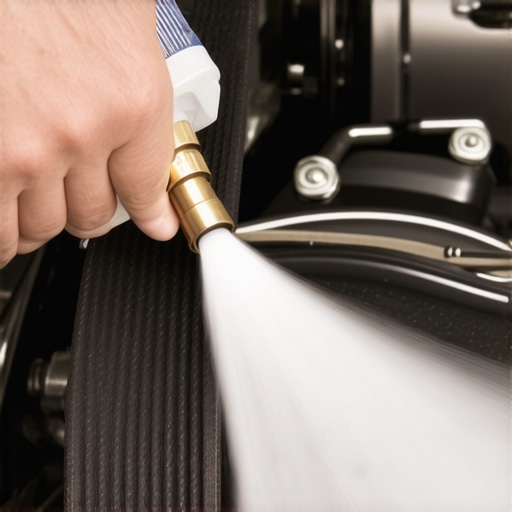
I remember the exact moment I realized I’d made a costly mistake. I was under the hood, trying to refresh my car’s engine bay, and decided to spray some degreaser on what I thought was just another grimy reprimand to my trusty serpentine belt. The immediate scent of chemical fumes, the sticky residue afterward, and the subsequent noise from my belt was a painful wake-up call. That lightbulb moment made me understand how harmful certain products can be when it comes to vital engine components.
The Hidden Dangers of Using Degreaser on Your Serpentine Belt
Most DIY enthusiasts, even some professional mechanics, don’t realize how sensitive the serpentine belt is. It’s not just a rubber loop; it’s a crucial part that drives your alternator, power steering pump, and AC compressor. Using harsh chemicals like degreasers might seem like a quick fix for oil stains, grease, or grime, but in reality, it can accelerate wear and cause premature failure.
In my early days, I made the mistake of reaching for a generic degreaser, thinking I was helping my engine breathe a little easier. Instead, I ended up with a squealing belt and costly repairs. That’s when I started digging into mechanics’ best practices and discovered a simple truth: your serpentine belt is far too delicate for aggressive chemical treatments. Experts strongly advise against using degreasers—they strip away the belt’s natural rubber and reduce its grip, leading to slip or even total breakage.
What Could Go Wrong?
Using degreaser can cause your belt to lose its flexibility or become brittle over time, increasing the risk of tearing. Plus, chemical residues can cause slipping, which in turn puts extra strain on your engine accessories. The worst part? Many car owners are unaware they’ve done damage until a belt slips or a costly breakdown occurs. This is why I always recommend a spot clean with gentle products or, better yet, regular inspections to catch early signs of wear.
Are you facing issues like squealing noises, belt slipping, or just want peace of mind? I’ve been there, and I’ll guide you through what you need to know to keep your engine running smoothly. First, let’s address a common skepticism many have about avoiding degreasers altogether.
Select the Right Cleaning Solution
Start by choosing a gentle, non-abrasive cleaner—avoid degreasers entirely. Instead, opt for a soft cloth dampened with water or a specialized belt cleaner recommended by automotive experts. I learned this lesson the hard way when I used a cheap degreaser and ended up with a squealing belt, leading me to research safer alternatives. This simple switch helped me extend my belt’s life significantly.
Prepare Your Vehicle for Cleaning
Park your car on a level surface, turn off the engine, and ensure the serpentine belt is cool to avoid burns. Remove any loose debris around the belt to prevent dirt from scratching or contaminating the rubber. Wearing gloves can prevent chemical transfer and keep your hands clean—making the process safer and more effective.
Apply the Cleaning Solution Carefully
Using a soft brush or cloth, gently wipe the belt’s surface. Focus on areas with oil or grime buildup—don’t scrub aggressively, as excessive force can damage the rubber. For stubborn spots, let the cleaner sit for a few minutes before wiping away. This method keeps the rubber intact while removing contaminants, which helps prevent slipping and premature wear.
Dry and Inspect the Belt
Use a clean, dry cloth to absorb residual moisture. Avoid using compressed air, which might force debris into the belt’s grooves. Once dry, inspect the belt for signs of cracking, fraying, or glazing. If any damage is visible, consider replacing the belt rather than attempting repairs. Early inspection can prevent unexpected breakdowns—an idea reinforced when I caught a minor crack during routine maintenance, saving me from a sudden failure.
Maintain Regular Checks
Make belt cleaning a part of your scheduled maintenance. Regularly inspecting and lightly cleaning your serpentine belt prolongs its lifespan and ensures optimal performance. Remember, a clean belt grips better and reduces stress on pulleys and tensioners, which can be compromised if dirt and oil accumulate. For troubleshooting persistent issues, technical tests like fluid analysis can reveal underlying causes, but prevention starts with proper cleaning.
Even seasoned car owners often fall prey to misconceptions about vehicle service, especially when it comes to critical aspects like oil changes, transmission care, and trusting ASE certifications. One common myth is that all automotive oil is created equal; in reality, understanding the nuances of synthetic versus conventional oils can mean the difference between engine longevity and costly repairs. For instance, some believe that changing oil at longer intervals saves money, but neglecting regular oil analysis or visual checks can lead to oil dilution or sludge buildup, ultimately stressing engine parts.
Are ASE certifications always trustworthy? An expert might say otherwise. ASE certification indicates a mechanic has passed specific tests, but it doesn’t guarantee ongoing competence or honesty. Studies have shown that some ASE-certified technicians might lack updated training, especially in emerging vehicle technologies like hybrids or electric models. You can verify the skills of your mechanic by asking targeted questions or referencing online tools that crosscheck certification numbers.
Another advanced mistake is overlooking subtle transmission issues, as they often manifest as vague symptoms before catastrophic failure. For example, a slight delay in engagement or a burnt smell could signal fluid contamination or internal wear. Testing the transmission fluid for metal flakes or burnt odor (see this visual test) provides critical insight into what’s truly happening under the hood. Relying solely on symptoms like rough shifts or slippage might delay necessary repairs and lead to more expensive fixes later.
How do you spot a mechanic who’s truly qualified beyond ASE badges? Ask about their familiarity with specific vehicle models or recent diagnostic training. An expert knows how to interpret diagnostic data accurately rather than just replacing parts until the problem seems alleviated. For example, diagnosing a slipping gearbox in a hybrid system requires advanced knowledge—sometimes, the issue isn’t the transmission but contaminated fluid or sensor faults. To prevent falling into these traps, regularly scheduled diagnostics and professional consultations are vital. Remember, a holistic approach to maintenance not only saves money but also keeps your vehicle performing optimally for years to come. Want to further empower your maintenance routine? Check out expert tips on transmission health and become a proactive car owner. Have you ever fallen into this trap? Let me know in the comments.Invest in Precision Diagnostic Equipment
To truly maintain your vehicle’s health, especially if you’re aiming for long-term reliability, investing in a high-quality OBD-II scanner is invaluable. Personally, I use the BLUEKEY Diagnostics Pro because it provides comprehensive live data streams and can read manufacturer-specific codes, which generic scanners often miss. This allows me to detect issues like fluid contamination or sensor malfunctions early, preventing costly repairs down the line. As vehicle technology evolves, having access to detailed diagnostic information helps in making informed maintenance decisions, whether it’s for a hybrid’s complex battery management system or a modern transmission’s adaptive features.
Use Software for Predictive Maintenance
Harnessing software platforms that analyze your vehicle’s data history is a game-changer. I recommend tools like AutoTrack Pro, which syncs with your vehicle’s onboard computer and tracks patterns over time. For example, by regularly reviewing transmission fluid temperature and shift patterns—accessible through compatible software—you can predict when fluid replacement is due, as outlined in this resource. This proactive approach helps in scheduling maintenance before minor issues escalate into major failures, especially in models with adaptive transmission controls.
Maintain a Comprehensive Shop Kit
Having the right tools on hand simplifies ongoing maintenance. My essential kit includes a digital torque wrench for ensuring fastener precision—crucial when replacing components like tensioners or oil filters—along with a quality multimeter for electrical inspections. Additionally, a synthetic oil tester like the Viscosity Monitor 3000 helps verify the integrity of your engine oil over time, aligning with best practices discussed here. Regular use of these tools enables accurate, scalable maintenance routines that extend your vehicle’s lifespan.
Plan for Long-Term Results
Looking ahead, integrating data-driven maintenance schedules will become standard, especially as AI and machine learning systems get embedded into vehicle management. Vehicles will increasingly alert owners about impending issues like transmission fluid degradation before symptoms present. This predictive capability will minimize downtime and optimize costs. Staying current with software updates from your vehicle’s manufacturer and certified technicians trained in new tech, such as those with active ASE certification, will be essential for maintaining performance.
Scaling Your Maintenance Routine
As your vehicle ages, scaling your maintenance by including items like differential, transfer case, and hybrid battery checkups ensures ongoing reliability. For example, regularly testing your hybrid’s coolant and battery health using advanced diagnostic tools prevents unexpected failures—saving time and money. Remember, routine inspections combined with high-quality tools can catch early signs of trouble, like metal flakes in oil, which you can learn to recognize here.
How do I keep my vehicle’s systems in top shape over time?
The key is adopting a structured approach that combines the right tools, regular inspection schedules, and knowledge of emerging vehicle technologies. For instance, scheduling periodic fluid analysis helps monitor fluid degradation, which is critical for long-term transmission health. I recommend trying the advanced tip of conducting a simple visual test for contaminated brake fluid using this method. It’s simple yet effective in catching problems early and ensures your brakes perform reliably. Committing to such practices continually will make your maintenance routine scalable and keep your car performing optimally for years to come.
Reflecting on my early mistakes in vehicle maintenance, I realized that a lot of the pitfalls stem from common misconceptions and overlooked details. One crucial lesson I learned was that proactive diagnostics and proper cleaning are vital to extending your drive’s lifespan. Regularly inspecting and gently cleaning your serpentine belt not only prevents unexpected failures but also saves you from costly repairs down the line. Moreover, investing in quality diagnostic tools and understanding the nuances of ASE certifications can empower you to make informed decisions, avoiding scams and ensuring your vehicle receives the best care.
Lessons Only Insiders Know About Car Maintenance
- Not all ASE certifications mean current expertise: I used to trust an ASE badge blindly until I learned that some technicians might lack recent training—especially with emerging technologies like hybrids and EVs. Asking targeted questions or verifying certification numbers online can save you from misdiagnosis.
- Degreasers can be more harmful than helpful: My mistake with using harsh chemicals on the serpentine belt taught me that gentle cleaning methods prevent premature wear. Sometimes, minimal intervention with proper tools beats aggressive cleaning.
- Early signs matter more than you think: Issues like subtle slipping or strange smells often indicate deeper problems. Conducting simple visual tests—like checking for burnt odor or debris—can preempt major breakdowns.
- Invest in precise diagnostic equipment: High-quality OBD-II scanners and software like these tools enable me to catch problems early, saving money and downtime.
- Preventive care outshines reactive repairs: Regular inspections, combined with advanced testing, keeps your vehicle performing optimally. For example, testing your transmission fluid for metal flakes can be a game-changer in avoiding catastrophic failure.
Gear Up for Better Moves on the Road
If you want your vehicle to run smoothly for years, embrace a maintenance mindset rooted in knowledge and proper tools. Using resources like professional tips and understanding the importance of quality parts can make a significant difference. Remember, the best maintenance routine is one that’s proactive, informed, and tailored to your car’s unique needs.
Keep Your Drive Alive and Thriving
Don’t wait for warning signs to become desperate calls for help. Take charge of your vehicle’s health today, implement gentle cleaning, leverage advanced diagnostics, and stay curious about your car’s inner workings. Your efforts will pay off in smoother rides and fewer roadside surprises. Now, tell me: have you ever caught a small issue before it turned into a costly fix? Share your experiences below and let’s learn together!