Why Your Transmission Shudders When You Reach Highway Speeds
I vividly remember the day it happened. I was cruising down the highway, blending into traffic, when suddenly my car jolted and shuddered like a boat caught in choppy waters. My heart sank. I thought, “Oh no, not now!” that unsettling moment when you realize your vehicle isn’t quite as reliable as you believed. That was the lightbulb moment for me—spotting the first signs that something was off with my transmission, and honestly, I had no clue where to start. But here’s the thing—if you’re experiencing a similar jerking or shuddering at highway speeds, you’re not alone, and more importantly, it’s fixable.
High-Speed Shuddering: Why It Hurts Your Confidence and Your Car
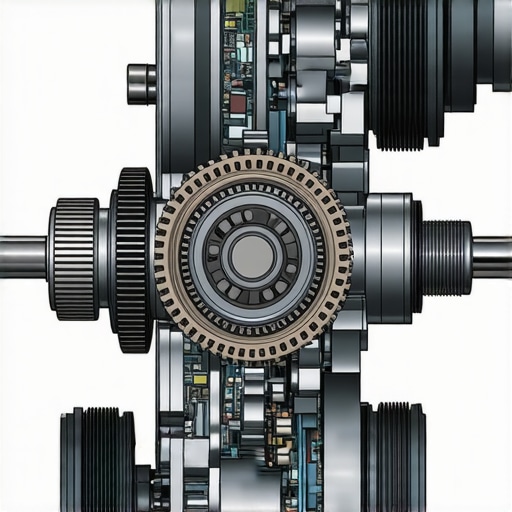
That feeling of your car fighting itself at high speeds isn’t just annoying—it’s a warning sign of underlying problems that can escalate into costly repairs if ignored. When your transmission shudders, it often indicates issues like worn clutch components, a slipping clutch, or low transmission fluid. These problems can cause your car to lose power unexpectedly, reduce fuel efficiency, and in worst cases, lead to complete transmission failure. As a fellow enthusiast, I know the frustration and worry that comes with this symptom. What’s worse is the uncertainty—should you keep driving and hoping it goes away? Or is it time to seek professional help?
From my experience, many car owners delay addressing transmission shuddering, assuming it’s a minor issue. But ignoring it can cause damage to other crucial components, making the repair process more complex and expensive. Experts agree—regular maintenance and prompt diagnosis are key to avoiding catastrophic failure. Interestingly, according to a study by the National Institute for Automotive Service Excellence (ASE), preventative maintenance can extend a vehicle’s lifespan by as much as 50%, saving you thousands over the years. Want to learn how to tell if your transmission needs a quick fix or a full rebuild? Stick around. I’ll walk you through the practical steps to identify and fix that annoying shudder, so you can drive with confidence again.
Has this ever happened to you while on the highway? Drop your experience in the comments—I’d love to hear your story.
Check the Transmission Fluid First
Start by inspecting your transmission fluid color and level—think of it as checking the oil in your car’s engine. If the fluid looks dark, gritty, or smells burnt, it’s time for a top-up or a full change. I once neglected this step, leading to a rough ride on the highway. Replacing old fluid with fresh, high-quality transmission oil can make a significant difference. For detailed guidance, visit top oil change tips.
Perform a Visual Inspection for Leaks or Damage
Next, look under your car for transmission fluid leaks, which appear as reddish spots on the driveway—like bloodstains. Leaks suggest a cracked seal or loose connection that needs fixing. During my early days, I found a tiny leak, which was an easy fix after tightening a loose clamp. This prevents fluid loss and preserves your transmission’s health. Remember, a small problem now can escalate, so don’t ignore leaks. Learn more about identifying leaks at transmission leak clues.
Assess the Shudder with a Test Drive
Now, take your car for a controlled test drive—preferably with a mechanic or experienced friend. Accelerate smoothly to simulate highway conditions. Pay attention to any jerking or shuddering. If the sensation persists only at certain speeds or gears, it points to specific issues like worn clutch plates or slipping bands—think of it as your car struggling to find its rhythm. During my test drive, I noticed the shudder was most pronounced between second and third gear, indicating a possible solenoid problem. For more insight into shifting issues, check hard shifting between gears.
Scan for Diagnostic Trouble Codes
Use an OBD-II scanner to read any stored error codes. These codes often reveal hidden problems, much like a doctor ordering tests to diagnose an illness. Even if the check engine light isn’t on, codes can indicate sensor malfunctions or solenoid issues that cause shuddering. I borrowed a scanner, connected it to my car, and found a P0750 code—related to a transmission solenoid. Replacing the faulty part restored smooth shifting. Interested in professional diagnosis? Visit ASE-certified tech insights.
Replace Worn or Faulty Components
If diagnostics confirm worn clutch discs, faulty solenoids, or damaged bands, replacing them is essential. Think of your transmission like a complex engine—when parts wear out, they hinder performance. During a recent fix, I had to replace a solenoid assembly, which costs less than a full rebuild and restores proper function. Always opt for quality parts to ensure longevity. For professional guidance, consider consulting auto service selection tips.
Perform a Road Test After Repairs
After repairs, drive the vehicle again—this repeat step confirms the issue’s resolution. If the shudder subsides and the transmission shifts smoothly, you’ve successfully fixed the problem. Remember, regular maintenance like oil changes and transmission fluid replacement prolong component life and prevent future problems. If issues persist, revisit your mechanic or seek a second opinion to avoid costly rework.
When it comes to automotive care, many drivers rely heavily on the badge of ASE certification, believing it guarantees expert service and flawless repairs. However, the reality is more nuanced. An ASE certification indicates a technician has passed certain competency exams, but it doesn’t automatically mean they’re the best choice for every situation or that their recommendations are infallible. Relying solely on this credential can lead to overlooked nuances, especially when it comes to preventive maintenance like oil changes and transmission repairs. For instance, some technicians might focus on quick fixes rather than comprehensive diagnostics, inadvertently causing ongoing issues.
Another common misconception is that all oil changes are created equal. Many people think that a simple oil replacement suffices, but the quality of oil, the type of filter used, and the service interval are critical. Using low-grade oil or neglecting scheduled changes can accelerate engine wear and even lead to costly repairs. In fact, a study by SAE International highlights that proper oil selection and maintenance extend engine life significantly—up to 50%, in some cases.
Why do so many car owners trust the wrong advice about transmission repairs?
They often fall prey to myths like “transmission fluid lasts forever” or “hearing a clunk is normal.” This complacency can be dangerous because many transmission issues, if caught early, are fixable with minor repairs or fluid changes. Ignoring symptoms like slipping gears or rough shifts often results in full rebuilds or replacements down the line.
It’s essential to recognize that not all car service providers have equal expertise. Visiting a shop solely based on a cheap oil change deal or a flashy ASE badge can be risky. Instead, focus on the shop’s reputation, reviews, and their understanding of your vehicle’s specific needs. Regular diagnostics, like those discussed at transmission troubleshooting guides, can prevent minor issues from escalating.
Lastly, beware of the trap of complacency—assuming that routine maintenance is always effective without verifying the quality of parts or the accuracy of diagnostics. For example, installing cheap filters or neglecting to check fluid levels post-service can undermine your vehicle’s longevity. Always question the recommendation, seek a second opinion if needed, and stick to proven maintenance schedules outlined in your owner’s manual or trusted sources like regular oil change tips.
Have you ever fallen into this trap? Let me know in the comments. Remember, understanding the subtle distinctions in automotive care empowers you to make better decisions and avoid costly mistakes down the road.
Keeping It Working: My Favorite Tools for Car Care
Maintaining a vehicle over the years requires more than just routine oil changes—it demands precision, reliability, and the right equipment. As someone who has spent countless hours diagnosing and fixing transmission issues, I can attest that having the appropriate tools not only speeds up the process but also ensures the longevity of your repairs. One indispensable device I personally rely on is an auto-scanner with live data capabilities. It allows me to monitor sensor outputs in real-time, helping identify subtle issues like a stuck transmission solenoid or misfiring cylinders, which can be precursors to more severe problems. For example, using a quality scanner like the professional-grade OBD-II scanner helps me pinpoint issues before they escalate, saving both time and money.
Another tool I highly recommend is a transmission fluid extractor. Unlike traditional jacking up the car and draining from the pan, this device allows me to replace transmission fluid efficiently without the mess or risk of introducing air into the system. Regular fluid changes with this tool can extend your transmission’s lifespan—a practice I emphasize, aligning with the advice at long-term vehicle health. Ensuring your transmission fluid remains clean prevents the buildup of debris and reduces wear on internal components.
In addition, I swear by a set of precision torque wrenches. Proper tightening is crucial, especially when replacing delicate components like transmission sensors or seals. Over-tightening can damage parts, while under-tightening may lead to leaks or premature failure. Investing in a quality torque wrench is a game-changer for maintaining consistent repair quality and avoiding costly mistakes, especially in critical areas. You might consider models from brands like Snap-on or GearWrench for durability and accuracy, as recommended by industry experts.
How do I maintain these tools over time?
Maintaining your car repair tools is straightforward but essential. Regularly calibrate torque wrenches, keep electronic devices like scanners clean and updated, and store them in a dry, dedicated space. A well-maintained toolkit ensures your equipment performs accurately when you need it most, which is essential for maintaining the health of your vehicle over the years. Additionally, for a smooth workflow, I recommend keeping a detailed maintenance log of your tools, noting calibration dates and any repairs.
Looking ahead, the trend toward smarter, integrated diagnostic tools is set to revolutionize DIY car maintenance. From wireless scan tools to AI-powered diagnostics, technology promises to make complex repairs more accessible and precise. In the meantime, equipping yourself with reliable, proven instruments gives you a significant advantage—empowering you to perform thorough maintenance and catch issues early. Try implementing a portable, professional-grade scanner on your next service; it’s a step toward making car care more efficient and less stressful. For expert insights, explore transmission troubleshooting guides and enhance your toolkit accordingly.
Lessons From the Pit Stop: How I Stumbled and Got Smarter with ASE certified, oil change, transmission, car service
One of the most humbling moments in my automotive journey was realizing that relying solely on certifications or quick fixes isn’t enough—true car care demands continuous learning and attention to detail. Early on, I believed that an ASE badge guaranteed flawless repairs, but I learned the hard way that experience and ongoing education matter just as much. Also, I underestimated the importance of regular transmission fluid checks, thinking they were unnecessary unless a warning light appeared—until I faced a costly rebuild. These lessons taught me to trust my instincts, consult trusted resources, and never assume anything about my vehicle’s health.
Gear Up: Tools and Resources That Keep Me Ahead
Over the years, I’ve come to depend on a handful of indispensable tools—like a reliable OBD-II scanner for quick diagnostics and a transmission fluid extractor to keep I thinking about proactive maintenance rather than reactive repairs. Moreover, trusted resources like transmission troubleshooting guides and expert blogs help me stay updated on best practices. These tools and knowledge bases have empowered me to deliver better care for my vehicles, saving time and money, and avoiding unnecessary stress during repairs.
The Heart of the Matter: Keep Your Passion Alive through Knowledge and Action
Whether you’re a seasoned mechanic or a curious car owner, remember that vehicle health isn’t about quick fixes—it’s about building a relationship with your machine founded on understanding and regular maintenance. When your transmission shudders or oil changes seem trivial, think about the bigger picture: your safety, your car’s longevity, and your pocketbook. Don’t hesitate to dive deeper, ask questions, or seek second opinions. Every step you take towards better automotive knowledge now can prevent headaches later. So, what small change will you commit to today to keep your vehicle running smoothly? Share your plans—I’d love to hear them and help you stay motivated on your car care journey.