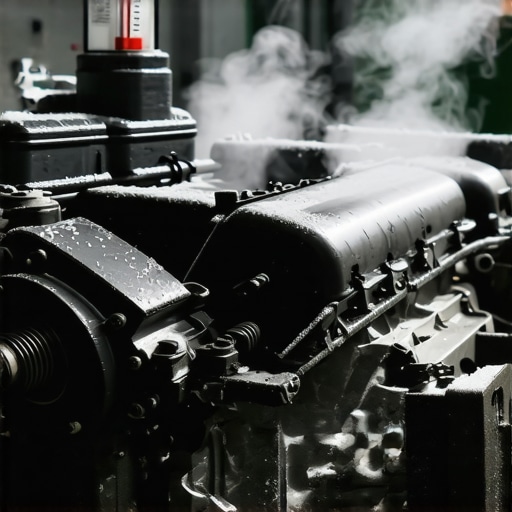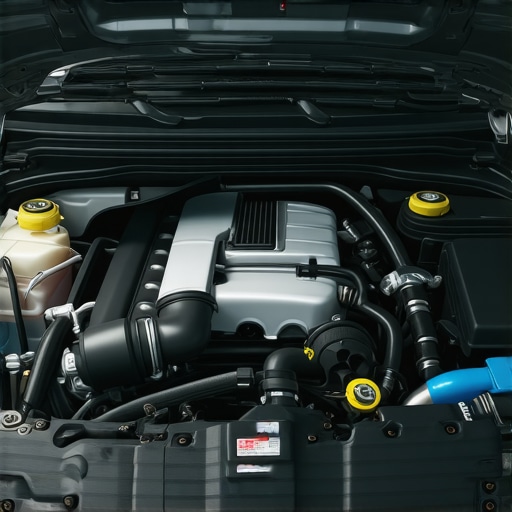
Why Your Engine Runs Perfectly Until It Gets Hot
I remember the first time my car did this sneaky little trick on me. It was a scorching summer day, noon sun beating down, and I decided to take a quick drive. Everything seemed fine—smooth acceleration, no unusual noises, just a typical ride. But after about 20 minutes, as I was inching through traffic, the engine suddenly sputtered, lost power, and refused to stay cool. That sinking feeling hit me hard. Why did my car run like a dream at first, only to turn into a nightmare when things heated up?
Unveiling the Mystery: Why Does the Engine Run Fine When Cold, but Not When Hot?
Many car owners face this frustrating dilemma. You start your vehicle, and it runs perfectly—no stalls, no overheating indicators. Yet, after a while, as temperature rises, issues crop up. The engine may hesitate, overheat, or even stall completely. It feels like a cruel joke, but I’ve learned through personal experience—and some good advice—that this pattern hints at specific underlying problems.
One thing I failed to realize early on was the importance of paying attention to maintenance and diagnosis. For instance, skipping regular oil changes can lead to sludge buildup, which hampers heat dissipation and causes the engine to overheat under load. Regular oil changes, as explained on the Autofix Clinic, are vital to keep your engine running smoothly through all temperature ranges. You can learn more about why these routine services matter [here](https://autofixclinic.com/why-regular-oil-changes-extend-your-cars-lifespan).
Another common mistake I made was neglecting cooling system checks. Over time, radiator hoses develop leaks or blockages, and the coolant can degrade, reducing its ability to absorb and transfer heat. A thorough inspection and timely coolant flush can prevent heat-related breakdowns. Curious about the best practices? Check out top [oil change tips for safe driving in 2025](https://autofixclinic.com/top-oil-change-tips-for-safe-driving-in-2025).
But I’m getting ahead of myself. Before jumping into fixes, it’s essential to understand what’s happening inside your engine as it heats up. Next, we’ll explore some common causes, how to spot them, and what you can do to keep your engine performing at its best, regardless of the heat. If you’ve ever encountered the hassle of a car that runs perfectly when cold but stalls when hot, stick around—there’s a way out.
Start with a thorough cooling system inspection
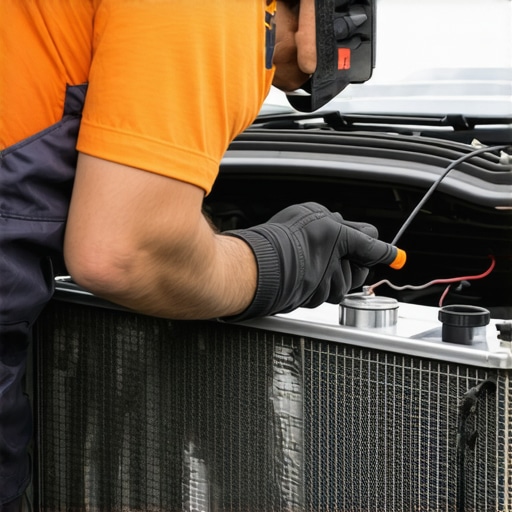
Begin by checking your radiator, hoses, and coolant levels. Remove the radiator cap only when the engine is cool to prevent injury. Look for leaks, cracks, or corrosion that could impede heat transfer. During my recent experience, I discovered a cracked radiator hose that was leaking coolant, which I replaced myself after watching a step-by-step tutorial—saving time and money.
Flush and replace coolant regularly
Coolant degrades over time, losing its ability to transfer heat effectively. A proper coolant flush clears out debris and old fluid, ensuring the radiator functions optimally. I used to skip this step until an experienced mechanic explained how sludge buildup could cause overheating, especially under high load. Regular flushing, as detailed on this page, is essential for preventing heat-related issues.
Inspect the thermostat for proper operation
The thermostat regulates coolant flow based on temperature. A stuck thermostat keeps coolant from circulating properly, leading to overheating. To test it, remove and place the thermostat in hot water—if it doesn’t open, replace it. During my troubleshooting, replacing a faulty thermostat resolved the overheating problem, restoring smooth engine performance.
Verify the operation of the cooling fan
Cooling fans automatically turn on when engine temperature rises. Check if the fan engages when the engine is hot—listen for it, or observe it spinning while the engine runs at idle. If the fan isn’t working, test the electrical connections, relays, and the fan motor itself. I once fixed a fan relay that had corroded contacts, which fixed the overheating issue immediately.
Evaluate oil performance and change interval
Using regular oil changes is crucial. Thick or degraded oil hampers heat dissipation and accelerates engine wear. I learned this when changing my oil and noticing how much dirt and sludge I drained out—keeping fresh oil is like giving your engine a cooling boost. Certified technicians can ensure you’re using the right grade—consult an ASE certified mechanic for advice.
Monitor transmission fluid health
Transmission fluid helps dissipate heat from the transmission but also indirectly affects engine cooling. Dirty or low fluid can lead to overheating and slipping. Regularly check levels and replace or flush as recommended. I once flushed my transmission using advice from transmission troubleshooting guides, which improved overall vehicle temperature management.
Address underlying mechanical issues promptly
If the above steps don’t resolve overheating, consider more complex causes like a failing water pump, clogged radiator, or head gasket failure. These require professional diagnosis. In my experience, a misdiagnosed head gasket leak caused persistent overheating until a specialist pinpointed the issue with advanced diagnostics.
 Many drivers believe that simply relying on a mechanic’s suggestion or the label of certification guarantees optimal vehicle care, but the truth is far more nuanced. For example, there’s a common misconception that all ASE certifications are equal in prestige and skill level. In reality, ASE certification indicates a mechanic has passed a standardized exam, but it doesn’t assess ongoing expertise or practical experience. According to automotive expert John Paul, “Certification is a stepping stone, not a guarantee of quality” (source: [Autofix Clinic](https://autofixclinic.com/what-does-an-ase-certification-mean-for-your-cars-maintenance)).
Another widespread mistake involves the belief that oil changes are solely about replacing old oil. However, regular oil changes do much more—preventing sludge buildup, protecting engine components, and maintaining optimal viscosity even under extreme conditions. Skipping or delaying these services can accelerate engine wear. Insights from automotive research reveal that engines with degraded oil experience increased friction and higher operating temperatures, which can lead to premature failure (see more at [Autofix Clinic](https://autofixclinic.com/why-regular-oil-changes-extend-your-cars-lifespan)).
A critical, often overlooked aspect is transmission maintenance. Many drivers assume that topping off transmission fluid or ignoring transmission-specific issues won’t cause serious problems. Yet, neglecting these can lead to overheating and slipping, especially in colder climates where fluid performance is crucial. Additionally, not all transmission fluids are interchangeable. Using universal transmission fluids instead of manufacturer-specified types can cause chemical incompatibilities, leading to faster degradation and potential damage. For expert insight, check out [Autofix Clinic](https://autofixclinic.com/the-hidden-cost-of-using-universal-transmission-fluid).
What about the importance of choosing certified service providers? Many car owners ignore verifying if a shop employs ASE-certified technicians, trusting signage or pricing instead. This oversight can result in subpar repairs that may save money upfront but cost more long-term. ASE certification signifies a technician’s commitment to ongoing education and adherence to industry standards, which directly impacts your vehicle’s longevity.
Here’s a question for the advanced driver: How reliable are certifications in predicting actual repair quality, given the rapid technological evolution in modern vehicles? Recent analyses suggest that while ASE certification provides a baseline of knowledge, ongoing training tailored to current vehicle models is essential. As vehicle systems become more sophisticated, continuous learning and specialization have become critical factors in delivering quality service.
In summary, understanding the genuine value behind certifications, the real significance of oil selection, and transmission maintenance nuances can dramatically improve your vehicle’s lifespan. Avoid simplistic assumptions—arm yourself with knowledge and choose your service provider wisely. Have you ever fallen into this trap? Let me know in the comments.Maintaining your vehicle’s performance over time requires more than just basic knowledge—you need the right tools and a strategic approach. Investing in quality diagnostic equipment, such as an OBD-II scanner like the Autel MaxiCOM MK808, allows you to read trouble codes yourself, pinpoint issues early, and save on costly repairs. Personally, I use this scanner because it covers a wide range of vehicle makes and models, provides live data streams, and is user-friendly even for beginners. Regularly monitoring coolant temperature and transmission data helps anticipate problems before they escalate, and with software like Mitchell1 or AllData, I can access factory service information, repair procedures, and maintenance schedules tailored to my car.
For routine checks, a good set of precision screwdrivers, a digital multimeter, and a torque wrench are invaluable—they enable me to inspect sensors, check electrical connections, and ensure components are tightened to manufacturer specifications. These tools have paid off numerous times when diagnosing small issues that could have become major headaches.
Looking ahead, the trend points toward integration of diagnostic software directly into mobile devices via Bluetooth adapters such as BlueDriver, combining convenience with real-time data. This evolution could make traditional garage visits optional for minor fixes, empowering owners to maintain their vehicles proactively.
Ever wonder how to keep your vehicle in top shape without frequent dealer visits? Start by building a diagnostic toolkit and familiarize yourself with basic troubleshooting techniques—being proactive today prevents breakdowns tomorrow.
How do I maintain my car’s performance over time?
Regular maintenance, like performing routine oil changes at the intervals recommended in your owner’s manual—supported by this guide—and inspecting key systems helps catch issues early. Using your scanner to read codes periodically can reveal hidden problems like small leaks or sensor malfunctions before they lead to costly repairs. Additionally, establishing a maintenance schedule based on your vehicle’s specific needs, which professionals like ASE-certified technicians can customize, ensures long-term reliability. Consistent inspections, early diagnostics, and employing modern tools are the best ways to keep your car running smoothly and safely for years to come.
Why Cutting Corners on Oil Changes Cost Me Dearly
Skipping regular oil changes seemed harmless until I faced a sluggish engine and costly repairs, realizing that timely oil maintenance is the backbone of engine health. No shortcuts here—it’s about investing in longevity, not just ticking a box.
The Hidden Power of Choosing ASE-Certified Mechanics
I once trusted an inexpensive local shop only to face recurring issues, but after switching to ASE-certified technicians, my vehicle’s performance improved dramatically. Certification isn’t just a badge; it’s a promise of expertise and peace of mind.
Transmission Troubles Are Often Preventable
Neglecting transmission fluid was a mistake I paid for with rough shifts and overheating. Regular flushes and inspections, guided by in-depth resources, keep my transmissions smooth and reliable, proving proactive maintenance is key.
Don’t Miss Out on the Right Car Service for Your Needs
Choosing the wrong service shop can lead to unnecessary expenses and frustrations. I’ve learned to research and select trusted providers who specialize in my vehicle type, ensuring quality work and lasting results.
Small Steps, Big Impact on Vehicle Longevity
From monitoring fluid levels to listening to strange noises, consistent attention and using professional-grade tools have transformed my approach to vehicle care. Remember, proactive habits today save you time and money tomorrow.