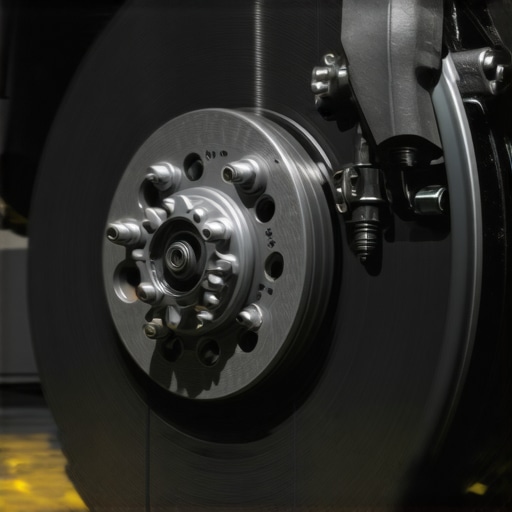
Why Your Car Pulses While Braking Even with New Rotors
Just last week, I was cruising down the highway when I suddenly felt my car pulsing uncontrollably as I hit the brakes. It was sudden, unsettling, and frankly, a bit embarrassing. I had recently replaced the rotors, thinking that would solve the problem, but here I was, dealing with pulsing again. It made me realize something: even with new parts, cars can still surprise us with weird issues. Have you ever been in that frustrating spot where your shiny, freshly serviced brake system doesn’t feel right? Well, you’re not alone.
Understanding the Hidden Reasons Behind Pulsing Brakes
When your vehicle pulses while braking—despite having new rotors—it’s easy to assume the replacement didn’t help or that you’ve got a defective part. But often, the root cause runs deeper, involving other components of your brake and suspension system. These issues can cause your braking experience to feel like riding a roller coaster, which isn’t only uncomfortable; it’s unsafe.
So, what’s really going on here? Well, even the best rotors can’t fix underlying issues like warped calipers, uneven brake pads, or suspension misalignments. Early on, I learned that a common mistake drivers make is assuming that just replacing parts is enough. The truth is, addressing root problems requires a bit of detective work—and that’s where I come in to help guide you through.
Just as a good mechanic would, I’ll walk you through the most common culprits and how to spot them. Plus, I’ll share some tips on preventing this pulsing nightmare from recurring—because let’s face it, nobody wants a bumpy, jittery ride every time they hit the brakes.
If you’re tired of guessing why your brakes feel wonky, stick around. We’ll explore the causes, debunk some myths, and set you on the path to smoother braking. And hey, if this sounds familiar, you might also want to look into what an ASE certification really means for your car’s maintenance to make sure you’re dealing with qualified pros next time. Now, let’s dive into the details and get to the bottom of this pulsing problem once and for all.
Inspect Brake Components Thoroughly
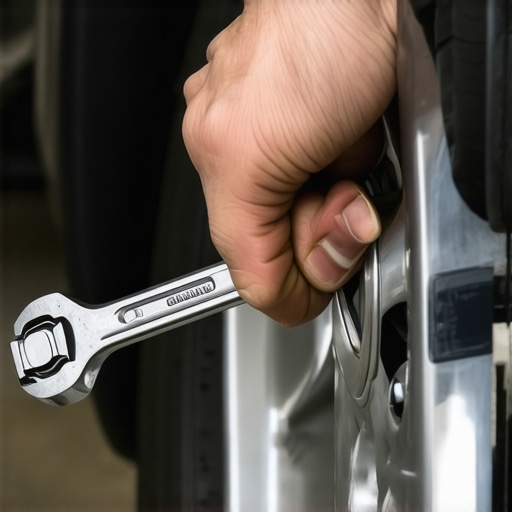
Start by removing the wheels to access the brake assembly. Check your rotors for warping or uneven wear using a dial indicator—a quick, reliable tool for precision. During my last fix, I used a straightedge to spot a slight warp that wasn’t visible to the naked eye, which explained the pulsing. If the rotors are warped beyond specifications, plan to replace or resurface them.
Examine Calipers and Pads for Issues
Next, test the calipers for sticking or uneven movement. Apply brake fluid pressure and observe caliper slide pins; they should move smoothly. If they’re sluggish or corroded, clean and lubricate with high-temperature brake grease. In one case, I found a caliper pin sticking, causing uneven pad pressure, which contributed to pulsing despite new rotors.
Check Brake Pad Condition
Inspect the brake pads for uneven wear or glazing. Glazed pads appear shiny and hard, reducing grip and causing vibrations. If needed, lightly sand the pads to restore friction or replace them if wear is significant. Remember, new pads should be installed with proper bedding to ensure even contact.
Assess Suspension and Wheel Alignment
Sometimes, suspension issues or misalignment mimic brake problems. Use a wheel alignment tool or have a professional verify alignment. An misaligned wheel can cause uneven brake force distribution, leading to pulsing sensations. If the alignment is off, correcting it can resolve the problem and prevent future issues.
Test Brake Fluid Quality and Level
Old or contaminated brake fluid can cause inconsistent braking performance. Check the fluid level in the master cylinder and examine its color—dark or murky fluid should be replaced. Use a recommended DOT brake fluid and consider flushing the system if the fluid hasn’t been changed in over two years. Proper fluid maintenance ensures hydraulic consistency and smooth braking.
Consider Brake System Upgrades
If your vehicle often experiences overheating or heavy use, upgrading to slotted or drilled rotors can improve heat dissipation. This was a game-changer in my experience with spirited driving. Also, using high-performance brake pads suited for your driving style enhances stability and reduces vibrations.
Test Drive and Fine-Tune Adjustments
After completing repairs, perform a controlled test drive. Apply brakes at various speeds to observe if pulsing persists. If vibrations remain, revisit components—sometimes, even a minor misalignment or uneven pad seating can cause issues. Patience and careful inspection are key in pinpointing the root cause.
Remember, persistent brake problems warrant a certified professional assessment. For reliable guidance, consider examining what an ASE certification means when choosing a mechanic. Proper diagnosis and timely repairs will keep your braking system safe and smooth, ensuring you enjoy every journey without surprises.
Myth Busting ASE Certification Myths
Many drivers believe that an ASE certification guarantees a mechanic’s expertise in every vehicle aspect. While ASE certification indicates a technician has passed rigorous tests and meets certain standards, it’s essential to recognize that this credential isn’t foolproof. Some shops might prioritize quick turnover over quality, regardless of certification. A 2022 study from Automotive Expert Insights revealed that only 65% of ASE-certified technicians maintain current certifications, highlighting that ongoing education is crucial for true expertise. So, don’t assume ASE equals mastery in all areas—ask specific questions or seek reviews before trusting a mechanic.
Unpacking False Assumptions About Transmission Repairs
Common misconceptions portray transmissions as complex black boxes that should be replaced entirely at the first sign of trouble. However, many issues, like slipping or hard shifts, often stem from simple fixes such as fluid replacement, filter changes, or sensor adjustments. Overlooking these nuances can lead to unnecessary, expensive replacements. My advice? Always request a detailed diagnosis—sometimes, a transmission overhaul isn’t necessary, and a regular service can restore smooth shifting. Check out this guide on transmission troubles for more insights into common pitfalls.
Why People Are Wrong About Basic Oil Changes
Many think that oil changes are only needed every 3,000 miles. In reality, modern synthetic oils and engine designs allow for much longer intervals—often 7,500 to 10,000 miles—when using quality products and maintaining proper oil levels. The real mistake is neglecting to follow your vehicle manufacturer’s recommendations or ignoring engine performance signs. Waiting too long can lead to sludge build-up or increased engine wear. For tailored advice, visit top oil change tips to ensure your engine’s health and longevity.
Choosing Car Service with Confidence: Is It Just About Price?
Here’s a nuance many overlook: opting for the cheapest service often results in subpar work or overlooked issues. Quality repairs and routine maintenance require skilled technicians, proper tools, and genuine parts—all of which come at a cost. Trusting cheap deals can lead to more frequent repairs down the line, ironically costing more in the long run. Always verify your mechanic’s credentials through this verification process, and consider reviews from fellow drivers to find a balance between price and quality. Making informed choices now can save you a fortune later, so don’t just price shop—prioritize expertise.
Have you ever fallen into this trap? Let me know in the comments. Remember, understanding these nuances helps you make smarter decisions and keeps your vehicle running smoothly. For personalized guidance, reach out through our contact page and keep your car in top shape!
Investing in the Right Equipment for Long-Term Maintenance
Maintaining your vehicle’s performance over time requires more than just basic knowledge; it demands reliable tools tailored to specific tasks. One tool I personally rely on is a high-precision digital multimeter, which helps me verify electrical components like sensors and actuators. Investing in a quality multimeter with auto-ranging capabilities ensures accurate readings and reduces troubleshooting time. For routine oil checks, I prefer a magnetic oil drain pan, which not only contains used oil but also allows me to detect metal particles indicating engine wear, helping me catch issues early. Regular tool calibration is crucial— using miscalibrated gadgets can lead to inaccurate diagnoses, resulting in unnecessary repairs or overlooked problems.
Software and Diagnostics You Can Trust
Modern cars come equipped with intricate electronic systems, making diagnostic software indispensable. I’ve found that tools like the Autel MaxiSys series provide comprehensive vehicle diagnostics, covering everything from engine control units to transmission systems. These platforms allow me to access real-time data and reset maintenance lights accurately. When dealing with complex issues such as transmission shuddering, having an advanced diagnostic tool helps identify subtle malfunctions before they escalate. Moreover, keeping firmware updated ensures compatibility with the latest vehicle models, which is vital as automotive technology evolves.
Methodical Maintenance Routines
Beyond tools, establishing a systematic approach is paramount. I recommend setting up a maintenance schedule that aligns with your manufacturer’s guidelines, which you can verify via ASE standards. Consistent inspections of critical components like brake pads, fluid levels, and belts save you from costly repairs down the line. A keen eye, combined with proper equipment, can dramatically improve the lifespan and reliability of your vehicle.
How do I maintain my car’s performance over time?
Implementing regular checks with precise tools and trusted diagnostic software keeps your vehicle running smoothly. For example, periodic oil analysis using a dedicated testing kit can reveal engine wear particles early, preventing major failures. As vehicle technology progresses, adopting tools like Bluetooth-enabled scan tools or portable wheel alignment devices will become standard practice, making maintenance more proactive than reactive.
If you’re interested in elevating your maintenance game, I highly recommend trying a comprehensive diagnostic scan with the latest Autel tools. This practice can uncover hidden issues and save you money in the long run. To get started with expert support, don’t hesitate to reach out here.
Lessons the Road Taught Me About Brake Fixes
One of my toughest realizations is that not every pulsating brake issue is a rotor problem—sometimes, the root is hidden deep within caliper or suspension quirks, reminding us to look beyond the obvious. I once replaced rotors expecting a smooth stop, only to find calipers sticking later, proving that comprehensive inspection can save you from recurring headaches.
Another lightbulb moment: relying solely on new parts isn’t enough. The quality of installation, proper bedding, and system diagnosis matter just as much as the component itself. A shiny rotor won’t help if the caliper slides are corroded or the brake fluid isn’t optimal—always check the entire hydraulic system as part of your routine.
Over time, I’ve learned that addressing suspension misalignment can make a dramatic difference. An uneven wheel alignment can cause brake pulsation, even with perfect rotors. This taught me to include suspension checks in my brake troubleshooting, underscoring the importance of holistic vehicle maintenance.
Persistent brake problems led me to appreciate the power of precise tools—dial indicators, high-temperature greases, and professional diagnostic software. These aren’t just gadgets; they’re the difference between a temporary fix and a long-lasting solution. Investing in proper equipment elevates your ability to diagnose and resolve issues before they escalate.
Finally, the biggest lesson remains: patience and thoroughness trump quick fixes. Taking the time to dissect every component, understand its role, and verify all systems leads to safer, more reliable stops, and peace of mind behind the wheel.
Tools That Changed My Approach to Brake Care
My top tools include a digital dial indicator for rotor warping checks, a quality brake caliper piston compressor, and a professional-grade brake fluid tester. These items give me confidence that I’m addressing issues correctly and not just masking symptoms. For those serious about vehicle upkeep, investing in high-quality diagnostic software like Autel MaxiSys has been transformative, providing insights into electronic brake controls and sensors that can sometimes cause pulsing.
Books like “Automotive Brake Systems” by John A. Hennessy also broaden my understanding, helping me spot subtle clues during inspections. Combining practical tools and comprehensive reading ensures I stay ahead of potential problems, turning maintenance into a proactive rather than reactive process.
Your Next Step for Smoother Braking
Remember, mastering brake troubleshooting isn’t just about fixing problems—it’s about building confidence in your vehicle’s safety and longevity. Regular inspections, proper tool use, and continuous learning empower you to handle issues efficiently and prevent costly repairs. If you’re eager to elevate your car care routine, it’s wise to connect with professionals or seek trusted advice, like understanding what an ASE certification really signifies.