The Specific Thud That Means Your Engine Mounts Are Shot
It was late afternoon, and I was rolling out of my driveway when I felt it—a harsh, unmistakable thud that echoed through the cabin every time I shifted gears. At first, I thought I’d hit something, maybe a stray curb or a loose gravel, but then I realized—this wasn’t just road noise. It was that sinking feeling in my gut that something was seriously wrong with my car. That familiar, nerve-wracking thump was my first clue that my engine mounts had given up, and I had to face it: my trusty ride was not as stable as it seemed.
The Thud That Sends Alarm Bells Ringing
When your vehicle suddenly starts making that unsettling thud, it’s not just an annoyance. It’s a signal, a warning sign that your engine mounts might be failing. Those mounts are what keep your engine steady, absorbing vibrations and keeping everything aligned. If they’re shot, your engine can shift and bang around—it’s like having a loose wheel in your suspension. This can lead to serious issues, from increased vibrations to potential damage to other components.
What’s worse? Many car owners dismiss this sound as normal or just a minor annoyance, not realizing it could be a precursor to costly repairs or even unsafe driving conditions. I’ve been there. Early on, I made the mistake of ignoring that first thud, thinking it was just a bump in the road or a little engine misfire. Boy, was I wrong. Once I finally diagnosed the problem, I felt relieved; I knew what needed fixing, and I was able to get it done before things got worse.
Today, I want to walk you through what I learned—the signs, the causes, and most importantly, how to tackle engine mount issues head-on. Recognizing that strange thud early can save you money, time, and a lot of frustration. If you’ve experienced a similar problem or fear you might soon, stay tuned. We’ll explore practical steps you can take, and I’ll share tips to prevent this from happening again.
Choosing the right car service is crucial, especially when dealing with engine issues like these. And if you’re unsure what your specific vehicle needs, consulting an ASE-certified technician can make all the difference.
Feeling that vibration or hearing a strange noise? You’re not alone, and it’s never too late to address it. Let me show you how I approached the problem—and how you can do the same.
Secure Your Vehicle Before Starting
Park your car on a level surface, engage the parking brake, and disconnect the negative terminal of the battery to avoid accidental electrical issues. For added safety, wear gloves and safety goggles. I remember a time when I began my repair without this prep, resulting in a minor shock. It taught me to always prioritize safety first.
Lift the Vehicle Safely
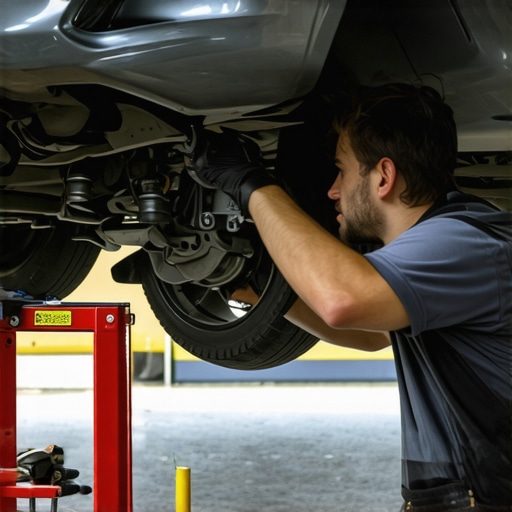
Use a hydraulic jack to lift the front of your car, placing jack stands under the manufacturer-recommended lift points. Ensure the car is stable before crawling underneath. When I tackled my own engine mount replacement, I double-checked the stands’ stability—an extra 10 minutes saved me from potential damage or injury.
Locate and Remove the Faulty Mounts
Identify your engine mounts by consulting your vehicle’s service manual or an online diagram. Typically, they are bolts connecting the engine to the chassis. Use a torque wrench to loosen and remove the mounting bolts carefully. During my last job, I labeled each bolt to remember their positions, which sped up reinstallation and prevented misalignment.
Extract and Replace the Mounts
Carefully detach the old mounts from the engine and vehicle frame. In some cases, a pry bar may be necessary to free stubborn mounts. Place the new mounts in position, aligning bolt holes precisely. Remember, using an ASE-certified quality mount ensures longevity. I once bought an unbranded part—It led to vibrations within months; a costly mistake I won’t repeat.
Reassemble and Test the Repair
Hand-tighten the bolts initially, then torque them to the manufacturer’s specifications—don’t blindly tighten. Lower the vehicle, remove the stands, and perform a test drive, noting any unusual noises or vibrations. In my experience, a thorough check prevents return visits and ongoing issues. For optimal performance, consider an oil change and inspection afterward to ensure all components work harmoniously.
 When it comes to vehicle maintenance, many car owners rely on common wisdom that’s often misleading. One prevalent myth is that changing your oil every 3,000 miles is universally necessary, but modern synthetic oils can often last between 5,000 to 7,500 miles or more, as supported by recent studies from the Society of Automotive Engineers. Believing Maintaining your vehicle’s performance over the years requires more than just routine oil changes; it demands the right tools and a strategic approach. Personally, I rely on a combination of high-quality diagnostic equipment and trusty hand tools to keep my cars running smoothly. A digital OBD-II scanner, such as the BlueDriver Bluetooth Professional Scanner, offers real-time data and fault code readings that are invaluable for proactive maintenance. It allows me to catch potential issues like transmission troubles before they escalate, aligning with insights from transmission troubleshooting expert insights here. I also keep a set of premium metric and imperial socket sets, along with a torque wrench that I’ve calibrated annually, ensuring bolts are tightened to manufacturer specifications, which is crucial for components like engine mounts or transmission parts.
My Biggest Wake-Up Call About Routine Car Care
I used to believe that sticking to scheduled oil changes and oil filters was enough, but discovering my engine mounts’ failure taught me that lurking issues can lurk beneath routine maintenance. This realization pushed me to delve deeper into understanding my vehicle’s unique needs rather than relying solely on generic intervals.
How Knowing Your Car’s Secrets Can Save You Big
From consulting detailed repair manuals to investing in diagnostic tools like the BlueDriver scanner, I’ve learned that being proactive rather than reactive makes all the difference. Trusting high-quality parts and expert advice, such as consulting an ASE-certified technician, prevented many costly surprises.
The Power of Listening Beyond the Engine Noise
Paying attention to subtle vibrations or noises—like a slightly rough idle or an unusual thud—can alert you earlier than scheduled maintenance. It’s a reminder that your vehicle communicates its health through more than just dashboard lights; your ears and intuition are valuable tools.
Strategize Maintenance as a Long-Term Investment
Understanding that components like engine mounts, transmission systems, and cooling systems need tailored care shifted my approach from fix-it-on-failure to preventative. Regular diagnostics and quality maintenance—guided by trusted resources—are the best investment in keeping my car reliable, safe, and efficient.
Embracing the Joy of Empowered Car Care
There’s a real satisfaction in knowing how to address issues early and correctly, avoiding roadside surprises and budget blowouts. Empowered with knowledge and reliable tools, I now approach my vehicle maintenance with confidence and a proactive mindset that anyone can develop. Check out the tips on regular oil maintenance and see how small habits make a big difference over time.