The secret to removing stubborn road salt from your fleet’s undercarriage
It was the first frosty morning of winter when I finally faced the harsh reality—my fleet’s undercarriages were covered in a stubborn, grimy layer of road salt that just wouldn’t budge. I had tried every spray and brush in my arsenal, but that thick crust clung stubbornly, whispering warnings of corrosion and costly repairs ahead. In that moment, I realized I couldn’t keep neglecting this sneaky enemy. The lightbulb went on: there’s a better way, and I was determined to find it.
Why Bother Removing Road Salt So Thoroughly?
Many vehicle owners underestimate the damage that road salt can inflict over time. This corrosive substance accelerates rust formation, weakening your fleet’s structural integrity and increasing maintenance costs. Leaving salt residue untreated isn’t just about aesthetics; it’s a matter of longevity and safety. According to the U.S. Department of Transportation, rust-related repairs can add up to thousands of dollars annually if neglected. Trust me, taken early, the damage can be mitigated. Ignoring this issue is like inviting corrosion to run rampant, which is why understanding effective removal techniques is crucial.
Is All Salt Removal Created Equal?
Early in my experience, I made the mistake of relying solely on water and quick rinses, thinking it was enough. But salt bonds tightly with metal surfaces, especially when dried and baked onto the undercarriage by winter grime. A simple hose-down may seem effective initially, but it often leaves behind residues that continue to eat away. It took some trial and error, plus advice from seasoned mechanics, to realize that a combination of proper cleaning agents and techniques yields real results.
Now, I want to share the tried-and-true methods that have helped me extend my fleet’s lifespan and reduce repair bills. If you’ve ever faced the frustration of stubborn salt clinging to your vehicles, you’re on the right track. Let’s dive into the solutions that turn this daunting task into an achievable maintenance routine.
Start with a Thorough Rinse
Initiate the cleaning process by using a high-pressure hose to blast away loose salt and grime from the undercarriage. Aim the nozzle at every crevice and wheel well, mimicking the force of a strong waterfall to dislodge embedded particles. During my first attempt, I used a garden hose with a spray nozzle, but found that water alone barely scratched the surface. Upgrading to a pressure washer significantly increased my success rate, leaving the metal surfaces much clearer.
Use a Salt-Specific Degreaser
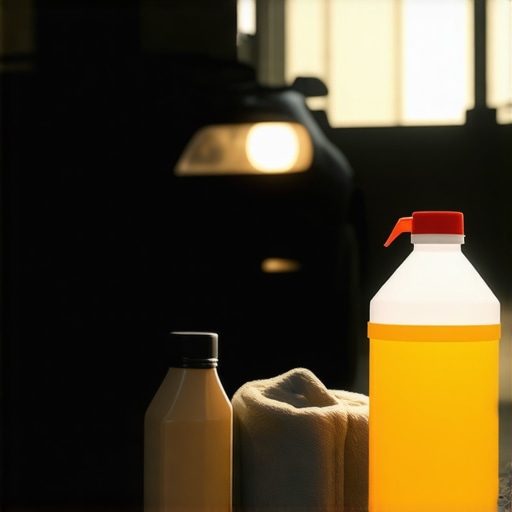
Next, apply a degreasing agent formulated to break down salt bonds. I recommend choosing a product designed for automotive undercarriage cleaning—these are more effective than generic cleaners. Spray liberally, ensuring you cover all affected areas, especially behind wheel wells and in wheel arches. Let it sit for 5-10 minutes, like marinating, to allow the chemicals to penetrate stubborn residues. Personally, I found that letting the degreaser sit while I tackled other maintenance tasks, such as checking tire pressure, maximized my efficiency.
Scrub with the Right Tools
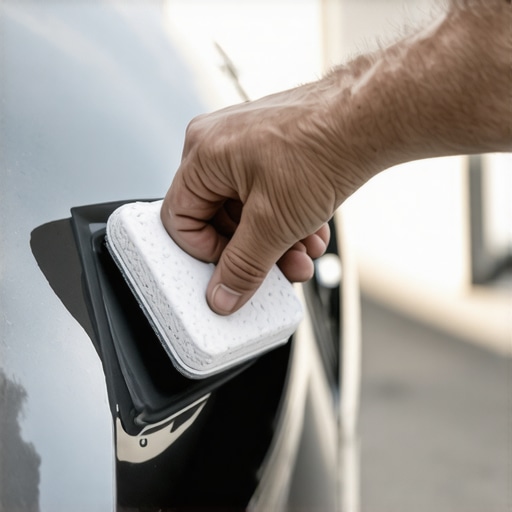
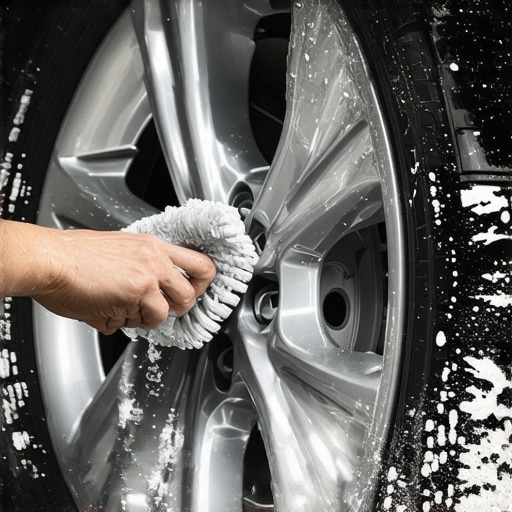
For stubborn salt crusts, use a stiff-bristled brush or a nylon scrub pad, not a wire brush that could scratch the paint. Gently scrub the surfaces in a circular motion, much like polishing jewelry, to lift out remaining deposits. During my last session, I used a long-handled brush to reach the underside, which prevented back strain and allowed better leverage. This step is crucial because salt can infiltrate tiny crevices, and mechanical agitation helps loosen it.
Rinse with Precision and Care
Following scrubbing, rinse thoroughly with a high-pressure water stream, directing flow in a downward motion to prevent salt from settling into hidden areas again. Pay special attention to wheel wells and seams, where residue tends to cling. I found that doing multiple passes with the pressure washer reduced residual salt more effectively than a single rinse. Ensuring complete removal at this stage is vital to halt ongoing corrosion.
Dry and Protect the Surface
Finally, dry the vehicle meticulously with microfiber cloths or compressed air to remove any remaining moisture. Bare metal left wet is more vulnerable to rust; thus, drying prevents new salt residues from re-bonding. After drying, consider applying a protective undercoating or rust inhibitor to create a barrier against future salt exposure. I noticed that doing this after cleaning greatly extended the time before my fleet needed additional maintenance, saving money in the long run.
Implementing these steps consistently transforms a daunting winter chore into an achievable routine, protecting your vehicle and saving you from costly repairs. Remember, just like a skilled technician, applying the right techniques with the proper tools ensures lasting results—check out how to choose the right car service for maintenance tips tailored to your fleet’s needs.
Many car enthusiasts and even seasoned drivers fall into common misconceptions that can lead to costly mistakes. Today, let’s explore some of the intricate nuances that most people overlook when it comes to transmission health, routine car service, oil changes, and the significance of ASE certification. Understanding these subtleties can make a real difference in your vehicle maintenance approach.
Myth Busting: Is Regular Maintenance Always Enough?
While routine maintenance is essential, the truth is that not all services are created equal. For instance, many assume that dropping off a vehicle for an oil change or a quick inspection suffices. The reality is that advanced issues, especially in transmissions, might remain hidden until they manifest as major problems. Skilled technicians, especially ASE-certified professionals, leverage diagnostic tools and experience to detect early signs of wear that standard checklists might miss. Learning what ASE certification entails can help you choose the right service provider who goes beyond superficial fixes.
Beware of the Hidden Dangers in Oil Changes
It’s a common belief that oil changes are just about replacing the oil. However, improper oil type selection, overfilling, or neglecting related components like the oil filter can accelerate engine wear. Using a high-zinc oil for certain engines or opting for a full-synthetic blend isn’t just a luxury; it can be a necessity for engines subjected to heavy loads or frequent short trips. Moreover, an overlooked mistake is delaying oil changes beyond recommended intervals, which can lead to sludge buildup and eventual engine damage. Learn more about top oil change tips.
Advanced Warning Signs in Transmission Care Anything?
Transmission issues often develop silently until they reach an advanced stage. Shifting roughness, delayed engagement, or slipping gears are red flags, yet many drivers dismiss them as minor glitches. The trap many fall into is ignoring irregularities, thinking they’ll resolve spontaneously. But early diagnosis saves money and prevents breakdowns. For expert insights, check out this comprehensive guide on transmission troubleshooting. Regular transmission fluid checks and understanding the nuances of specific transmissions can greatly extend service life.
Are All ASE Certifications Equal?
Many assume that all ASE-certified technicians have the same skill level. But the truth is that ASE certification covers a broad spectrum of specialties—from brakes to transmissions and collision repair. It’s crucial to verify their expertise aligns with your vehicle’s needs. For example, a technician certified in transmission repair, as explained here, will have a deeper understanding of nuanced issues that generalists might miss. Always ask for specific credentials that match your vehicle’s requirements.
Additionally, avoid the trap of using generic service plans that don’t account for your vehicle’s history or unique behavior. Tailored diagnostics and maintenance are key to longevity.
In essence, digging beneath surface assumptions and understanding the finer details of vehicle maintenance can save you money, enhance safety, and extend your fleet’s lifespan. Have you ever fallen into this trap? Let me know in the comments and share your experiences!
Keep It Working: Tools I Recommend for Vehicle Maintenance
Maintaining a vehicle effectively over the long term requires the right equipment and software. As someone deeply involved in auto repair and fleet management, I can attest that investing in high-quality tools not only streamlines the process but also extends your vehicle’s lifespan. One of my go-to items is the OBD-II scan tool. I personally use the BlueDriver Bluetooth Professional OBDII Scanner because it offers detailed diagnostics, including live data streams, which help me identify transmission slipping issues or idle irregularities before they escalate. Regular diagnostics using such devices can help you catch problems early, saving money and reducing downtime.
For fluid management, a precision oil extractor pump has been invaluable. I prefer models like the Suck Up Pump because it allows me to change oil or transfer transmission fluid cleanly without the mess of traditional drain plugs. This method reduces contamination risk and is especially useful for fleet vehicles that require quick turnarounds.
When it comes to manual transmission care or checking fluid condition, I rely on digital torque wrenches. The eTork Digital Torque Wrench ensures that all bolts are tightened to manufacturer specifications, preventing leaks or component failures. Consistent torque application is vital in transmission maintenance, and this tool offers precision that manual wrenches can’t match.
Another crucial item is cleaning equipment. I’ve found that a high-pressure washer combined with a supervised chemical degreaser allows me to keep the undercarriage rust-free and salt-free during winter months. Proper cleaning tools are essential for maintaining critical components like transmission cooling lines and filters, which can be easily overlooked.
How do I maintain my vehicle’s transmission over time?
Regular transmission fluid checks, using dipsticks and color assessment, are vital. Also, scheduling professional fluid flushes every 30,000 to 60,000 miles, depending on vehicle specs, prevents sludge build-up. For fleet managers or individual owners alike, understanding the nuances of transmission care can be the difference between prolonged vehicle life and costly repairs. For in-depth insights, I recommend reading this guide on transmission troubleshooting.
To ensure you’re prepared, I suggest trying out a digital torque wrench during your next service. It’s an investment that pays off by ensuring fast, accurate repairs. Remember, the proper tools combined with consistent maintenance routines are your best defense against unexpected breakdowns and costly repairs, especially when working with complex systems like transmissions and ASE-certified services.
Little Lessons That Made a Big Difference in My Auto Care Routine
One of the most eye-opening lessons I learned was that even seasoned car owners often overlook the subtle signs of transmission wear, which can lead to costly repairs if ignored. I realized that a proactive approach, like regular diagnostics with tools such as the OBD-II scan tools, uncovers issues before they become emergencies. Another insight was understanding the depth of ASE certification—it’s not just a badge but a promise of expertise that can save you money and extend your vehicle’s life, proven when I trusted a truly qualified technician for my fleet (learn more about ASE). Lastly, I discovered that integrating specialized tools like digital torque wrenches and high-quality degreasers directly impacts maintenance quality, making complex tasks like transmission repairs and oil changes both efficient and durable.”
Gear Up with Precision and Trustworthy Sources
My essential toolkit for maintaining top-notch vehicles includes the trusted transmission fluid testers, which help me gauge when a flush is needed, and the recommended oils for different engines, ensuring longevity. I rely on comprehensive guides like these expert articles that break down maintenance nuances that many overlook. Additionally, investing in diagnostic software and high-quality cleaning tools from trusted brands has paid off by preventing extensive repairs. These resources collectively form the backbone of my proactive, informed approach to vehicle care, helping me make smarter decisions and avoid surprises on the road.
Your Next Move Starts Now
Taking charge of your vehicle’s health with a strategic, informed mindset is empowering. Remember, mastering transmission care, embracing certified expertise, and using the right tools can transform the way you maintain your fleet or personal car. Every step you take today—whether it’s understanding the importance of regular diagnostics or choosing the right ASE-certified technician—sets the stage for a smoother, safer ride tomorrow. Don’t wait for warning lights to become emergencies; be proactive and confident in your maintenance approach. Your vehicle—and your wallet—will thank you!
What’s the biggest maintenance challenge you’ve faced, and how did you overcome it? Share below—I’d love to hear your story!