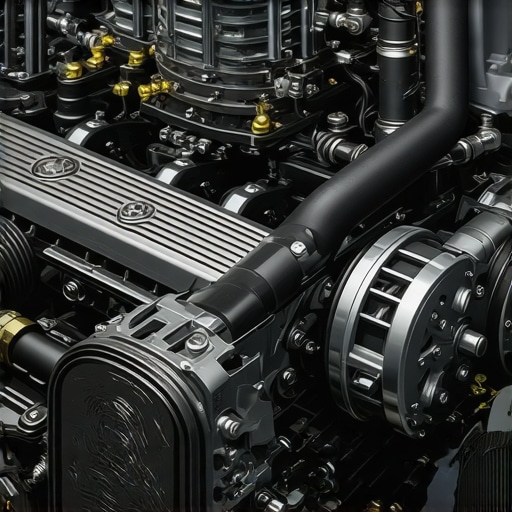
Why your engine oil smells like raw gasoline after a short trip
One morning, I fired up my car for a quick run to the store, only to notice a strange, pungent smell wafting from the engine bay. Turns out, my engine oil smelled strongly of raw gasoline. It was a lightbulb moment for me—something wasn’t right. At first, I thought maybe it was just a weird smell, but the more I researched, the clearer it became: this issue isn’t just an oddity; it can indicate real underlying problems that might damage your engine if left unaddressed.
Understanding Why Your Oil Smells Like Gas
If you’ve ever experienced this, you’re not alone. The aroma of gasoline in your engine oil after a short trip is a sign that fuel is somehow leaking into the oil system. This can happen for several reasons, from faulty fuel injectors to issues with the fuel pressure regulator. When fuel gets into the oil, it compromises lubrication, accelerates wear, and can even lead to engine failure over time. That’s why catching this smell early is crucial. Today, I’ll share insights from my own experience and guide you through the steps to diagnose and fix this common yet often overlooked problem.
Is it Really Worth Worrying About? The Myths & Facts
Many car owners dismiss the gasoline smell as a minor issue, but this can be a costly mistake. I made the early mistake of ignoring the warning signs, assuming it was just a harmless smell. That oversight nearly led me to more extensive repairs. Proper maintenance, like regular oil changes, can prevent many such issues. To better understand your vehicle’s needs, consider checking out what experts say about the importance of regular oil changes. Being proactive can save you money and keep your car running smoothly longer.
If you’ve experienced this gasoline scent or want to prevent it, stay tuned. We’ll explore the common causes, how to identify them, and the practical solutions that will get your engine back to optimal health. Remember, a small issue today can become a big problem tomorrow—so let’s get it sorted out before it’s too late.
,
Drain and Replace the Old Oil Properly
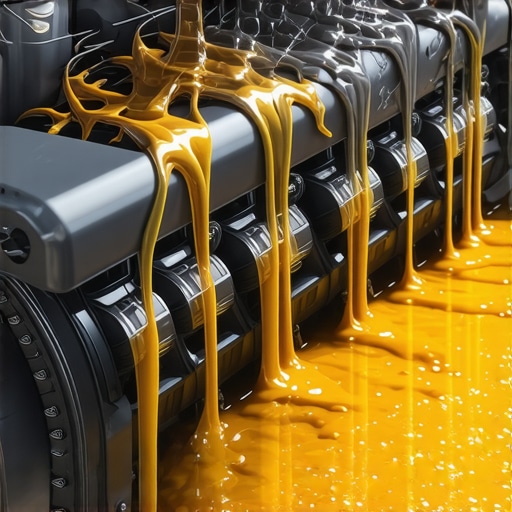
First, get your hands dirty by draining the contaminated oil. Ensure your car is cool, then lift it securely using jack stands. Remove the drain plug with a wrench, catching the oil in a suitable container. Think of it like flushing a wound—removing the infected fluid to prevent further damage. I once jacked up my SUV in my driveway, spilled some oil on the pavement, and learned quickly the importance of having clean work surroundings. Replace the drain plug carefully to avoid leaks.
Inspect Fuel Injectors for Leaks
If oil still smells like gasoline after an oil change, faulty fuel injectors might be the culprit. Use a diagnostic tool or have a professional run a fuel pressure test. Imagine your injectors as tiny syringes delivering fuel; if one leaks, excess fuel can seep into the combustion chamber and then into your oil. During my own repair, I used a flexible inspection mirror and flashlight to visually check for any external leaks around the injectors—sometimes, the tiniest seepage is the hardest to detect but causes the biggest problems.
Test the Fuel Pressure Regulator
The fuel pressure regulator controls how much fuel gets into the engine. A malfunctioning regulator can cause excess fuel to enter the intake, dribbling into the oil pan. To test it, connect a fuel pressure gauge to the fuel rail and compare readings with your vehicle specs. I once replaced my regulator based on a hunch, and the difference was night and day; the smell in my oil vanished, and overall engine performance improved. Remember, a faulty regulator can also cause poor fuel economy and rough idling, so get it checked if you notice these symptoms.
Address Valve Cover Gasket and PCV Valve Issues
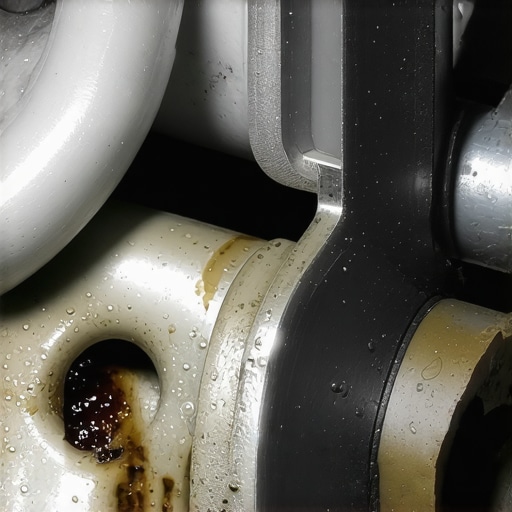
The valve cover gasket seals the area where your engine’s top covers meet, preventing leaks that could lead to oil contamination. Check for oil leaks or a buildup of sludge around the gasket. Additionally, the Positive Crankcase Ventilation (PCV) valve recirculates gases from the crankcase; a sticking PCV can cause pressure build-up, forcing unburned fuel into the oil. In my case, cleaning the PCV valve and replacing a worn gasket restored my oil’s health and eliminated the gasoline smell. Use a new gasket and proper tools to replace these parts, ensuring you follow torque specifications for a tight seal.
Maintain Regular Oil Changes and Inspections
Once repaired, schedule regular oil changes with high-quality oil chosen specifically for your engine type. Consider using synthetic oil, which resists breakdown better under high temperatures. Regular oil analysis can also help detect early signs of fuel contamination or engine wear. I recommend reviewing resources like why regular oil changes extend your car’s lifespan to understand the benefits. Consistent maintenance prevents small issues from snowballing into costly repairs.
Check for Transmission and Mechanical Factors
While addressing fuel leaks, ensure your transmission and other mechanical systems are in optimal condition. A slipping transmission or worn engine mounts can exacerbate existing problems or cause new ones. For example, faulty engine mounts can allow excess movement, leading to seal wear or gasket failure. Consulting certified technicians can help find hidden issues—ensure they are ASE-certified as outlined here. Proper diagnosis and repair prevent recurring problems, keeping your engine clean and healthy.
Wrap-Up: Stay vigilant and proactive
Gasoline smell in your engine oil is a sign that your vehicle needs attention. By systematically inspecting injectors, regulators, gaskets, and maintaining rigorous oil change routines, you can prevent engine damage and keep your car running smoothly. Remember, small steps taken early save you money and hassle in the long run. Use trusted workshops, follow manufacturer recommendations, and schedule regular inspections to stay ahead of potential issues before they develop into costly repairs or breakdowns.
Don’t Fall for the Old Oil Change Myth
Contrary to popular belief,频simply following a routine oil change schedule isn’t enough to guarantee your engine’s health. Many assume that the mechanic’s word is gospel, but in my experience, DIY knowledge and understanding nuanced maintenance can save your engine from premature failure. For instance, choosing a reputable ASE certified mechanic is often overlooked as a key factor in quality service, yet certification symbolizes a standard of expertise that many shops lack. Relying solely on branded service intervals without understanding your specific engine demands can cause you to miss warning signs of issues like transmission slipping or oil contamination. The real trick is to dig deeper into every service recommendation, ensuring it’s tailored for your vehicle’s unique needs.
Unmasking the Transmission Troubles Trap
Another common misconception is that transmission problems occur only when you notice shaking or slipping. In reality, many issues brew silently, especially if regular transmission maintenance is neglected. For example, overlooked low-level transmission fluid or contaminated fluid can lead to costly repairs down the line; yet, car owners often dismiss early warning signs. An advanced mistake many make is assuming that all transmission fluid is created equal—many cheap oils don’t possess the necessary additive packages to prevent wear or sludge buildup. Knowing the right type and schedule for changing it can be the difference between a smooth ride and expensive rebuilds. Make sure to avoid this common pitfall by consulting your vehicle’s manual or trusted expert resources.
What Advanced Car Owners Should Ask Their Mechanics
Now, for the savvy car owner, the question isn’t just ‘When should I change my oil?’ but rather, ‘Is my entire drivetrain properly tuned for optimal performance?’ An often-neglected nuance is ensuring that components like the engine mounts, sensors, and even the ECU are functioning harmoniously—since small misalignments can cause major efficiency drops or engine damage. Modern engines are complex, with systems that rely on precise calibration. A certified ASE technician can perform diagnostic checks that reveal hidden issues, such as subtle sensor failures affecting fuel mixture, which can lead to fuel smells in the oil or poor mileage. Remember, regular inspections aren’t just about changing parts—they’re about understanding how your entire car functions as a cohesive unit.
Have you ever fallen into this trap? Let me know in the comments. Taking the time to understand these nuances can extend your vehicle’s lifespan and save money over the long haul. Proper maintenance isn’t just routine—it’s a strategic investment in your car’s future.
Investing in Quality Diagnostic Equipment
To keep your vehicle running smoothly over the long term, owning a reputable OBD-II scanner is a game-changer. I personally rely on the BlueDriver Bluetooth Pro OBD-II Scanner, which connects seamlessly to my smartphone and provides detailed engine diagnostics, including live sensor data and ABS/SRS codes. This tool empowers me to identify issues before they escalate, especially for complex problems like fuel contamination or transmission slip. The future of car maintenance is leaning heavily towards smarter diagnostics, where real-time data analytics can predict failures, saving you both time and money.
Techniques for Preventive Maintenance
Routine inspections are your best defense against unforeseen breakdowns. I recommend establishing a scheduled maintenance plan that includes checking fluid levels, belt conditions, and filter health. Using a magnifying lamp helps me spot tiny leaks or early gasket degradation—saving costly repairs later. Additionally, I invest in a ceramic-based engine degreaser spray, which makes cleaning the engine bay safe and effective, allowing me to spot leaks and corrosion early. These small, consistent efforts create a buffer that keeps the engine cleaner and extends component life.
Software Solutions for Fleet and Personal Vehicle Tracking
Managing multiple vehicles demands smart software. I deploy fleet management software that consolidates maintenance records, alerts me about upcoming oil changes, and tracks component wear. For personal vehicles, apps like MyCarTracks streamline service history and remind me when inspections are due, ensuring that nothing slips through the cracks. These tools leverage data-driven insights to optimize maintenance intervals, ultimately reducing downtime and repair expenses.
Where do I see the trend heading?
Advances in telematics and AI are set to revolutionize vehicle maintenance further. Predictive analytics will anticipate failures before symptoms manifest, and integrated diagnostic tools will become standard features in vehicles, accessible via smartphone or onboard systems. Staying ahead of this curve means adopting current technologies and preparing your garage to handle smarter, more connected vehicles.
How do I maintain my car’s electrical and sensor systems over time?
Electrical systems and sensors are the backbone of modern vehicles, requiring careful upkeep. Regularly inspecting wiring harnesses for corrosion or wear, and cleaning sensor surfaces with specialized electronic contact cleaners, will keep systems responsive. For transmission-specific sensors, like the speed sensors, consult service manuals or trusted ASE-certified technicians who can accurately diagnose and recalibrate sensors. Don’t overlook software updates for your vehicle’s ECU—these often include improvements for sensor communication and fault detection, making your maintenance strategy more proactive.
Try implementing a sensor cleaning routine equipped with a precision Electronic Contact Cleaner. This small step often reveals hidden issues and enhances the accuracy of diagnostics, ensuring your vehicle’s systems function flawlessly. Regularly updating your vehicle’s firmware and diagnostic software also unleashes new features and bug fixes, keeping your car operating at peak performance.
Lessons Car Mechanics Often Keep Under Their Hats
- Early on, I underestimated how much a simple oil change and a quick sensor check could prevent costly repairs. The moment I realized that neglecting my transmission’s subtle signs led to a major overhaul was a true eye-opener.
- Getting ASE certified doesn’t just mean a sticker; it’s a badge of real expertise. Trusting uncertified shops may save a few dollars upfront, but risking poor repairs can drain your wallet in the long run.
- I learned that asking the right questions about your vehicle’s maintenance history often uncovers issues hidden from plain sight—like a worn gasket or an overlooked sensor problem—that can cause the car to behave unpredictably.
- Being proactive with preventive maintenance, like scheduling regular check-ups and understanding your car’s specific needs, empowers you to catch small issues before they turn into costly nightmares.
The Repair Toolkit That Transformed My Approach
- The BlueDriver Bluetooth Pro OBD-II Scanner became my go-to for real-time diagnostics. It illuminated subtle engine issues and preempted potential breakdowns, saving me time and money.
- Top-tier books like The Car Hacker’s Handbook opened my eyes to the intricacies of vehicle electronics and the importance of software updates. These resources deepened my understanding of how modern cars communicate and why maintaining them isn’t just about parts but also software.
- For comprehensive advice, the ASE certification page became my guide to choosing qualified technicians, ensuring my vehicle was in experienced hands.
- Finally, regular use of quality cleaning products for sensors and electrical components kept my engine’s brain running smoothly, demonstrating that preventive cleaning is just as vital as oil changes.
Embrace the Journey Toward Better Driving
Taking ownership of your vehicle’s health through smart diagnostics, proactive checks, and understanding the nuances of ASE certification isn’t just about fixing cars—it’s about respecting the machine that keeps you moving. Every trip, small repair, and maintenance detail adds up to a safer, more reliable ride. Don’t wait for warning lights or strange smells to become emergencies—start today and turn routine car care into your personal victory. Are you ready to take control of your vehicle’s future and avoid the common pitfalls I’ve shared?