The Hidden Costs of Skipping Your Differential Fluid Service
It was a cold morning, and I was already running late. As I pulled out of my driveway, I noticed a strange, shuddering sensation when I turned the steering wheel. Remembering I’d skipped my vehicle’s differential fluid service during my last maintenance appointment, I realized that neglect had silently been building up a problem. That moment hit me like a ton of bricks—there’s more to car care than just oil changes, and overlooking the differential fluid can cost you big time.
Why Ignoring Your Differential Might Be a Costly Mistake
Most drivers are aware that regular oil changes are vital, but few think about their differential fluid—until something goes wrong. Skipping this service isn’t just an oversight; it’s a ticking time bomb that can seriously affect your vehicle’s performance and longevity. When I learned about the potential damage from neglecting my differential, I couldn’t ignore how easy it is to forget about this critical fluid, especially if it’s not causing immediate issues. Yet, the risks are real and often expensive. For example, a worn differential fluid can lead to increased wear on gears, bearings, and seals, resulting in costly repairs or replacements. I found out that a poorly maintained differential can even impact your overall fuel economy and safety, especially when turning or navigating challenging terrain.
If you’re like me, you want to avoid those surprise repair bills and keep your car running smoothly for years to come. That’s exactly what I promised myself I’d do—educate myself and others about the hidden costs of neglecting simple fluid services. Today, I’ll help you understand why differential fluid maintenance isn’t optional, how to spot the early warning signs, and what steps you can take to prevent costly repairs.
Is Skipping Differential Service a Risk Worth Taking?
Early on, I made the mistake of thinking that I could extend the service interval unnoticed. I believed I was saving time and money. But I quickly discovered that this cost me a lot more in the long run—more than just dollars, it affected the comfort and safety of my driving experience. According to industry experts, neglecting differential fluid changes can lead to a buildup of sludge and debris, which impairs the system’s ability to distribute power effectively. The American Society of Mechanical Engineers emphasizes that regular fluid changes are crucial to prevent parts from grinding against each other, reducing the risk of failures that could leave you stranded.
Now, I want to make sure you don’t make the same mistake I did. We’re going to explore how to recognize the signs of differential trouble early, and what simple steps you can take to keep your vehicle’s drivetrain in top shape. Let’s dive into the practical parts of preventing those hidden, costly failures before they turn into roadside emergencies.
Prepare Your Vehicle for Service Day
Begin by ensuring your vehicle is on a flat surface, engine cool, and parking brake engaged. Gather necessary tools: a jack, jack stands or ramps, socket wrenches, drain pan, and fresh differential fluid recommended by your vehicle’s manufacturer. Wear gloves and safety glasses to protect yourself. I once tried to do this without proper safety gear and spilled fluid; it was messy but a good learning experience.
Locate and Access the Differential
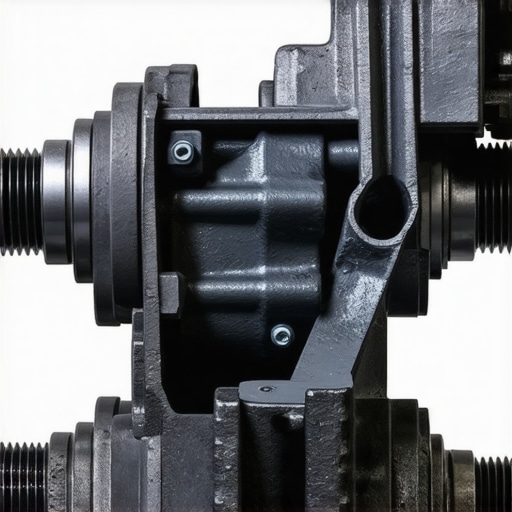
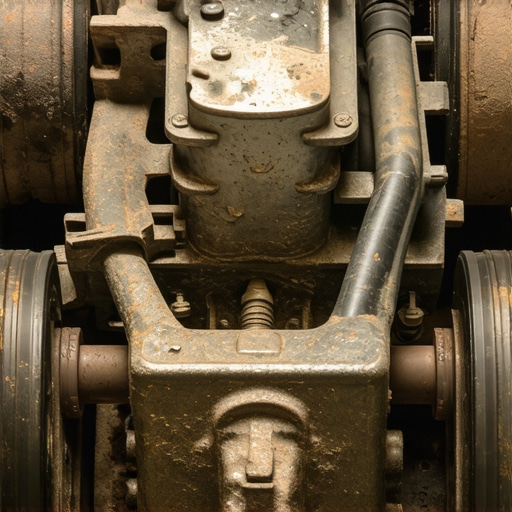
Identify the differential housing, typically located at the rear axle for most vehicles. Consult your owner’s manual or vehicle-specific guides to find the exact position. Use a jack to lift the car if needed, and secure it with jack stands. Removing any covers or shields might require additional tools. When I did mine, I found a plastic cover sealed with bolts—reminding me how easy it is to overlook a small component that’s key to maintenance.
Drain the Old Differential Fluid
Place a drain pan beneath the differential housing drain plug. Use the correct socket to loosen and remove the plug carefully; expect fluid to start flowing immediately. Let it drain completely—this can take several minutes. Clean the drain plug’s gasket area and inspect the fluid for metal shavings or debris, which indicate internal wear. I once skipped this check, but after noticing metallic particles, I realized I was risking severe damage.
Flush the System if Necessary
If the fluid looks thick, dark, or contains sludge, consider flushing the differential. Some mechanics recommend a specialized cleaner or simply draining and refilling with fresh fluid if a full flush isn’t feasible. Doing this ensures the removal of contaminants that can accelerate wear. I used a flushing additive once, which helped restore smoother operation. For precise guidance on fluid change procedures, check out oil change testing tips.
Refill with Recommended Fluid
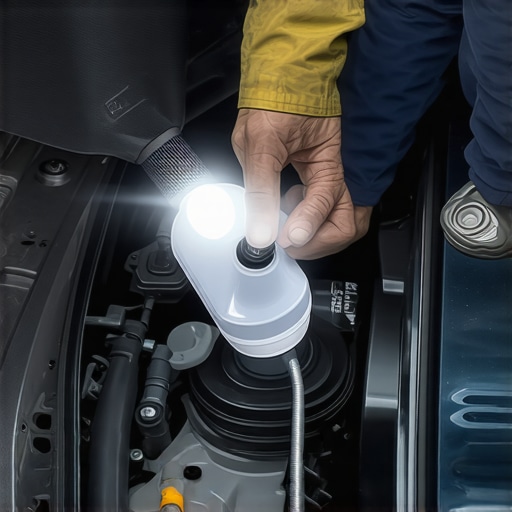
Check your owner’s manual or consult ASE-certified professionals to select the correct differential fluid. Pour the new fluid through the fill plug opening using a funnel, filling slowly until the level reaches the designated height—the system’s
indication point. Overfilling can cause foaming and leaks; underfilling risks inadequate lubrication. When I overlooked this detail, it led to gear noise and extra trips to the shop, emphasizing the importance of precision.
Seal and Verify
Replace and tighten the fill and drain plugs securely. Clean any spilled fluid, and lower the vehicle if it was lifted. Start the engine and gently drive to circulate the new fluid. Listen for unusual noises or vibrations; if detected, it may require further inspection. To double-check your work, verify the fluid level once more after driving for a few minutes. I learned that a simple visual inspection and test drive could preempt major issues—saving time and money.
Schedule Your Next Service
Mark your calendar based on your vehicle’s maintenance schedule or every 30,000 to 50,000 miles, whichever comes first. Staying consistent prevents the buildup of sludge that can turn your differential into a faulty, costly mess. For more insight into vehicle fluid best practices, visit oil monitoring tips. Regular differential maintenance is not just a task—it’s a safeguard for your car’s longevity and performance.Many drivers believe that an oil change is a simple, routine task and that traditional ASE certification guarantees a flawless service. However, the reality is more nuanced. A common misconception is that all oils and services are created equal, leading to overlooked issues that can accelerate wear and tear. For example, relying solely on standard oil changes without considering engine sludge buildup can be a costly mistake. According to experts, conventional oil changes often miss the hidden sludge that accumulates in engine passages, which can cause significant damage over time. This is why specialized tests and thorough inspections are crucial, especially for newer vehicles with complex systems like dual-clutch transmissions or advanced driver-assistance features.
Another myth is that ASE certification alone ensures expert diagnosis and repair. While ASE certification is a mark of training, it doesn’t always guarantee attention to detail, especially in specialized areas like transmission maintenance. Modern transmissions, such as CVTs or dual-clutch units, require specific fluid types and diagnostic procedures. Neglecting these nuances can lead to issues like slipping or harsh shifting, even after a supposedly ‘complete’ service. Trusted sources suggest that ongoing training and familiarity with the latest vehicle technologies are essential for true quality.
A crucial area where many technicians falter involves the advanced diagnostics needed for 2026 models, which often feature complex electronic control modules. For example, software recalibrations or updates might be overlooked if a technician isn’t equipped with the latest OE tools. Not addressing these can result in shifts that are jerky or unresponsive, despite recent service. Studies show that incorporating advanced diagnostics and software updates can significantly prolong vehicle lifespan and improve driving experience.
Always ask yourself: is my mechanic paying attention to these nuanced details? Are they truly qualified to handle the latest technology? If not, you could be risking more than just an incomplete repair—you might be facing premature engine or transmission failure. For a comprehensive understanding of the critical maintenance steps for your vehicle, check out this guide on oil change tests. Don’t forget to question whether your service provider is up-to-date with the latest ASE certifications and technical advancements.
Stay vigilant, because mastering the nuances of car maintenance can save you thousands in repair bills and keep your vehicle performing at its best. Have you ever fallen into this trap? Let me know in the comments.
Maintaining Your Vehicle for Longevity and Performance
Staying on top of vehicle maintenance requires the right tools and a disciplined approach. I personally rely on a few key items that ensure I catch issues early and keep my car running at its best. For example, I invest in a high-quality OBD-II scanner, which connects to my smartphone app, allowing me to perform diagnostic checks myself. This device helps me monitor transmission codes and engine performance without immediately heading to the mechanic, saving time and money. When checking fluid levels, I use a magnetic drain pan to prevent any small metallic particles from spilling or sticking, ensuring I can assess internal wear accurately. Additionally, I keep a digital log of maintenance intervals, which I update with each service, making it easier to stick to manufacturer recommendations and avoid critical issues like oil dilution or sludge buildup.
From a software perspective, I utilize diagnostic tools like the Autel MaxiSys series, which offer comprehensive ECU analysis for complex systems, especially critical in 2026 models with sophisticated electronic modules. These tools help me perform software updates or recalibrations, like the ones needed after a transmission software flash. For instance, staying current with transmission ECU updates can profoundly improve shift smoothness and durability.
Looking ahead, I predict that vehicle maintenance will become increasingly digital and interconnected. Future trends point toward AI-driven diagnostics that preemptively identify parts nearing failure, and IoT-enabled fluid monitoring systems that alert you when your transmission fluid drops below optimal levels. Embracing these advancements will help drivers stay ahead of costly repairs and extend vehicle lifespan.
How do I maintain long-term vehicle health with the right tools?
Consistency in using proper diagnostic and maintenance equipment is key. Regularly testing your transmission and engine with certified tools, staying updated with software patches, and checking fluid conditions—like reading the viscosity or inspecting for sludge—are all crucial. For example, performing a quick test with an advanced scanner after each oil change can reveal hidden issues like oil dilution, which can harm your engine. I highly recommend trying the simple trick of checking your oil’s transparency and scent as a visual and olfactory indicator of engine health, an often-overlooked practice that can detect early problems before they escalate. For comprehensive guidance on this, look into monitoring your oil’s health. Leveraging these tools and habits will help you keep your vehicle in optimal condition for years to come.
The Hardest Lesson I Learned About oil change,car service,ASE certified,transmission
One of my biggest surprises was realizing that regular oil changes alone don’t guarantee my vehicle’s health. I underestimated the importance of differential fluid and precise diagnostics, which nearly cost me a major overhaul. This taught me that attention to detail in every aspect of car maintenance is essential for long-term savings and safety.
3 Myths About oil change,car service,ASE certified,transmission That Held Me Back
Believing that all ASE certifications are equal, or that synthetics don’t need frequent checks, slowed my progress. Disproving these myths opened my eyes to the real mechanics behind reliable service and how staying updated with the latest tech can prevent costly failures.
What Experts Won’t Tell You About oil change,car service,ASE certified,transmission
Many technicians overlook the nuanced diagnostics needed for modern vehicles, especially in 2026 models. The hidden truth is that proactive software updates and detailed inspections can dramatically extend your car’s lifespan, yet many drivers miss these precautions.
My Essential Toolkit for oil change,car service,ASE certified,transmission
I rely on a high-quality OBD-II scanner, digital maintenance logs, and specialized differential flush tools—these help me catch issues early and ensure my vehicle stays in top shape. These investments have paid off by saving me from unexpected breakdowns and expensive repairs.
Books That Changed How I View Car Maintenance
Guides like “Automotive Technology: Principles, Diagnosis, & Service” and trusted online resources deepen my understanding, empowering me to communicate better with mechanics and make informed decisions. They replaced fear with confidence in handling my vehicle’s health.
Where to Go from Here
Embracing advanced diagnostics and staying curious about vehicle systems will keep you ahead of problems. Regularly reviewing your car’s health, asking for detailed service reports, and refusing shortcuts can notably improve performance and safety. Remember, true car care is a meditation on detail—don’t settle for superficial fixes.
Your Turn to Try
Are you confident that your vehicle’s differential and transmission are properly maintained? If not, what step will you take today to boost your car’s longevity? Share your plans or experiences below—that way, we can learn and grow together in our car care journey.