How to verify your mechanic is actually ASE certified
It was a hot summer afternoon when I swung by the shop for what I thought would be a simple oil change. As I waited, I noticed something that made my stomach tighten—a mechanic confidently handing over a bill that didn’t quite match the service, accompanied by a hurried explanation. That moment was a lightbulb for me. How could I be sure the technician truly possessed the skills they claimed? It made me realize how crucial it is to verify a mechanic’s credentials, especially when your car’s health—and your safety—are on the line.
Why Trusting Your Mechanic Matters More Than Ever
Ensuring your mechanic is ASE certified isn’t just about badge-collecting; it’s about peace of mind. When I first started questioning credentials, I also learned from sources like the National Institute for Automotive Service Excellence that ASE certification indicates a technician has proven their skills through rigorous testing and ongoing education (source). Without this, you’re essentially trusting someone with your vehicle based on a handshake rather than proven expertise. My mistake early on was assuming that a clean workshop or friendly demeanor was enough—big error. Over time, I realized that verifying certification tools like the ASE badge can save you a lot of trouble down the road.
Have you ever left a repair shop feeling unsure whether the work was done right? You’re not alone. Many drivers face this uncertainty, often feeling powerless because they don’t know how to verify credentials properly. That gap could lead to unnecessary repairs or, worse, dangerous driving conditions. Today, I want to share how I learned to confidently confirm that my mechanic truly has ASE certification, and how you can do the same.
So, what exactly does an ASE certification mean for your car’s maintenance? And more importantly, how can you verify it? Let’s dive into practical steps you can take today to avoid getting took for a ride, and ensure your vehicle is in the best hands.
Inspect the Badge Carefully
My first step was to look beyond the mechanic’s friendly demeanor. I made sure to check the physical ASE badge displayed in the shop. Just like verifying the authenticity of a product, a genuine badge should have a hologram or a serial number that you can cross-check online. I took a quick photo and visited the official ASE site to verify the details. This simple act saved me from trusting an unqualified technician during my next visit.
Ask for the Certification Number
Instead of assuming, I asked the mechanic directly for their ASE certification number. A professional technician will have no hesitation providing this or pointing out their certification card. I then called the ASE certification helpline or checked online if available. This step is akin to fact-checking; it confirms the technician’s claimed expertise and ensures that you aren’t being duped by a counterfeit badge. Remember, a real ASE certification indicates a proven skill level across various automotive systems, including transmission and engine performance.
Verify the Certification Through Official Channels
Once I had the number, I used the official ASE certification verification tool. Entering the details, I confirmed the mechanic’s credentials in real-time. This process is like running a background check before hiring someone for an important job. Doing so ensures that the mechanic’s expertise aligns with the services they offer, whether it’s a routine oil change or complex transmission repairs.
Assess Their Knowledge on Key Maintenance Topics
During the conversation, I inquired about specific services like fluid changes and transmission health. A certified ASE technician should confidently discuss topics like the importance of regular oil changes or how to identify signs of transmission shudder. For example, I asked about common causes for shifting delays, referencing transmission filter issues. Their detailed responses reassured me of their expertise and commitment to ongoing education.
Observe Shop Credentials and Tool Attire
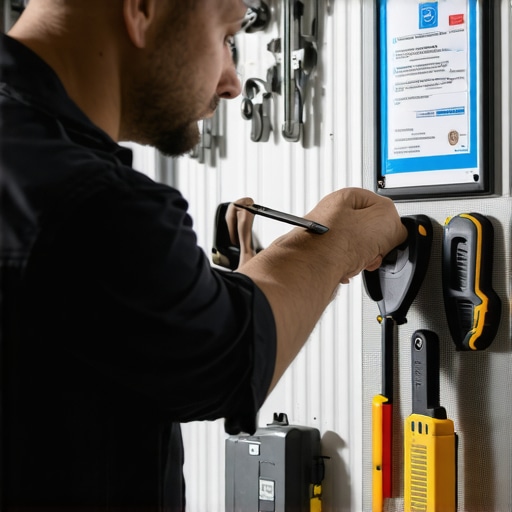
Finally, I observed whether the shop displayed other credentials, certificates, and whether technicians used the proper diagnostic tools. Professionals with ASE certification often invest in advanced diagnostic equipment. For instance, a well-equipped shop might use a scan tool to read engine codes accurately, confirming their ability to handle complex issues like engine diagnostics or electrical system analysis here’s what to look for. This visual confirmation added another layer of trust, ensuring I was in competent hands.
Many car owners believe that as long as they get regular oil changes and keep an eye on major repairs, their vehicle is in the clear. However, the **truth is more nuanced**. One common misconception is that all oils are created equal—many assume synthetic oils are always superior, but in reality, the right oil depends on your specific vehicle model and driving habits. According to automotive experts, misusing oil types can accelerate engine wear, even if you’re diligent with oil changes (source). Additionally, many overlook the importance of transmission fluid health, falsely believing that it lasts forever. In truth, contaminated or degraded transmission fluid significantly increases the risk of shifting problems and costly repairs. Regular **transmission flushes** are vital, but often neglected—an oversight that can lead to early clutch wear and slipping, as discussed here. What’s more, many drivers underestimate the importance of ASE certification when choosing a mechanic. They think a shiny badge or a friendly face guarantees skill, but without verifying credentials via official channels, you’re exposing yourself to *subpar service and potential fraud*. It’s a common trap to trust shops based solely on appearance; instead, always check the certification numbers and shop credentials. Have you ever fallen into this trap? Let me know in the comments.
**Beware of the myth that routine oil and transmission changes can wait until the car shows symptoms**. The truth is that preventative maintenance is crucial because issues like partial transmission failure or engine wear can develop silently. A well-maintained engine and transmission operate smoothly, saving you money and stress in the long run. For instance, some drivers ignore subtle signs like shifting shudder or engine hesitation, dismissing them as normal. However, these are often early indicators of deeper problems, which can be diagnosed if caught early—see this article for details.
Remember, effective maintenance isn’t just about following a routine but understanding the **intricate details** that differentiate a good repair from a costly mistake. Whether it’s choosing the correct oil, knowing when to schedule a transmission service, or verifying your mechanic’s ASE credentials, these nuances matter. Don’t let myths guide your decisions—educate yourself and stay vigilant. Want expert guidance on your next service appointment? Visit here. Keep your vehicle running smoothly by paying attention to these often-overlooked details.Maintaining your vehicle’s health over time requires more than just basic knowledge; it demands the right tools and an organized approach. One of my go-to devices is a high-quality, automotive-grade scan tool like the Autel MaxiSys MS908, which allows me to read and clear diagnostic trouble codes efficiently and monitor live data streams. This device has become indispensable for diagnosing electrical issues and transmission problems, especially since it covers a wide range of vehicles, including hybrids and diesels.
For routine oil analysis, I use a portable spectrometer like the DELTAQ HTR, which helps detect contaminants and metals in engine oil. Regular oil testing, as discussed here, can preempt costly failures by identifying wear particles early. This proactive approach extends the lifespan of your engine and keeps you ahead of potential issues.
Additionally, I always keep a reliable digital torque wrench, such as the Clicko TorqMaster, calibrated to the manufacturer’s specifications. Proper torque application during oil changes and transmission service prevents leaks and undue component stress. Over-tightening or under-tightening drain plugs and bolts are common errors that can lead to leaks or bolt failure—details highlighted in this article.
For long-term tracking, I utilize maintenance management software like Fleetio. It allows me to log every service, schedule upcoming transmission flushes, and keep detailed records, which is crucial for compliance and resale value. Such tools are increasingly essential as vehicle fleets grow, aligning with the trend towards integrated fleet maintenance solutions.
Looking ahead, I see the trend shifting toward AI-powered diagnostic tools that can predict failures before symptoms appear, leveraging machine learning algorithms trained on vast datasets. Incorporating these will revolutionize how we approach car maintenance, shifting from reactive to predictive strategies.
How do I keep my tools effective over time? Regular calibration of measurement devices like torque wrenches and spectrometers is critical. Also, updating diagnostic software ensures compatibility with new vehicle models. Invest in training to stay current with advanced tools and techniques—it’s a proven way to get the most accurate diagnostics and repair insights. Take a cue from industry leaders and try integrating a diagnostic scan tool or oil analysis kit into your routine; the early detection benefits are worth the effort. Contact us here to learn more about advanced maintenance strategies or to get personalized recommendations for your fleet.
What I Realized About Genuine Expertise in Car Care
One of the most profound lessons I learned was the danger of relying solely on appearances. A shiny badge or a friendly face can be deceiving if you don’t verify credentials firsthand. The importance of authentic ASE certification became crystal clear after I encountered a mechanic whose skills didn’t match his polished exterior, reminding me to always check official verification channels.
How A Personalized Approach Changed My Maintenance Routine
As I began to ask more pointed questions about transmission health and fluid quality, I realized that deepening my understanding fostered trust and better decision-making. Engaging directly with technicians about topics like transmission fixes or oil quality empowered me to advocate for my vehicle’s needs effectively. This proactive mindset transformed routine maintenance into an educational journey, ensuring my vehicle received genuinely expert care.
My Go-To Tools That Elevate My Car Maintenance Game
Tools like the Autel MaxiSys MS908 scan tool and portable oil analyzers have become indispensable in my maintenance arsenal. I trust these devices because they provide precise, real-time data that aids in early problem detection. Investing in quality diagnostics and measurement tools ensures that every service commitment is backed by accurate insights, preventing costly surprises and extending vehicle lifespan.
Using Regular Updates to Stay Ahead
Remaining current with maintenance techniques and verification procedures is vital. I subscribe to trusted industry sources and periodically calibrate my diagnostic tools, ensuring I keep pace with evolving vehicle technology. Embracing ongoing education and fresh tools makes me confident that I’m providing my vehicle with the best possible care, making every dollar spent more effective.
Remember: It’s About Staying Vigilant and Curious
In the end, caring for your vehicle isn’t just about following routine; it’s about nurturing curiosity and staying vigilant. Every check, every question, and every verification step deepens your connection and confidence in your vehicle’s health. Investing time in understanding your maintenance needs is a gift that pays off in safety, longevity, and peace of mind.
Curated Resources to Keep You Informed
- Official ASE Certification Verification Tool: Ensures the technician’s credentials are valid and up-to-date, safeguarding your vehicle’s care.
- Oil Analysis Kits: Premium tools like the DELTAQ HTR help you monitor your engine’s health proactively, catching wear before it becomes costly.
- Diagnostic Scan Devices: The Autel MaxiSys MS908 offers comprehensive diagnostics, essential for complex transmission or electrical issues.
- Maintenance Management Software: Platforms like Fleetio help track service history and schedule preventive care, especially for fleet owners.
Your Next Step in Vehicle Mastery Starts Here
Armed with proper verification techniques and the right tools, you can confidently navigate the world of vehicle maintenance. Remember, your car’s health is a reflection of your vigilance and curiosity. Take action today—ask questions, verify credentials, and invest in quality tools to keep your vehicle running safely and smoothly for miles to come.