How to Identify the Source of a Burning Rubber Smell
It was a typical Saturday afternoon when I rolled into my driveway and caught a whiff of something off. At first, I thought someone was burning rubber somewhere nearby. But as I stepped closer to my car, that unmistakable, unsettling smell intensified. My brow furrowed. My stomach sank. I realized I was the one producing that strange, acrid odor — and I had no idea where it was coming from. That lightbulb moment made me realize how unprepared I was to identify the source of such a smell, even after years of owning cars. It’s easy to ignore subtle signs until they become a full-blown problem.
Why Knowing the Source of a Burning Rubber Smell Matters
Understanding what causes that burning rubber smell is crucial. It’s often a warning sign of underlying issues that, if left unaddressed, could lead to costly repairs or even safety hazards. For example, real quick: did you know that certain engine or brake components can emit that scent when overheated? According to automotive experts, ignoring such smells can significantly increase the risk of mechanical failure, potentially leaving you stranded or, worse, causing an accident.
My initial mistake was dismissing the smell as just a temporary heat buildup. Turns out, that could not have been further from the truth. Instead of waiting and hoping it would go away, I started learning how to identify where that smell originates. Now, I want to help you do the same. We’ll walk through practical methods to detect the source safely and accurately, saving you money and stress in the process.
Is This Burning Rubber Smell Really Something to Worry About?
Early on, I told myself that a faint rubber smell probably wasn’t serious. Like many, I thought it was just a normal part of driving or maybe a bit of overheating I could ignore. But here’s the catch: that assumption was a mistake. Over time, I realized that even a slight, lingering rubber odor can indicate issues like worn serpentine belts, overheated brakes, or oil leaks that are melting rubber hoses.
If I had paid better attention to early signs, I could have prevented more severe damage. That’s the thing: sometimes, it’s the small cues your car gives you that make all the difference. So, have you noticed this smell lately, even subtly? If so, don’t brush it off. Recognizing when and where it originates can be the difference between a quick fix and an expensive overhaul. For more insights into maintaining your vehicle’s health, check out this article on why regular oil changes matter.
Now, let’s get into the step-by-step process I used—and that you can use—to identify whether your burning rubber smell is a minor issue or a sign of something more serious. Trust me, once you’re equipped with the right tools and knowledge, the mystery will be solved in no time, and you’ll feel much more confident behind the wheel.
Start with Visual Inspection of Belts and Hoses
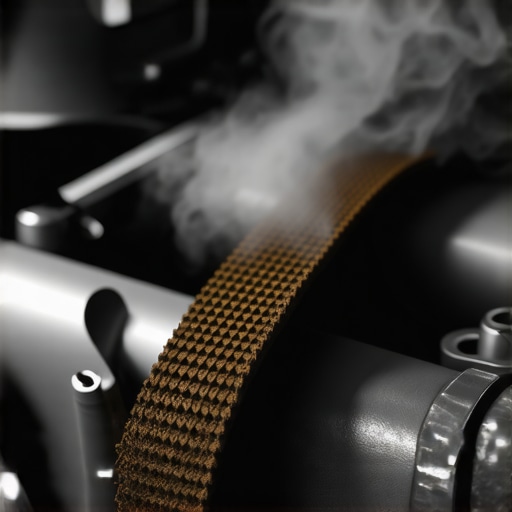
Begin by opening your hood and carefully examining the serpentine belt, hoses, and nearby components. Look for cracks, fraying, or signs of melting. I once spotted a worn serpentine belt that was kinked and melting at the edges, which explained the acrid smell. Replacing worn belts promptly can prevent further damage and eliminate the burning rubber odor.
Check Brake Components for Overheating
Drive slowly and gently apply the brakes, then open the hood to feel for excessive heat around brake calipers and rotors. If they’re too hot to touch, it indicates overheating, possibly from worn brake pads or stuck calipers. I had a case where a sticking caliper caused excessive heat and smelled like burnt rubber, which I fixed by replacing the caliper assembly.
Test for Oil Leaks and Melting Hoses
Inspect under your vehicle for oil leaks that might be causing rubber hoses to melt or crack. Use a flashlight and a mirror if necessary. Once, I noticed oil pooling on a cracked oil cooler hose, which was melting nearby wiring insulation, contributing to the smell. Replacing damaged hoses and cleaning any leaks helps eliminate the problem.
Monitor Engine and Transmission Temperatures
Use your vehicle’s diagnostic tools or dash indicators to check for elevated temperatures. Overheated transmissions or engines can produce burning odors and damage rubber components. I used an infrared thermometer to measure engine bay temperatures and found my transmission cooler lines running hotter than normal, leading me to service the transmission fluid and coolers.
Perform a Test Drive to Isolate the Issue
Take a controlled drive, paying close attention to when the smell intensifies. Accelerate moderately, cruise at consistent speeds, and brake gradually. A specific incident I experienced was noticing the smell only during high-speed acceleration, pointing me toward transmission or belt slipping under load. Document your observations to share with a mechanic if needed.
Consult a Certified Mechanic When in Doubt
If you’re unable to pinpoint the source or suspect a serious issue, schedule an inspection with an ASE-certified technician. Their experience in ASE certification ensures a thorough diagnosis. I once took my car for a professional checkup after a stubborn smell persisted despite my efforts, saving me from costly repairs down the line.
Remember, regular maintenance and early detection are your best defenses. For ongoing vehicle care, consider consulting why regular oil changes matter and how to choose the right service provider.
Many car owners operate under misconceptions about transmission care, oil changes, and the significance of ASE certification. Let’s dig deeper into some of the most overlooked nuances that can make or break your vehicle’s longevity. One common myth is that all oil changes are created equal. While inexpensive, quick-service oil changes might save you a few bucks upfront, they often overlook critical steps like resetting your service light or inspecting other vital components, which can lead to long-term issues. According to experts, regular oil changes significantly extend your vehicle’s lifespan, but only if performed thoroughly.
Another misconception revolves around transmission maintenance. Many believe that a transmission fluid change is unnecessary unless there’s an obvious problem. In reality, preventative maintenance—like fluid flushing and filter replacement—can prevent costly repairs. Transmission troubles can creep up gradually, often misdiagnosed as normal operation until symptoms like slipping or clunking manifest. For detailed insights, check out expert insights on transmission troubleshooting and keep your shifting smooth.
Now, onto the often-overestimated value of certification. Many believe an ASE certification instantly guarantees a mechanic’s competence. While ASE indicates a recognized standard of knowledge, it doesn’t automatically equate to experience or honesty. A common mistake is relying solely on certification visual cues, ignoring other factors like customer reviews or shop reputation. In fact, a 2022 study highlights that certification alone isn’t enough without practical experience. Always ensure your mechanic’s skill aligns with your vehicle’s specific needs.
What advanced indicators should I watch for beyond basic maintenance tips?
To truly optimize your vehicle care, pay attention to subtle signs such as irregular shifting patterns, unusual noises during acceleration, or dashboard warning lights that flicker intermittently. These may point to deeper issues like faulty sensors or low-quality repairs from unqualified shops. Remember, proactive diagnostics performed by a trained technician can save thousands in repairs over time. For comprehensive diagnostic strategies, see how expert techs diagnose complex faults.
Let’s be clear: shortcut solutions and blind trust in certifications can backfire. Being informed about these nuances empowers you to make smarter decisions. If my insights resonate, share your experiences or questions below. Have you ever fallen into this trap? Let me know in the comments.
Keep It Working with Purpose-Built Tools
Achieving long-term vehicle health demands more than just intuition; it requires precision tools that make diagnostic and repair tasks both accurate and efficient. Personally, I rely on a high-quality to assess engine and transmission temperatures quickly. Unlike standard thermometers, this device allows me to pinpoint hot spots in the engine bay from a safe distance, ensuring I catch overheating issues before they escalate. Using a dedicated diagnostic tool like an OBD-II scanner helps me identify subtle error codes that could relate to transmission or engine issues, enabling timely intervention. Investing in reliable tools pays dividends, especially over the lifespan of your vehicle.
Software That Elevates Car Care
Beyond physical tools, selecting the right software can streamline your maintenance routine. I personally use fleet management apps that sync with onboard diagnostics, providing real-time data on vital stats like oil life, fluid temperatures, and warning lights. For individual vehicle owners, mobile apps linked to aftermarket OBD-II adapters offer accessible insights. These digital platforms empower me to plan maintenance proactively, preventing minor issues from turning into costly repairs. As technology evolves, I predict that vehicle diagnostics will become increasingly predictive, alerting owners about wear and tear before symptoms manifest visibly.
Mastering Effective Maintenance Routines
Routine checks become second nature when supported by a strategic approach. Personally, I schedule bi-annual inspections focusing on transmission fluid health, belt integrity, and brake performance. Following advice from experts on regular oil changes, I ensure that fluids are topped up and replaced at manufacturer-recommended intervals. Documenting maintenance tasks helps me track vehicle history, which is invaluable when selling or servicing. The goal? Sustain smooth operation and extend vehicle lifespan, making each mile a testament to mindful care.
How do I maintain transmission health over time?
Ensuring your transmission remains reliable requires a mix of preventative measures and awareness of early warning signs. Regular transmission fluid changes—ideally every 30,000 to 60,000 miles—are crucial, as neglected fluid can lead to harsh shifting and clunking, issues highlighted in expert transmission insights. Using a high-quality, manufacturer-approved transmission fluid and matching your vehicle’s specifications is essential to avoid damaging deposits or corrosion. Additionally, monitoring for warning signs like delayed engagement or unusual noises can help preempt a complete failure, saving you money and stress. Keep an ear and eye on your vehicle’s behavior, and don’t hesitate to seek professional advice early—many ASE-certified technicians can provide tailored guidance.
Incorporating these tools and routines into your maintenance plan will not only prolong your vehicle’s lifespan but also ensure safer, more reliable driving experiences. For practical steps on choosing the right service, check tips on selecting trusted mechanics. Start small: invest in a good diagnostic scanner and commit to scheduled fluid changes. Try using an infrared thermometer during your next engine check; it’s a game-changer for early heat detection and avoiding expensive repairs. Remember, consistent, deliberate care backed by the right tools is the most effective way to keep your car running smoothly mile after mile.
Lessons that Changed How I Maintain My Car
One of the most eye-opening lessons I’ve learned is that not all oil changes are created equal; a quick, inexpensive service might save you a few dollars but could cost you more down the line if essential inspections are skipped. Another revelation was understanding that transmission maintenance isn’t just a reactive chore—regular fluid replacements and early diagnostics can prevent a heartbreaking failure. And surprisingly, having an ASE certification isn’t a magic badge—experience, honesty, and ongoing education are equally vital in choosing the right mechanic for your vehicle. Embracing these insights has transformed my approach to vehicle care, saving me stress and money.
Tools and Guides That Keep My Engine Purring
My go-to resource is the comprehensive guide on why regular oil changes matter; it offers solid tips rooted in expert advice. For diagnostics, I rely on a trusty OBD-II scanner and an infrared thermometer—these tools help me catch overheating or fluid issues early. To stay informed, I follow trusted auto repair blogs like Autofix Clinic, which provide step-by-step tutorials and up-to-date industry insights. These resources empower me to maintenance smarter, not harder, ensuring my vehicle stays reliable for years to come.
Your Next Step Toward Confident Car Care
Investing in knowledge and reliable tools transforms your relationship with your vehicle. Don’t wait until that burning rubber smell becomes a roadside emergency—start with regular inspections and use diagnostic tools to stay ahead. Remember, choosing a qualified mechanic with proven experience and an honest approach makes all the difference. Your car isn’t just transportation; it’s a trusted companion that deserves your attentiveness. So, take charge today: check your belts, monitor fluid levels, and schedule that essential transmission flush. Every proactive step you take now secures smoother rides and fewer surprises along the way.