The exact moment your battery is guaranteed to fail
I remember that exact moment like it was yesterday. I was pulling out of my driveway, coffee in hand, ready to conquer the day. Suddenly, silence. My car wouldn’t start. The dashboard lights flickered weakly, and I felt that familiar sinking feeling in my stomach—my battery was dead, and it caught me completely off guard. It was a wake-up call that even the most reliable-sounding batteries have an expiration date I can’t ignore.
Why Knowing the Exact Moment Your Battery Will Fail Matters
Here’s the truth: batteries don’t give us a clear countdown. They die when we least expect it, often leaving us stranded in inconvenient moments. But what if I told you that based on my experience—and quite a bit of research—you can actually predict that precise moment? That knowledge can save you time, money, and the frustration of unexpected breakdowns.
Is Your Battery Truly on Its Last Legs or Just Overly Paranoid?
Early on, I made a crucial mistake. I ignored the signs of wear because I thought batteries just… failed overnight. I wish I had known then that a simple test, like those explained in this article, could have saved me from that chilly morning fiasco. Recognizing the subtle warning signs—dim headlights, slow engine cranks, or dashboard alerts—can be your first line of defense.
According to automotive experts, batteries typically last between three to five years, but environmental factors and usage patterns can cut their lifespan short. Extreme temperatures, for instance, can accelerate wear. Did you know that in colder climates, a battery’s capacity can diminish by as much as 40%? That’s why understanding your driving conditions and performing regular checks are vital.
So, in the sections to come, I’ll guide you through practical steps to predict and prevent that dreaded dead battery moment. Because trust me, it’s better to be proactive than caught unprepared. Have you ever faced a sudden battery failure? Share your story in the comments—I’d love to hear your experiences and help you avoid the same pitfalls.
Now, let’s dive into how you can identify the inevitable before it strikes.
Check the Battery Age and Maintenance History
Start by locating your vehicle’s build date, usually printed on the battery itself or found in the owner’s manual. A battery over three years old is more prone to failure. If you haven’t been performing regular oil changes and routine inspections, now’s the time to start. Consider reviewing your maintenance logs or asking your mechanic for the history of your battery’s care. Regular checkups, especially by licensed ASE certified professionals, can help identify early signs of wear.
Perform a Visual Inspection for Damage
Remove the battery cover and look for corrosion, cracks, or leaks. Corrosion appears as a white, ashy deposit around the terminals and can impede proper electrical connection. A simple way to assess corrosion level is to gently clean the terminals with a mixture of baking soda and water, then observe if the buildup returns quickly. If the battery casing is cracked or swollen, replace it immediately. Think of this step as similar to inspecting a transmission filter—any visible damage could lead to costly repairs if ignored.
Test the Voltage and Cranking Power
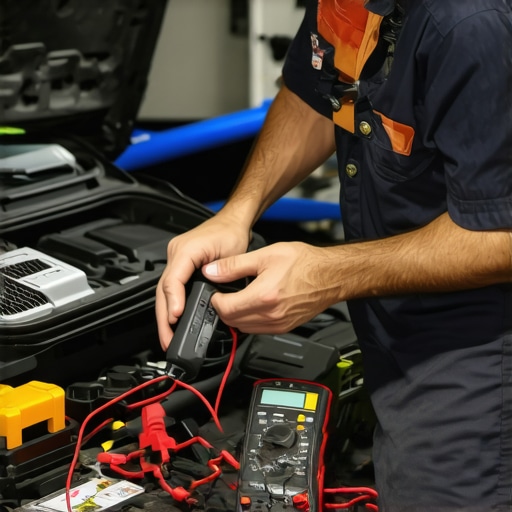
Use a multimeter to measure the voltage across the terminals. A healthy, fully charged battery should read between 12.6V and 12.8V. If it’s below 12.4V, your battery might not be holding charge properly. For testing cranking power, turn on the headlights with the engine off—if they’re dim or flickering when you try to start, it’s a clear sign your battery is struggling. Be cautious; a low voltage reading suggests a failing battery, but always confirm with a professional performance test.
Conduct a Conductance Test
This is a more advanced step that involves a specialized tool measuring the battery’s ability to conduct current under load. An conductance tester can quickly reveal if the battery can sustain the electrical demands of your vehicle. If you don’t have access to this equipment, many auto parts stores offer free testing, or your mechanic can perform it during regular service. Remember, a battery with poor conductance is akin to an engine with clogged transmission filters—inefficient and on the brink of failure.
Perform a Load Test for Accuracy
This test simulates the electrical load your battery endures during startup. Connect a load tester and apply a load equivalent to 75% of the battery’s CCA (cold cranking amps). Hold the load for 15 seconds while monitoring voltage. If it drops below 9.6V, replace the battery. I once skipped this step and only relied on voltage readings, leading to a mid-winter breakdown because the battery couldn’t handle cold starts. Regularly performing these tests can prevent being stranded—think of it as maintaining your vehicle’s transmission in top shape to avoid shifting problems later.
Monitor Battery Health Over Time
Keep track of your battery’s performance and lifespan. If you’ve noticed slow cranking, dim lights, or warning signals from your dashboard, don’t wait for a complete failure. Using a multimeter regularly—especially before colder seasons—can give you early warning signs. Just like catching transmission troubles early prevents costly repairs, early battery care extends its usable life. With vigilant monitoring and routine checks, you can predict and prevent that unexpected dead battery situation.
Applying these steps in my own vehicle saved me from a freezing morning breakdown last winter. I caught the signs early, replaced the battery beforehand, and avoided the inconvenience. Remember, regular maintenance and proactive testing are your best tools to stay ahead of unexpected failures and keep your vehicle running smoothly.
Many car owners operate under misconceptions that can lead to costly repairs or even safety hazards. One common myth is that all service centers provide the same quality of maintenance, but in reality, the difference lies in expertise and certification. For example, understanding what ASE certification truly signifies can help you distinguish a technician capable of handling complex issues, like transmission diagnostics or engine performance tuning.
Do All Oil Changes Equal the Same Quality?
Absolutely not. While the phrase “oil change” sounds straightforward, there’s a nuanced difference between basic oil replacements and advanced oil management strategies. Relying solely on a quick drain and refill can overlook critical aspects such as oil type, filter quality, and the engine’s specific needs. Expert tips emphasize that regular, correctly performed oil changes extend your vehicle’s lifespan and prevent costly damage. Skipping this nuance can result in premature engine wear, highlighting the importance of knowing whether your service provider aligns with expert guidelines.
Another aspect often misunderstood is the significance of the vehicle’s maintenance schedule. Many believe that oil changes are the only priority, but neglecting other vital systems like transmission fluid or cooling system maintenance can jeopardize your car’s health. A comprehensive maintenance approach involves understanding how each component interacts, preventing small issues from spiraling into major failures.
Why Is the Transmission So Often Overlooked?
People frequently ignore their transmission until it’s too late, mainly because signs are subtle or misunderstood. Common myths suggest transmissions only fail suddenly without warning. However, experienced technicians know that early symptoms like slipping gears, delayed engagement, or unusual noises often precede catastrophic failure. The trap here is waiting too long to diagnose these signs, leading to expensive replacements. For a deeper dive into how to spot progressive clutch or transmission wear, review this detailed insight.
Advanced diagnostics such as ASE-certified technician assessments can detect issues early, saving you money and downtime. Don’t fall into the trap of assuming transmissions are maintenance-free; proactive care is essential, especially for high-mileage or towing vehicles.
Now, here’s a crucial question for those who think they’ve mastered car servicing: Are you aware of the subtle signs your vehicle is overdue for a transmission check, or are you just waiting for a major breakdown? Recognizing early warning signs and understanding the detailed nuances of maintenance are what separate expert care from guesswork. Share your experiences below—I’d love to hear if you’ve uncovered hidden issues before they turned into costly repairs. Remember, being informed is the first step towards smarter maintenance.
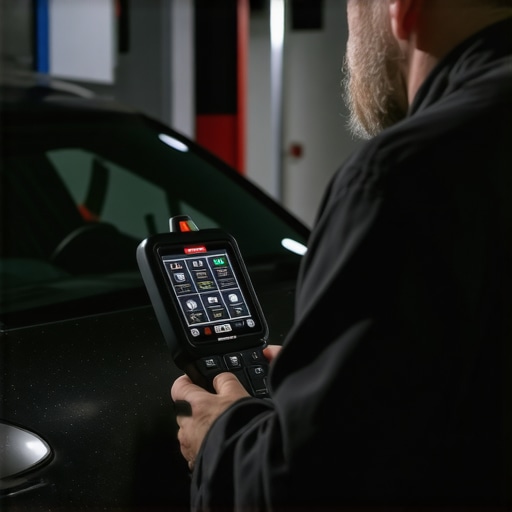
Achieving reliable, long-lasting performance from your vehicle requires more than routine drives and simple inspections. It involves investing in the right tools and adopting proven methods that ensure your car stays in optimal shape over time. One of my top recommendations is using a high-quality diagnostic scan tool like the 👨🔧 Autel MaxiCOM. I personally rely on this device because it offers comprehensive OBD-II diagnostics, allowing me to identify potential issues with transmission sensors or engine misfires before they escalate, saving both time and money.
Complementing your scanner, a infrared thermometer is invaluable for monitoring engine and transmission temperatures—key indicators of component health. I frequently use an infrared thermometer to quickly pinpoint overheating spots that could suggest imminent transmission problems, especially in high-mileage or heavily loaded vehicles. Early detection via such tools can help you schedule maintenance proactively, rather than reactively.
For ongoing reliability, investing in a quality multimeter is crucial. I’ve found that a precise digital multimeter allows me to measure battery voltage, check charging systems, and assess sensor signals accurately. When combined with my vehicle’s service manual and exterior inspections, this hardware helps ensure transmission fluid temperatures stay within safe ranges, preventing early deterioration and costly repairs.
Beyond tools, adopting systematic maintenance methods such as scheduled oil changes and transmission fluid replacements plays a fundamental role in reliability. Using a professional-grade oil extractor pump makes this task cleaner and more efficient, reducing the risk of over-tightening that can damage the threads—an often overlooked mistake that leads to leaks or expensive repairs. I personally prefer models like the Mityvac for their durability and ease of use.
The future of car maintenance is shifting toward smart diagnostic tools integrated with mobile apps. Companies are developing AI-powered diagnostic platforms that learn from your car’s history, predict failures, and schedule maintenance automatically. Embracing these technologies now can give you a significant edge in preserving transmission health and avoiding breakdowns, even during unpredictable weather conditions or long-distance travel.
How do I maintain tools and techniques to ensure long-term reliability?
Consistent calibration of diagnostic and measurement tools is vital. Regularly updating software on your scan tools ensures compatibility with your vehicle’s latest modules, while cleaning and storing tools properly prevents corrosion and damage. Staying informed about the latest advancements, perhaps by following trusted automotive maintenance blogs, can guide you in upgrading to more advanced equipment as technology evolves. For example, incorporating an ASE-certified technician’s advice can further refine your maintenance strategy and provide peace of mind.
Effective maintenance with precise tools doesn’t just preserve your car’s transmission; it extends the overall lifespan, enhances safety, and maximizes resale value. Start by trying out a diagnostic scan on your vehicle today—see what hidden issues you can catch early and enjoy the benefits of a smoother, more reliable ride.

Remember, proactive maintenance is the key to long-term vehicle health. Use tools like the Autel MaxiCOM and infrared thermometers, follow a scheduled service plan, and stay informed about technological advances. This approach ensures that your transmission—and entire vehicle—continues performing at its best for years to come.
What I Wish I Knew About Car Maintenance BeforeIt Was Too Late
My most profound lesson came from a simple mistake—ignoring early warning signs that my vehicle’s transmission was struggling. Had I paid closer attention to subtle clues like delayed gear engagement or unusual noises, I could have prevented costly repairs. This realization taught me that expert knowledge and proactive checks are invaluable in extending your vehicle’s lifespan and avoiding breakdowns.
Gear Up With These Tools, and Your Confidence Will Grow
Investing in reliable diagnostic tools like an #autel MaxiCOM scanner or a quality infrared thermometer can be game-changers. These devices empower you to identify issues early—saving time, money, and stress. Personally, I rely on these tools because they give me peace of mind, especially during busy seasons or long trips. Remember, a well-equipped toolkit isn’t just for professionals—it’s for anyone who values their vehicle’s health.
Fuel Your Motivation with the Power of Knowledge
Understanding the intricacies of transmission maintenance and staying ahead of potential issues transforms car ownership from a chore into a confident responsibility. Regular checks, proper maintenance schedules, and continuous learning allow you to enjoy trouble-free drives and better resale value. You’re capable of mastering your vehicle’s health—start today and see the difference it makes.