How to clear the vinegar smell from your air conditioning vents
How to Clear the Vinegar Smell from Your Air Conditioning Vents
Few things are as jarring as hopping into your car on a sweltering afternoon, cranking the air conditioning, and being greeted by a sharp, sour blast of vinegar-scented air. It is a common frustration that many drivers experience, yet few understand the underlying causes. My name is Christian Panagakos, and while my primary professional life involves navigating the complexities of debt and legal protection, I have long advocated for vehicle maintenance as a cornerstone of financial wellness. An unexpected car repair is often the “black swan” event that pushes a family from stability into financial distress.
Interestingly, this specific “sour smell” is a frequent topic in automotive circles, including the BMWi3 Reddit community, where owners often report the odor lasting for only 5 to 10 seconds immediately upon startup. While it might seem like a minor nuisance, that vinegar smell is a warning sign. It is your car’s way of telling you that moisture and biological growth are taking hold in places you cannot see. By addressing it now, you can avoid the high costs of system failure and keep your cabin air healthy.
Understanding the “Vinegar” Odor: What Is It?
To fix the smell, we must first understand what it actually is. Despite the olfactory similarity, your car isn’t leaking salad dressing. The “vinegar” smell is typically the result of acetic acid. This acid is a byproduct of specific types of bacteria and mold that thrive in the dark, damp environment of your vehicle’s HVAC (Heating, Ventilation, and Air Conditioning) system.
The primary culprit is the evaporator coil. When your AC runs, the evaporator becomes extremely cold. As warm air passes over it, moisture in the air condenses on the coils – much like sweat on a cold glass of water on a humid day. Usually, this water drips into a tray and exits the vehicle through a drain line. However, if the moisture lingers or if the system doesn’t dry out properly, it becomes a breeding ground for microorganisms. When these microbes feed on dust and organic matter trapped in the system, they release gases that smell remarkably like vinegar or old gym socks. Understanding the difference between a minor leak and a critical failure in your HVAC system is essential for preventing long-term damage to your vehicle’s interior health.
The Top 3 Causes of Sour AC Smells
Before you start spraying chemicals into your vents, you need to identify the source of the problem. Most vinegar smells can be traced back to one of three issues.
1. Clogged Cabin Air Filter
The cabin air filter is your first line of defense against outside pollutants. Over time, it traps leaves, twigs, insects, and road debris. If this organic matter becomes damp from humidity or rain, it begins to rot. A dirty filter restricted by debris not only smells bad but also forces your blower motor to work harder, potentially leading to an expensive electrical failure. If you’ve noticed that your car’s AC blows cold then slowly turns warm, a restricted air filter might be the initial bottleneck causing the system to freeze up.
2. Moldy Evaporator Coils
As mentioned, the evaporator is the heart of the cooling process. Because it is buried deep behind the dashboard, it never sees sunlight. This darkness, combined with constant moisture, allows mold and mildew to form a “biofilm” over the aluminum fins. This is often referred to in the industry as “Dirty Sock Syndrome.” Once this biofilm is established, the vinegar smell becomes a persistent companion every time you start the car.
3. Blocked Condensate Drain Line
Every car has a small rubber hose that allows condensation to drip out onto the pavement. If you’ve ever seen a puddle under a parked car on a hot day, that’s the drain line doing its job. However, spiders, road grime, or even algae can clog this hose. When the water has nowhere to go, it backs up into the evaporator housing, creating a stagnant pool of water that quickly turns into a vinegar-scented swamp.
Step-by-Step DIY Solutions to Kill the Odor
You don’t always need a professional mechanic to resolve these issues. Here is a step-by-step guide to reclaiming your car’s freshness.
Step 1: Replace the Cabin Air Filter
This is the easiest and most cost-effective fix. Most cabin filters are located behind the glovebox or under the dashboard. Check your owner’s manual for the specific location. If the filter looks grey, black, or is filled with debris, replace it immediately. High-quality charcoal-activated filters are particularly good at neutralizing odors.
Step 2: Disinfect the Intake System
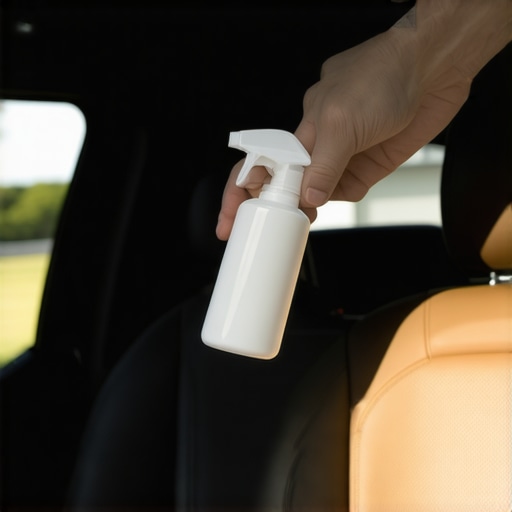
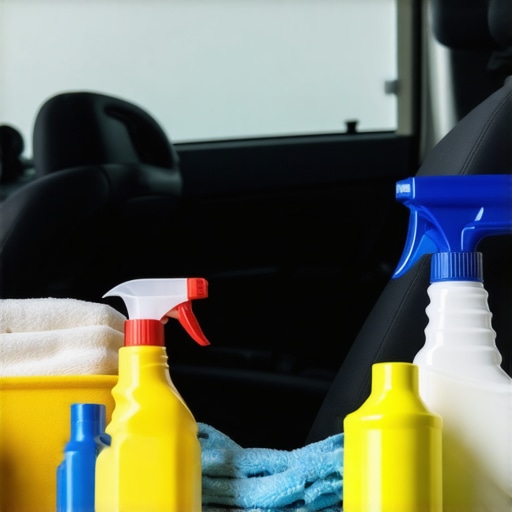
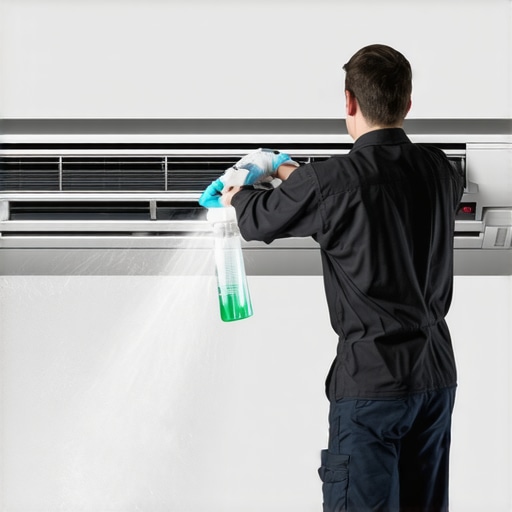
To kill the bacteria living on the coils, you need to get a disinfectant into the system. With the cabin filter removed, start the engine and turn the AC to the “Fresh Air” setting (not recirculate) with the fans on high. Locate the exterior air intake vents – usually found at the base of the windshield (the cowl). Spray a specialized HVAC cleaner like Klima-Cleaner or even a high-quality disinfecting spray like Ozium into the intake. The fans will pull the mist through the ducting and onto the evaporator coils, killing the odor-causing microbes. If you are also performing engine maintenance, be sure to learn how to clean your engine bay without shorting the electronics to keep the entire front end of your car in top shape.
Step 3: The Vinegar/Water Flush
It sounds counterintuitive to use vinegar to get rid of a vinegar smell, but a diluted white vinegar solution is a powerful antifungal agent. Based on solutions shared in the ToyotaNation forums, a 50/50 mix of white vinegar and distilled water can be sprayed into the intake duct. The acidity of the white vinegar kills the mold, and as it dries, the scent of the liquid vinegar dissipates, taking the foul biological odor with it.
Step 4: Clearing the Drain Line
If you don’t see water dripping under your car after running the AC for 15 minutes, your drain line is likely blocked. Locate the exit point of the drain tube under the vehicle. You can often clear it by gently inserting a piece of flexible wire or using a blast of compressed air. Be careful not to puncture the evaporator itself. For those dealing with heavy mold growth, refer to our guide on how to remove mold and mildew from a car that sat all winter for more intensive cleaning strategies.
The Financial Impact of Neglected Maintenance
As a legal professional, I often see how small, ignored problems snowball into life-altering financial crises. A cabin air filter costs roughly $20 and takes ten minutes to change. However, if you ignore a clogged drain line or a moldy evaporator, the moisture can eventually lead to the corrosion of the evaporator core itself. Replacing an evaporator is a labor-intensive job that often requires removing the entire dashboard, with costs frequently exceeding $1,200.
When car repairs spiral out of control, they can lead to significant debt. If you find yourself facing creditors due to mounting bills, consulting a debt defense attorney or a debt settlement attorney is vital. In extreme cases, individuals may need a local attorney for bankruptcy to discuss a bankruptcy filing chapter that fits their situation, such as bankruptcy chapter 7 liquidation.
The stress of a failing vehicle shouldn’t be the catalyst for a financial breakdown. Whether you are seeking a wage garnishment attorney florida or need a chapter 13 business bankruptcy specialist, the key is early intervention. The same logic applies to your car: a small investment in maintenance today prevents a massive liability tomorrow. For business owners, a bankruptcy corporate attorney can help navigate the complexities of restructuring, but maintaining your fleet’s health is a much simpler way to protect your bottom line.
If your financial situation has reached a point where your home is at risk alongside your transportation, reaching out to a foreclosure defense attorney Miami or a bankruptcy attorney in broward county can provide the shield you need. Even for those in smaller markets, finding a bankruptcy lawyer kissimmee ensures that you have expert guidance tailored to your local jurisdiction.
Preventive Measures: Keeping the Smell Away
Once you have cleared the odor, you want to ensure it doesn’t return. Choosing the right car service for your vehicle’s needs includes finding a technician who checks your HVAC system during routine oil changes, but you can also adopt these simple habits:
- The Two-Minute Rule: About two minutes before you reach your destination, turn off the AC button but keep the fans running on high. This allows the ambient air to dry out the evaporator coils and the surrounding housing, preventing moisture from sitting overnight.
- Park in the Sun: While we usually look for shade, parking in the sun occasionally can help heat up the cabin and the ductwork, which inhibits mold growth.
- Check the Cowl: Regularly clear away leaves and pine needles from the area where your windshield meets your hood. This prevents organic matter from entering the intake system.
According to expert advice from AutoZone, using a microfiber cloth dampened with disinfecting spray to reach as far into the vents as possible can also help remove dust that holds onto odors. If the smell persists even after a filter change and spray treatment, the evaporator may be physically coated in “dirty sock syndrome” bacteria, which might require a professional foaming cleaner applied directly to the core.
Conclusion & Call to Action
Clearing a vinegar smell from your AC vents is more than just a matter of comfort – it is a matter of health and financial prudence. By following these DIY steps, you can keep your car’s air clean and avoid the “critical failures” that lead to high-interest debt and financial instability. Don’t wait for the problem to worsen; act today to protect your vehicle and your wallet.
If you are struggling with the financial burden of vehicle repairs or other mounting debts, visit stibermanlaw.com for expert financial guidance. For more automotive maintenance tips and DIY fixes, continue browsing autofixclinic.com.