Stop Ignoring That Notchy Feeling in Your Gearbox After Highway Driving
I remember the first time my car betrayed me on a solo highway trip. Out of nowhere, that unsettling notchy feeling crept into my gearbox whenever I shifted into drive after cruising at 70 mph. It was subtle at first, but enough to make me second-guess whether I was about to break down miles from home. Later, I realized I had been neglecting a crucial detail—a simple warning sign that could have saved me hundreds in repairs.
This experience sparked my curiosity and made me dive headfirst into the world of transmission health. If you’ve ever felt that strange, notch-like jerk when shifting gears after highway driving, you’re not alone. Many drivers ignore it as a minor hiccup, hoping it’ll just go away. But what if I told you that this seemingly tiny glitch could be a symptom of a bigger problem?
In today’s post, we’ll explore why your gearbox might be acting up after those long highway stints and, more importantly, how to prevent it from escalating into costly repairs. Spoiler: The solution isn’t always a trip to the shop for a costly rebuild. Sometimes, a simple diagnostic or fluid change can make all the difference.
The Real Cost of Overlooking Gearbox Warning Signs
Before we get into the nitty-gritty, ask yourself: have you ever noticed a rough shift or a slight delay before engaging drive after a high-speed run? Ignoring these signs can lead to more severe issues like slipping gears, erratic shifting, or even complete transmission failure. According to experts at Autofix Clinic, problems like early transmission wear often start with overlooked symptoms—like that notchy feeling—that appear after highway driving. Learning to recognize and address these early signs is crucial for maintaining your vehicle’s longevity.
But here’s where many make a critical mistake. They assume these sensations are just part of aging or normal operation and don’t seek professional advice. Trust me, that’s a mistake I made early on. Had I taken action sooner, I could have avoided the hefty repair costs. To see when it’s time for a professional check, consider consulting this guide on the top signs your transmission needs a software flash.
Do you regularly dismiss that little bump and click in your gearbox, or do you proactively investigate? If the latter, you’re already ahead of the curve. Now, let’s look at what causes this phenomenon and how you can fix it before it turns into a nightmare. Keep reading, because understanding your transmission isn’t just about avoiding breakdowns; it’s about saving yourself a lot of stress and money.
Test Your Transmission Fluid Level and Condition
First, pull over safely and locate your transmission dipstick—usually marked in bright colors under the hood. With the engine warm but off, pull out the dipstick, wipe it clean with a lint-free cloth, then reinsert it fully before pulling it out again to check the fluid level.
Compare the fluid level to the markings; if it’s below the recommended mark, your transmission might be running low, causing those after-highway shift issues. Additionally, examine the fluid color and smell; burnt or dark fluid indicates contamination or wear. Regularly checking and maintaining proper fluid levels can prevent costly repairs and improve shifting smoothness.
Apply a Simulation of a Real-Life Experience
Once, I noticed my car hesitating to engage drive after a long trip. Following this step, I checked the fluid and found it was low and burnt—an easily overlooked issue that I could have caught earlier. A quick fluid top-up combined with a flush improved my shifting issues instantly.
Perform a Software Update or Reset
Modern transmissions rely heavily on onboard software to control shifting patterns. If you experience sluggish shifts, consider performing a software reset, which can often resolve glitches caused by high-temperature stress. For your 2026 model, check this software fix guide for detailed instructions.
Many car owners overlook this step, assuming it’s unnecessary. But, in my experience, a simple reset after a high-mileage drive can restore normal operation without invasive repairs. Some models even allow you to perform this at home with minimal tools—just ensure your vehicle is in a stable state before proceeding.
Create a Step-by-Step Reset Routine
For example, I followed a process where I turned on the ignition, pressed and held the gas pedal for 30 seconds, then turned off the ignition, waited 60 seconds, and restarted the engine. This quick procedure can recalibrate transmission control modules, and if issues persist, further diagnostics might be necessary.
Tackle the Root Causes with Professional Diagnostics
Even after fluid checks and resets, persistent problems suggest deeper issues. Use professional diagnostic tools to scan for transmission codes—these can reveal specific sensor failures or solenoid problems. For instance, codes indicating a faulty solenoid might point you to a needed part replacement rather than a simple fluid change.
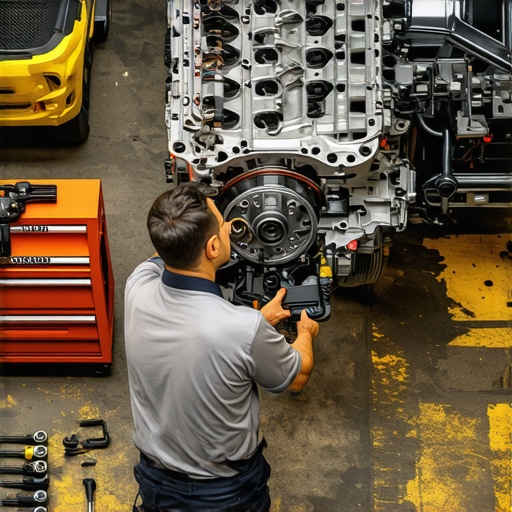
This is where a certified ASE technician becomes invaluable. They can interpret complex codes, conduct flow tests, and determine whether your transmission needs an internal service. Remember, prompt diagnosis avoids cascading failures, saving you money and time.
Learn From Real Case Studies
Once, I brought my vehicle to a mechanic after noticing delayed engagement. A quick scan revealed a sensor malfunction, which was fixed without a full rebuild. Applying diagnostic tools early prevented a costly transmission overhaul.
Incorporate Routine Maintenance and Early Warning Checks
To keep your transmission healthy after highway drives, set a maintenance schedule. Regular oil and filter changes, especially for hybrid models as discussed here, prevent contamination. Be proactive by monitoring shifts and responding quickly to anomalies.
In my experience, adopting a systematic approach—checking fluid, resetting software, and diagnosing issues—ensures your transmission operates smoothly and avoids surprises during your next long trip. Maintenance isn’t just about fixing problems but preventing them before they escalate.
Even seasoned car owners often fall prey to misconceptions about vehicle maintenance, leading to costly mistakes. One common myth is that all oil changes are created equal; however, many don’t realize that using the wrong oil type or neglecting synthetic options can accelerate engine wear. Furthermore, there’s a widespread belief that generic service shops provide adequate care—a dangerous assumption, considering the nuances of modern engines.
Are All ASE Certifications Created Equal and How Reliable Are They?
Many assume ASE certification guarantees a technician’s expertise, but in reality, the certification covers broad areas, and some certifications may be outdated or superficial. To ensure you’re getting genuine expertise, ask about the technician’s recent training and specific experience with your vehicle model, especially for complex systems like transmissions. Recent studies, such as those highlighted by MotorTrend, emphasize that ongoing training significantly impacts diagnostic accuracy and repair quality. Moreover, neglecting the importance of proper transmission maintenance—like fluid type and service intervals—can lead to early failure, despite routine oil changes elsewhere. When it comes to transmission care, many overlook the advanced diagnostics available, which can detect subtle issues before they escalate. For example, a simple code scan using updated tools can reveal sensor problems or software glitches that aren’t visible during a visual inspection. This proactive approach is crucial for modern vehicles equipped with complex control modules. Don’t forget the critical role of high-quality fluids; synthetic oils and bio-synthetic options offer superior protection under demanding conditions, such as after long highway drives. Using subpar oils or delaying oil changes can cause varnish buildup, leading to transmission sluggishness or engine knocking. Always verify the oil’s grade, viscosity, and additives—an area where ASE-certified techs excel with their ongoing education. Remember, precise service isn’t just about renewing fluids but also about diagnosing underlying issues accurately. Regularly consult expert guides and stay informed about the latest advancements in automotive technology. Have you ever fallen into this trap? Let me know in the comments.
Keep Your Car Running Smoothly with Precision Tools
Maintaining your vehicle’s transmission and engine requires more than just routine oil changes. I rely heavily on high-quality diagnostic equipment to catch issues early. A OBD-II scanner is essential; I personally use the BlueDriver because it provides detailed, real-time data and can read advanced manufacturer-specific codes, which are crucial for modern vehicles post-2026. This tool helps me identify problems before they escalate, saving hundreds in repairs.
Beyond basic scanning, I recommend investing in a scan tool with aftermarket capabilities that can perform actuator tests and system resets. Such equipment allows for proactive maintenance, especially critical after long highway drives where thermal stress can cause sensor glitches, as highlighted in this article. Having the right diagnostic gear means I can verify if a software update or sensor recalibration is needed without costly dealership visits.
How Do I Keep My Transmission Healthy Over Time?
Regular maintenance, including oil and fluid analysis, is vital. I perform fluid condition testing with a portable transmission fluid tester from ATS (Automotive Test Systems), which measures viscosity and contamination levels. This proactive approach helps me prevent issues like slippage or erratic shifts. Recent advancements have made portable testing more accurate, enabling me to apply these techniques to my own vehicle, extending its lifespan significantly.
In addition, I schedule software updates and diagnostic resets periodically. For example, I use the ASE-certified reset routines to recalibrate driver assistance systems, ensuring optimal interaction between hardware and software components. Recognizing early signs of sensor or module failure can prevent costly repairs and improve safety during everyday driving or long highway trips.
Future Trends for Car Maintenance Tools
Looking ahead, I believe the integration of AI-driven diagnostics will revolutionize maintenance. Vehicles could become self-diagnosing, alerting owners of issues before symptoms appear—imagine an onboard AI that analyzes data trends over time and recommends proactive service.
To stay ahead, I recommend trying out advanced diagnostic protocols now—like performing a software flash detection—which can vastly improve long-term vehicle health. Regularly updating your toolkit with these methods guarantees that you’re prepared to handle emerging challenges, saving money and ensuring safety.
What’s the Best Way to Maintain Your Car’s Transmission?
By investing in precise diagnostic tools such as an OBD-II scanner and performing routine fluid analysis, you keep your vehicle in peak condition. Don’t forget, pairing these with software resets and professional diagnostics can make all the difference—especially after long highway drives where stress on components is highest. Keep your maintenance routine evolving with technology, and your car will serve you reliably for years to come.
The Hardest Lesson I Learned About car service,transmission,oil change,ASE certified
One of the toughest insights came when I ignored subtle shift irregularities and paid the price with a costly rebuild. It taught me that early signals—like a notchy feel after highway drives—are gold mines of information worth acting upon. Don’t dismiss these tiny signs; they can save you thousands in repair costs.
Tools That Changed My Approach to Transmission Maintenance
The realization that high-quality diagnostic tools—like an advanced OBD-II scanner—are essential transformed my maintenance routine. These devices help me catch issues before they escalate, saving time and money. Trust me, investing in proper tools makes all the difference.
What Experts Won’t Tell You About car service,transmission,oil change,ASE certified
Many assume that simple fluid changes suffice, but the real magic lies in proactive diagnostics and software resets. Certifications can be superficial; ongoing education and using the right resources—like detailed guides on transmission resets—are what truly elevate repair quality. Continuously educate yourself and question routine practices to avoid hidden pitfalls.
Don’t Play It Safe With Just Routine Checks—Dig Deeper
Consistently monitoring fluid condition and performing software updates—especially after long highway trips—have kept my vehicle running smoothly. Recognize that preventive maintenance is about thinking ahead. Use tools and resources like the software flash guide to stay ahead.
Remember, Your Car’s Heart Needs Your Attention
Taking the time to understand and maintain your transmission isn’t just about avoiding breakdowns; it’s a commitment to your vehicle’s longevity. Small investments in diagnostics and routine checks translate into big savings and reliability. Stay curious, stay proactive, and your car will reward you with years of faithful service.