Why Your ASE Tech Refuses to Use Cheap Oil Filters (And You Should Too)
It was a chilly morning when I finally scheduled my car’s oil change. Watching my ASE-certified technician open the hood, I watched with a bit of skepticism as he reached for a box of seemingly generic oil filters. I hesitated, feeling a pang of doubt. A little voice whispered, “Is this really okay?” Later, I learned that using cheap oil filters isn’t just about the filter itself—it’s a matter of protecting your engine’s health and avoiding costly repairs. Many car owners aren’t aware that a low-quality filter can let tiny debris circulate, leading to accelerated engine wear. Today, I want to share my experience and show you how choosing the right oil filter can save you money and headaches down the road.
The Hidden Cost of Skimping on Oil Filters
Could Cheap Filters Be Sabotaging Your Engine?
“Most drivers don’t realize that a cheap oil filter often lacks the fine filtration layers found in higher-quality filters,” says automotive expert Tom Taylor. This means that dirt, metal shavings, and debris can bypass the filter media and circulate through your engine. It’s not just idle speculation—according to a study by the Automotive Maintenance Association, poorly filtered oil can double engine wear within the first 15,000 miles. Early on, I made a mistake by trusting an inexpensive brand during a routine oil change. My engine started exhibiting subtle signs of trouble, which could have been prevented had I selected a quality filter from the start. If you’re curious about how cheap filters impact synthetic oil’s performance, check out [this article](https://autofixclinic.com/why-your-synthetic-oil-is-turning-black-faster-than-usual). It emphasizes that the right filter can prevent synthetic oils from degrading prematurely, saving you money and extending engine life.
Prepare Your Workspace and Gather Tools
Start by parking your vehicle on a level surface and engaging the parking brake. Gather essential tools: a socket wrench set, a new oil filter, fresh engine oil, a drain pan, gloves, and rags. Wearing gloves protects your skin from hot oil and grime, while rags keep your workspace clean. Remember, a tidy workspace minimizes mistakes and speeds up the process; I learned this the hard way during my first filter change when oil spilled onto the driveway, attracting dirt.
Drain Old Oil Effectively
Locate the drain plug underneath your car—usually at the oil pan’s lowest point. Using the socket wrench, loosen the plug carefully, directing the spilled oil into the drain pan. This step may be messy; I once underestimated the amount of oil, splashing a small pool. After draining, replace and tighten the drain plug securely to prevent leaks. Proper drainage ensures old oil doesn’t contaminate your new filter and oil, maintaining engine cleanliness.
Tip:
Check the owner’s manual for the oil drain plug torque specifications to avoid over-tightening, which can damage the drain pan or threads. I once stripped a drain plug because I didn’t follow torque specs, delaying my job.
Remove the Old Oil Filter
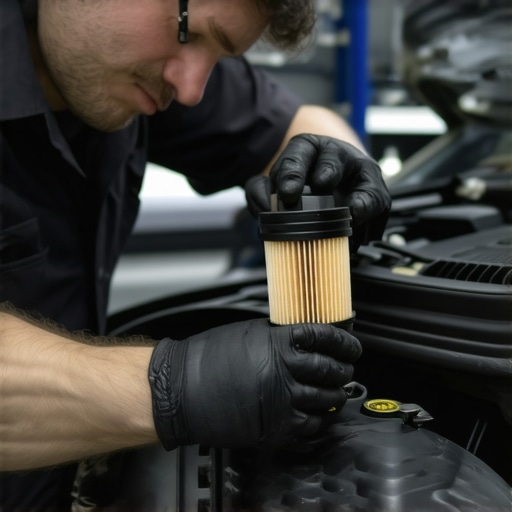
Locate the oil filter—usually a cylinder attached to the engine block. Using the oil filter wrench, turn counter-clockwise to loosen. Be prepared for residual oil to spill when removing it. During my first attempt, I forgot to place a rag underneath, leading to a slippery mess. Carefully remove the filter, inspecting it for signs of deterioration or debris. Proper removal prevents contamination of the new filter and ensures optimal filtration.
Note:
Some filters have a removable sealing ring; ensure it’s removed from the engine before installing the new filter to prevent leaks, an often-overlooked detail I learned after a leak issue.
Install the New Oil Filter
Apply a thin layer of fresh oil to the rubber gasket of the new filter—this helps create a good seal. Screw the new filter onto the mounting surface by hand, turning clockwise. Once snug, tighten it an additional quarter turn with the wrench. Avoid over-tightening, which can damage the gasket. I once overtightened and stripped the gasket, causing an oil leak that was tricky to fix. Proper installation guarantees the filter’s longevity and engine protection.
Refill with Fresh Engine Oil
Remove the oil fill cap on top of the engine. Using a funnel, pour in the recommended amount and type of engine oil—refer to your vehicle’s owner manual. After filling, replace the cap securely. I found that pouring too quickly caused spills; taking it slow and steady minimized mess and confirmed the correct oil level with the dipstick.
Check for Leaks and Proper Function
Start the engine and let it run for a few minutes. Inspect around the oil filter and drain plug for signs of leaking. Turn off the engine and wait a few minutes, then check the oil level again, topping up if necessary. During my first try, I missed the leak because I didn’t inspect carefully, which I corrected after noticing a drip during a subsequent check. Confirming no leaks is crucial to avoiding engine damage.
Dispose of Old Oil and Filter Responsibly
Transfer used oil into a sealed container and take it to a recycling center. Do the same with the old filter, which contains residual oil and components. Proper disposal is vital for environmental safety; I once left used oil in a backyard, which attracted pests and was illegal. Responsible disposal ensures you contribute to eco-friendly practices and avoid fines.
While many drivers believe they understand the basics of car maintenance, overlooked nuances often lead to costly repairs and misconceptions. One common myth is that all transmission flushes are equal; in reality, using the wrong type or neglecting specific fluid specifications can cause more harm than good. For instance, some think that regular oil changes suffice for transmission health, but modern transmissions require specialized diagnostics and fluid compatibility checks, especially with the advent of hybrid and electric vehicles.
Are Your Transmission and Oil Maintenance Truly Up to Par?
Many assume that the certified mechanic’s word is all they need, but understanding the intricacies—like how synthetic oils degrade or how sensor checks can reveal pending issues—can empower you to make better decisions. According to a study by the Society of Automotive Engineers, neglecting advanced diagnostics can result in undetected early failures, leading to significant expenses later. For example, failing to verify whether your oil truly contains synthetic qualities with specific tests might mean you’re driving on oil that has already broken down, risking engine damage. Pedal to the metal, ignoring these details can be a trap that catches even seasoned car owners off guard.
Another misconception is that ASE certification guarantees flawless service. While ASE-certified technicians are trained, their expertise must be paired with your awareness of potential pitfalls. For example, if your vehicle is prone to hesitation on hills or slipping gears in rain, these issues may be related to fluid quality or sensor failures that most owners overlook. Learning the signs and asking the right questions during service appointments can prevent future breakdowns.
Advanced Mistakes That Could Cost You Thousands
Not paying attention to fluid specifications is a common oversight. For instance, using generic or low-quality oils, or neglecting comprehensive tests to confirm your synthetic oil hasn’t degraded prematurely, can lead to increased wear and tear. Check out [this article](https://autofixclinic.com/why-your-synthetic-oil-is-turning-black-faster-than-usual) to understand how oil quality impacts your engine’s longevity. Additionally, misunderstandings about transmission fluid replacements, like misjudging when to perform a flush or ignoring signs of slipping, are traps that even experienced owners fall into. For example, ignoring symptoms and delaying maintenance until a full rebuild is necessary can double repair costs.
Are you aware of how advanced diagnostics and proper fluid testing can extend your vehicle’s lifespan? Regular sensor checks, fluid analyses, and understanding the specific requirements of your vehicle model—including hybrid and upcoming 2026 models—are essential. Learning to interpret signs like gear slippage or hesitation and asking your ASE technician about these diagnostics ensures you’re not walking into costly repairs unprepared. Remember, a proactive approach grounded in knowledge can save you thousands in the long run. Have you ever fallen into this trap? Let me know in the comments.
Invest in Precise Tools for Effective Maintenance
To ensure your vehicle remains in top shape, employing the right equipment is crucial. I personally rely on a high-accuracy digital torque wrench, like the TEKTON Digital Torque Adapter, because it allows me to tighten components such as oil filters and drain plugs to manufacturer specifications, preventing over-tightening or leaks. Additionally, a reliable infrared thermometer helps monitor engine and coolant temperatures during maintenance, ensuring optimal operating conditions before and after procedures. These tools have consistently improved my work quality and reduced troubleshooting time.
Leverage Modern Diagnostic Software for Long-Term Results
Beyond basic tools, advanced diagnostic software like OBD-II scanner apps with live data feeds provide insights into engine health, transmission status, and sensor performance. I use a device with Bluetooth connectivity synced to my smartphone, enabling real-time monitoring during or after maintenance. This approach helps identify subtle issues—such as sensor drift or fluid degradation—that aren’t immediately obvious, thereby extending the vehicle’s lifespan and preventing costly repairs.
Establish Routine Inspections and Fluid Testing
Regularly testing your fluids and inspecting key components can reveal early warning signs. I personally perform oil condition analysis using at-home test kits like Blackstone Laboratories standards, which guide me on whether to proceed with synthetic oil or consider replacements. Incorporating such practices ensures you stay ahead of potential failures. It’s worth noting that testing for oil compatibility can validate the quality of your synthetic oil, especially important as vehicle technology evolves.
Future of Maintenance Tools and Techniques
As vehicles integrate more advanced electronics and hybrid systems, I predict that diagnostic tools will become more AI-driven, offering predictive maintenance alerts based on driving patterns and sensor data. Investing in subscription-based software that can adapt to upcoming model specifications will be vital for maintaining performance and safety.
How do I maintain transmission and oil quality over time?
Maintaining transmission and oil quality involves more than just routine changes. Regularly performing transmission fluid tests and scheduling proactive sensor diagnostics can prevent issues like hesitation and slipping. Remember, using the correct routines and tools laid out here will help ensure your vehicle’s longevity and reliability. For a quick win, try incorporating a thermal infrared gun into your maintenance routine—it’s a game-changer for early detection of overheating components and can save you from major repairs down the line.Throughout my journey in vehicle maintenance, I’ve encountered countless lessons that weren’t immediately obvious but proved invaluable in protecting my car and wallet. One of the most profound revelations was the intricate dance between transmission health and the quality of oil and filters—an aspect many overlook until trouble arises. Recognizing the subtle signs of impending issues, such as hesitation or slipping, and understanding the importance of precise diagnostics transformed how I approach maintenance. Investing time in learning about the specific requirements of my vehicle, especially with the evolving technology like hybrid systems, has been a game-changer. These insights emphasize that proactive, informed care, rather than reactive fixes, ensures longevity and smooth performance for your vehicle.