Why your car makes a clicking sound when you try to turn the key
It was 6:45 AM, and the coffee hadn’t even kicked in yet. I sat in my old sedan, twisted the key, and… click. Not the roar of a combustion engine, but a pathetic, metallic rhythmic snap that signaled I wasn’t going anywhere. I felt that immediate pit in my stomach. Was it the transmission? Was it something I missed during my last oil change? I’ve spent years under hoods, but that morning, I felt like a total amateur. We’ve all been there, staring at a dashboard that won’t light up, wondering if we’re about to drop a thousand dollars at a shop.
That Rapid Clicking is Your Car Screaming for Help
I remember one specific winter where I ignored a subtle engine ticking for weeks, thinking it was just the cold. It wasn’t. It was the beginning of the end for my battery’s connection. I made the classic rookie mistake: I assumed the most expensive part was broken. I went out, bought a new starter, and spent a Saturday afternoon wrestling with bolts, only to find the problem was a five-dollar cable. It was humbling, to say the least. Today, I want to make sure you don’t repeat my blunders. We are going to pinpoint exactly what that sound means so you can decide if you need a pro with an ASE certification or just a wire brush and some elbow grease.
Is this going to cost me a fortune?
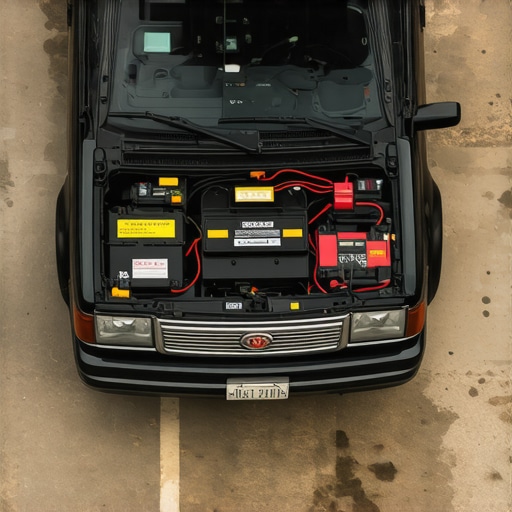
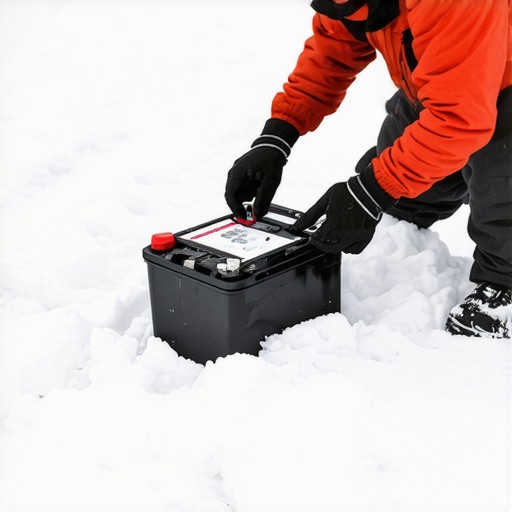
Most people panic the moment the engine doesn’t turn over, fearing a blown motor or a dead fuel pump. But here is a surprising fact: according to AAA, battery-related issues are the leading cause of vehicle breakdowns, accounting for over 50% of all roadside service calls during extreme weather. It’s often a simple power delivery issue, not a mechanical catastrophe. If your dashboard lights flicker when you hit a pothole, you’re already getting clues that your electrical system is on the fritz. Have you ever been stranded in a grocery store parking lot just listening to that clicking rhythm? It’s frustrating, but we’re going to fix it together. Before you call a tow truck or look for a new car service, let’s look at the simple stuff first.
Clean the Gunk Off Your Terminals First
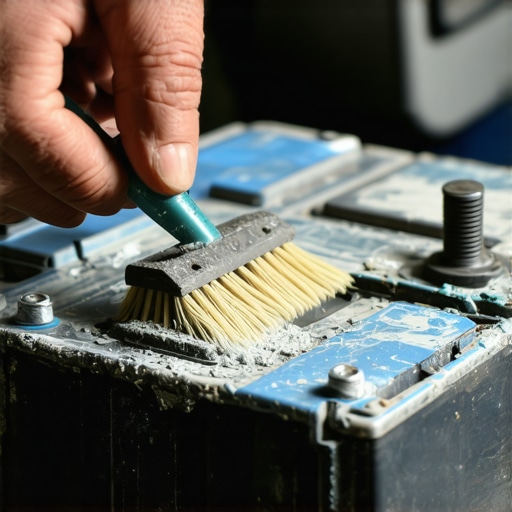
Before you assume your car needs a full car service, look at the battery posts. That rapid-fire clicking is usually the starter solenoid trying to engage but failing because it isn’t getting enough ‘juice.’ Think of it like trying to drink a thick milkshake through a tiny, crimped straw. The power is there, but it can’t get through the resistance. I once spent two hours helping a neighbor who was convinced he had transmission troubles because his car wouldn’t move. I took one look, saw a mountain of blue-green corrosion on his positive terminal, and scrubbed it off with a wire brush. The car fired up instantly. He felt silly, but it saved him a massive towing fee and an unnecessary repair bill.
Test the Voltage Before Buying Parts
If the terminals look clean, you need to know if the battery is holding a charge. A simple multimeter is your best friend here. A healthy battery should read about 12.6 volts when the engine is off. If you’re seeing 10.5 volts, you might be dealing with the hidden drain that kills your car battery in three days of sitting. Even after a jump-start, you might notice why your engine feels sluggish after a simple battery replacement because the onboard computer needs to relearn its idle and fuel trim values. Don’t panic; it’s a normal part of the process. If the battery tests fine but the clicking persists, the issue might be the starter motor itself or a faulty ignition switch.
The Starter vs. The Battery Debate
If you hear one loud, singular THUNK instead of a rapid click-click-click, that’s usually the starter motor physically jamming. I remember a humid afternoon in a grocery store parking lot where I had to crawl under my truck and give the starter a light tap with a wrench while my friend turned the key. It worked, but it was a clear sign the internal brushes were toast. If you aren’t comfortable doing a ‘percussive maintenance’ check, it’s time to see someone with an ASE certification. They have the specific diagnostic tools to see if the amperage draw is too high. Also, keep an eye on your fluids; sometimes a leak from a poorly executed oil change can drip onto electrical components, causing a short that mimics a dead battery.
Check the Ground Wire Connection
Many drivers overlook the ground wire—the black cable that connects the battery to the car’s frame. If this connection is loose or rusted, the circuit won’t complete. It’s the electrical equivalent of a bridge being washed out. You can have all the fuel and spark in the world, but without that ground, you’re stuck. This is why the reason your dashboard lights flicker when you hit a pothole is often the same reason your car won’t start on a cold morning. Check that the bolt securing the ground to the chassis is tight and free of rust to ensure a clean path for the electricity.
Why an ASE Patch Is Not a Golden Ticket
Most drivers see a blue seal on a mechanic’s sleeve and assume that person is a walking encyclopedia for every car ever made. Here is the contrarian truth: having an ASE certification is about proving a mastery of fundamentals, not about knowing the specific quirks of your 2024 hybrid. I’ve seen certified techs struggle with a ghost in the machine because they relied too heavily on the textbook instead of their ears. Don’t get me wrong, you want a certified pro, but you specifically want someone who understands that a diagnostic code is a starting point, not a final answer. If you are choosing the right car service for your vehicles needs, look for the shop that asks how the car felt when it died, not just what the scanner said.
The Deadly Trap of the Overfilled Crankcase
We often talk about the importance of maintenance, but there is a specific ‘oops’ factor I see constantly with DIY enthusiasts: the ‘more is better’ mentality with fluids. I once worked on a truck where the owner thought adding an extra quart of oil would ‘cushion’ the engine. Instead, he triggered the danger of overfilling your engine oil by just one quart, which turned his oil into a frothy, aerated mess. When oil foams, the pump can’t move it, and your bearings starve. It turns a ten-minute oil change into a multi-thousand-dollar engine rebuild. According to the Society of Automotive Engineers (SAE), oil aeration can significantly reduce the load-carrying capacity of engine lubricants, leading to catastrophic failure even when the dipstick looks ‘full.’
Can a Live Drive Catch Problems Your Scan Tool Misses?
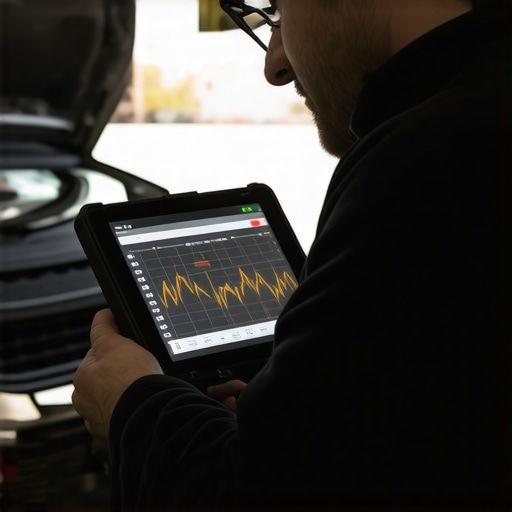
Advanced readers often ask why their car acts up on the road but behaves perfectly in the shop. The secret is that many sensors only fail under specific thermal or torque loads. This is why a live drive is the only way to catch intermittent engine hesitations. A static scan tool is like a photo; a live drive is the movie. If you’re experiencing transmission troubles, a technician should be monitoring the shift solenoids in real-time while you’re climbing a hill, not just idling in a bay. You also need to know how to tell if your transmission fluid is actually burnt or just old, as the smell and viscosity tell a deeper story than a digital readout ever could. Have you ever fallen into the trap of replacing a part because a code told you to, only to find the problem was still there? Let me know in the comments. If you’re still stuck, feel free to contact us for more specific advice.
My Toolkit Is Not Just for Show
I have learned that the difference between a weekend warrior and a pro often comes down to the gear they trust. For me, it is not about the biggest toolbox; it is about the smartest one. I swear by my pneumatic fluid extractor. Instead of crawling under the car and making a mess, I suck the oil out through the dipstick tube. It is a game-changer for anyone trying to follow top oil change tips for safe driving in 2025. Also, if you are doing any suspension or steering work, you will quickly find that why Viper tools are the only way to reset your cars steering angle sensor is a reality you cannot ignore in modern vehicles. These tools save you from that ‘ghost in the machine’ feeling after an alignment. Looking forward, I predict we are less than five years away from standard consumer vehicles having AI-integrated ‘health scores’ that tell you exactly which solenoid is sticking before you ever feel a shudder.

How can I keep my drivetrain healthy for 200,000 miles?
The secret is not just changing the oil; it is understanding the intervals. Most ‘lifetime’ fluids are a marketing myth designed to lower the perceived cost of ownership for the first buyer. If you want to avoid transmission troubles, you need to be proactive. This is especially true if you have had a major repair; knowing how to properly break in a newly rebuilt transmission can mean the difference between a car that lasts another decade and one that returns to the shop in a month. I also recommend looking into the secret to keeping your engine clean internally between changes, like using high-quality detergents or specific fuel system cleaners. The Car Care Council notes that nearly 80 percent of cars on the road today are in need of at least one service or repair, often due to deferred maintenance. Do not be part of that statistic. Grab a basic OBD-II scanner this weekend and run a health check even if no lights are on. You will be surprised at what your car is trying to tell you.
What My Five-Dollar Cable Taught Me About Overthinking Repairs
Looking back at that cold morning when I almost replaced a perfectly good starter, I realized that modern vehicles often suffer from the simplest of ailments. If you learn one thing today, let it be this: clean connections beat new parts every single time. Don’t let the fear of transmission troubles cloud your judgment when a dirty battery terminal is the likely culprit. I’ve found that even the most expensive car service can sometimes overlook a loose ground wire if they are too focused on selling you a big-ticket item. Always start with the basics; it builds your intuition and keeps your wallet heavy. Also, remember that why your engine feels sluggish after a simple battery replacement is just your car’s way of recalibrating, not a sign of a new failure. Patience is your most valuable tool in the garage.
#IMAGE_PLACEHOLDER_E#
The Non-Negotiable Tools Living in My Trunk
You don’t need a thousand-pound rolling cabinet to be prepared. I personally trust a few specific items to keep me moving:
- Digital Multimeter: This is the only way to truly know if your battery is dying or just hungry for a charge.
- A Stiff Wire Brush: The ultimate enemy of corrosion. It’s what I used to save my neighbor’s car from a needless tow.
- OBD-II Bluetooth Scanner: It gives you a window into your engine’s brain before you ever step foot in a shop.
- Viper Steering Tools: For when you graduate to alignment work, knowing why Viper tools are the only way to reset your cars steering angle sensor will save you from modern electrical ghosts.
I also highly recommend keeping a copy of ‘Auto Repair for Dummies’—even as a pro, I find it’s a great baseline to ground my ego.
Taking Control Before the Tow Truck Arrives
You now have the knowledge to distinguish between a minor electrical hiccup and a major mechanical breakdown. Whether you’re dealing with top oil change tips for safe driving in 2025 or trying to decide if your technician’s ASE certification guarantees a fix, you are no longer at the mercy of the unknown. Cars are complex, but they follow the laws of physics and electricity—they aren’t out to get you. Take a deep breath, grab your wire brush, and get that engine running. Your car is an investment, but your knowledge is your security. Have you ever replaced a part only to find the real problem was something embarrassingly cheap? Let me know your ‘rookie mistake’ stories in the comments below!