Why your car smells like maple syrup but isn’t leaking on the driveway
It was a chilly morning when I first noticed the sweet aroma wafting into my car. At first, I thought I had left a pancake breakfast behind or maybe spilled syrup during a snack run. But as I looked around, there was no evidence of any leaks or sticky messes. That confusing, almost delightful scent became a mystery that kept me up at night. Have you ever experienced a similar situation where your vehicle smells like breakfast but shows no signs of a fluid leak? You’re not alone, and today, I promise to help you unravel this aromatic enigma.
Decoding the Maple Syrup Smell in Your Car
Many drivers dismiss unusual odors as minor issues, but the truth is, a sweet smell like maple syrup can signal underlying problems that need attention. Unlike leaks that visibly stain your driveway, this odor often comes from internal sources such as old oil, coolant, or transmission fluid. These substances, when they break down or overheat, release compounds that emit a sweet scent—sometimes reminiscent of syrup. But don’t be misled into thinking it’s just a harmless benign smell. Ignoring it could lead to more serious issues like engine overheating or transmission failure.
Is the Sweet Scent Actually Worth Worrying About?
Here’s where my initial mistake comes into play. Early in my car-owning days, I thought that a sweet odor was just a quirky quirk of my vehicle, not a problem. I ignored it, assuming it would fade away—like many other minor annoyances. Big mistake. Over time, I learned that this smell, especially when persistent, often points to a temperature-related fluid breakdown. Modern engines and transmissions are sensitive to such changes, and early detection can save you from costly repairs. According to automotive experts, paying close attention to unusual smells helps identify issues before they escalate, ultimately preserving your car’s lifespan and performance. For more insights on how regular maintenance extends your vehicle’s life, check out [why regular oil changes extend your car’s lifespan](https://autofixclinic.com/why-regular-oil-changes-extend-your-cars-lifespan).
Have you ever faced a strange odor in your car and ignored it? If so, you’re not alone, but perhaps it’s time to reconsider that approach. Recognizing the source of this sweet scent now can prevent a minor annoyance from turning into a major breakdown.
As we dig deeper into this topic, I’ll guide you through the practical steps to diagnose and fix the cause of your maple syrup smell—so you can hit the road confidently, without any surprise smells trailing behind you.
Start with a Visual Inspection of Fluids
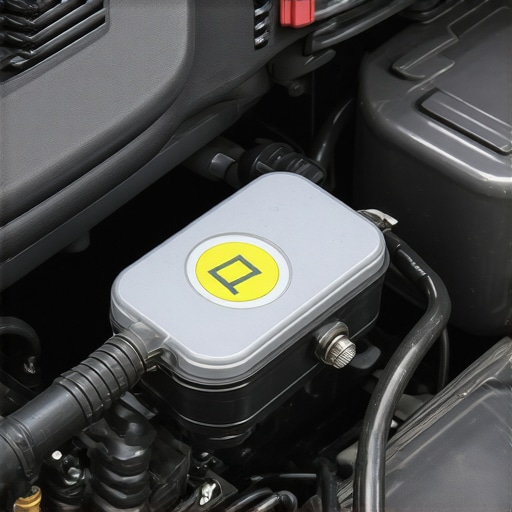
Before diving into complex diagnostics, check all accessible fluids. Open your hood and examine the transmission fluid. If it’s dark, smelling for a sweet, syrup-like odor, that’s a sign it might be breaking down due to overheating or contamination. Use gloves and a clean cloth to wipe the dipstick, then compare the fluid’s color and smell to new transmission fluid. If it smells sweet or burnt, prioritize a transmission fluid change.
Use the Proper Tools for Fluid Testing
Invest in a high-quality digital thermometer and a UV flashlight if possible. Warm up your engine to normal operating temperature, then carefully check the transmission fluid temperature. An abnormally high temperature signifies engine overheating, which can cause the fluid to decompose, releasing that signature sweet smell. If you’re unsure how to gauge this, consider consulting a professional ASE certified technician—knowing the tools and proper procedures can prevent costly errors.
Drain and Replace the Transmission Fluid
Regular oil changes are vital; they prevent buildup that can cause overheating and fluid breakdown. Drain the old fluid entirely, replacing it with the manufacturer-recommended transmission fluid. Follow the procedures outlined in your vehicle’s service manual or seek expert guidance. Using the right type of oil, such as high zinc formulations for certain models, can ensure smooth shifts and prevent slippage. For best results, schedule a full transmission fluid flush every 30,000 to 60,000 miles—this practice reduces the risk of future odors and mechanical issues.
Inspect Transmission Components for Damage
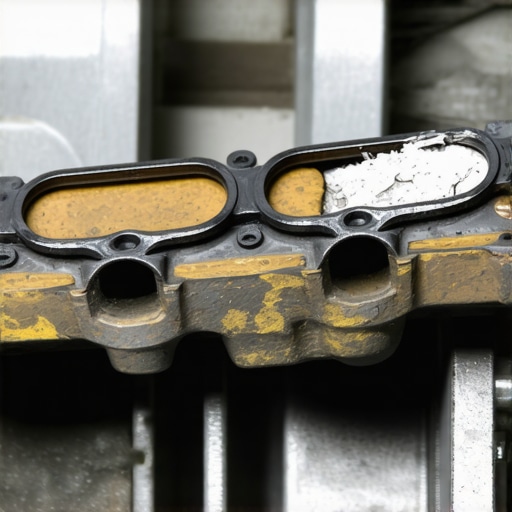
Look for signs of wear or damage on transmission seals, gaskets, and filters. A faulty seal can allow fluid leaks that lead to overheating, while a clogged filter hampers fluid flow, causing excessive heat. To check the filter, you’ll need to remove the transmission pan—this is a task best performed by a qualified mechanic to avoid contamination. If any parts appear degraded or burnt, replacing them can eliminate the source of the sweet smell and improve transmission performance.
Assess Engine and Cooling System
Overheated engines dramatically impact transmission temperatures. Check your radiator and cooling fan operation—blocked or failing cooling fans don’t effectively dissipate heat. Topping off coolant levels with the correct mix reduces engine and transmission overheating risks. If coolant levels are low or the system shows signs of leaks, locate and repair leaks promptly. For precise diagnostics and repairs, visit a trusted service provider who can ensure your cooling system functions optimally, preventing future sugar-like odors from developing.
Schedule a Professional Diagnostic if Necessary
If the smell persists despite fluid service and component checks, it’s time for a comprehensive diagnosis by a trained technician. Advanced diagnostics can uncover underlying issues like faulty transmission solenoids or internal failures causing excessive heat and breakdown. A certified expert can also perform a detailed inspection of the entire transmission system, looking for hidden damage that might not be visible during a routine check, ensuring your vehicle returns to its best state without surprises down the road.
Many car owners believe they understand transmission care, but there’s more beneath the surface. A prevalent misconception is that regular oil changes are the only key to transmission longevity, yet advanced issues like internal wear or faulty solenoids often go unnoticed until symptoms worsen. One critical nuance is that not all service providers are equally qualified; choosing a mechanic based solely on price can lead to overlooked problems, especially if they aren’t ASE certified, which is a hallmark of a highly trained technician. As highlighted on [expert insights](https://autofixclinic.com/what-does-an-ase-certification-mean-for-your-cars-maintenance), ASE certification ensures the technician has passed rigorous testing, confirming their expertise in complex diagnostics. \n\nAnother myth involves the assumption that a sealed transmission system requires no service; in reality, some sealed units can benefit from fluid exchanges to prevent sludge buildup, as shown in recent automotive studies. Failing to perform timely oil changes based on manufacturer recommendations, especially for high-mileage vehicles, can cause transmission slippage and even total failure. Be cautious of “lifetime” fluid claims, which often mislead consumers into neglecting essential maintenance. Regular, expert-recommended oil changes—like the ones discussed in [top oil change tips](https://autofixclinic.com/top-oil-change-tips-for-safe-driving-in-2025)—don’t just keep your engine healthy but are vital for the transmission’s lifespan.\n\nA common trap is trusting quick-lube services that lack the necessary equipment or expertise to perform comprehensive transmission diagnostics. This oversight can lead to undetected issues, such as worn-out clutches or damaged bands, that only worsen over time. So, how do you avoid these pitfalls? Opt for certified technicians who follow manufacturer guidelines and utilize proper diagnostic tools, ensuring every component receives appropriate attention. Remember, an ASE-certified professional isn’t just a credential—they’re a safeguard against costly repairs.\n\nDo you suspect that your current mechanic might be cutting corners or that your vehicle’s transmission issues are more severe than they seem? If so, it’s wise to schedule a thorough inspection with a trusted expert. Investing in quality service now can save you thousands later, especially if it extends the life of your transmission and maintains optimal vehicle performance. For more tips on choosing the right car service, visit our [comprehensive guide](https://autofixclinic.com/choosing-the-right-car-service-for-your-vehicles-needs).\n\nRemember, understanding the proper maintenance nuances and trusting certified professionals makes a difference—don’t let myths cost you more than necessary. Have you ever fallen into this trap? Let me know in the comments.
Mastering Your Car’s Longevity with the Right Tools
Maintaining your vehicle’s transmission and oil system isn’t just about stopping leaks or changing fluids; it requires the right equipment and a disciplined approach. Personally, I rely on a high-quality digital infrared thermometer to monitor fluid temperatures during routine checks. This tool helps me quickly identify overheating issues, preventing costly damage. For example, consistently elevated transmission temps often indicate internal wear, which a simple inspection can catch early. Using a UV flashlight in conjunction allows me to spot leaks or contaminated fluids at a glance.
Chemical Testing Kits
Supervised by a professional, I use chemical testing kits to analyze oil and transmission fluid for contamination or breakdown. These kits provide immediate insights into the health of your fluids, letting you decide whether a flush or partial drain is needed. Incorporating such diagnostics into your maintenance routine can extend the life of critical components and help you avoid premature failures.
Implementing a Scheduled Maintenance System
To keep everything running smoothly, I recommend integrating data-driven scheduling software like Fleetio or my personal favorite, RepairPal’s maintenance tracker. These platforms help you log service intervals, track fluid changes, and set reminders for ASE-certified inspections—ensuring nothing slips through the cracks. By staying disciplined with scheduled oil and transmission fluid replacements, you preserve long-term reliability and save money. For tips on choosing the right service provider, review our guide on [selecting a trustworthy car service](https://autofixclinic.com/choosing-the-right-car-service-for-your-vehicles-needs).
Driving Trends to Watch
Looking ahead, the adoption of smart diagnostic tools integrated with AI will revolutionize vehicle maintenance. Imagine real-time alerts about transmission fluid degradation or cooling system issues sent directly to your smartphone. Investing in these technologies now, like OBD-II scanners with advanced software, prepares you for a future where car care is more intuitive and less reactive.
How do I maintain transmission health over time?
Consistent monitoring and proactive fluid management are key. Regularly schedule transmission oil changes using manufacturer-approved high-zinc formulations, especially if your vehicle is ASE certified or engineered for high performance. Employ diagnostic tools to detect early signs of wear, and don’t forget to inspect seals and filters regularly. These small but crucial steps significantly enhance your vehicle’s resilience, keeping it reliable and smooth for years to come.
Remember, investing in quality tools and disciplined maintenance routines now will pay dividends in the long run, reducing unexpected breakdowns and extending your car’s lifespan. Want to see a real difference? Try implementing a diagnostic check with an infrared thermometer during your next oil change, and watch how much quicker you can spot potential issues early. For further guidance, don’t hesitate to contact us through [our support page](https://autofixclinic.com/contact-us). Your car deserves the best — equip yourself accordingly and enjoy trouble-free driving for miles ahead.
Lessons Car Owners Overlook About Transmission Care That Could Save You Thousands
One of the biggest lightbulb moments I had was realizing how often I ignored subtle signs like strange odors, believing they were minor quirks instead of warnings. Over time, I learned that a sweet, syrup-like smell wasn’t just an oddity but a signal that my transmission or cooling system needed attention—a revelation that transformed my approach to vehicle maintenance. Now, I proactively listen to these cues, understanding that early intervention keeps my car running smoothly and prevents costly repairs.
Tools and tricks I rely on to keep my transmission in top shape
Investing in diagnostic tools such as infrared thermometers and chemical testing kits has been a game changer. They help me detect overheating or fluid breakdown before bigger issues arise. Scheduling regular maintenance with professional-grade software like RepairPal’s maintenance tracker ensures I stay ahead of potential problems, extending my vehicle’s lifespan. For anyone serious about vehicle longevity, building your toolkit and routine is an investment that pays off in reliability and peace of mind.
Take decisive action—your vehicle’s future depends on it
Don’t let that sweet smell become a costly surprise. Use the insights shared here—regular fluid checks, professional diagnostics, and proactive maintenance—to keep your transmission healthy. Remember, your car’s health mirrors your attentiveness; taking small steps now avoids big repairs later. Start today, and enjoy the confidence that comes with knowing you’re in control of your vehicle’s well-being.