How to tell if your shock absorbers are worn out without any leaks
Ever since I first started driving my trusty old sedan, I thought shocks needed to leak fluid to be bad. But one day, after hitting a rough patch, I felt my car bouncing like a boat on choppy seas. That’s when I realized — shocks can wear out silently, without any visible leaks. That lightbulb moment changed everything for me, and I want to share what I learned.
**Why It’s Critical to Spot Worn Shock Absorbers Early**
Understanding the Silent Dangers of Worn Shocks
Engineers and experts agree: worn shocks don’t always show off with puddles or leaks. Instead, they quietly diminish your ride quality, compromise safety, and accelerate other suspension parts’ wear. One study highlights that poor shock absorber condition can double your stopping distance on wet roads, risking your safety and yours too. So, how do you tell if your shocks are worn out before disaster strikes?
Have you ever experienced your car feeling less stable, wobbling over bumps, or bouncing excessively even when feeling confident on the road? If so, don’t dismiss these signs—they’re often the first whispers of suspension trouble. Good shocks are crucial for maintaining control, comfort, and tire longevity. Besides, replacing shocks proactively can save you money in the long run by preventing more costly repairs.
**The Biggest Skepticism: Are Visual Checks Enough?**
Can You Truly Gauge Shock Wear Without Leaks?
Many folks, including myself early on, mistakenly thought leaks were the only way to identify bad shocks. I once ignored my bouncing ride, thinking my shocks were still good because they looked fine. Turns out, this is a common mistake. Modern shocks can be worn out internally without a single drop of fluid escaping, especially since many are designed to prevent leaks as a primary feature.
To really get a sense of your shocks’ health, you need to look beyond the surface. Techniques such as pushing down firmly on each corner of the vehicle and observing the rebound, or listening for knocking noises, can reveal hidden issues. Alternatively, a professional inspection can assess components like bushings and internal damping mechanisms that aren’t visible to the naked eye.
If you’ve faced similar doubts or unsure whether your shocks are in good shape, you’re not alone. And I promise, understanding these signs will empower you to make smarter choices, keeping your vehicle safe and comfortable. Stay tuned—I’ll walk you through practical steps to check your shocks yourself, and how to know when it’s time for a professional inspection. And remember, regular maintenance isn’t just about comfort — it’s a vital part of safe driving.
Perform a Basic Firmness Test
Turn on your engine and park on a flat surface. Push down firmly on one corner of your vehicle, then release quickly. Observe how many times it bounces. Ideally, it should settle immediately after the first rebound. I once tested my car after a long trip; to my surprise, it kept bouncing, signaling worn shocks. This simple step can reveal internal wear without visual leaks.
Listen for Unusual Noises
Drive slowly over uneven terrain or speed bumps and listen carefully. Clunking or knocking sounds often indicate loose or damaged shock components. I noticed a faint knocking during a casual drive, which prompted me to inspect further. These sounds are subtle but telling signs of suspension issues that require immediate attention.
Check for Excessive Body Roll
Take a gentle corner at a moderate speed. If your vehicle leans significantly or feels less stable, your shocks might be failing. I experienced this during a sharp turn, feeling my car sway more than usual. Such body roll compromises handling and safety, making it crucial to evaluate shocks regularly.
Inspect for Physical Damage and Corrosion
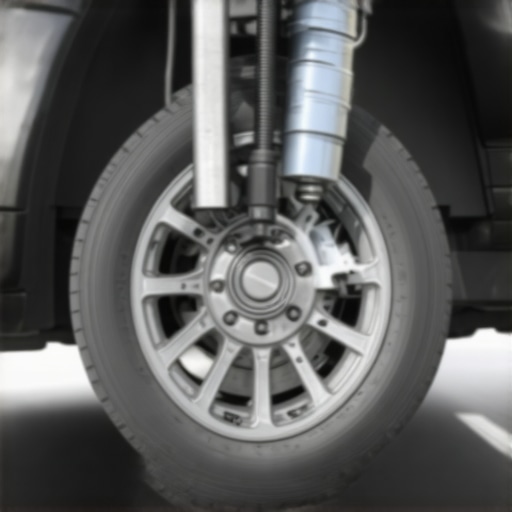
Park your car and visually examine the shocks and struts for dents, rust, or oil leaks. Even if no fluid leaks are visible, internal wear can still be present. I once noticed rust near the shock mount, which over time led to a complete suspension rebuild. Regular visual checks help catch issues before they escalate.
Know When to Seek Professional Help
If your tests indicate potential problems—persistent bouncing, knocking noises, excessive body roll—schedule a professional inspection. Certified mechanics can perform more detailed assessments, including measuring shock damping force. Remember, ASE-certified technicians have the expertise to diagnose and recommend precise repairs.
Maintain Your Shocks for Longevity
Even if your shocks seem fine, consider periodic checkups, especially if you frequently drive on rough roads or carry heavy loads. Regular maintenance, including inspecting bushings and mounts, can extend their lifespan. Don’t forget that suspension health impacts overall vehicle safety and comfort.
< }Many car owners assume that sticking strictly to the basics like regular oil changes suffices for vehicle longevity, but the truth runs much deeper. One prevalent misconception is that an ASE certification guarantees flawless service, yet experts highlight that even certified mechanics can overlook nuanced issues unless they have specialized training or experience. For instance, a mechanic might replace your oil without inspecting transmission fluid or checking for hidden leaks, which could lead to costly repairs down the line. Dive into the details and discover why understanding the subtleties of service is crucial for your vehicle’s health.
Another common myth involves oil changes. Many believe that using synthetic oil is always better, but in reality, choosing the right oil depends on your driving habits, climate, and car manufacturer recommendations. Check out [top oil change tips for safe driving in 2025](https://autofixclinic.com/top-oil-change-tips-for-safe-driving-in-2025) to make an informed decision. Moreover, drivers often overlook the importance of transmission maintenance beyond fluid replacement—an area where many get caught unprepared. Regular transmission checks, including testing for internal wear, can prevent unexpected failures. For expert insights, see [transmission troubleshooting tips](https://autofixclinic.com/transmission-troubles-expert-insights-for-smooth-shifting).
Why is it, then, that so many miss these crucial nuances? Sometimes, it’s a trap set by common advice that oversimplifies vehicle care. For example, the misconception that a car only needs attention when warning lights appear can be disastrous. Modern cars have sensors designed to detect issues early, but only if the owner understands the signs beyond simple visual checks. Internal issues like subtle transmission slipping or complex coolant leaks may show no external symptoms but can cause significant damage.
Recognizing these advanced pitfalls is essential. Taking your vehicle for a comprehensive diagnostic at a reputable shop, rather than just a quick oil change, can save you thousands in repairs. Always refer to what the experts or [ASE-certified technicians](https://autofixclinic.com/what-does-an-ase-certification-mean-for-your-cars-maintenance) recommend. For example, routine transmission fluid flushing isn’t just about the fluid; it involves inspecting seals, internal components, and electronic controls—an area where many amateurs falter.
The key takeaway? Don’t fall into the trap of complacency. Vehicle maintenance requires a nuanced understanding that goes beyond routine tasks. If you’re unsure, consulting professionals who follow the latest standards ensures your investment lasts. Take control of your vehicle’s health by educating yourself about these hidden nuances, and remember, regular detailed inspections can uncover issues before they become critical. Have you ever fallen into this trap? Let me know in the comments.Maintaining your vehicle’s transmission, oil system, and overall health requires the right tools and a strategic approach. Over the years, I’ve developed a set of trusted equipment and software that help me catch issues early and keep my car running smoothly. One of my top choices is a high-quality digital scan tool, like the Autel MaxiSys, which provides immediate diagnostic codes directly from my smartphone or laptop. This device allows me to quickly identify potential transmission or engine problems without relying solely on visual inspection, saving me time and money.
For oil changes, I rely on a professional-grade oil extractor pump that enables me to replace oil through the fill hole rather than draining from underneath. This tool minimizes mess and allows for quick, clean changes, especially beneficial in tight garage spaces. I personally prefer synthetic oils advised by my vehicle’s manufacturer—this approach, combined with a reliable oil filter such as Wix or Purolator, maximizes long-term engine health. Regular oil analysis, performed by services like Blackstone Laboratories, helps me monitor oil condition and predict when a change is truly due, preventing unnecessary oil drainings and ensuring optimal lubrication.
Beyond individual tools, I utilize scheduling software specifically designed for car fleets, like Fleetio, which tracks maintenance intervals, oil change dates, transmission service, and ASE certifications of mechanics. This software helps me plan ahead, reducing unplanned breakdowns and maintaining a detailed service history, which is invaluable when selling or trading vehicles. I also consult the ASE certification database to verify service providers and ensure my vehicle receives expert attention from qualified technicians who understand the nuances of transmission diagnostics and fluid performance, especially in modern CVT or dual-clutch transmissions.
The future of car maintenance is trending toward smarter diagnostics and predictive analytics. Advanced telematics devices and AI-powered systems will soon enable sensors to alert owners about transmission wear or impending fluid degradation before symptoms even appear. This proactive approach shifts the focus from reactive repairs to preventative care, which extends vehicle lifespan and reduces long-term costs.
How do I keep my car running smoothly over time?
Adopting a holistic maintenance strategy is key. Regularly scheduled oil changes using high-quality synthetic fluids, paired with diagnostic scans to catch issues early, can save thousands in repairs. Maintaining a detailed service log with tools like Fleetio simplifies this process. Remember, staying ahead of potential problems—like transmission fluid breakdown or internal wear—can dramatically improve your vehicle’s longevity. Try incorporating an oil analysis service this year; it’s a game changer for understanding your engine’s health before problems escalate. For expert guidance, consulting ASE-certified technicians ensures your maintenance aligns with the latest industry standards and best practices. Want to take your vehicle’s longevity to the next level? Visit our contact page to get personalized advice or schedule a professional inspection.Throughout my experience with car maintenance, I’ve uncovered lessons that go beyond the surface—insights that can save you time, money, and frustration. One key realization was that not all warning signs are obvious; internal wear can silently sabotage your ride without any puddles or leaks, emphasizing the importance of proactive inspections. I learned that trusting certifications alone isn’t enough—consistent education and a keen eye for subtle cues make all the difference. Another lightbulb moment was understanding how essential quality tools and diagnostic technology are for accurate assessments, enabling me to catch issues early before they escalate into costly repairs. Embracing these truths transformed my approach, empowering me to maintain my vehicle’s health with confidence and prevent avoidable failures. So, if you want to keep your car running smoothly, remember: the smallest signs often carry the biggest lessons, and taking action today can safeguard your driving experience for years to come.