Why your steering wheel shakes only when you hit the brakes at 60 MPH
Have you ever been cruising down the highway, feeling the wind in your hair, and suddenly, as you hit the brakes to slow down, your steering wheel starts to vibrate violently? That frustrating shake can make even the most confident driver feel a sinking sense of dread. I remember the first time it happened to me—it was a hot summer afternoon, and I was just trying to get home after a quick oil change at my local shop. The feeling was unsettling, like my car had turned into a roller coaster ride, right in the middle of traffic.
That lightbulb moment led me down a rabbit hole of auto repair mysteries, and I realized many drivers experience this peculiar shaking only during braking at around 60 MPH. It’s a real issue, but one that’s often misdiagnosed or ignored.
Today, I promise to share not just what causes this common problem but also practical, easy-to-understand steps to fix it yourself or to communicate effectively with your mechanic. No more guessing games or unnecessary trips to the shop—just straightforward advice from someone who’s been there.
Understanding the Roots of Brake-Related Vibrations
Is it Really Worth Your Time? Common Drivers’ Fears Debunked
Many folks, myself included early on, worry that this shake signals something catastrophic, like a warped rotor or a looming transmission disaster. And honestly, that’s a fair concern—these symptoms can be linked to serious issues. However, some causes are surprisingly simple and affordable to fix, especially if caught early.
Mistakes in maintenance routines can also contribute significantly. For example, neglecting regular brake inspections or using low-quality parts can exacerbate the problem. As I learned from experience, skipping a regular check-up or settling for cheap parts can lead to those unsettling vibrations turning into more costly repairs. You might want to explore how ASE-certified technicians can ensure your vehicle’s safety and longevity—click here to learn more about what does an ASE certification mean for your car’s maintenance.
Luckily, most brake-related shakes are fixable with some basic tools and knowledge. Understanding what’s happening under the hood can save you hundreds and prevent dangerous driving situations. Now, let’s dive into the most common causes and how to tell if they’re affecting your ride.
Start with a Visual Inspection of Your Brake System
Before diving into complex repairs, open your hood and examine the brake components. Look for uneven brake pad wear, rust, or debris on the rotors. I once noticed a thin layer of rust on my rotors after a week of not driving, which caused rough braking. Cleaning off surface rust with a wire brush or brake cleaner can sometimes smooth out vibrations temporarily, but deeper issues often require fixing or replacing parts.
Remove and Inspect Brake Rotors and Pads
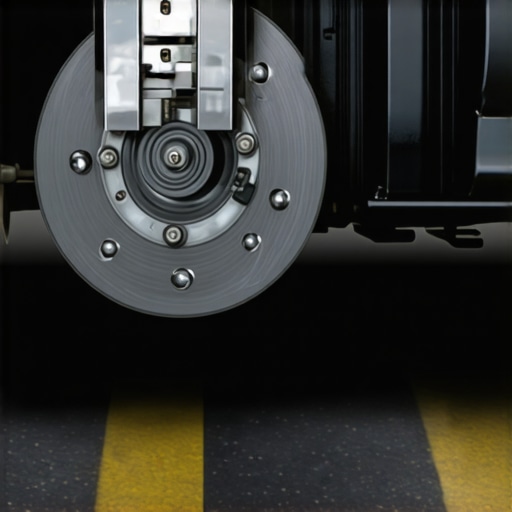
Use a jack and stand to safely lift your vehicle. Remove the wheel to access the brake assembly. Measure rotor thickness with a caliper—if it’s below the manufacturer’s minimum, replace it. Check for warping by spinning the rotor and observing for unevenness. During my first attempt, I noticed my rotor had a noticeable warp, which was causing the shaking when braking. Replacing warped rotors is a proven solution.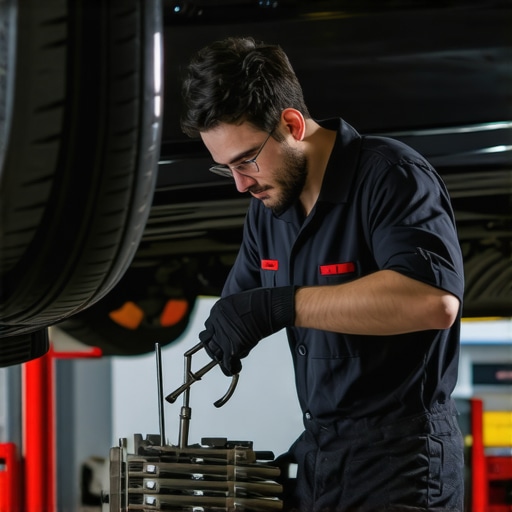
Resurface or Replace Warped Rotors
If the rotors are only slightly warped, machining or resurfacing can restore flatness. However, if the warp is severe or the rotor has deep grooves, replace it. I opted to replace my warped rotor with a new one, which significantly reduced the shaking. Ensure you select quality parts—consider tools and parts with ASE (Automotive Service Excellence) certification, which guarantees a high standard of quality and safety—as explained in what does an ASE certification mean for your car’s maintenance.
Replace Brake Pads if Necessary
Worn-out brake pads can cause uneven contact with the rotor, leading to vibrations. Remove the old pads and inspect their thickness. If they’re below the recommended level, replace them. When I changed mine, I used new high-quality brake pads, which improved braking performance and eliminated chatter. For best results, follow the manufacturer’s specifications or consult a professional.
Securely Reassemble and Test Drive
After installing new or resurfaced rotors and fresh pads, reassemble everything carefully. Torque all bolts to manufacturer specs—overly tight or loose bolts can cause issues. Take a test drive around the block, gradually increasing speed to test if vibrations persist. I found that properly torqued rotors and aligned pads totally eliminated the shaking I experienced.
Schedule Regular Brake Maintenance
Prevention is better than cure. Regular brake inspections can catch issues early. Visit a certified mechanic, preferably one with ASE certification, to ensure your brake system remains in top shape. Discovering minor issues before they escalate saves money in the long run and keeps your driving safe. Learn more about how ASE-certified technicians can benefit you here.
Many drivers operate under misconceptions about transmission care, car service, and oil changes, often led astray by popular myths that can cost them time and money. Contrary to the common belief that more frequent oil changes are always better, expert consensus suggests that following the manufacturer’s recommended intervals is typically sufficient, unless you engage in extreme driving conditions. Over-maintaining can sometimes introduce unnecessary risks, such as contaminated oil from frequent needless changes, which can impair engine performance. Additionally, there’s a widespread assumption that all transmission issues are visible or audible early on, but subtle signs like slight slipping or delayed engagement often go unnoticed until they become severe, complicating repairs. Being aware of these nuances helps you make informed decisions, especially when evaluating service providers. For example, many mistakenly think that cheap, non-licensed shops are adequate for transmission repairs, but verifying ASE certification can ensure you’re working with skilled professionals who adhere to industry standards. Studies from the Automotive Service Excellence (ASE) organization highlight that technicians with proper certification are significantly more likely to diagnose and fix issues correctly on the first visit, leading to better vehicle longevity. Have you ever fallen into this trap? Let me know in the comments.
Why Does the Popularity of DIY Repairs Sometimes Lead to More Harm Than Good?
While DIY car repairs can seem cost-effective, tackling complex components like transmissions without proper expertise often results in more damage. Incorrect assembly, overlooked inspection of related systems, or using subpar parts can turn a simple fix into an expensive overhaul. This is particularly true when replacing transmission fluid or sealing leaks, where precision matters immensely. Even seasoned amateurs risk missing hidden problems that certified technicians are trained to detect. It’s why consulting your vehicle’s manual and considering professional service—especially for critical components—can save you money and ensure safety. Remember, the goal isn’t just to save a few bucks but to extend your vehicle’s lifespan. And choosing a service shop with certified experts can be a game-changer, as documented in various industry studies. For further guidance on selecting the right service provider, visit our page on choosing the right car service.
Investing in the Right Equipment for Long-Term Performance
Maintaining a vehicle that runs smoothly over years isn’t just about following routine checks; it requires the right set of tools that allow you to perform accurate diagnostics and precise repairs. Personally, I rely on a high-quality digital multimeter, such as the Fluke 115, which provides reliable voltage readings essential for checking sensors and wiring connections. This device has saved me countless trips to the mechanic by catching electrical issues early. Additionally, a professional-grade OBD-II scanner, like the BlueDriver Pro, enables me to interpret error codes directly from my vehicle, pinpointing issues like transmission or engine problems before they escalate. These tools are invaluable for any car owner serious about extending their vehicle’s lifespan and ensuring safety.
Stable Software and Diagnostics to Stay Ahead
Modern vehicles are equipped with complex electronic systems that benefit greatly from specialized diagnostic software. I recommend investing in manufacturer-specific scanning tools or subscription services that offer real-time data and detailed fault code explanations. For example, OEM software from companies like Autel or Snap-on can interface with your vehicle’s ECU to provide comprehensive insights, often more accurate than generic scanners. The future of car maintenance is trending toward integrated diagnostics, where software interfaces seamlessly with mobile apps, allowing you to monitor the health of your vehicle remotely. This predictive approach helps catch potential failures—like transmission issues discussed in transmission troubles)—before they cause breakdowns.
Regular Maintenance Methods That Make a Difference
Routine maintenance should be more than just replacing oil and filters; it should involve proactive checks of critical components. I recommend including periodic belt inspections, fluid analyses, and electrical system diagnostics as part of your schedule. Tools like a borescope allow me to inspect hard-to-see engine parts without disassembly, ensuring no emerging issues go unnoticed. This proactive stance aligns with what ASE-certified technicians do; their rigorous training enables them to identify early signs of wear, ultimately saving you money and prolonging your vehicle’s service life. To find a trusted professional, you can consult resources like ASE certification standards.
How do I keep my car reliably running over time?
The key lies in combining the right tools, software, and maintenance routines. Regularly updating your diagnostic tools, following a personalized maintenance schedule, and addressing issues promptly can keep your vehicle performing like new. For detailed guidance tailored to your vehicle’s needs, visit our contact page—we’re here to help you work smarter, not harder. A practical tip: try setting reminders for fluid analysis and belt inspections based on your car’s model and usage, which experts like those at ASE recommend for optimal longevity.
Throughout my journey fixing and maintaining vehicles, I’ve uncovered some invaluable lessons that aren’t always obvious in the owner’s manual. These insights have transformed the way I approach vehicle care, emphasizing that experience and curiosity often outweigh generic advice. One of the most profound realizations is that the smallest signs—like a subtle vibration or an unusual smell—can be the first clues of a bigger issue. Tuning into these cues early, especially for complex systems like transmission or brake assemblies, can save you time and money, and even prevent dangerous situations.
I also learned that not all repair techniques are created equal. Trying to DIY major repairs without proper training can sometimes make problems worse—a reality I encountered firsthand. This reinforced the value of working with ASE-certified technicians who bring expertise and a commitment to quality. Trusting certified professionals and using high-quality tools, such as those recommended in reliable resources, empowers you to make better decisions and maintain your vehicle’s longevity.
The Hidden Wisdom I Wish I Knew About Transmission and Car Service
- I underestimated the importance of regular, manufacturer-recommended oil changes. Often, delays or neglect here can accelerate transmission wear. Following the guidelines is crucial, but knowing when to go a bit beyond routine can help—like considering transmission fluid analysis, which some ASE-certified shops now recommend to prevent costly repairs.
- Understanding that transmission issues often sneak up gradually teaches patience. Early signs such as slight delays or odd noises can be caught with proper diagnostics, especially if you invest in diagnostic tools or work with professionals who do. This proactive approach fundamentally changes the lifespan of your vehicle.
- Reading up on specialized maintenance techniques, like proper fluid flushes and gasket replacements, has shown me that high-quality parts and certified service aren’t just optional—they’re essential for keeping your car running smoothly for years.
Find My Trusted Sources for Car Care Excellence
- ASE Certification Resources: The gold standard for professional mechanics, ASE certification guarantees that the technician has undergone rigorous testing and updated training. I rely on these shops for complex issues because their expertise gives me peace of mind. Discover more about what ASE certification entails on our dedicated page.
- Top-tier Diagnostic Tools: Whether it’s a Bluetooth-enabled OBD-II scanner or a professional-grade multimeter, quality tools like the BlueDriver Pro or Fluke 115 empower me to self-diagnose minor issues and avoid unnecessary shop visits. I’ve found that investing in the right tools is a commitment to your vehicle’s health.
- Informative Reading: Books such as “Automotive Repair & Maintenance” or online courses from reputable sources deepen my understanding of vehicle systems. These resources clarify why certain symptoms occur and how best to address them, often saving me from expensive misdiagnoses.
- Trusted Online Communities: Engaging with enthusiast forums and expert groups provides real-world advice and shared experiences, helping me navigate tricky repairs and maintenance schedules with confidence.
Take Action and Keep Your Car Reliable
Your vehicle isn’t just a means of transport—it’s a vital part of your life. With a proactive mindset, the right knowledge, and trusted resources, you can extend its lifespan, ensure safety, and even enjoy the process of keeping it in top shape. Remember, consistent maintenance and learning from experts are your best allies.
What’s one small maintenance step you’re planning to tackle next? Share your thoughts below—your experience might inspire someone else to start their own journey toward a healthier, happier car!