Why Your Car’s AC Blows Cold Then Slowly Turns Warm
Ever been caught on a scorching summer day, cranking down your car windows only to realize your air conditioner isn’t playing fair? One day, it blows freezing cold air that makes you thankful, but the next—it’s like a warm breeze pretending to be AC. I remember the first time this happened to me; I was halfway through a road trip, and suddenly, my car’s AC went from icy blast to barely cool in just a few minutes. It was frustrating, confusing, and I felt helpless trying to figure out what was wrong. That experience was a lightbulb moment, pushing me to dig deeper into why this common issue occurs and, more importantly, how to fix it.
Understanding the Weird Fluctuation in Your Car’s AC
When your car’s AC blows cold then slowly turns warm, it’s often a sign that something isn’t quite right. Nearly every mechanic and car expert will tell you that this isn’t just a minor glitch—it’s a red flag. The most common culprit is the refrigerant level, which tends to leak over time. When the refrigerant isn’t enough, the AC can’t maintain a consistent cool temperature, causing it to start strong and then fade away. But it’s not always that simple; other issues like clogged condensers, failing fans, or faulty thermostats can contribute to the problem. Early on, I made the mistake of ignoring a minor leak in the system, thinking a quick recharge would fix it. That was a mistake—neglect only worsened the problem over time, leading to more costly repairs. For comprehensive guidance, you might want to check how regular maintenance like oil changes can help extend your vehicle’s lifespan, including your AC system, by visiting this resource.
Is an AC that cools then warms up worth fixing?
This is a question I often hear from drivers hesitant to spend on repairs. My advice? It’s almost always worth diagnosing and fixing early before the system fails completely. Ignoring the problem can lead to compressor damage or complete system failure, which is far more expensive. Plus, a reliable AC isn’t just about comfort; it’s about safety—you need clear visibility and a cool environment for concentration. Interestingly, studies show that a well-maintained AC system can improve fuel efficiency and engine lifespan, as it reduces strain on the engine. So it’s not just a luxury; it’s a necessity. Before you jump in, make sure you’re not making common mistakes—like neglecting to check the refrigerant levels or ignoring strange noises. For an in-depth look, learn how a certified ASE technician approaches these diagnostics by visiting this page.
Inspect the Refrigerant Levels
Start by checking the refrigerant pressure with a manifold gauge set. I once had a moment of panic when I noticed my AC’s cold blast turned warm mid-drive. Using a gauge, I discovered my system was severely low on refrigerant. To fix this, connect the gauge to the service port, and if the pressure is below specifications, proceed to add refrigerant through a professional or a DIY kit. Remember, handling refrigerants requires caution—it’s best to consult an ASE certified mechanic if you’re unsure.
Test for Leaks and Seal Them
Leaks are common culprits behind refrigerant loss. I learned this the hard way after a misdiagnosis led to wasted recharges. Using a UV dye and a UV flashlight, I tracked down green glow around the compressor seal. Applying a sealant or replacing faulty valves and hoses seals leaks effectively. For persistent leaks or complex issues, visiting this contact page ensures expert diagnosis.
Clean or Replace the Condenser
A clogged condenser hampers heat exchange, causing cooling issues. I once found my condenser blocked with bugs and dirt, which I cleaned with compressed air and a soft brush. If cleaning doesn’t improve airflow, it might be time to replace it. A well-maintained condenser maintains a proper cycle, preventing fluctuations in AC cooling. Proper airflow ensures your compressor doesn’t work overtime, extending its lifespan.
Check the Blower Fan and Its Relay
The blower fan distributes cooled air throughout your vehicle. I replaced a failing fan relay that caused inconsistent airflow, resulting in periodic warm air. To diagnose, listen for irregular fan sounds or check the fan operation in different speed settings. Replacing a faulty relay or fan motor restores proper airflow, saving you from discomfort during drives.
Examine the Thermostat and Pressure Switch
The thermostat controls the compressor clutch engagement. I once noticed my AC engaging and disengaging unpredictably, which I traced to a faulty pressure switch. Replacing this switch is straightforward for those comfortable with car electronics, but professionals can ensure correct calibration. This step prevents short cycling, maintaining consistent cooling performance.
Schedule Regular Maintenance and Monitor System Health
Preventative care reduces sudden AC failures. I started scheduling seasonal inspections, including refrigerant checks, as recommended in this guide. Regular service not only enhances comfort but also saves money by catching issues early. If you’re unsure about maintenance procedures, visiting an ASE certified shop guarantees quality work.
Consider Upgrading Components
Sometimes, older parts like the compressor or expansion valve become inefficient. I opted to replace my compressor after noticing persistent fluctuations, which significantly improved cooling stability. Upgrades might involve higher upfront costs but can restore or enhance your AC’s performance, ensuring consistent comfort on hot days.
Seek Expert Help When Necessary
Complex issues like compressor failures or intricate leaks are best handled by professionals. I once attempted a DIY fix that backfired, leading me to visit this contact us page for ASE-certified technicians. Their expertise ensures the problem is diagnosed accurately, and repairs are performed safely, avoiding further damage and expense.
Many car owners believe that all maintenance practices are fairly straightforward, but the truth is, there’s a nuanced layer that often goes unnoticed. For instance, common misconceptions about transmission care can lead drivers to overlook subtle signs of trouble, risking costly repairs. It’s a myth that transmission fluid replacement is unnecessary unless there’s a problem; in reality, regular transmission service, especially with an ASE-certified technician, can prevent slippage and costly failures. Likewise, many assume that ASE certification guarantees a mechanic’s competence—while it indicates a certain level of expertise, it doesn’t guarantee proficiency in every niche. Therefore, choosing the right shop for your vehicle’s specific needs, such as expert transmission diagnostics or precise oil changes, is vital. A prevalent mistake is neglecting the importance of quality oil; inferior oil can accelerate engine wear and undermine your vehicle’s longevity. Advanced drivers know that understanding the specifics—like synthetic versus conventional oils and their suitability for your car model—can make a significant difference. Research shows that scheduled oil changes with the proper type of oil can maintain optimal engine health, as outlined by experts in automotive maintenance. Have you ever fallen into this trap? Let me know in the comments. Remember, trusting a reputable, certified shop, and staying informed about your vehicle’s needs, is the best way to ensure longevity and performance.
Keeping your vehicle in top shape requires more than just basic knowledge; it demands the right tools and methods to diagnose, maintain, and scale your efforts over time. As a seasoned car enthusiast, I prioritize specific equipment that enhances accuracy and efficiency. One indispensable tool is a high-quality digital manifold gauge set. Unlike analog gauges that can be imprecise over hours of use, a digital set offers quick, clear readings on refrigerant pressure, enabling me to detect leaks early and recharge the system correctly. I personally recommend models from Testo or Robinair, which I have used for years due to their durability and precision.
Why I Trust These Tools
When working with HVAC systems in vehicles, precision is crucial. A calibrated digital manifold ensures I’ve accurately measured refrigerant levels, preventing overcharging, which can lead to damage or inefficient cooling. For example, the Testo 557s has consistently helped me troubleshoot AC issues swiftly and effectively, saving time and money.
Software for Long-Term Monitoring
Embracing technology extends beyond hardware. I utilize automotive diagnostic software like AutoEnginuity or OBDLink that seamlessly integrates with my smartphone or tablet. These apps provide real-time data, error code readings, and freeze-frame data that help me identify underlying issues that aren’t immediately obvious. Regularly updating the ECU software ensures compatibility with newer vehicle models and improves diagnostic accuracy. As the industry shifts towards predictive maintenance, integrating these tools into your routine offers long-term benefits.
How do I maintain Tools over time?
Proper calibration and storage are essential. I recommend checking calibration annually and keeping tools in climate-controlled environments to prevent corrosion or damage. Cleaning sensors and connectors after each use prolongs their lifespan. Investing in reliable cases prevents physical damage, especially for sensitive electronic equipment. The future trends point towards smart tools with IoT capabilities that automatically sync data and alert you when calibration is off, making maintenance more proactive and less reactive.
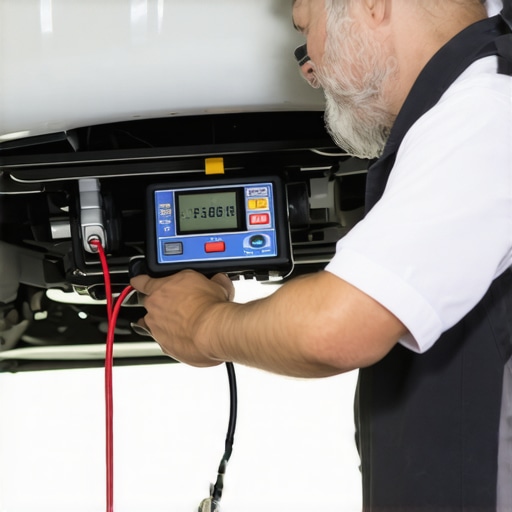
Photo of a digital manifold gauge set in use during car AC service, showing clear digital readings for precise diagnosis.
Incorporating these specific tools and methods will not only streamline your maintenance routines but also improve the longevity and performance of your vehicle. For example, regularly checking refrigerant levels with a top-tier digital manifold can prevent costly compressor failures down the line. Don’t hesitate to try out these advanced diagnostics—your car will thank you! For expert assistance, always consider consulting an ASE-certified technician through this contact page. Stay ahead of potential issues by adopting precise tools and proactive maintenance strategies — the future of vehicle care is leaning heavily on technology, and now is the perfect time to get on board.
Lessons From the Trenches of Transmission Troubles
One of the most eye-opening lessons I learned was that a seemingly minor issue like delayed shifting can be a sign of deeper transmission problems. Ignoring these signs only worsened the situation, leading to costly repairs. Trusting my gut and consulting with an ASE-certified technician saved me from a full transmission rebuild. This experience reinforced the importance of listening to your vehicle’s subtle cues and the value of regular, expert maintenance as highlighted in this guide.
Why Not All Car Service Is Created Equal
I used to think that all ASE certification guaranteed top-tier service, but I realized there’s a spectrum. Seeking a mechanic with hands-on experience in transmission repairs and oil system diagnostics made a huge difference. Investing in quality service, like choosing a shop that emphasizes preventive care, kept my vehicle running smoothly. For more insights, check this resource.
My Eye-Opener About Regular Oil Changes
The moment I experienced engine knocking under stress, I knew my oil hadn’t been changed according to schedule. Since then, I discovered that regular oil changes, especially with the correct synthetic blend, are the backbone of transmission health. It’s a simple step with profound benefits, reducing wear and preventing sludge buildup, as detailed in this article. Never underestimate the power of routine maintenance—your engine will thank you for it.
The Future of Maintaining Your Car’s Heart and Joints
Looking ahead, integration of smart tools and diagnostic apps will revolutionize how we maintain vehicles. Using advanced smartphone-compatible code readers and monitoring software can alert you to impending transmission or oil issues before they escalate. I encourage embracing these tech tools, like the ones listed in this thoughtful collection, to stay ahead of the curve. A proactive approach today guarantees smoother driving tomorrow.
Never Settle for Less Than the Best for Your Vehicle
Don’t wait for a breakdown to act. Regularly scheduled checkups, honest diagnostics, and trusting certified professionals set the foundation for a long-lasting, efficient vehicle. Remember, your car reflects the care you give it. So ask yourself: are you ready to treat your transmission and oil system to the attention they deserve? Your journey to reliable driving starts now. Have you ever postponed a crucial oil change or transmission inspection? Share your story below—I’d love to hear your experiences.