The Reason Your Tires Are Wearing on the Inner Edge Only
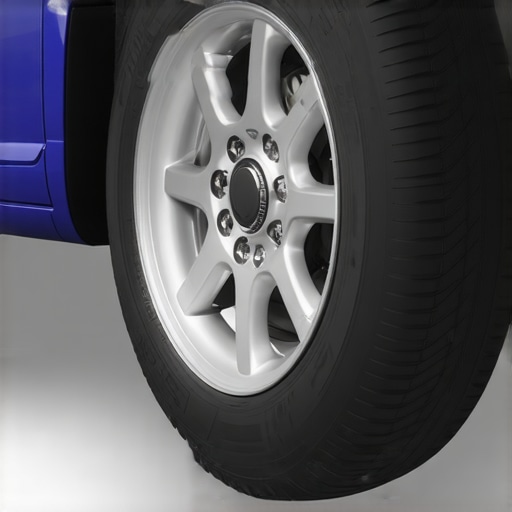
There I was, cruising down the highway, feeling good about the new tires I just had installed. Suddenly, I notice a strange wobble, and when I glance at my front wheels, I see it—inner edges worn slick, almost bald, while the rest of the tire looks barely used. It hit me like a ton of bricks: I had been driving with misaligned wheels, unknowingly causing uneven tire wear that could lead to costly damage or even a blowout. That lightbulb moment made me realize I wasn’t alone—many car owners face this frustrating issue, but few understand what’s really behind it or how to fix it. And honestly, ignoring it could put your safety and wallet at risk.
What Makes Tires Wear on the Inner Edge Only?
This pattern of inner-edge wear is more common than you might think. It’s often a sign of wheel alignment problems, specifically *camber misalignment*, where the wheels tilt inward excessively. When the camber angle is off, the tire’s contact patch with the road becomes uneven, especially on the inner side, leading to accelerated wear in that area.
But it’s not just alignment; suspension issues, worn-out ball joints, or even incorrect tire pressure can contribute. Early on, I made the mistake of prioritizing quick fixes, like just rotating my tires or ignoring the problem altogether, which only made things worse. That taught me an important lesson: addressing the root cause is essential to prevent premature tire replacement and ensure safe driving.
Is Proper Alignment Really Worth the Hype?
Absolutely. I used to think alignment was just a fancy service, but after experiencing uneven wear firsthand, I learned that proper alignment extends tire life, improves handling, and even saves fuel. The problem is, many drivers neglect to get their wheels checked regularly, thinking it’s an unnecessary expense. However, neglecting alignment can lead to uneven tire wear, like on my own experience, costing hundreds more in the long run. For specific signs and what to watch out for, check out this detailed guide on choosing the right car service.
So, if you’ve noticed your steering pulling to one side or uneven tire wear, it’s a good idea to get your wheel alignment checked. Will it fix your inner-edge wear? It will-and more importantly, it will keep you safe.
This brief overview sets the stage for understanding how to identify, troubleshoot, and fix tire wear issues effectively. Ready to dive into practical solutions? Stay tuned for some simple steps that can save you money and headaches down the road.
,
Check Your Tire Pressure Regularly
Start by inspecting the tire pressure using a reliable gauge—don’t rely on the dashboard. I once discovered my front tires were underinflated by 10 PSI, which was causing uneven inner-edge wear. Filling them to the recommended pressure immediately halted the wear progression. Consistently maintaining proper tire pressure ensures even contact with the road and prevents premature inner-edge wear.
Perform a Visual Suspension Inspection
Next, examine suspension components for damage or wear—look for cracked bushings or leaking shocks. I once noticed a worn ball joint while doing a quick visual check, which was causing slight misalignment and inner tire wear. Replacing worn suspension parts restored proper wheel positioning and extended tire life.
Get a Professional Wheel Alignment
Schedule an alignment service with a certified mechanic—preferably an ASE-certified technician. I booked an appointment with a trusted shop after noticing my steering pulled to one side. During the service, the tech adjusted the camber angle to factory specifications, aligning my wheels precisely. This step is crucial because misaligned wheels tilt inward, causing inner-edge wear. Learn more about what ASE certification means for your car’s maintenance.
Choose the Right Service Provider
Ensure you select a reputable auto shop—do your research and read reviews. I recommend visiting a location that emphasizes proper diagnostics and employs ASE-certified technicians. For guidance in selecting the best service, visit this guide on choosing the right car service.
Schedule Regular Maintenance Checks
Set reminders to have your alignment and suspension inspected at least once a year or every 12,000 miles. Regular checks catch issues early, preventing costly tire replacements. I made a habit of marking my calendar after each oil change, which also prompted me to review tire health and suspension status—this proactive approach saved me hundreds in repair costs.
Be Mindful of Road Conditions
Avoid potholes, rough terrain, and curbs whenever possible. Hitting a pothole caused a minor misalignment in my vehicle, leading to noticeable inner tire wear over the next few months. Driving cautiously over uneven surfaces preserves alignment and suspension integrity.
Replace Worn Tires Promptly
If your tires show signs of uneven wear—especially on the inner edge—replace them promptly. Continuing to drive on worn tires compromises safety and can damage the rims or suspension. Remember, proper tire maintenance includes regular rotations—every 5,000 to 7,500 miles—to promote even wear and prolong tire life.
Many car owners believe that an ASE certification automatically guarantees expert-level service, but that’s a common misconception. In reality, the certification indicates that a technician has passed standardized tests, but it doesn’t necessarily mean they’re experienced with your specific vehicle or the latest technology. Relying solely on ASE status can be a trap, especially if you’re not asking the right questions or understanding what advanced issues like transmission problems really entail. For example, not all ASE-certified mechanics specialize in transmissions, so for complex shifting issues, consulting a specialist familiar with your car’s make and model is crucial.
Are ASE Certifications Really Enough for Complex Repairs?
Not entirely. Certification verifies technical knowledge but doesn’t replace hands-on experience or familiarity with particular vehicle systems. Understanding what ASE certification entails helps you distinguish between basic competency and outstanding expertise. For instance, when addressing stubborn transmission slipping or delicate oil change procedures involving high-mileage engines, a technician’s specific experience often trumps certification alone.
Misdiagnosing transmission issues, for example, is a common pitfall. Many think a fluid flush will fix all shifting problems, but sometimes the root cause is an internal component wearing out, which requires more advanced diagnostics and repair. Expert insights on transmission troubleshooting emphasize the importance of accurate diagnosis before proceeding with repairs.
Moreover, there’s a crucial nuance about routine maintenance like oil changes. Many overlook that using the correct oil type, or knowing when to perform a flush rather than a simple top-up, can profoundly extend engine life. The significance of proper oil maintenance becomes evident only after deep understanding of your vehicle’s engine design and operating conditions.
Picking the Right Service Provider is Critical
While ASE is a good starting point, selecting a reputable auto shop with transparent diagnostics and Advanced Technician status ensures quality service. Guidelines on choosing the right car service help you avoid common pitfalls like unnecessary repairs or subpar work that can worsen your vehicle’s condition. Be cautious of the ‘quick fix’ mindset; advanced problems often require a nuanced approach beyond basic certification.
Are you aware of the hidden nuances that can make or break your car’s health? Don’t fall into the trap of thinking certifications alone are enough. Know your vehicle, ask detailed questions, and seek specialists for complex issues. Have you ever fallen into this trap? Let me know in the comments!
Investing in Reliable Tools for Long-Term Car Care
Maintaining your vehicle’s transmission, oil system, and overall health requires more than just knowledge; it demands the right tools. I personally rely on a high-quality digital torque wrench to ensure that components like the oil drain plug or transmission bolts are tightened to manufacturer specifications. This prevents over-torquing, which can cause damage and lead to costly repairs. Additionally, a digital code reader has become indispensable for quickly diagnosing check engine lights associated with transmission or oil pressure issues. These tools save me time and money by catching problems early and ensuring precise repairs.
For example, using an infrared thermometer helps monitor cooling system temperature, ensuring the engine stays within optimal operating ranges. Keeping a hydraulic brake bleeding kit on hand simplifies maintaining brake system efficiency, which is crucial when dealing with older vehicles or after clutch repairs. Investing in quality tools might seem costly upfront but pays off by extending the lifespan of systems like the transmission and oil assemblies.
Streamlining Maintenance with Modern Software
Modern car maintenance heavily benefits from specialized software. I recommend a fleet management platform such as FleetDash which provides real-time diagnostics, scheduled maintenance alerts, and history tracking. This software alerts me ahead of time when oil changes or transmission fluid replacements are due based on your vehicle’s actual usage, not just mileage. As a result, I can prevent long-term issues that could require expensive repairs or transmission overhauls.
Using these tools effectively depends on understanding their capabilities. Regularly updating your software and calibrating your diagnostic tools ensures accuracy. For example, consistently checking your transmission fluid temperature with a dedicated thermometer can ward off overheating issues that cause slipping or rough shifting. As technology advances, integrating AI-driven diagnostics will make predictive maintenance more accessible and precise, ultimately driving down repair costs and duration.
How do I keep these systems working smoothly over time?
Maintaining your transmission, oil system, and associated components requires a proactive approach. Regularly inspecting and cleaning filters, like the transmission fluid filter, prevents dirt buildup that hampers fluid flow. Using specialized software to schedule and record maintenance keeps you on track, avoiding overlooked services. Moreover, employing precise tools such as a digital torque wrench or infrared thermometer ensures repairs and checks are performed within specifications, reducing the risk of damage from over-tightening or overheating.
For instance, ensuring proper oil change intervals—guided by your vehicle’s specific needs instead of generic mileage—can be effectively managed through these digital platforms. Remember, consistent monitoring and early interventions are key. As transmission experts advise, early detection of anomalies can mitigate major failures.
Why not try calibrating your transmission inspection tools this week? It’s a simple step that can prevent long-term issues and save you significant money in repairs. For more detailed guidance on tools and maintenance routines, visit this resource.
The Hardest Lesson I Learned About ASE certified,car service,transmission,oil change
One of the most eye-opening experiences I faced was realizing that superficial fixes often mask deeper issues. I once ignored persistent transmission slipping, thinking a simple oil change would suffice. That mistake taught me that true car care requires understanding the nuances—like how a worn transmission solenoid can hide behind a perfect-sounding oil change. It’s these lightbulb moments that transformed my approach from reactive to proactive, emphasizing the importance of thorough diagnostics and ongoing education.
3 Myths About ASE certified,car service,transmission,oil change That Held Me Back
For years, I believed that ASE certification guaranteed expert repairs, which led me to overlook specialized technicians for complex problems. I also thought regular oil changes alone could solve all engine performance issues, ignoring the need for specific transmission diagnostics or suspension checks. Debunking these myths revealed that certifications are a foundation, but experience and continual learning are key to genuine vehicle health.
What Experts Won’t Tell You About ASE certified,car service,transmission,oil change
Many seasoned mechanics will admit that relying solely on certifications without embracing technological advances or specialized training can be a trap. For instance, modern transmissions require sophisticated diagnostic tools that not every ASE-certified tech may handle confidently. Recognizing this helped me seek out shops that prioritize ongoing education and invest in advanced equipment—saving me money and preventing unnecessary repairs. For deeper insights, I recommend exploring what ASE certification truly entails.
My Essential Toolkit for Reliable Car Maintenance
Over time, I discovered that the right tools make all the difference. A high-quality digital torque wrench ensures that components like transmission bolts are tightened correctly, preventing damage. An infrared thermometer helps me monitor engine temperatures to prevent overheating, especially during long drives or towing. These tools have become invaluable, making DIY maintenance safer and more effective. When selecting tools, I trust brands with proven accuracy and durability, such as Snap-on or Tekton, because they deliver consistent results and help me understand my vehicle better.
Where to Go from Here
If you’re serious about keeping your vehicle in top shape, focus on building a routine that combines education, proper tools, and trusted service providers. Regular inspections of your transmission, engine, and suspension—guided by insights from reliable auto shops—can save you thousands in the long run. Don’t hesitate to invest time and resources into understanding your car’s unique needs; it’s the best way to ensure safety, performance, and peace of mind. Your car is more than just a machine—it’s a trusted companion on your journey, and caring for it thoughtfully makes all the difference.