Why Your Modern Engine Needs a Carbon Clean Every Year
It hit me one morning, stuck in traffic, when my engine suddenly sputtered and lost power. That familiar hesitation, the rough idle — I had ignored the warning signs for too long. As I glanced at my dashboard, I realized how easy it is to overlook the silent buildup happening inside my engine. Later, I did some homework and learned about carbon deposits and how they can quietly cripple engine performance, even in modern vehicles that seem perfectly fine on the surface.
The Hidden Culprit: Carbon Buildup in Your Engine
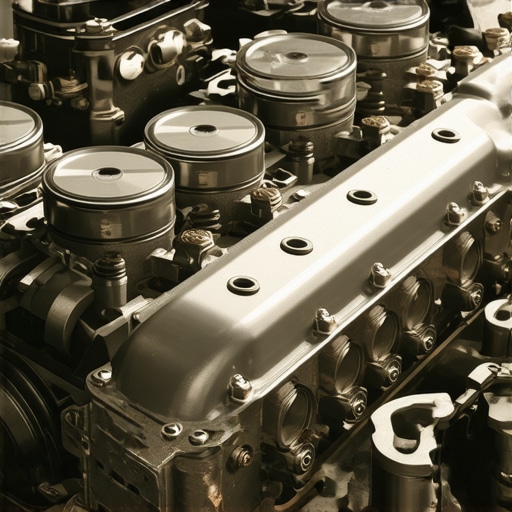
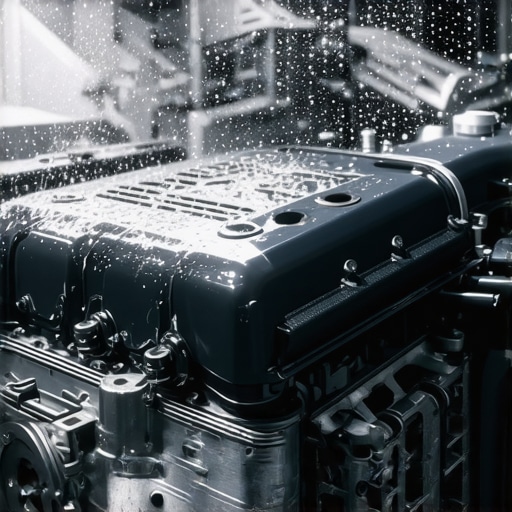
Modern engines are marvels of engineering, designed to run cleaner and more efficiently than ever before. But ironically, this very design can lead to a sneaky problem: carbon deposits accumulating over time. These deposits are like tiny bits of grime that form on engine parts, especially around valves and combustion chambers. When these deposits thicken, they restrict airflow and combustion efficiency, leading to decreased power, higher fuel consumption, and even engine knocking.
Many owners, including myself early on, make the mistake of thinking regular oil changes and tune-ups are enough. However, carbon buildup doesn’t always show up on the surface. It silently chips away at your engine’s health and performance, often in ways that are not immediately obvious. Regularly cleaning out these deposits with a professional carbon cleaning service can keep your engine running smoothly — more than just a luxury, it’s a practical necessity.
Did you know that according to a study by the Society of Automotive Engineers, carbon deposits can reduce engine efficiency by up to 20% over time? That’s a significant hit to your vehicle’s performance and longevity, especially considering how much you rely on your car daily.
If you’re like me, you probably want your car to perform reliably without costly repairs or frequent visits to the mechanic. That’s why I decided to learn more about the importance of a yearly carbon clean and how it can prevent bigger issues down the road. It’s not just about keeping your engine clean; it’s about maintaining your peace of mind and saving money in the long run.
So, if you’ve ever experienced a sudden loss of power, rough idling, or hesitation — even in a **state-of-the-art modern engine** — it might be time to consider a carbon clean. Next, let’s dive into how this simple service can make a big difference in your vehicle’s health and the steps to keep your engine in top shape for years to come.
Prepare Your Vehicle and Gather Tools
First, ensure your engine is cool to prevent burns. Park on a flat surface and disconnect the negative battery terminal to avoid electrical issues. You’ll need a fuel system cleaner, a socket set, screwdrivers, and possibly a vacuum or compressed air. Remember, safety always comes first; wear gloves and goggles. I once attempted this in my driveway, getting grease on my hands but successfully cleaned the intake valves.
Access the Intake Manifold and Throttle Body
Locate the air intake components. Remove the air filter housing using the socket set, exposing the throttle body and intake manifold. Use a screwdriver to loosen clamps. This step requires patience; I stripped a screw once, but a rubber-band trick helped me loosen it without damage.  oil changes and ASE-certified services, complements this effort to keep your engine clean and efficient.Many car owners assume that passing an ASE certification guarantees reliable service, but in my experience, it’s only one piece of the puzzle. An ASE badge indicates a mechanic had to meet certain standards, but it doesn’t mean they always deliver exceptional quality or honest advice. Relying solely on this certification can lead you into a false sense of security, especially if you’re unaware of nuanced differences among service providers.
Are Certifications Enough to Guarantee Superior Service?
Beyond certifications, understanding the specifics of transmission repairs, oil changes, and overall vehicle maintenance is crucial. For example, not all oil changes are created equal; using the wrong type of oil or neglecting a thorough fluid inspection can cause long-term damage. Similarly, transmission work involves many subtleties—misdiagnosing a problem or applying a quick fix may temporarily solve the issue but could lead to costly repairs later. Don’t be tempted by superficial guarantees—ask detailed questions about the service process and parts used.
One common myth is that synthetic oil always beats conventional oil, but in reality, the choice depends on your vehicle’s model, driving conditions, and manufacturer’s recommendations. Blindly insisting on synthetic oils without understanding your car’s needs can be wasteful. Check out expert tips for oil change accuracy.
Another pitfall is the assumption that all car services are the same across shops. There’s a significant difference between quick-lube centers and full-service garages. The latter usually provide comprehensive diagnostics, including thorough inspections of transmission, coolant, and brake systems. Skimping on detailed inspections may save money short-term but costs more in the long run.
Be wary of places offering suspiciously low prices or promising quick fixes without diagnostic testing. Effective repair requires a methodical approach—something that only experienced, conscientious technicians can provide. For comprehensive vehicle maintenance insights, explore how to choose the right car service for your needs.
Advanced vehicle maintenance also involves understanding when to perform proactive repairs versus reactive fixes. For example, ignoring irregular transmission behavior can lead to complete failure, but many owners overlook early warning signs. Recognizing these subtle cues and trusting qualified, ASE-certified professionals can prevent costly breakdowns.
Have you ever fallen into this trap? Let me know in the comments. Remember, the key to long-term vehicle health isn’t just about certifications but understanding the nuances of proper maintenance. Regularly educate yourself on technical specifics and choose service providers who prioritize transparency and thorough diagnostics, not just quick fixes.
Maintaining your vehicle’s reliability over the years requires more than just instinct — it demands the right tools and a strategic approach. One of my go-to devices is a high-precision multimeter, which I use to regularly check the health of critical components like the alternator and battery. By measuring voltage and current accurately, I can identify early signs of impending failure before costly breakdowns occur. For instance, monitoring the alternator’s output helps prevent unexpected engine stalls, which are often attributed to faulty charging systems.
Investing in a Good Diagnostic Scanner
Another indispensable tool is a professional-grade OBD-II scanner. Unlike generic code readers, advanced scanners decode complex engine codes and live sensor data, enabling precise diagnostics. I personally rely on the BlueDriver Bluetooth Scanner paired with a smartphone app. This setup allows me to monitor real-time data such as coolant temperature, ignition timing, and transmission fluid temperature. Recognizing these subtle shifts early can significantly extend your car’s lifespan and keep maintenance costs predictable.
Using Software to Track & Schedule Maintenance
Beyond physical tools, I leverage vehicle maintenance software that logs service history and reminds me of upcoming ASE-certified services. Platforms like Carfax or dedicated maintenance apps help keep all information centralized, ensuring I don’t overlook key intervals like [oil changes](https://autofixclinic.com/why-regular-oil-changes-extend-your-cars-lifespan) or [transmission fluid checks](https://autofixclinic.com/why-your-transmission-fluid-temperature-matters-more-than-you-think). These digital records are crucial for diagnosing long-term issues and maintaining records essential for warranty claims or resale value.
Creating a Workshop at Home
For hands-on maintenance, I’ve built a modest garage workspace equipped with a hydraulic lift, torque wrench, and a set of high-quality screwdrivers. Routine tasks like oil changes, replacing spark plugs, or flushing cooling systems are more cost-effective and faster when I do them myself. Regularly performing these tasks solidifies my understanding of my vehicle’s condition and creates opportunities to spot problems early. Plus, acquiring a good torque wrench — recommended by ASE-certified mechanics — ensures bolts are tightened to manufacturer specifications, preventing future issues.
The Future of Car Maintenance Tools
Looking ahead, I expect smarter diagnostics with AI integration to become the norm. Vehicles will increasingly communicate their needs directly to owners and mechanics, reducing guesswork. Imagine an app that predicts transmission failure based on pattern recognition before symptoms appear, guided by data from onboard sensors and historical repair records. Such innovations are poised to make car maintenance more predictive and less reactive.
How do I maintain car tools and systems over time?
Routine calibration of electronic testers and updating diagnostic software are vital for accuracy. Regularly cleaning mechanical tools and replacing worn-out parts prevent inaccuracies in readings that could lead to misdiagnosis. For example, calibration of my multimeter annually ensures that voltage readings remain precise, which is critical when diagnosing subtle electrical issues. I also follow updates from manufacturers and ASE-certified sources to stay current on best practices and new diagnostics techniques. Engaging consistently with these steps guarantees that my tools provide reliable insight and my vehicle remains in top shape.
My Unexpected Truth About ASE Certifications and Genuine Service
One critical lesson I learned is that an ASE certification, while a solid benchmark, isn’t a foolproof guarantee of exceptional service. It provided a foundation, but I discovered that true quality comes from technicians who continuously update their skills and understand the nuances of modern cars. Relying solely on certifications can be misleading; always ask detailed questions and seek shops with a reputation for transparency and expert diagnostics.
The Power of Tools: Beyond the Manual
Equipping myself with a high-quality diagnostic scanner and maintaining a well-organized repair log transformed how I approach vehicle maintenance. These tools empower me to spot potential issues early, saving time and money. For instance, monitoring transmission fluid temperature has helped me prevent overheating during hauling and ensure smooth shifts, reinforcing the importance of proactive care over reactive fixes.
Driving Change with Knowledge and Action
Understanding the mechanics behind car maintenance has ignited a passion to stay current with best practices. Regularly educating myself on topics like oil quality and trans servicing ensures I make informed decisions. Every mile I drive reminds me that owning a vehicle isn’t just about getting from point A to B—it’s about stewardship. Now, I actively seek reliable, ASE-certified shops and invest in my tools to keep my car performing at its best.
Insider Wisdom: Lessons That Changed My Perspective
- Don’t assume that passing an ASE test equates to perfect service; continual learning matters just as much.
- Investing in advanced diagnostic tools has saved me from costly repairs and unnecessary replacements.
- Maintaining a personal maintenance schedule, including regular oil changes like the one detailed here, keeps my vehicle reliable and efficient.
- Listening to my car’s subtle signals, such as a slight roughness or odd smells, has prevented bigger issues.
Tools and Resources That Became My Allies
- The BlueDriver Bluetooth Scanner: Trusted for its reliability and comprehensive data decoding, it helps me diagnose issues with confidence.
- Maintenance Software Apps: Logging service history and reminders keep me on top of all essential intervals, ensuring nothing slips through.
- Guidebooks and Online Forums: Staying connected with the automotive community enhances my understanding and problem-solving skills.
Own Your Journey, Fuel Your Confidence
Embarking on this personal maintenance journey has redefined how I treat my vehicle. With the right mindset, tools, and trusted resources, anyone can extend their car’s lifespan and enjoy safer, smoother drives. Remember, proactive care isn’t just about avoiding breakdowns; it’s about empowering yourself with knowledge and action. So, gear up, stay curious, and take ownership of your vehicle’s health!