Why Your Check Engine Light is Blinking Red
It was one of those mornings. I was running late, coffee in hand, when suddenly, my dashboard flashed a red light I never wanted to see—the Check Engine light, blinking fiercely. My stomach sank. I instantly remembered a close call a few months prior when I ignored a minor warning, only to face an expensive engine repair later. That moment made me realize how many drivers overlook these signals, dismissing them as minor inconvenience or mere dashboard aesthetics. But a blinking red check engine light isn’t a badge of honor or a trivial nuisance—it’s your vehicle’s urgent cry for help. Today, I want to share what I’ve learned from my own missteps and experiences. I’ll guide you through the real reasons your engine light blinks and, more importantly, what you should do immediately when it happens. Because honestly, ignoring it could cost you much more than just a trip to the mechanic.
Recognizing the Urgency: Why a Red Blinking Light Cannot Wait
Many car owners, including myself early in my journey, tend to dismiss the check engine light as just another dashboard warning. Sometimes, it’s blinking gently, which can be a little confusing. But when it blinks red, it signifies an urgent issue—something that needs your immediate attention. Letting such a warning go unnoticed can lead to severe engine damage, unsafe driving conditions, or costly repairs. For example, if your engine is misfiring due to a faulty spark plug or coil, continued driving stresses the engine further, risking complete failure. The more I learned, the more I realized that these lights are not random or decorative; they’re your vehicle’s way of communicating with you. According to automotive experts, ignoring a blinking check engine light can reduce your engine’s lifespan and sometimes even leave you stranded. [Learn more about the importance of regular maintenance and how it prevents such surprises here.](https://autofixclinic.com/why-regular-oil-changes-extend-your-cars-lifespan)
Is My Car Really About to Break Down? Here’s What You Need to Know
I admit, my initial mistake was assuming that a blinking indicator could wait until I had time. Maybe it’s just a loose gas cap or a minor sensor glitch, I thought. But driving with the light blinking is like ignoring a warning on your smoke detector—you’re risking a lot for a quick fix. The problem is, many drivers don’t understand the gravity behind these signals and often postpone repairs. That’s why I want to urge you today: don’t wait. A blinking check engine light is often associated with serious engine misfires or fuel system problems—issues that require prompt professional diagnosis. If you’re unsure about what your warning light truly means, it’s wise to get a thorough check-up by an ASE-certified technician. You can find a trusted shop [here](https://autofixclinic.com/choosing-the-right-car-service-for-your-vehicles-needs). Trust me, the earlier you act, the less the damage and the more you save.
Pinpoint the Problem Instantly
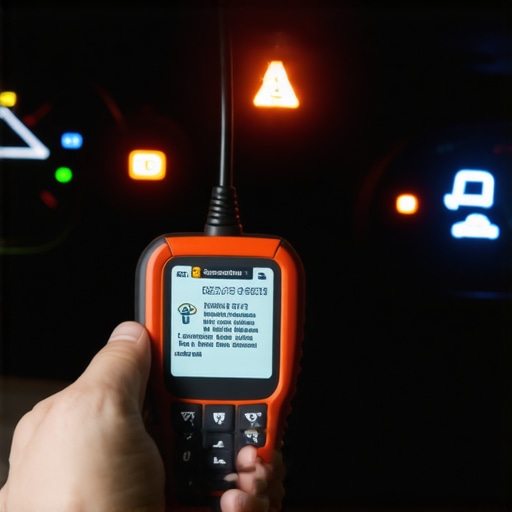
Start by pulling out your vehicle’s Diagnostic Trouble Code (DTC) using an OBD-II scanner, which you can buy or borrow from auto parts stores. This tool reads the error codes stored in your car’s computer and directs you to the specific system malfunction. I once used a basic $30 scanner while stranded in a parking lot; after a quick plug-in, I identified a misfire code, which guided me to a faulty coil—saving me from unnecessary repairs and a tow. Remember, these scanners aren’t just for mechanics—they empower you to understand your vehicle’s health immediately.
Understand When to Seek Professional Help
If the code indicates a serious issue—like engine misfire, transmission fault, or emission control problem—don’t hesitate to visit an ASE-certified technician. Look for shops with certifications like ASE certification. That way, you ensure a qualified professional handles your repairs, especially for complex systems like transmissions (transmission troubleshooting) or the specific oil and fluid services that keep your car running smoothly.
Perform Basic Safety Checks First
Before heading to the shop, conduct simple visual inspections. Check for loose or damaged hoses, fluid leaks, and worn belts. For instance, if your vehicle’s oil appears dark and gritty, it might be time for a fresh oil change (see top oil change tips). A quick check can reveal problems like low fluid levels or frayed belts that you can fix yourself or discuss with your mechanic. Remember, staying proactive prevents escalation of minor issues into expensive failures.
Prioritize Immediate Safety and Fluid Levels
If the red blinking light is accompanied by unusual sounds or vibrations, pull over safely and turn off the engine. Assess vital fluids—oil, coolant, transmission fluid—using the dipstick or reservoir indicators. Low transmission fluid can cause shifting issues and might be remedied with a quick refill (why fluid quality matters). Keep a basic toolkit and labels handy to administer quick top-offs if your levels are off; however, avoid overfilling, which can be just as harmful as running low.
Record and Communicate Your Findings
Document the error codes and what you observed during your inspection. Take photos if possible. When you visit your mechanic, these details help expedite diagnosis and repair. A well-prepared report can mean the difference between an urgent fix and a postponed appointment, saving you time and money. Plus, understanding these signs builds your confidence in managing future vehicle anomalies.
Keep Up with Regular Maintenance
Prevention is better than reaction. Routine services—like oil changes, filter replacements, and timely transmission tune-ups—maintain your vehicle’s health and reduce unexpected warning lights. For example, regular oil changes prevent oil sludge buildup that can trigger engine warnings. Scheduling these services with ASE-certified shops ensures your car stays in optimal condition and minimizes the chances of being caught off guard by blinking lights.
 Many enthusiasts believe that finding an ASE-certified mechanic guarantees top-notch service, but the reality is more nuanced. While ASE certification demonstrates a technician’s knowledge, it doesn’t always reflect actual experience with complex systems like transmissions or specialized oil changes. Recognizing this can save you from costly misdiagnoses or unnecessary repairs. For instance, some shops might display falsely earned certifications or focus on quick fixes rather than comprehensive diagnostics. According to auto industry experts, a technician’s hands-on experience with specific vehicle models and systems often matters more than a badge alone. When it comes to transmission repairs, many assume all auto shops are equally capable, but in truth, some brands or models require technicians trained explicitly on those systems; otherwise, you risk improper fluid choices or incomplete repairs. Be cautious of technicians who push for quick fixes like generic flushes without assessing the underlying issue, especially considering the significant impact of using proper transmission fluid, as discussed in [this detailed guide](https://autofixclinic.com/the-difference-between-a-transmission-flush-and-a-simple-drain-2).
Furthermore, a common myth is that oil changes are merely about replacing old oil. In reality, the type of oil, oil filter quality, and the procedure’s thoroughness impact engine longevity profoundly. Skipping high-quality oil changes or using incorrect fluids can lead to sludge buildup, excessive engine wear, and even catastrophic failure, as highlighted in [this article](https://autofixclinic.com/why-regular-oil-changes-extend-your-cars-lifespan). Bear in mind, not all shops do the same level of diligence; some may cut corners by opting for cheaper filters or missing critical inspections during oil service.
The trap here is relying solely on certifications or generic advice, which might lead you astray. Always seek shops with detailed reviews and proven expertise in specific areas like transmissions or high-performance engines. Don’t hesitate to ask for technical details or request diagnostics tailored to your vehicle’s history. Remember, a true expert will want to understand what’s beneath the surface, not just replace parts or perform routine services without proper assessment.
Have you ever fallen into this trap? Let me know in the comments. Being aware of these hidden nuances helps you make smarter decisions, ensuring your vehicle stays reliable and safe on the road.Maintaining your vehicle over time requires not only knowledge but also the right tools and a strategic approach. Personally, I rely on a high-quality OBD-II scanner like the BlueDriver, which I’ve used since 2018. This device connects seamlessly to my smartphone via Bluetooth, allowing me to read diagnostic trouble codes instantly. Unlike basic scanners, the BlueDriver provides detailed explanations of each code, helping me understand whether I can address minor issues myself or if professional assistance is necessary. Additionally, I use a dedicated automotive multimeter for electrical diagnostics, which has saved me time and money by identifying faulty sensors or wiring issues early. Regularly inspecting and cleaning the sensor connectors with a contact cleaner maintains optimal signal transmission – a preventative measure often overlooked.
To keep transmission systems running smoothly, I employ specialized transmission fluid testers. These allow me to evaluate the fluid’s condition without relying solely on visual cues, ensuring I catch early signs of degradation. As recommended in expert guides, regular fluid analysis, combined with using certified fluids like those recommended by ASE-certified technicians, prolongs transmission lifespan and prevents costly repairs.
In terms of software, I use vehicle-specific diagnostic software like OBDLink, which interfaces with a laptop for deep system analysis, especially when troubleshooting complex issues like transmission or emission controls. These tools help me interpret data from various sensors, making maintenance decisions more informed and precise.
Looking ahead, I believe the evolution of AI integration in diagnostic tools will revolutionize car maintenance. Imagine software that predicts failures before symptoms appear, enabling truly proactive care. This predictive maintenance trend could significantly reduce breakdowns and maintenance costs.
**How do I maintain my car over time?** Regular professional inspections paired with my personal toolkit ensure that issues are identified early, and maintenance is performed before minor problems escalate. The key takeaway is having and understanding how to use the right equipment—not just relying on a mechanic every time, but empowering yourself to act swiftly. For example, mastering the use of a diagnostic scanner like the BlueDriver can reveal hidden issues, saving you from unexpected breakdowns.
Click here to learn more about maintaining transmission health with advanced diagnostic tools, and consider trying your hand at reading your vehicle’s error codes—it could make all the difference in the longevity of your car.
The Hardest Lesson I Learned About ASE certified,transmission,car service,oil change
Early in my automotive journey, I underestimated the importance of truly understanding which shops have qualified technicians. I once trusted a shop solely because of their ASE certification badge, only to find out they lacked hands-on experience with complex transmission systems. That taught me to dig deeper into their expertise and ask specific questions about their familiarity with my vehicle model.
3 Myths About ASE certified,transmission,car service,oil change That Held Me Back
I believed that all ASE-certified technicians could fix any problem instantly, but experience proved otherwise. Not all certifications are equal; some technicians may have certifications but little real-world experience with high-end transmissions or specialty oils. Real competence requires ongoing training and practical knowledge, not just a badge.
What Experts Won’t Tell You About ASE certified,transmission,car service,oil change
Many professionals know that the best car maintenance goes beyond certification. It’s about selecting the right shop with a proven track record for your specific needs—whether it’s a delicate transmission rebuild or a precise oil change. Trust the technicians who stay current with industry advances and use high-quality parts and fluids, like those recommended in our guides on regular oil changes.
My Essential Toolkit for ASE-certified, transmission, car service, oil change
Over time, I’ve built a toolkit that includes an advanced OBD-II scanner, specialized multimeters, and quality transmission fluid testers. These tools empower me to perform quick diagnostics and assess fluid health, preventing small issues from becoming costly repairs. I trust tools like the BlueDriver scanner because they provide detailed explanations that help me decide whether a professional is needed immediately or if I can handle minor fixes myself.
Where to Go from Here
If you’re serious about maintaining your vehicle, start cultivating relationships with shops that prioritize transparency and experience, especially for complex systems like transmissions. Read reviews, check certifications, and don’t hesitate to ask technicians about their recent training or specialties. Remember, proactive care with the right tools and knowledge can save you thousands over your vehicle’s lifespan.
Your Turn to Take Charge
Now that you’ve learned some of my deeper insights into ASE certification and reliable car care, what step will you take first? Will you inspect your current shop, invest in diagnostic tools, or start asking more targeted questions at your next service? Share your plans below—your journey begins with awareness, and I’m here to support you along the way.