How to deal with a blown tire while driving at highway speeds
It was a scorching summer afternoon when my tires decided to betray me in the worst possible way—at 70 miles per hour on the freeway. I felt that gut-wrenching thud as the sidewall blew out, sending my car jolting uncontrollably. Heart pounding, I realized I was unprepared for such a sudden emergency, and that moment became my wake-up call.
Facing the Unexpected: The Reality of Highway Tire Blowouts
A blowout at high speed is one of those driving nightmares that many of us secretly dread. You might think, “It won’t happen to me,” but the truth is, tire failures are more common than you might imagine. According to the NHTSA, tires are responsible for nearly 200,000 crashes annually, many of which could be prevented with proper maintenance and a calm response. My mistake early on was assuming I could handle a blowout without any prior preparation—it was a costly misconception.
Is Panicking Your Best Option When the Rubber Hits the Road?
Trust me, I was tempted to slam on the brakes and panic, but I’ve since learned that such reactions can make things worse. Instead, staying calm and following a few key steps can mean the difference between a safe stop and a disaster. Have you ever faced a similar situation and wondered if you’re doing the right thing in that split second? Well, you’re not alone, and I’m here to share what I’ve mastered through countless lessons and a few close calls.
For a deeper understanding of car safety and maintenance, check out [this insightful article on oil change tips for safe driving in 2025](https://autofixclinic.com/top-oil-change-tips-for-safe-driving-in-2025). Knowing how to keep your vehicle in top shape is the first step to preventing emergencies like a blowout.
Now, let’s get into how you can handle this crisis like a pro, so you’re never caught off guard again—whether it’s that dreaded summer drive or an everyday commute. Stay tuned as I walk you through the practical steps, backed by real experience, that can turn a panic moment into a manageable situation.
Control Your Vehicle Without Panicking
During my first high-speed blowout, my instinct was to slam the brakes, but instead, I kept a firm grip on the steering wheel and gently eased off the accelerator. This approach prevents your vehicle from swerving uncontrollably. To replicate this, practice steering smoothly and avoid sudden movements, especially at highway speeds. Remember, your reaction can make all the difference in maintaining control and ensuring safety.
Safely Navigate to the Shoulder
Once you’ve stabilized the vehicle, look for a safe space to move over. Signal your intentions early and use gentle steering techniques—think of it like guiding a fragile object—you don’t want to jerk suddenly. In my case, I spotted a wide shoulder and gradually steered toward it, avoiding abrupt turns that could cause loss of control. Maintaining a steady speed helps in minimizing the risk of further mishaps during this phase.
Maintain a Steady Speed and Be Prepared to Stop
Keep your vehicle at a manageable speed, ideally between 20-30 mph, and avoid acceleration or deceleration bursts. As I approached the shoulder, I maintained a consistent speed, avoiding sudden brake or gas inputs. This controlled approach gives you enough time to assess the situation and prepare for a safe stop without risking a spin-out or collision.
Bring the Vehicle to a Full Stop Safely
Once on the shoulder, gently apply the brakes to come to a complete stop. I remember easing off the accelerator until I felt the vehicle slow down naturally, then gently pressing the brake pedal. This prevents abrupt movements that can affect vehicle stability. Stay inside the vehicle until it’s safe to exit, especially on busy highways, and turn on your hazard lights immediately to alert other drivers.
Prepare for Assistance
After stopping, gather your essentials—warnings, spare tire, jack, and tools—and ensure you’re in a safe environment before stepping out. For extra safety, consider using reflective triangles or flares. In my experience, having a roadside assistance plan or the contact info handy reduces stress. If you’re unsure about changing the tire yourself, calling professionals through a trusted service like AutoFix Clinic can save you time and prevent further hazards.
Even seasoned car owners often hold misconceptions about vehicle maintenance that can cost them time and money. One common myth is the belief that changing your transmission fluid isn’t crucial unless there’s an obvious problem. In reality, regular transmission service is vital for smooth shifting and longevity, as neglecting it can lead to costly repairs. Experts emphasize that transmission fluid deteriorates over time, losing its lubricating properties and increasing wear on internal components. Regular checks and following manufacturer guidelines, often outlined in the vehicle’s maintenance schedule, can prevent unexpected failures. You can learn more about transmission troubles and how to address them effectively at [transmission troubleshooting insights](https://autofixclinic.com/transmission-troubles-expert-insights-for-smooth-shifting).
Are Synthetic Oils Better Than Conventional?
Many believe that synthetic oils are only necessary for high-performance or luxury vehicles. However, advanced oil formulations provide superior viscosity stability, better fuel efficiency, and enhanced engine protection across all car types. According to a study by the SAE, synthetic oils can extend oil change intervals and reduce engine wear—benefits especially important for those who skip routine maintenance altogether. While synthetic oils may have a higher upfront cost, they often prove more economical over time due to longer-lasting performance. Proper oil changes are a cornerstone of vehicle care, highlighted in [top oil change tips for safe driving in 2025](https://autofixclinic.com/top-oil-change-tips-for-safe-driving-in-2025).
Many drivers fall into the trap of thinking that all car service centers are equally reliable. This is a mistake that can lead to subpar repairs or unnecessary expenses. Certified technicians, especially those with ASE certification, have demonstrated a comprehensive knowledge of vehicle systems. An ASE-certified mechanic understands the nuanced differences between vehicles and can identify early signs of trouble before they escalate into major issues. For more on what ASE certification means and why it matters, visit [this detailed explanation](https://autofixclinic.com/what-does-an-ase-certification-mean-for-your-cars-maintenance).
Are Your Car’s Routine Checks Enough to Prevent Unexpected Breakdowns?
Routine maintenance like oil changes, brake inspections, and tire rotations are essential, but they aren’t always enough. Modern vehicles often contain complex systems that require advanced diagnostics and a keen eye for subtle signs of trouble. For instance, overlooking early transmission problems can lead to sudden shifts or slipping, which are more difficult and costly to fix if detected late. An experienced technician can perform diagnostic tests that reveal hidden issues—tests that go beyond the usual checklist. Regular, expert-driven inspections that adhere to recommended service intervals can save you from surprises on the road. Dive deeper into choosing the right car service tailored for your needs at [this resource](https://autofixclinic.com/choosing-the-right-car-service-for-your-vehicles-needs).
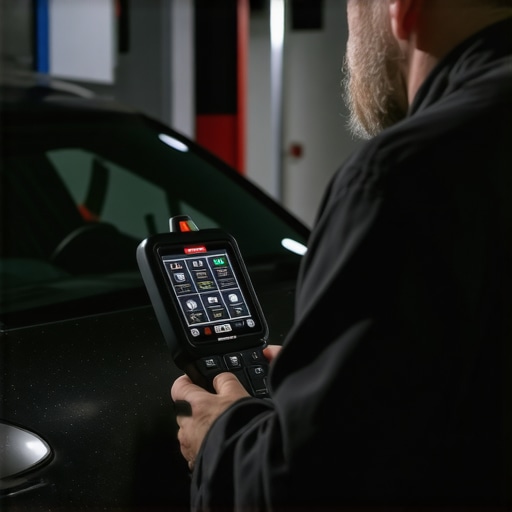
Remember, understanding these hidden nuances and debunking myths empower you to maintain your vehicle proactively rather than reactively. Have you ever fallen into this trap? Let me know in the comments and share your experiences to help others avoid costly mistakes.Maintaining your vehicle’s optimal performance over the long term requires more than just basic checks; it demands the right tools, disciplined routines, and a strategic approach to car care. As an automotive enthusiast and ASE-certified technician, I can attest that investing in quality diagnostic equipment and understanding specific maintenance methods vastly extends your vehicle’s lifespan. For instance, periodic transmission fluid analysis using a digital testing kit can identify early signs of wear before costly repairs become necessary, aligning with insights from professional sources like this detailed guide.In my personal toolkit, a high-quality OBD-II scanner is indispensable. It allows me to monitor engine health, scan for error codes, and even clear them after repairs. Unlike generic code readers, professional-grade scanners provide deep access to live data streams—everything from coolant temperatures to fuel trims—enabling precise diagnostics. As the industry evolves, software updates for these scanners introduce new features, so maintaining the latest versions is essential for staying ahead in vehicle maintenance.
Another crucial aspect involves regular oil analysis. Sending a small sample of used oil to a specialized lab not only confirms whether your oil is still performing but also detects contaminants or metal particles that signal internal engine issues. Trends from such analyses can inform optimal oil change intervals, preventing breakdowns and ensuring smooth operation, in line with advice from this article. Looking ahead, emerging diagnostic tools like wireless sensor networks and AI-driven predictive maintenance are set to revolutionize vehicle upkeep, making proactive care more accessible and precise.
To truly master “keeping it working,” I recommend integrating a systematic maintenance schedule that combines manual inspections with high-tech diagnostics. For example, monthly visual checks of belts, hoses, and brake components should be complemented by quarterly professional diagnostics. Reliable tools, like a digital multimeter and a torque wrench, ensure you’re applying correct specifications during parts replacement, preventing future failures.
Finally, staying current with vehicle service standards and certifications enhances your ability to maintain vehicles efficiently. An ASE certification indicates a technician’s commitment to quality and ongoing education, which directly benefits car owners by ensuring the use of proven methods. Find out more about what this certification entails and why it matters here.
Try implementing a comprehensive maintenance check using your digital tools this month—like performing a transmission fluid test or updating your diagnostic software. These steps aren’t just about fixing problems; they’re about preventing them before they start. Remember, consistent care backed by the right instruments can keep your vehicle dependable for years to come.
What the Road Taught Me About Unexpected Lessons
One of the most powerful insights I gained was that real vehicle care goes far beyond routine oil changes or basic inspections. It’s about embracing the complexities and understanding that every component, from transmission to suspension, has its own story and warning signs. Recognizing subtle changes early is like whispering secrets of your car, guiding you to proactive maintenance rather than reactive fixes.
Tools and Tips That Made a Difference
Investing in quality diagnostic tools, such as a reliable OBD-II scanner, transformed my approach from guesswork to precision. Pairing this with resources like top oil change tips for safe driving helped me develop a comprehensive routine that’s both efficient and effective. These aren’t just gadgets; they’re your allies in extending vehicle lifespan and ensuring safety on every trip.
Fostering a Mindset of Continuous Learning
Never assume your car’s needs are static. Technologies evolve, and so should our knowledge. Redirect your curiosity towards understanding industry standards, like the significance of ASE certification, which guarantees that your mechanic is committed to quality. Continuous education, combined with practical tools, empowers you to make informed decisions and foster a deeper connection with your vehicle.
Making Moving Parts Your Allies, Not Enemies
Think of your car as a trusted partner that communicates in subtle signals. When you heed these signs—unusual sounds, changed driving dynamics, or warning lights—you can prevent costly breakdowns. Reading the signs and acting early transforms maintenance from a chore into a form of vehicle stewardship, keeping you confident on every journey.
Where Your Car Care Journey Could Lead
Imagine a future where your vehicle almost repairs itself, thanks to emerging diagnostic tech and smart maintenance routines. The road ahead is exciting and full of possibilities for those willing to learn and invest in proper care. It’s not just about avoiding breakdowns but about creating a partnership that prolongs your car’s life and safe driving experiences.