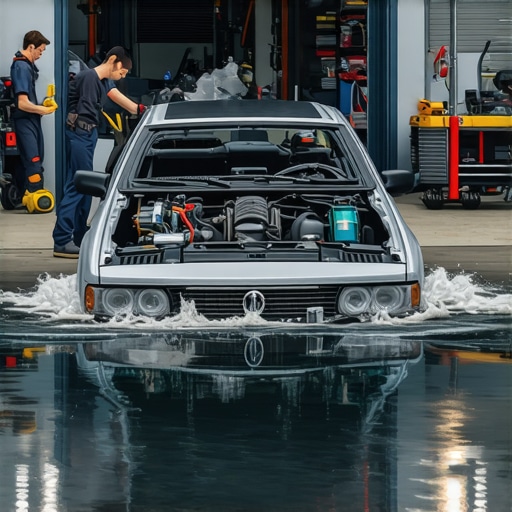
How to Save a Drowned Engine After Driving Through Deep Water
Have you ever thought your car might be a submarine in disguise? I sure did the first time I accidentally drove through a flooded street, only to realize my engine was gulping down water like there was no tomorrow. That sinking feeling in your stomach when the engine stalls and refuses to restart? Yep, I’ve been there. It’s a panic moment for any driver, especially when you’re miles from the nearest repair shop. But here’s the thing: there’s hope, and with a bit of know-how, you can prevent total engine disaster.
Why It’s Crucial to Address a Drowned Engine Quickly
Driving through deep water can be more than just an inconvenience—it can seriously damage your engine, leading to costly repairs. Water that enters the combustion chamber can cause hydrostatic lock, which might bend pistons or ruin valves. Early intervention can make all the difference in salvaging your engine, saving you money, and avoiding extended downtime. I learned this the hard way early in my driving days, making a mistake I want to help you avoid. Ignoring signs of water ingress and attempting to start the engine can push you toward costly replacements, or worse, a total engine rebuild.
Is Draining and Dried Out Repairs Actually Worth It?
Honestly, I was skeptical at first—thinking, ‘Is this just another automotive myth or fluff?’ I remember my own initial mistake: trying to crank the engine immediately after crossing the water without inspecting it first. That only led to more damage. The truth is, quick action is essential. Removing water from the engine and ensuring it’s properly dried out is a step every driver should know. Reliable sources, like automotive experts at [Auto Fix Clinic](https://autofixclinic.com/transmission-troubles-expert-insights-for-smooth-shifting), emphasize that catching water in the engine early can save you from costly repairs down the line.
So, whether you’ve just driven through a puddle that seemed harmless or faced a flooded roadway, understanding what to do next can turn a potential tragedy into a manageable situation. Lucky for you, I’ll walk you through the proven steps to revive a drowned engine, backed by real-world experience and expert advice. Ready to learn how the pros handle this? Let’s dive in.
Disconnect the Battery Immediately
Start by turning off your car and disconnecting the negative terminal of the battery. This prevents electrical short circuits that can cause fires or damage.
Drain the Engine Oil and Transmission Fluid
Using a wrench, remove the sump plug to drain contaminated oil and transmission fluid. Collect the fluids in appropriate containers for disposal or recycling. This step is crucial to prevent water from causing corrosion or further damage during startups.
Remove Spark Plugs and Inspect for Water
Take out the spark plugs; water often collects in the cylinders, hindering combustion. Turn the engine manually using a wrench to feel resistance; if spinning freely, water may be present. Draining water from cylinders is essential to avoid hydrostatic lock, which can bend pistons.
Dry Out the Engine Internally
Replace the oil filter, and consider using compressed air to blow out water from the cylinders and other components. Allow the engine to dry thoroughly; this might take several hours or days depending on water exposure.
Check and Replace Air and Fuel Filters
Water can infiltrate these filters, reducing engine efficiency. Replacing them ensures no residual moisture causes problems.
Refill with Fresh Fluids and Reinstall Spark Plugs
Pour new oil and transmission fluid, ensuring they are of the correct specifications recommended for your vehicle. Reinstall spark plugs, and tighten securely.
Start with Caution and Observe
Reconnect the battery, then attempt a gentle start. Listen for unusual sounds or smoke. Observe oil pressure gauges; if everything seems normal, take the car for a cautious drive.
Monitor and Perform a Complete Inspection
After initial startup, check for leaks, abnormal vibrations, or warning lights. It’s advisable to have an ASE-certified mechanic inspect your vehicle for hidden damages, especially in transmission and internal components. For expert guidance, contact us at Auto Fix Clinic.
When it comes to car service, many drivers think that changing the oil or replacing filters is a simple, routine task. However, this common misconception forgets the nuanced realities that seasoned mechanics understand. For example, most believe that all oil changes are created equal, but in fact, the quality of oil and the technique used significantly impact your engine’s lifespan. Regularly using the wrong type of oil can lead to increased wear and, eventually, costly repairs. In fact, a study by the Society of Automotive Engineers emphasizes that incorrect oil Viscosity specifications can cause engine deposits and reduce fuel efficiency.
What do most drivers get wrong about ASE Certification and transmission repairs?
Many assume that ASE certification guarantees an expert level of service across all vehicle systems, but this isn’t always the case. ASE certification primarily indicates that a technician has passed certain tests and gained experience, but it doesn’t necessarily mark them as the best or most specialized in every area. For transmission repairs especially, vehicles today have complex, computer-controlled systems that require specialized training. Relying solely on certification without considering the technician’s experience with your specific model can lead to incomplete or improper repairs. Furthermore, some misconceptions persist around transmission flushing—many believe a flush is always better than a simple drain-and-fill, but data shows that in certain cases, aggressive flushing can dislodge debris and cause damage, especially in older systems. Proper diagnosis is key; you can learn more about choosing the right service at https://autofixclinic.com/choosing-the-right-car-service-for-your-vehicles-needs.
Common myths and advanced mistakes that trip up car owners
One widespread myth is that higher-priced oils or premium filters automatically mean better protection. In reality, using OEM-recommended products is more beneficial than opting for premium brands with no added value for your specific vehicle. Additionally, many drivers neglect that transmission fluid should be replaced based on manufacturer recommendations and actual driving conditions rather than just mileage alone. Failing to do so can cause fluid breakdown, leading to slippage and gear wear. Another significant oversight is ignoring the importance of exact fluid levels and proper procedures during service. Overfilling or underfilling transmission fluid can have detrimental effects, leading to overheating or inadequate lubrication. Advanced technicians pay close attention to these details, partly because overlooked nuances can appear minor but cause major problems over time. For an in-depth look at transmission maintenance, visit https://autofixclinic.com/transmission-troubles-expert-insights-for-smooth-shifting. Lastly, underestimating the importance of comprehensive diagnostics after any service can mask lurking issues; a vehicle’s computer system may still log errors or suboptimal parameters, pointing to underlying problems that need expert attention.
Maintaining Your Car with Precision Tools
To keep your vehicle running smoothly over the years, investing in quality diagnostic and maintenance tools is crucial. I personally rely on an advanced automotive multimeter, like the Fluke 88V, which provides precise voltage and resistance readings essential for diagnosing electrical issues in modern cars. Pairing this with a professional-grade OBD-II scanner, such as the Autel MaxiCOM MK808, has significantly improved my ability to pinpoint transmission and engine problems early, saving costly repairs and downtime.
For fluid analysis, I recommend a refractometer, which allows you to check oil and transmission fluid quality at home. This helps determine if your fluids are degrading faster than expected, indicating underlying issues before they escalate. I’ve found that regularly monitoring fluid condition with these tools extends the lifespan of vital components and ensures optimal performance.
Leverage Software for Long-Term Results
Advanced diagnostic software, like Mitchell 1 or Alldata, provides comprehensive repair information and service histories. I prefer Mitchell 1 because it offers detailed repair procedures and diagnostic tips, essential for ASE-certified technicians. Using such software helps streamline maintenance schedules and ensures that you’re following manufacturer-specific protocols, especially for transmission service intervals.
Implementing maintenance reminders through these digital tools ensures consistency, preventing neglect that can lead to transmission slippage or engine wear. As vehicle systems become more complex, leveraging software that communicates directly with your car’s ECU becomes indispensable for predictive maintenance.
Where do I keep my tools and how do I organize them?
Storing tools in a dedicated, organized toolbox or wall-mounted rack keeps everything accessible and prevents misplacement. I particularly use labeled drawers for different categories—fluids, electrical test equipment, cleaning supplies—making future maintenance straightforward. Proper organization minimizes time spent during routine checks and facilitates quick diagnostics, ensuring you catch issues early and act proactively.
Scaling Your Maintenance Routine
As your vehicle ages or your fleet grows, scaling your maintenance system is vital. Consider setting up a digital database logging each service, repair, and fluid change. This historical data helps identify patterns, predict future failures, and plan repairs before breakdowns occur. For professional fleets, integrating telematics and remote diagnostics can automate alerts for transmission overheating or fluid degradation, keeping your fleet on the road longer with fewer surprises.
Trend prediction indicates increasing reliance on connected diagnostics and AI-driven predictive maintenance in the next decade, revolutionizing the way we care for cars. Staying ahead involves adopting these technologies alongside traditional tools.
How do I maintain my transmission and engine systems over time?
Consistency is key. Regularly check and change transmission fluid based on your vehicle’s manufacturer recommendations. Use quality oils and fluids—preferably OEM-recommended—to prevent early wear and slippage. Also, employing an ASE-certified mechanic for routine inspections ensures your car gets expert attention; they’ll use specialized tools and insight to keep it performing at its best. Remember, proactive maintenance extends the lifespan of your vehicle and prevents expensive repairs down the line. For more tips on oil and transmission care, visit this resource. Try utilizing a refractometer to assess your fluids regularly—it’s a simple yet powerful step toward automotive excellence and long-term savings.
Lessons Only Mechanics Have Figured Out
One of my biggest lightbulb moments was realizing that not all shop inspections are created equal; trusting a quick visual check over a thorough diagnostic can lead to overlooked issues in transmissions and engines. I also learned the hard way that relying solely on ASE certification isn’t enough—experience with specific models and systems makes the real difference in preventive care. Finally, understanding that quality OEM-recommended oils and fluids prevent early wear pushed me to never skimp during routine maintenance, saving thousands on repairs down the line.
Tools and Resources That Changed My Approach
My go-to reference is this guide on oil change basics, which emphasizes the long-term benefits of proper fluids. For diagnostics, I trust the Autel MaxiCOM MK808 for accurate readings, while a refractometer has been invaluable for home fluid analysis. Advanced repair info via Mitchell 1 software helps me stay ahead with manufacturer-specific procedures, especially for complex transmission servicing. These tools have transformed how I maintain my vehicles and appreciate longer, more reliable performance.
The Drive to Keep Moving Forward
Your car isn’t just a machine; it’s a trusted partner that keeps your life running smoothly. Embracing precise maintenance—powered by the right tools and knowledge—can prolong its life and provide peace of mind. Remember, small steps today—such as regular oil checks and professional transmission care—pay off huge in the future. Dive into your next maintenance with confidence, and don’t hesitate to seek expert advice when in doubt. Your journey to automotive excellence starts now—are you ready to hit the road knowing you’re giving your vehicle the best care possible?