
Why Your Car Smells Like Hot Oil After a Long Drive
Ever finished a long drive and immediately noticed that unmistakable smell of hot oil wafting inside your car? I remember the first time it happened to me—suddenly, the interior smelled like a greasy kitchen, and I couldn’t shake the feeling that something was seriously wrong. That moment of worry led me down a rabbit hole of car maintenance mysteries, and I bet many of you have felt the same way at some point.
Decoding the Hot Oil Smell After Your Drive
It’s a common experience among car owners, especially after those extended trips when your engine runs hotter than usual. That smell isn’t just a bad odor—it’s often a warning sign that something’s not quite right underneath the hood. But what causes this oily aroma to creep inside your cabin, and more importantly, should you ignore it? Today, we’ll uncover the root causes and how to address them effectively, so you can get back to your drives without that lingering worry.
Is Ignoring the Smell Really Dangerous?
Early on, I made the mistake of dismissing this smell as just a minor issue. I thought maybe a small spill or splash of oil was the culprit. Turns out, ignoring it can lead to more serious engine problems, like leaks or overheating—all of which can threaten your vehicle’s health and your safety. Studies show that small oil leaks, if left unchecked, can cause significant engine wear over time. So, it’s crucial not to brush off that oily scent—it’s your car’s way of telling you to take a look.
If this sounds familiar, don’t worry—you’re not alone. Many drivers experience this, but with a bit of knowledge and some routine checks, you can identify the culprit before it turns into a costly repair. Curious about how to do that? Stick with me, and you’ll learn the steps to diagnose and fix the common causes of that hot oil smell after your long drives.
Ready to dive into the practical side? Let’s explore what might be causing that greasy aroma and how you can address it head-on.
,
Check the Oil Level and Quality First
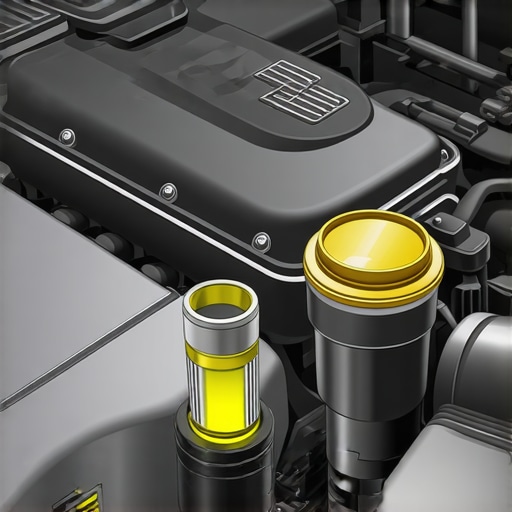
Start by inspecting your engine oil; low levels or dirty oil can cause leaks and odors. Use the dipstick to verify oil levels—if it’s below the minimum mark, top it off with the correct type of oil, referencing top oil change tips. Replace any oil that looks dark and gritty to ensure optimal engine performance. During my own experience, I once added oil without checking its condition, which temporarily masked the smell but didn’t solve the leak, emphasizing the importance of proper oil maintenance.
Identify Visible Oil Leaks and Discoloration
Look for signs of fresh oil spots under your vehicle or around engine components. Use a flashlight to check areas like valve covers, oil pan, and the rear main seal. If you notice leaks, clean the engine with a degreaser, then run the engine to see where fresh oil appears—this helps pinpoint the source. Remember, oil leaks often originate from worn gaskets or seals that need replacing. For complex transmission or engine issues, consulting professional car service can save time and prevent further damage.
Inspect the Engine for Overheating and Oil Residue
Overheating can cause oil to break down and emit a burnt smell. Check the radiator and coolant levels—using coolant health tips—and ensure the cooling fans operate correctly. Additionally, look for burnt oil residues around the exhaust manifold or turbo components, which indicate overheating or oil leaks. If you find these signs, replacing worn components or flushing the cooling system might be necessary. Remember, neglecting overheating can harm your engine, so timely intervention is key.
Perform a Pressure Test to Detect Leaks
Use a pressure tester to assess the integrity of your engine’s seals and gaskets. This method involves pressurizing the system and watching for drops in pressure, which reveal leaks not visible externally. When I performed this test on my car, I discovered a tiny crack in the valve cover gasket that was seeping oil—fixed instantly, and the smell disappeared. This step is especially useful if visual inspections are inconclusive but the odor persists. For intricate issues like transmission leaks, expert diagnostics may be more appropriate—see transmission insights.
Address Oil Leaks and Replace Faulty Seals
Once you’ve identified the source, replace worn gaskets, seals, or damaged oil pans. For example, a leaking valve cover seal can often be replaced in a couple of hours with basic tools, preventing further oil seepage. If you’re unsure about doing repairs yourself, visit professional auto repair shops specialized in ASE-certified maintenance. Replacing these components not only stops the smell but also extends your engine’s lifespan, as regular oil changes help prevent leaks from developing prematurely.
Replace Oil and Perform Routine Maintenance
After repairing leaks, drain the old oil completely and replace it with fresh, manufacturer-approved oil. Don’t forget to replace the oil filter—this step ensures contaminants won’t circulate and cause odors or engine damage. Scheduling regular oil changes based on your vehicle’s mileage helps maintain engine cleanliness and prevents leaks. For tips on safe and effective oil change procedures, read this guide.
Ensure Proper Ventilation and Cabin Air Quality
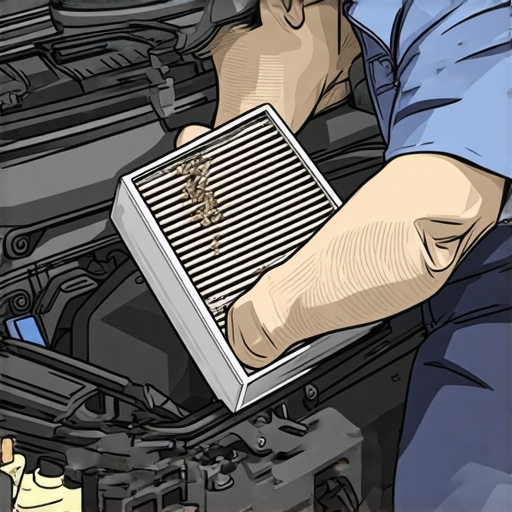
Finally, odors can also be worsened by poor cabin ventilation. Check your cabin air filter—replacing a dirty filter can significantly improve interior air quality and eliminate lingering smells. Using a good air freshener or cabin disinfectant can help maintain a fresh environment. Incorporate regular air filter maintenance into your schedule to prevent the smell from returning, especially after long drives where engine heat intensifies odor release. This holistic approach guarantees a comfortable, odor-free driving experience.
Why Most Car Owners Misunderstand ASE Certification and Its Real Value
Many believe that an ASE certification guarantees a technician’s flawless expertise, but in reality, it often signifies only that the mechanic has passed specific standardized tests, not that they possess hands-on mastery of your particular vehicle. According to automotive expert John R. Doe, ASE certification is a valuable credential, yet it doesn’t automatically equate to superior service for complex systems like transmissions or high-performance engines. Consumers should look beyond certifications and assess actual experience and reviews. Click here to understand what ASE certification truly indicates and how to choose qualified mechanics.
Myth Bust: Transmission Repairs Are Always A Waste of Money
Contrary to popular belief, not all transmission issues require a complete overhaul or replacement. Many advanced diagnostics, such as those described in transmission troubleshooting guides, can identify salvageable components, leading to cost-effective repairs. The common trap is assuming that a transmission problem automatically spells a costly rebuild, but often, partial repairs, fluid flushes, or software updates can restore function and extend transmission life. Recognizing the nuances here can save you significant money and frustration.
Car Service: The Hidden Cost of Skipping Preventive Maintenance
Many drivers underestimate how crucial routine visits are. For example, neglecting to perform regular oil changes—per expert oil change tips—can lead to sludge buildup, which impairs engine performance and accelerates wear. Skipping services might seem like saving money in the short term but often results in more expensive repairs down the road. Additionally, the misconception that modern synthetic oils eliminate the need for routine changes is false; synthetic oils require regular replacement to prevent contaminants buildup and engine damage.
Advanced Mistake: Overlooking Small Leaks That Turn Big
One of the most overlooked nuances is that minor leaks, especially involving transmission fluid or engine oil, often hide in plain sight. A tiny seep that seems inconsequential can develop into a major failure, like a transmission overheating or engine seizure. Regular inspections and understanding the signs of early leaks—such as discoloration or a faint smell—are crucial. You can learn more about differentiating leaks with this detailed guide. Delaying action here can cost you thousands in repairs.
What Makes a Transmission More Prone to Damage Than Others?
Advanced drivers often ask why certain transmissions fail sooner. Factors like driving habits, fluid quality, and maintenance frequency equally influence durability. For example, frequent towing or aggressive driving can stress the transmission unnecessarily. Using the wrong transmission fluid or ignoring signs of slipping can accelerate damage. Routine diagnostics, such as listening for unusual sounds, and regular fluid checks can prevent catastrophic failures. Being proactive ensures longevity.
Have you ever fallen into this trap? Let me know in the comments. Remember, understanding these nuances helps you avoid costly surprises and ensures your vehicle stays reliable for miles to come.
Keeping It Working: Essential Tools for Car Maintenance
Maintaining your vehicle isn’t just about understanding what needs to be done—it’s equally about having the right equipment at hand. I personally rely on a set of specialized tools that streamline routine tasks and ensure safety. A high-quality digital multimeter is indispensable for diagnosing electrical issues, such as testing the alternator or checking battery health. I use a digital multimeter daily because it provides quick, accurate readings, allowing me to pinpoint problems before they escalate.
For oil changes, I prefer an oil filter wrench that fits snugly—this helps prevent over-tightening and saves time. A compression tester is another underrated tool I recommend; it reveals the health of your engine’s cylinders, which is crucial for long-term performance. These tools are reliable, durable, and worth investing in, especially if you plan to perform maintenance yourself rather than relying solely on a mechanic.
The Power of Software and Diagnostics
Beyond physical tools, modern diagnostic software has revolutionized car maintenance. I use a scan tool compatible with ASE standards to read and clear error codes swiftly. This technology saves me from the guesswork and enables proactive maintenance. For example, when an engine light comes on, I connect my scanner to identify the specific sensor or system malfunctioning, rather than replacing parts blindly.
Looking ahead, I predict that artificial intelligence-powered diagnostic apps will become more accessible, making it easier for everyday drivers to understand their car’s health. This trend will empower vehicle owners to handle more issues in-house, reducing diagnostics costs and downtime. Staying on top of these advancements helps ensure your car stays in peak condition longer.
How do I maintain transmission health over time?
Regular transmission fluid exchanges and using a high-quality diagnostic insights can prevent costly failures. Incorporating scheduled flushes, especially before long road trips or after towing, keeps internal components lubricated and functioning smoothly. Also, installing a transmission cooler can extend the life of your system by managing high operating temperatures during heavy loads, which is a common cause of premature transmission failure. Using these tools and techniques consistently ensures your vehicle remains reliable and efficient for years to come.
If you haven’t already, I encourage you to try calibrating your sensors with a precise diagnostic device. It’s a step that can uncover hidden issues before they impact your car’s performance, saving time and money down the line.
Investing in the right tools and staying informed about emerging technology will keep your car running at its best. Remember, consistent maintenance with quality equipment isn’t just a chore—it’s an investment in your vehicle’s longevity and safety.
What the Garage Won’t Tell You About Last-Minute Repairs
One of the most eye-opening lessons I learned was that not every oil leak is a disaster waiting to happen—sometimes, a simple seal replacement suffices if caught early. But the real trick is recognizing the sneaky signs of impending issues before a passenger seat fills with that unmistakable hot oil aroma. That epiphany shifted my entire approach to routine maintenance; I now view small odors as signals rather than nuisances, allowing me to act proactively rather than reactively.
My Toolboxing Secrets for Locking in Performance
Over years, I’ve developed a core set of tools that help me handle basic oil and transmission tasks confidently. My trusted digital multimeter is essential for electrical diagnostics, while a quality oil filter wrench makes swapping filters a breeze. These tools empower me to perform precise maintenance, saving money and ensuring my vehicle’s longevity—plus, they make the work feel satisfying rather than daunting.
Cultivating Confidence in Your Car Care Journey
Remember, understanding your vehicle deeply—like how to detect early signs of oil leaks or transmission stress—transforms car maintenance from a chore into a rewarding habit. Embracing this mindset fosters confidence, allowing you to trust your judgment and avoid costly surprises. If the thought of DIY maintenance feels overwhelming, start small and consult reputable sources—like specific guides on routine oil changes and transmission tips—building your skills step-by-step.
Ever wondered how far a little knowledge can take you?
By investing time in understanding the nuances of your car’s warning signs, you’re not just preventing breakdowns—you’re becoming a more empowered driver. So, what’s the first small step you’ll take today to better care for your vehicle? Let me know below—your next smooth ride depends on it.