How to Know if Your Ball Joints are About to Fail
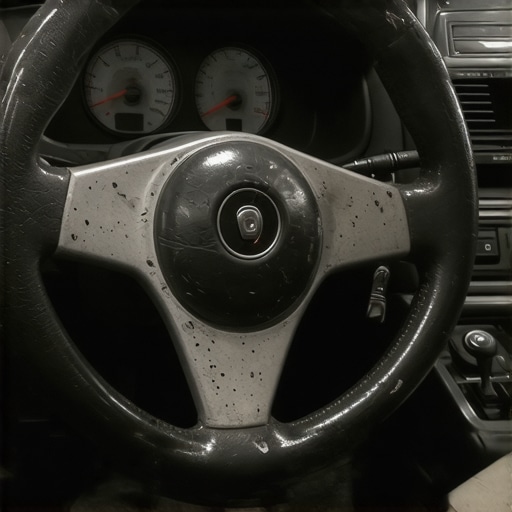
Ever experienced that unsettling wobble in your steering wheel when cruising down the highway, or felt a mysterious clunk every time you hit a bump? I sure have. One day, after a routine oil change at my local shop, I noticed my car pulled strangely to one side. At first, I shrugged it off as a alignment issue, but it turned out to be something more serious—my ball joints were on their last legs. That lightbulb moment made me realize how subtle signs of wear can slip past even seasoned drivers—and how ignoring them can lead to costly repairs or dangerous driving situations.
Why Knowing the Signs of Failing Ball Joints is Crucial
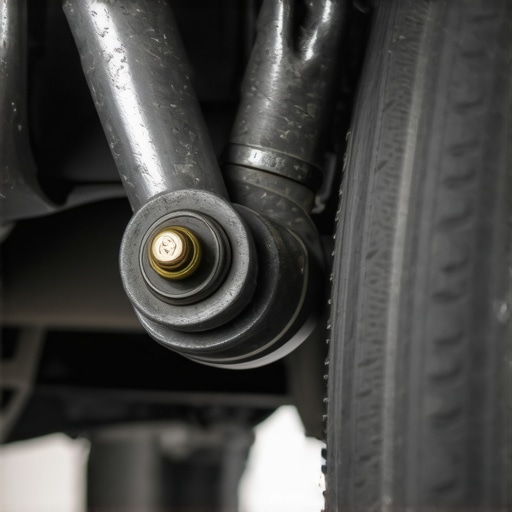
Ball joints are essential components that connect your steering knuckles to your suspension, acting as pivotal points that allow your wheels to turn and absorb road shocks. When they start to wear out, they don’t usually give a loud warning. Instead, they whisper—through vibrations, noises, and changes in steering behavior. Recognizing these signals early can mean avoiding a dangerous failure on the road or hefty repair bills. I learned this the hard way by overlooking initial symptoms, which eventually culminated in a costly suspension overhaul. Trust me, early detection can save you both money and stress.
Is the Hype Worth It or Just Another Garage Con?
I used to think that regular checks were overkill—until I fell into the trap of neglecting my vehicle’s condition. A rookie mistake I made early on was dismissing squeaky noises as simple brake pads, not realizing they could originate from worn ball joints. It’s easy to fall into that trap, but knowing which signs to look out for can make all the difference. According to automotive experts, failing ball joints can cause uneven tire wear, steering looseness, and even loss of control at critical moments. So, yes, being proactive about your ball joints is definitely worth the effort.
If you’ve ever felt that unsettling looseness in your steering or experienced unexplained noises, you’re not alone. Many drivers overlook these cues—sometimes because they’re subtle, other times due to uncertainty about what’s normal. But here’s the thing: catching these warning signs early is half the battle. In the next sections, I’ll guide you through the practical steps to assess your ball joints yourself or what to expect when you take your vehicle to a professional. Remember, staying ahead of issues like this not only keeps your car running smoothly but keeps you and your loved ones safe on every trip.
Need personalized advice? Don’t hesitate to reach out to a trusted mechanic or check out more expert insights on vehicle maintenance to ensure your ride stays reliable. Let’s get started on spotting those sneaky signs of ball joint wear before they turn into emergency repairs.
Inspect Your Suspension for Play and Noise
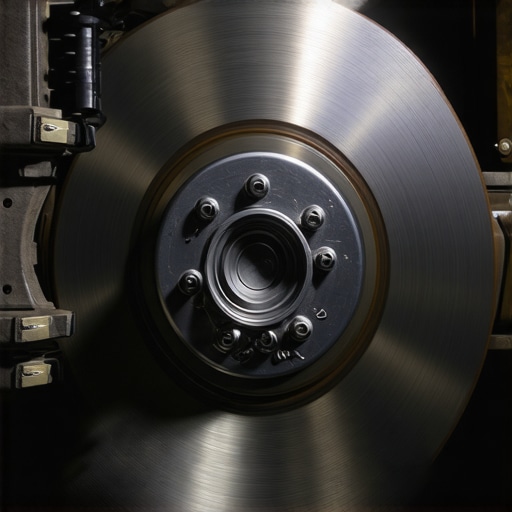
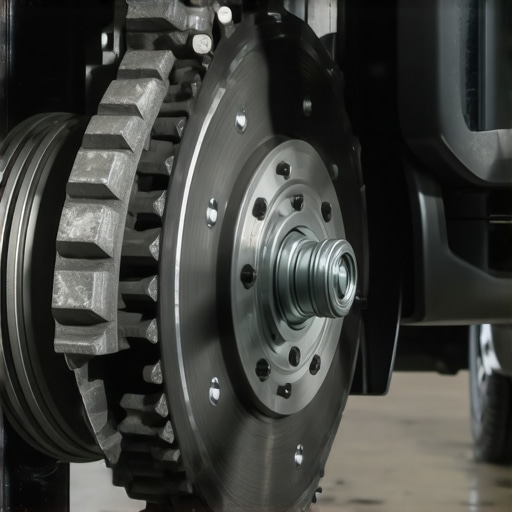
Before diving into detailed checks, park your vehicle on a level surface and engage your parking brake. Grab a buddy to help or use a floor jack and jack stands for safety. Loosen the lug nuts of the wheel corresponding to the suspected ball joint side. Remove the wheel carefully, exposing the suspension components. Grasp the tire at the 12 and 6 o’clock positions and try to rock it back and forth. Excessive movement indicates worn ball joints, similar to how a loose pivot causes instability in a gate hinge. I applied this method when my car began wobbling at highway speeds and found significant looseness, which prompted immediate repairs.
Perform a Visual Check for Signs of Wear
Look for torn or leaking rubber boots around the ball joint, which act like protective socks. Cracks or grease seepage suggest dirt and moisture entering, accelerating wear. Also, inspect for rust or corrosion, which weakens structural integrity. If the joint appears damaged or the boot is compromised, replacing it promptly prevents further damage. I once noticed a cracked boot during a quick visual inspection after noticing squeaky noises while turning, preventing a potential breakdown on my commute.
Test Your Steering Response and Handling
Take your car for a test drive and pay attention to how it responds when you turn the wheel. Feel for looseness, wandering, or vibrations. If the steering feels ‘notchy’ or pulls to one side, it might be due to worn ball joints or related suspension parts. To isolate the issue, drive on a smooth road and gently steer left and right, noting any unusual resistance or noise. This process is akin to testing a bicycle’s handlebar for stability; a loose joint makes the bike less predictable. During my last test drive, I experienced a faint clunk during sharp turns, which led me to suspect the ball joints before professional diagnosis.
Use the Jack Test for Play Verification
Secure your vehicle on a flat surface, and jack up the corner with the suspected ball joint. Support it with jack stands and remove the wheel. Grab the control arm or suspension knuckle by hand and gently attempt to move it vertically and horizontally. Excessive movement or clunking sounds indicates a worn joint. Remember, this test mimics checking a door hinge by trying to move it — if it wobbles, it’s time for replacement. I performed this test on my driveway and confirmed my ball joints were loose after feeling noticeable play, saving me from an unexpected failure.
Consult a Professional for a Precise Diagnosis
If your DIY checks reveal potential issues, or you’re unsure about your findings, schedule a visit with a qualified mechanic. An ASE-certified technician can perform specialized tests, including the ‘Ontario Test,’ which accurately assesses ball joint condition. During a visit, I explained my observations, and the mechanic confirmed wear through a thorough inspection, preventing me from risking safety. For more insights on certification standards and to ensure your vehicle receives quality service, explore what ASE certification means.
Regular inspections and understanding these core steps can extend your vehicle’s lifespan and keep your drives safe. Remember, proactive checks are less costly than emergency repairs or accidents caused by failing suspension components.
Many car owners believe that an ASE certification guarantees a mechanic’s expertise and that following conventional advice ensures optimal vehicle performance. However, the reality is often more complex, especially when it comes to transmission repairs, oil changes, and the significance of ASE certification. Let’s dig deeper into these misconceptions and reveal the hidden nuances that experienced mechanics understand so well.
Why Certification Doesn’t Always Mean Expertise
While ASE certification indicates that a mechanic has passed standardized tests, it doesn’t necessarily reflect their hands-on skill or familiarity with specific vehicle models. Some shops might prioritize certifications over actual experience or continuous learning. A common trap is trusting a ‘certified’ technician to handle complex issues like CVT fluid problems without verifying their specialization. In my experience, seeking specialists, especially for tricky repairs, leads to better outcomes. You can learn more about what ASE certification truly signifies and how to interpret it.
Transmission Troubles Often Masked as Simple Fixes
Many drivers think that transmission issues stem solely from low fluid levels or wear, but the truth is more nuanced. For example, a shifting hesitation might be due to a faulty solenoid or a clogged filter rather than just fluid contamination. Relying solely on a DIY fluid top-up or flush can be a costly mistake if underlying problems persist. Check out expert insights on transmission maintenance to understand how advanced diagnostics uncover hidden issues.
What Advanced Diagnostics Are Missing in Routine Service?
Many people overlook that modern vehicles rely heavily on computer diagnostics. Even with regular oil changes, if the vehicle’s ECU detects faults, it can trigger warning lights or cause drivability issues. A comprehensive service involves not just replacing fluids or filters but also scanning for error codes and understanding their implications. This is where professional-grade diagnostics go beyond the basics, revealing problems that casual inspections might miss. Regular updates and knowledge about these tools differentiate good mechanics from those who maintain at a superficial level. For tips on choosing the right service, review guidelines on selecting a quality car service.
Myth: Oil Changes Are All About Replacing Oil
Contrary to common belief, an oil change isn’t just about pouring new lubricant. It’s a vital opportunity to inspect and maintain other critical components such as filters, PCV valves, and engine seals. Neglecting these can lead to reduced fuel efficiency, engine knocking, or even costly repairs. The ‘lifetime’ oil filters or ignoring oil analysis reports can be tempting, but a seasoned mechanic knows that regularly scheduled oil changes with proper inspection extend engine lifespan significantly. For the latest recommendations, see top oil change tips for 2025.
So, next time you hear a familiar tip or see a badge of certification, remember there’s a world of nuances behind it. Think critically about your vehicle maintenance and consider expert advice tailored to your specific car. It can make all the difference in avoiding costly repairs or safety risks. Have you ever fallen into this trap? Let me know in the comments.
Equip Yourself with Precision Tools for Longevity
When it comes to maintaining your car, having the right tools is essential. I personally rely on a high-quality digital inspection mirror, like the Borescope by INNOVIVE, which allows me to peer into hard-to-see areas such as the engine bay or transmission pan without unnecessary disassembly. This tool’s flexible, waterproof probe helps detect early signs of corrosion or oil leaks that might otherwise go unnoticed, saving me from costly repairs down the line.
Additionally, I use a durable, automotive-grade multimeter, such as Fluke’s 115 True-RMS Multimeter, to perform precise voltage and continuity tests on sensors, relays, and electrical connections. This helps me diagnose issues like faulty alternators or bad sensors swiftly, ensuring my vehicle’s electrical system stays reliable over years of use.
The Power of Diagnostic Software in Modern Maintenance
Beyond physical tools, I highly recommend investing in professional diagnostic software like AutoEnginuity’s Scan Tool. This program connects via OBD-II port and provides real-time data, freeze frames, and detailed error codes. I connect this software to my laptop using a trusted interface cable, which empowers me to interpret complex engine or transmission fault codes myself, rather than relying solely on a mechanic’s report. It’s particularly useful for ongoing projects like transmission troubleshooting, for example, when dealing with shifting issues discussed at this resource.
Implement Routine Checks Using a Systematic Approach
Establishing a consistent maintenance routine is vital. I follow a three-step assessment method every oil change interval — visually inspecting for leaks, listening for unusual noises, and performing basic functionality tests. For example, I check the condition of transmission fluid using a UV flashlight and a dye kit, which allows me to spot contamination or leaks early, before they cause significant damage. Regular testing ensures long-term performance and helps me catch issues early on, like worn-out seals or degraded fluid quality.
Where Is Maintenance Going in the Future?
Advancements in vehicle diagnostic technology and the integration of AI-driven predictive maintenance systems are set to revolutionize how we care for our cars. Future tools may include portable, AI-powered scanners that can analyze predictive wear patterns in real time or even recommend precise maintenance schedules tailored to your driving habits, maximizing vehicle longevity and safety.
How do I keep my ASE-certified transmission service running smoothly over the years?
Focus on routine fluid analysis with advanced tools, keeping a detailed maintenance log, and staying updated with manufacturer recalls or technical bulletins. I recommend regularly consulting with experts and performing preemptive diagnostics to avoid unexpected failures. For regular advice tailored to your vehicle, consider contacting a trusted mechanic through this link.
The Hardest Lesson I Learned About ASE certified,transmission,car service,oil change
I used to rely solely on certifications and standard procedures, thinking they guaranteed expert results. But a costly transmission overhaul taught me that hands-on experience and deep familiarity with specific vehicle models matter more than any badge. I realized that continuous learning and trusting seasoned technicians make a real difference in diagnostics and repairs.
Why Overconfidence Can Sabotage Your Car Care Journey
Believing that a quick DIY oil change or basic inspection is enough can lead to overlooked issues. My mistake was dismissing subtle steering looseness as normal until it escalated into dangerous instability. Staying humble and proactive—regularly questioning what I think I know—has helped me avoid serious safety hazards and costly repairs.
The Hidden Value of Precision Tools in Personal Maintenance
Investing in quality diagnostic tools like a digital inspection mirror and a reliable multimeter transformed my approach. These tools revealed hidden problems, such as internal corrosion or electrical faults, long before they became evident. For anyone serious about vehicle longevity, embracing such technology unlocks insights unavailable through casual checks.
Curated Recommendations for the Enthusiast Self-Driver
My trusted toolkit includes the Borescope inspection mirror for hard-to-see areas, a Fluke multimeter for electrical diagnostics, and the AutoEnginuity scan tool for real-time ECU data. These investments empower me to identify issues early, saving money and enhancing safety.
Your Next Move: Embrace the Knowledge and Tools
Taking charge of your car maintenance can be a rewarding journey. With the right tools, continuous learning, and a willingness to seek expert advice when needed, you deepen your understanding and control. The road to reliable, safe driving starts with small, informed steps—so why not begin today? Your vehicle—and your peace of mind—will thank you.