The Reason Your Car Vibrates Only When Shifting into Overdrive
I’ll never forget the first time my car shuddered violently every time I shifted into overdrive. It caught me off guard—one moment smooth cruising, the next jarring shake that made my stomach drop. At first, I brushed it off as a minor quirk, but soon enough, that small annoyance became a persistent nightmare every time I hit the highway. That uncomfortable vibration was like a red flag waving, telling me something was off with my vehicle’s transmission system. If you’ve ever experienced that feeling, you’re not alone—and chances are, it’s a sign that something needs attention before it turns into a costly repair.
How Vibrations When Shifting into Overdrive Can Signal Bigger Issues
It’s easy to dismiss a occasional shake as just a bad road or a simple glitch, but I learned the hard way that ignoring it can lead to serious damage. Vehicles are complex machines, and a vibration that only occurs when shifting into overdrive often hints at underlying problems like worn-out transmission bands, issues with the torque converter, or electrical glitches in your transmission control module. These aren’t just minor inconveniences; they could be signs of impending failure that, if caught early, are much easier—and cheaper—to fix.
Have you faced this specific issue and wondered if it might be serious?
Early in my journey, I made the mistake of assuming it was just a rough shift or a minor sensor glitch. Trust me, I was wrong. The truth is, delaying proper diagnosis often makes repairs more complicated and costly. That’s why I want to share what I’ve learned—so you can identify the root cause faster and avoid ending up stranded or facing a blown transmission.
Knowing the true reason behind these vibrations can save you a bundle and get you back to smooth rides. It’s essential to understand that such symptoms are not something you should ignore—they are signals from your car, begging for attention. Ready to dive into the possible causes and discover how to address them effectively? Let’s get started.
Start with a Visual Inspection of Your Transmission System
Before diving into complex diagnostics, open your hood and look for obvious issues like loose or damaged transmission mounts, cracked hoses, or fluid leaks. I once noticed a cracked transmission mount that was causing extra movement during overdrive engagement. Replacing a mount is straightforward and can eliminate unnecessary vibrations. Regular visual checks can prevent small issues from escalating.
Check Transmission Fluid Condition and Level
Why Fluid Matters More Than You Think
Low or burnt transmission fluid can cause rough shifting and vibrations. Use your owner’s manual to locate the transmission dipstick, pull it out, and examine the fluid’s color and smell. Dark, foul-smelling fluid needs replacement—fresh transmission fluid lubricates and cools internal components, ensuring smooth operation. For expert advice, consider reading about why regular oil and fluid changes extend your car’s lifespan.
Perform a Transmission System Diagnostic Test
Many modern vehicles have onboard diagnostics that can reveal hidden issues. Using an OBD-II scanner, check for error codes related to the transmission control module (TCM). Codes like P0700 or P0720 can signal specific problems such as sensor failures or solenoid issues. Investing in a good scanner or visiting a shop with ASE-certified technicians can save you time and money. For trusted testing, see what ASE certification means for your vehicle maintenance.
Inspect and Test Transmission Components
Worn clutch packs, damaged solenoids, or a failing torque converter can cause harsh shifts and vibrations. You can perform a simple test by gently accelerating and observing the shift points. If the shift is rough or delayed, internal components may need replacing. For a deeper dive into these issues, check out transmission troubleshooting tips from experts.
Evaluate the Drive Shaft and CV Joints
Vibrations that occur during shifting might originate from the drivetrain rather than the transmission itself. Check the drive shaft for balancing issues or dents, and inspect CV joints for excessive play or boots torn open, which introduces dirt and causes wear. A worn CV joint can replicate transmission-related vibrations, especially during acceleration or shifts. I once replaced a damaged CV joint, which instantly improved ride smoothness.
Test and Replace Transmission Fluid and Filters
Old or contaminated fluid can hinder internal operation. Follow your vehicle manufacturer’s manual for fluid change intervals, typically between 30,000 to 60,000 miles. Draining and replacing the fluid, along with the filter, can often resolve minor shifting issues. Remember, always use the recommended transmission fluid type—mixing different brands or types can cause more harm than good, as explained in the danger of mixing brake and transmission fluids.
Seek Professional Diagnosis if Problems Persist
If you’ve completed these steps and still face vibrations, it’s time to consult an ASE-certified mechanic. They can perform advanced diagnostics or internal inspections, often uncovering issues like internal wear or electronic faults that aren’t visible during a DIY check. Remember, quick action prevents small problems from turning into costly repairs, especially with critical components like the transmission. For tips on choosing reliable service providers, visit how to choose the right car service for your needs.
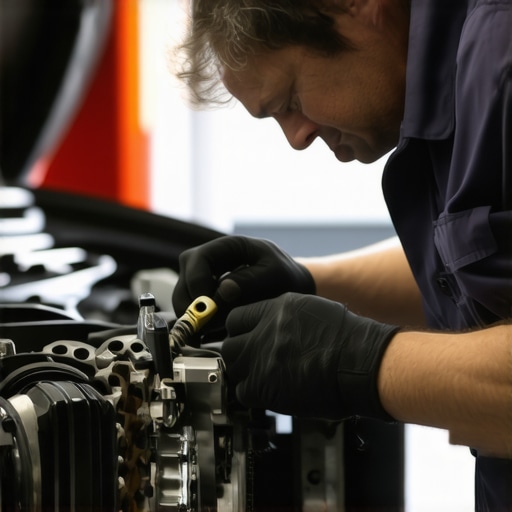
Beyond the Surface: The Real Depth of ASE Certification
Many car owners believe that an ASE certification guarantees a mechanic’s expertise, but the truth is more nuanced. While ASE certifies a technician has passed certain standardized tests, it doesn’t necessarily reflect their practical experience or specialization in specific systems like transmissions. Relying solely on the badge can be a trap—it’s essential to consider the technician’s ongoing training and hands-on experience, especially for complex repairs like transmission overhauls. Studies have shown that structured continuous education significantly impacts diagnostic accuracy in automotive repair, emphasizing that certification isn’t the full story.
Myth Busting: Oil Changes Are Just About Fresh Oil
Contrary to popular belief, an oil change involves more than just replacing old oil. Critical components like the oil filter, drain plug, and even the oil pan gasket play vital roles in maintaining engine health. Skipping detailed attention during routine maintenance can cause overlooked leaks or contaminated filters, diminishing engine performance over time. For example, using a subpar oil filter might lead to premature clogging, which can cause engine wear—something many overlook. Consistent use of quality filters and adherence to manufacturer recommendations, such as those outlined in top oil change tips for 2025, is key to preventing costly issues.
Think You Know Your Car’s Service Schedule? Think Again
Many car owners adhere to the classic 3,000-mile rule, but modern automotive technology and advancements in oil formulations have extended recommended service intervals. Relying on outdated schedules can lead to unnecessary maintenance or, worse, neglected essential services. For instance, some vehicles now require transmission fluid changes every 60,000 miles, not 30,000, as documented in official manuals and supported by research. Oversimplified maintenance routines can trap owners into either over-servicing or under-maintaining, both of which carry risks.
How Well Do You Understand the Significance of Transit System Nuances?
Transmission repairs and diagnostics are often misconstrued as black boxes—
Investing in the Right Diagnostic Tools
As a passionate car owner, I swear by the OBD-II scanner for quick diagnostics. I personally use the BlueDriver BlueUp, which connects seamlessly to my smartphone, enabling me to read and clear error codes instantly. This tool not only pinpoints issues like faulty solenoids or sensor failures but also provides detailed data that helps in understanding the severity of transmission problems. Regularly scanning your vehicle keeps you ahead of potential failures and avoids costly repairs. For a deep dive into the best diagnostic equipment, check out what ASE certification means for your maintenance routines.
Maintaining Fluid Health with Precision Techniques
Changing transmission fluid isn’t just about draining and refilling. I use a refrigerant recovery machine to evacuate old fluid in an environmentally safe way and ensure no residual contaminants remain. This professional-grade equipment allows me to replace fluids with the exact specifications recommended by my vehicle’s manual, which is crucial since using the wrong fluid can cause internal damage (regular oil changes help extend your car’s lifespan). For older models, I also perform a fluid analyze test with professional labs to check for signs of wear particles or burnt smell, providing insights into the health of internal components.
Understanding the Future of Transmission Care
Advancements in diagnostics and materials suggest that the trend toward predictive maintenance is accelerating. Vehicles equipped with onboard sensors and AI-driven diagnostics will soon detect issues before symptoms manifest, allowing you to schedule proactive repairs. As these technologies become mainstream, I recommend keeping abreast of new tools like sensor-based fluid condition monitors, which can alert you when your transmission fluid needs attention, potentially saving thousands in repairs.
How do I keep my transmission functioning smoothly over time?
Consistent maintenance, including routine oil and filter changes, regular diagnostic scans, and using advanced tools for fluid analysis, is key. Visiting an ASE-certified shop ensures that experienced technicians are interpreting data accurately and performing precise repairs. If you want to try enhancing your own maintenance routine, start by investing in a quality OBD-II scanner and learning how to interpret error codes. This simple step keeps you informed and alerts you to issues early, making your transmission last longer and perform better in the long run. For tips on choosing reliable service providers, refer to how to choose the right car service for your needs.
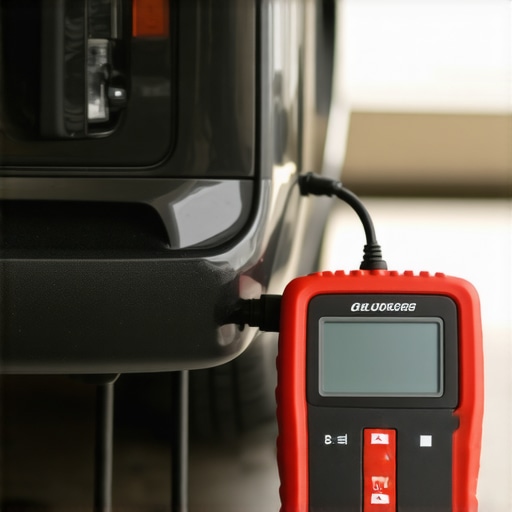
Long-term transmission health depends heavily on consistent care and awareness of the latest diagnostic tools. Staying proactive with these measures can significantly extend your vehicle’s lifespan.
The Hidden Lessons Behind Every Vibration
One of the most eye-opening moments in my automotive journey was realizing that the subtle vibrations during overdrive weren’t just minor nuisances—they were messengers signaling deeper issues. The toughest lesson was understanding that early signs such as rough shifts can preempt costly damage, teaching me the importance of paying close attention to my vehicle’s cues and trusting both my senses and professional diagnostics.
Tools and Tips That Changed My Perspective
Investing in the right diagnostic tools, like a quality OBD-II scanner, revolutionized the way I detect transmission problems. These resources, combined with trusted expert advice from sources like top oil change tips for 2025, empowered me to take proactive steps—saving time, money, and my peace of mind. The combination of technology and ongoing learning dramatically extended my vehicle’s lifespan.
The Power of Continuous Learning in Car Maintenance
What I didn’t realize early on is how much continuous education would enhance my ability to care for my car. Certifications, trusted resources, and firsthand experience all contribute to a deeper understanding of complex systems like transmissions. This knowledge has been my shield, enabling me to address issues before they escalate, and it can do the same for you.
Make Your Journey Smooth and Secure
Taking control of your vehicle’s health through informed decisions and diligent maintenance transforms driving from a routine task into a rewarding experience. Embrace the learning curve, utilize reliable tools, and stay curious about your car’s subtle signals. Your transmission—and your wallet—will thank you.
Ready for the Next Step? Share Your Experience
Have you ever misinterpreted a car’s warning signs or been surprised by unexpected repairs? Drop your stories below—I’d love to hear how you navigated similar challenges and what advice you’d give to fellow car enthusiasts on their maintenance journey.