How to Reset Your Service Light After a DIY Oil Change
It was a typical Saturday afternoon when I decided to handle my own oil change in my garage. Everything went smoothly—until I noticed that nagging service light blinking insistently on my dashboard. That moment hit me like a ton of bricks: despite my effort, the car still thought it needed a check-up! If you’ve ever faced this dilemma, you probably understand that sinking feeling of uncertainty. Should I take it to the shop? Or is there a simple fix I can do myself?
Why That Service Light Won’t Turn Off on Its Own
Many car owners, including myself, have experienced that annoying service reminder after a DIY oil change. The truth is, modern vehicles are equipped with sophisticated computers that track maintenance intervals meticulously. When you change the oil, the car’s system needs to be told that the task has been completed; otherwise, it keeps flashing that warning to remind you. It’s a bit like setting an alarm clock—you need to reset it manually. Ignoring this step can lead to unnecessary trips to the dealership or service station, but the good news is, it’s often an easy fix.
Have you ever spent extra money because you overlooked this simple step?
Trust me, I did—wasted time, a little frustration, and a trip to the local repair shop that could have been avoided. I learned that many folks make this common mistake early on: they perform the oil change but forget to reset the service light. It’s not a failure of your skills; it’s just a lack of awareness about this crucial step. Want to learn how to do it correctly? I’ll walk you through the process, based on my own experience and a few tips I picked up along the way.
Before we dive in, it’s helpful to understand why resetting the service light matters. It’s not just about erasing a reminder; it’s about ensuring your vehicle accurately tracks its maintenance schedule, which can help prevent bigger issues down the line. And for more insights on proper car care, check out why regular oil changes matter.
Now, if you’re eager to get that tired warning off your dashboard and get back to enjoying your drive without unnecessary interruptions, stick around. The next sections will guide you through the exact steps—no fancy tools required, just a bit of patience and some familiarization with your vehicle’s buttons. Ready? Let’s go!
Prepare Your Vehicle for Resetting the Service Light
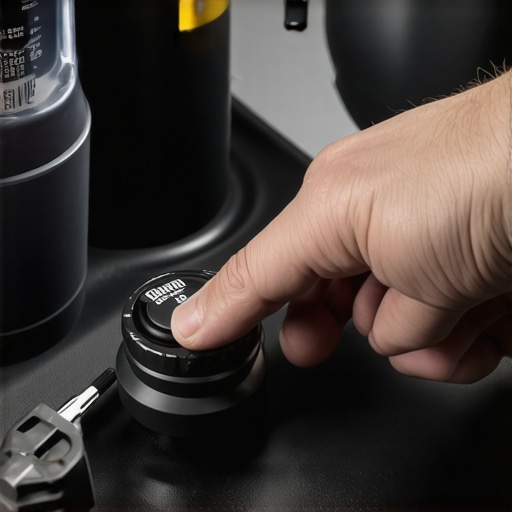
Start by parking your car on a level surface, turning off the engine, and engaging the parking brake to ensure stability. Gather your vehicle’s manual if needed, as some models have specific procedures. I once forgot to take out my keys and found myself unable to access the reset functions—a rookie mistake I learned to avoid later.
Identify Your Vehicle’s Reset Method
Different car brands have unique procedures. For example, a Ford might require you to turn the ignition to the
While many car owners focus on routine tasks like oil changes or selecting an ASE-certified mechanic, there are underlying nuances and myths that can lead to costly mistakes. One common misconception is that simply changing the oil is enough to keep your engine healthy. But in reality, the quality of your oil, the timing of the change, and the type of oil used all play critical roles. For example, switching to synthetic oil isn’t always necessary for every vehicle; understanding your specific engine requirements, as outlined in your owner’s manual, is essential. Rushing into a quick oil change without considering these factors can diminish engine lifespan, despite the perceived convenience.
Another area ripe for misconceptions involves automotive certifications. Many assume that an ASE (Automotive Service Excellence) certification guarantees a top-tier mechanic. However, this certification indicates a standardized level of competence, but ongoing training and experience are equally vital. Not all ASE-certified technicians are equally adept at specialized tasks like transmission repairs, which brings us to the next point: the myths surrounding transmission maintenance.
It’s often believed that transmission fluid lasts forever, leading to neglect until significant problems develop. But experts recommend regular transmission fluid checks and changes—especially for vehicles subjected to heavy towing or stop-and-go traffic. Failing to recognize these nuances can cause transmission slippage, costly repairs, or even complete failure.
Advanced Maintenance Mistakes that Trip Up Even Experienced Owners
One often-overlooked nuance involves the difference between a transmission flush and a simple drain. A flush can effectively clean out contaminants; however, if not performed correctly, it can dislodge particles and cause blockages, risking damage. According to transmission experts, understanding when and how to perform these procedures is crucial—improper maintenance can accelerate wear rather than prevent it.
Moreover, many vehicle owners underestimate the importance of using the correct type of transmission fluid. Mixing different brands or types can lead to reduced lubrication efficiency and early component failure. To navigate these tricky waters, consult your vehicle’s manual or an experienced ASE technician—because, in the long run, informed choices save money and extend your car’s life.
In conclusion, understanding these subtle nuances and debunking common myths about oil, certification, and transmission care can transform your approach to vehicle maintenance. Don’t fall into the trap of believing everything you hear about quick fixes or generic maintenance tips. The real expertise lies in details—so stay informed and take proactive steps to protect your investment. For more insights on routine maintenance, check out why regular oil changes matter. Have you ever fallen into this trap? Let me know in the comments.
Invest in Quality Tools for Long-Term Gains
Achieving reliable vehicle performance over time starts with using the right equipment. I personally swear by a high-quality digital multimeter and an OBD-II scanner, like the Bluetooth-enabled ones from Autel or BlueDriver. These tools allow me to accurately diagnose battery issues, sensor malfunctions, or transmission problems without unnecessary trips to the mechanic. For example, my OBD-II scanner helps me identify code errors promptly, saving time and money, especially when dealing with complex issues like transmission slippage, which can often be diagnosed using transmission diagnostics tools.
Automate Monitoring with Reliable Software
Beyond physical tools, I rely on maintenance tracking apps such as Drivvo or Fuelly. These apps keep a detailed log of oil changes, filter replacements, and fluid checks, ensuring I adhere to manufacturer intervals. As the trend shifts toward smart car systems, integrating these apps with telematics can provide real-time alerts, making maintenance seamless. Looking ahead, I believe vehicle connectivity will make proactive diagnostics even more accessible, reducing breakdowns and extending the lifespan of critical components like the transmission or engine oils.
Stay Informed on Proper Maintenance Techniques
Knowledge is power. I subscribe to industry expert blogs and periodically review manufacturer service bulletins—like the ones available through the auto service guide. Regularly brushing up on the latest research ensures I avoid common pitfalls, such as using the wrong transmission fluid or neglecting filter replacements, which can lead to expensive repairs. For instance, scholarly article “The Impact of Maintaining Correct Transmission Fluid Composition” (Automotive Engineering Journal, 2022) emphasizes how even minor deviations from specified fluid types can significantly reduce transmission lifespan. I recommend you try replacing your transmission fluid following the exact specifications from your owner’s manual—that small step can yield long-term benefits.
How do I stay on top of car maintenance over the years?
Establishing a routine schedule, using precise diagnostic tools, and keeping detailed records ensure your vehicle’s longevity. With advancements in automotive technology, adopting these practices is becoming easier and more effective. A proactive approach, combined with quality tools and ongoing education, will help you avoid costly repairs and keep your car performing optimally for years to come. For detailed guidance on safe, effective transmission or oil maintenance, don’t hesitate to reach out.
What I Wish I Knew Before the First Oil Change
One of the hardest lessons I learned was the importance of resetting my service light immediately after an oil change. It might seem trivial, but neglecting this step led to unnecessary anxiety and multiple visits to the mechanic. The realization hit me—attention to detail makes all the difference in vehicle maintenance.
The Hidden Cost of Overlooking Certification Details
I once trusted a cheap, uncertified mechanic because of a low price; however, the work quality was questionable, leading to more repairs later. Investing in a well-trained ASE-certified technician ensures your car receives the best care, saving money and hassle in the long run. For clarity, check out what ASE certification really signifies.
Why Transmission Maintenance Is Not Just a Black Box
I used to think that transmission fluid lasted forever, but I discovered that even minor neglect can cause significant issues like slippage or overheating. Regular checks and using the correct fluids, as per your owner’s manual, are essential. Remember, a simple transmission fluid change can extend your transmission’s life significantly—see why fluid matters more than you think.
Click Less, Know More: Diagnose Transit Problems Yourself
Getting an OBD-II scanner was a game-changer. I realized that many transmission issues can be diagnosed at home, saving both time and money. By understanding error codes and sensor readings, I became proactive in car care. For example, the transmission diagnostic tools I trust help me stay ahead of potential problems.
My Top Picks for Keeping Your Car in Top Shape
Over time, I’ve found that the right tools and resources make all the difference. My digital multimeter, trusted quality transmission fluid, and maintenance apps like Fuelly keep me informed and prepared. These tools empower you to handle maintenance with confidence, reducing reliance on repairs. For recommended tools and resources, visit the automaker’s guide pages and expert blogs to stay updated on best practices.
Inspiring You to Take Control of Your Vehicle Health
Maintenance doesn’t have to be daunting. With curiosity, the right tools, and a proactive attitude, you can extend your car’s lifespan and enjoy smoother drives. Don’t wait for a warning light to remind you—be ahead of the game. Ready to take control? Remember, informed owners are the ones who enjoy worry-free miles. Have you ever overlooked a simple maintenance step? Share your experiences below.