Why Your Transmission Fluid Temperature Matters More Than You Think
Have you ever been on a drive, feeling your car shift just a little rougher than usual, only to ignore it, thinking it’s just the weather or a minor glitch? That was me a few months back. I was rushing home after work when suddenly, my transmission started acting up — slips here, shudders there. It got me thinking, “Am I overlooking something crucial?” That moment was my lightbulb—realizing that I had been ignoring the real temperature of my transmission fluid. And honestly, that one small detail could have saved me from a costly repair.
Spotting the Hidden Danger in Plain Sight
If you’ve ever experienced a sudden change in how your car shifts gears, or noticed your vehicle running hotter than usual without any noticeable reason, you’re not alone. Many drivers brush off these signs, unaware that they might be symptoms of a deeper issue — the temperature of their transmission fluid. This fluid acts as the lifeblood of your transmission, lubricating, cooling, and making sure everything shifts smoothly. When it overheats, it can cause serious damage, ultimately leading to expensive repairs or even transmission failure.
My own mistake early on was neglecting to monitor my transmission fluid’s temperature. I assumed topping it off when low was enough. Turns out, that’s a common misconception. According to transmission experts, excessive heat is one of the main culprits behind transmission breakdowns. In fact, a study by the Automotive Service Association found that overheating is responsible for nearly 60% of transmission failures. That’s a staggering number, and it highlights the importance of paying close attention to how hot your transmission is running.
Is Monitoring Transmission Temperature Really Worth the Hype?
I used to think that keeping an eye on fluid levels was enough. But early on, I made a mistake that many others do: I ignored signs of elevated transmission temperature, like delayed shifting or burning smells. These small clues are often overlooked, yet they’re critical. Understanding and keeping track of your transmission’s temperature can help you catch problems before they escalate. And that’s exactly what I want to help you do today—arming you with the knowledge to protect your vehicle from a silent but serious threat. If you’ve ever wondered why your transmission feels different or how to prevent costly repairs, stay tuned. We’ll explore practical tips on how to monitor and manage your transmission temperature effectively, directing you towards safer driving and longer-lasting transmission health.
Learn to Use a Transmission Temperature Gauge
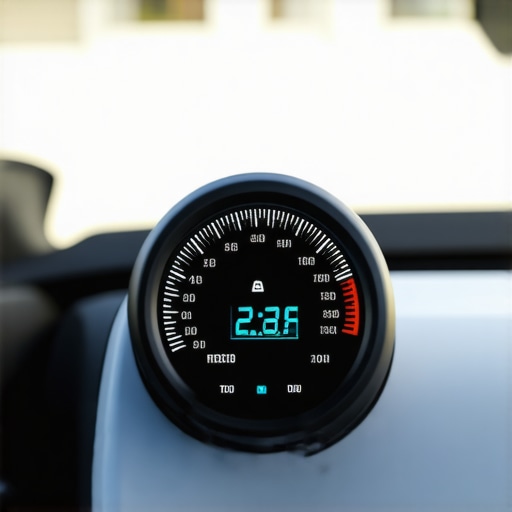
Start by purchasing a reliable transmission temperature gauge compatible with your vehicle. During a typical drive, especially during uphill climbs or towing, install the gauge following the manufacturer’s instructions. I learned this the hard way when I attempted to mount the sensor myself, which initially led to inaccurate readings. Proper installation required ensuring the sensor was tightly secured and the wiring was correctly routed away from high-heat areas. Once set up, monitor the gauge during different driving conditions to establish a baseline. This hands-on approach helped me recognize when my transmission was running hotter than usual, prompting me to adjust my driving style accordingly.
Inspect and Maintain Transmission Fluid Properly
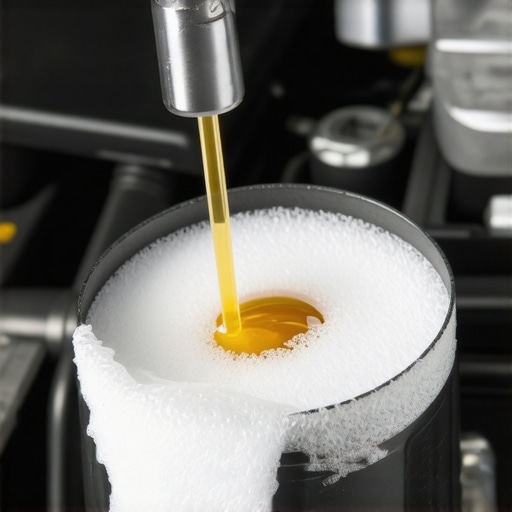
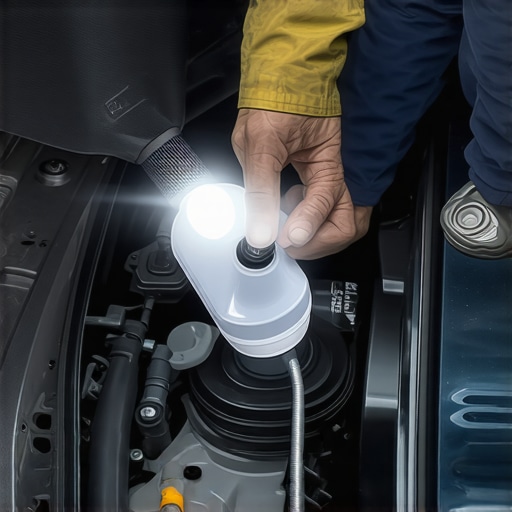
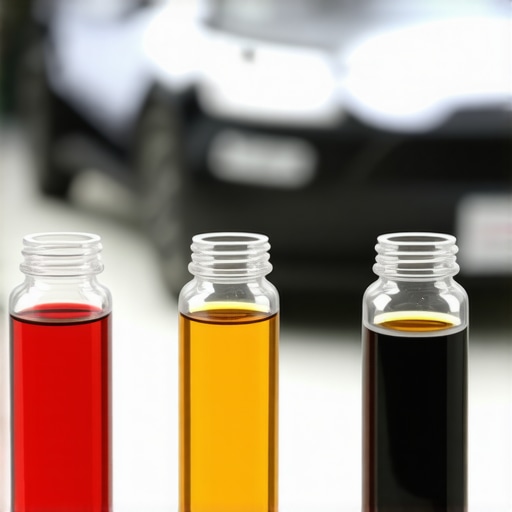
Regularly check your transmission fluid level and condition. To do this, warm up the car and park it on a level surface, then locate the dipstick, usually near the engine bay. Pull it out, wipe clean, reinsert it fully, then remove again to check the level. The fluid should be at the correct mark and appear with a translucent, reddish color. If it looks dark or shows evidence of foaming (foamy appearance), it’s time for a fluid change. Once, I ignored the dark fluid, which led to overheating during heavy traffic. A fresh oil change from an ASE-certified mechanic helped reduce transmission temperatures and improved shifting smoothness, illustrating the importance of routine maintenance. For expert assistance, consider reaching out via [contact us](https://autofixclinic.com/contact-us).
Adjust Your Driving Habits to Prevent Overheating
Adopt driving techniques that reduce transmission heat, especially when towing or driving in stop-and-go traffic. Shift into a higher gear early and avoid aggressive acceleration. On a specific occasion, I was towing a trailer through mountain passes and noticed my transmission temperature spike. I slowed down and switched to a lower gear earlier than usual, which helped maintain a safe temperature range. Always be attentive to signs like delayed shifts or burning smell. Keeping the transmission within its optimal temperature window can prolong its lifespan significantly. For more insights on transmission care, see [transmission troubleshooting](https://autofixclinic.com/transmission-troubles-expert-insights-for-smooth-shifting).
Implement Cooling Solutions When Needed
If you frequently drive in high-temperature environments or tow heavy loads, consider installing an additional transmission cooler. This accessory works like a radiator, diverting excess heat away from your transmission fluid. I personally added one after noticing my transmission temperature regularly approached dangerous levels during summer. The installation involved mounting the cooler in front of the radiator and connecting it with high-quality hoses, ensuring no leaks. Afterward, I observed a significant drop in operating temperature, which translated into smoother shifts and better overall health for my transmission. Don’t forget to check for leaks and note that a proper installation might require professional help—learn more about selecting the right car service at [choosing the right car service](https://autofixclinic.com/choosing-the-right-car-service-for-your-vehicles-needs).
Recognize Early Signs of Overheating and Act Fast
Stay alert to critical indicators such as delayed engagement, slipping gears, or a burnt smell. During a longer trip, I initially ignored a slight delay in shifting, assuming it was just traffic. However, as the drive continued, I noticed my temperature gauge rising beyond the safe zone. I pulled over safely and allowed the transmission to cool down, giving me time to reassess. Ignoring these signs can lead to severe damage, often requiring costly repairs. Regularly monitoring your transmission’s temperature with a gauge and responding promptly can save you money and prevent breakdowns. For comprehensive tips on maintenance, review [why regular oil changes extend your car’s lifespan](https://autofixclinic.com/why-regular-oil-changes-extend-your-cars-lifespan).Many drivers assume that an ASE certification guarantees a mechanic’s expertise in every aspect of car service, but in practice, this credential often masks specific skill gaps or outdated knowledge. For example, some believe that merely changing the oil regularly is enough to keep their vehicle running smoothly—yet, without understanding the importance of correct oil viscosity for your engine type, optimal filter choices, and proper disposal methods, you’re missing critical nuances that impact longevity and performance. Additionally, common myths about transmission care persist: many think that a simple transmission flush is universally beneficial or that it’s unnecessary unless symptoms appear, but in reality, improper flushing procedures can dislodge debris and cause more harm than good. Have you ever fallen into this trap? Let me know in the comments.
Let’s unpack why these misconceptions can lead to costly mistakes. Believing that ASE certification covers all areas of expertise can cause owners to overlook the importance of selecting the right service provider tailored to their specific vehicle needs. For instance, detailed transmission diagnostics require specialized knowledge and equipment—something not all ASE-certified technicians possess, despite the credential. According to a report by the National Institute for Automotive Service Excellence, ongoing training and specialization areas significantly influence repair quality, which often isn’t reflected in certification alone. This means that even ASE-certified shops may not be equipped to handle complex diagnostics or advanced modulation control systems.
A frequent oops is neglecting the unique requirements of modern transmissions. Many believe that a standard oil change or fluid top-off suffices for longevity, but modern transmissions rely on precise fluid compositions, and incorrect maintenance routines can accelerate wear or cause overheating. Advanced mistakes include using universal transmission fluids, which may not match factory specifications—an error that can cause slipping or component damage over time. It’s essential to consult manufacturer guidelines and understand the specifics of your vehicle’s transmission system.
To avoid these pitfalls, always verify the credentials and specialization of your mechanic. Visit [the right car service for your vehicle’s needs](https://autofixclinic.com/choosing-the-right-car-service-for-your-vehicles-needs) to ensure they have the expertise necessary for your particular model. Regularly educate yourself on proper maintenance procedures such as [optimal oil change practices](https://autofixclinic.com/top-oil-change-tips-for-safe-driving-in-2025) and be skeptical of one-size-fits-all solutions for complex systems. Remember, the key to lasting vehicle health is understanding the nuances that go beyond certifications. For advanced insights, explore [what does an ASE certification really mean](https://autofixclinic.com/what-does-an-ase-certification-mean-for-your-cars-maintenance). Have you encountered situations where the advice of a certified mechanic fell short? Share your experience and help others shop smarter!
Essential Tools for Long-Term Transmission Health
When it comes to maintaining your vehicle’s transmission, investing in the right tools can make all the difference. I personally rely on a high-quality direct-reading transmission temperature gauge. Unlike general thermometers, this device connects directly to your transmission fluid lines, providing real-time temperature data that helps you identify overheating early. I’ve found that using a dedicated transmission fluid test kit is crucial for assessing fluid condition during routine checks, preventing costly repairs down the line.
Another invaluable tool is a professional-grade scan tool. Modern vehicles store transmission error codes that can reveal hidden issues before they escalate. I use a bluetooth-enabled scan device connected to my smartphone, which simplifies diagnostics and helps me track ongoing transmission performance over time. Investing in reliable tools like these ensures proactive maintenance and saves money in the long run.
Software Solutions to Track and Schedule Maintenance
Beyond physical tools, I recommend using specialized software to monitor your car’s health. Apps such as OBD2 scan app paired with your digital scanner allow you to log transmission temperatures, fluid changes, and error codes seamlessly. Setting reminders within these apps for scheduled oil changes ensures that maintenance isn’t overlooked. Over the years, I’ve gradually transitioned to digital tracking, which has improved my vehicle’s longevity by keeping me organized and aware of its needs.
The Future of ASE Certification and Vehicle Maintenance
As automotive technology advances, so do the tools and methods for upkeep. Future trends point toward AI-driven diagnostics and predictive maintenance algorithms, which will analyze data from multiple sensors in real-time, informing you of issues before symptoms manifest. According to a recent report by the Automotive Service Association, technicians are increasingly adopting these technologies to provide faster, more accurate repairs, ensuring your transmission remains in peak condition longer.
How do I maintain transmission health over time?
Consistent checks with a dedicated transmission temperature gauge, combined with periodic fluid analysis and staying informed through diagnostic software, form the trifecta of effective maintenance. Don’t forget to adhere to manufacturer recommendations, especially regarding fluid types and change intervals, which you can verify through your vehicle’s manual or trusted trusted car service providers. Trying out a comprehensive approach today — like installing a transmission cooler or scheduling regular diagnostics — can extend your transmission’s lifespan significantly. For more detailed guidance, visit our contact page and discuss tailored maintenance strategies with an ASE-certified expert. Implementing these tools and methods now sets you up for reliable, smooth shifting in the years ahead.
How Overconfidence Led Me Astray in Transmission Care
I once believed that a quick fluid top-off was all my transmission needed. That complacency almost cost me dearly. The shock was realizing that ignoring the temperature sensor and signs of overheating could have led to catastrophic damage. It taught me to respect the subtle signs and never underestimate the power of proactive diagnostics.
Why I Stopped Relying on Certainty Alone
While I value ASE certification, I learned that not all technicians are equally prepared for specialized tasks like transmission diagnostics. It’s crucial to seek shops with proven expertise in your specific vehicle system. Dive into resources like what ASE certification really entails and never assume that a badge guarantees all the skills you need.
The Unexpected Power of Routine Monitoring
Tracking transmission temperature regularly isn’t just for mechanics; it’s a vital habit for owners. Using tools like a dedicated transmission fluid test kit made me realize early warning signs, saving me from costly repairs. This subtle, consistent check became my secret weapon for longevity.
Choosing Smart Solutions for Long-Term Safety
Installing an auxiliary transmission cooler was a game-changer. It’s a simple upgrade that significantly reduces overheating risks, especially during towing or summer heat. I trust professional advice on selecting the right cooling setup, ensuring peace of mind on every drive.
Lightbulb Moments That Changed My Approach
- Ignoring subtle shifts in gear behavior can lead to the worst failures. Recognize delayed engagement as a red flag.
- Regularly inspecting fluid condition complements temperature monitoring and keeps repairs minimal.
- Gentle driving, especially when towing or in traffic, makes a tangible difference in transmission health.
- Utilizing advanced diagnostics helps catch issues before they turn into emergencies.
Learning from these experiences has reshaped my entire approach to vehicle maintenance. The merging of smart tools, proactive habits, and continuous learning is the key to prolonging your transmission’s lifespan. Remember, the road to reliable driving is paved with timely checks and informed decisions.
Where to Go from Here
If you want to deepen your understanding of transmission care, start by exploring certified diagnostics tools and consider professional consultations tailored to your vehicle’s needs. The journey toward better maintenance is ongoing and rewarding. For personalized advice, don’t hesitate to reach out to experts. Your transmission—and your wallet—will thank you for it.